Best Cat Worming Tablets of 2026: Complete Buying Guide
Disclosure: We may earn a commission when you buy through links on this page, at no extra cost to you. As an Amazon Associate I earn from qualifying purchases. Learn more
Compare the best cat worming tablets by worm coverage, cat weight, and dosing ease with this careful buying guide and safety checklist for cat owners.
Worms are common in cats, including indoor cats, and the right treatment depends on which worms you need to cover, how much your cat weighs, and how safely you can give a tablet. Choosing the best cat worming tablets is therefore less about a single famous name and more about matching coverage, dose, and schedule to your cat. This guide walks you through those checks in plain language.
Use the comparison table below to compare coverage and weight bands, then confirm the plan with your veterinarian, especially for kittens, pregnant cats, and cats with other health conditions.


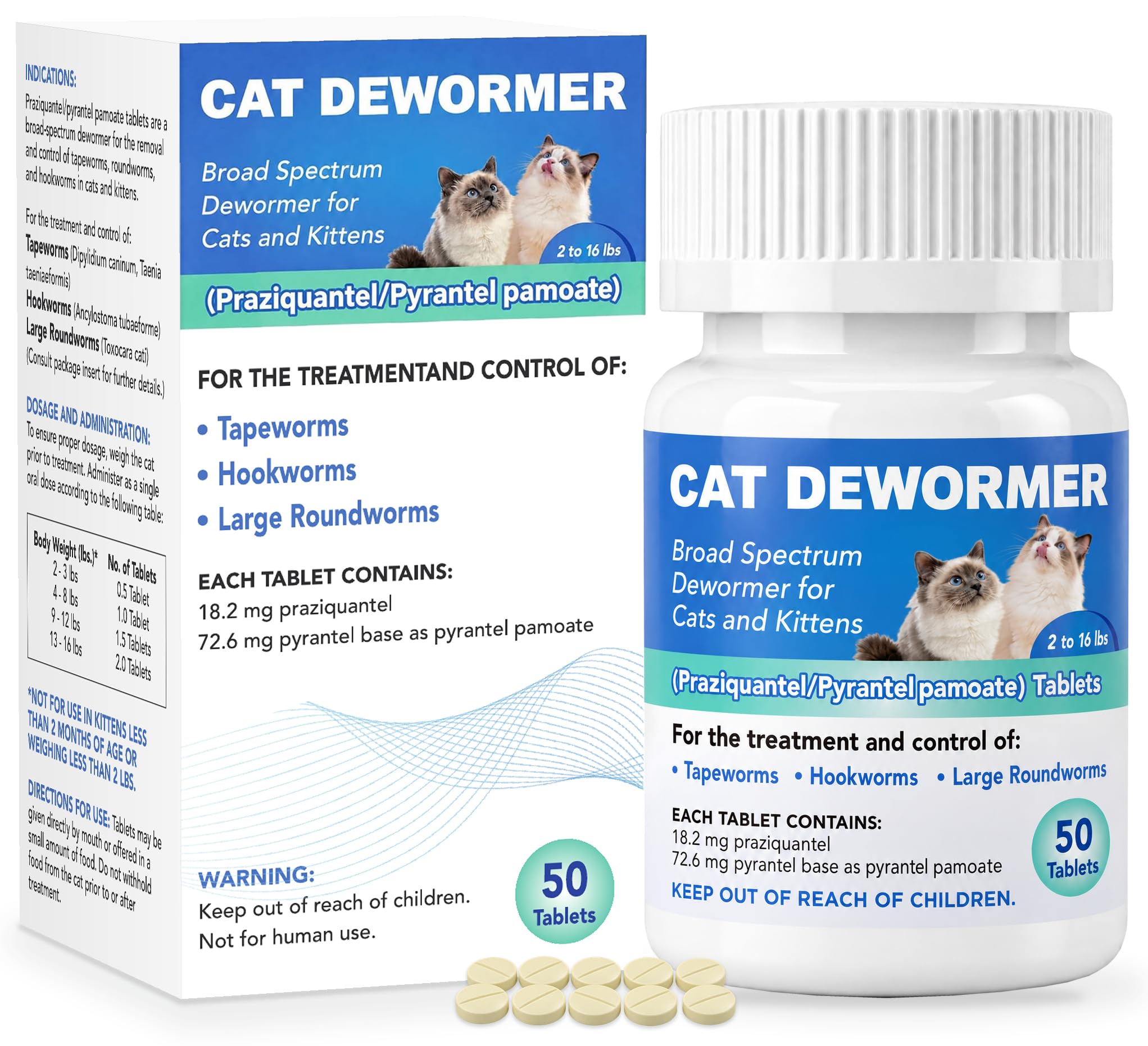

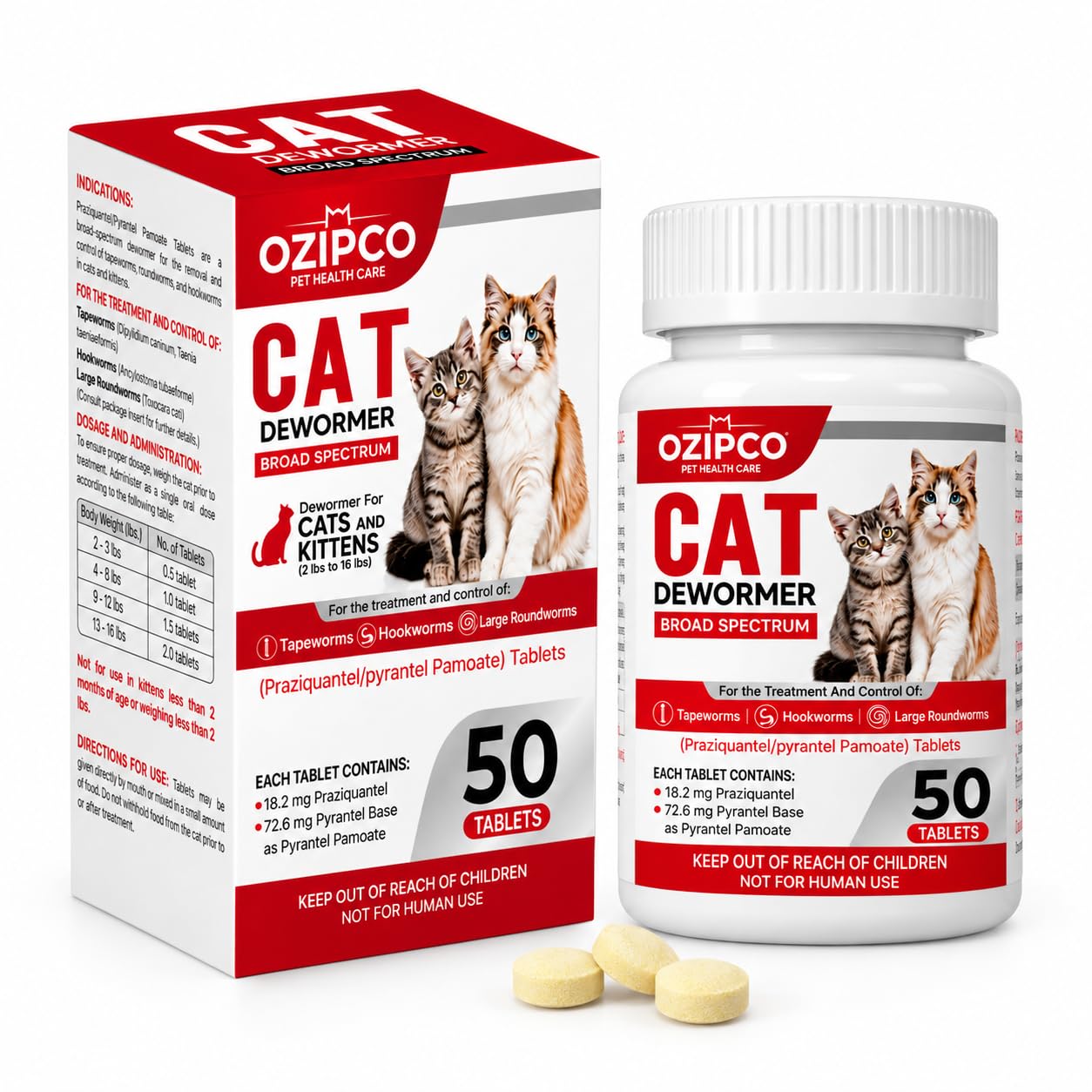
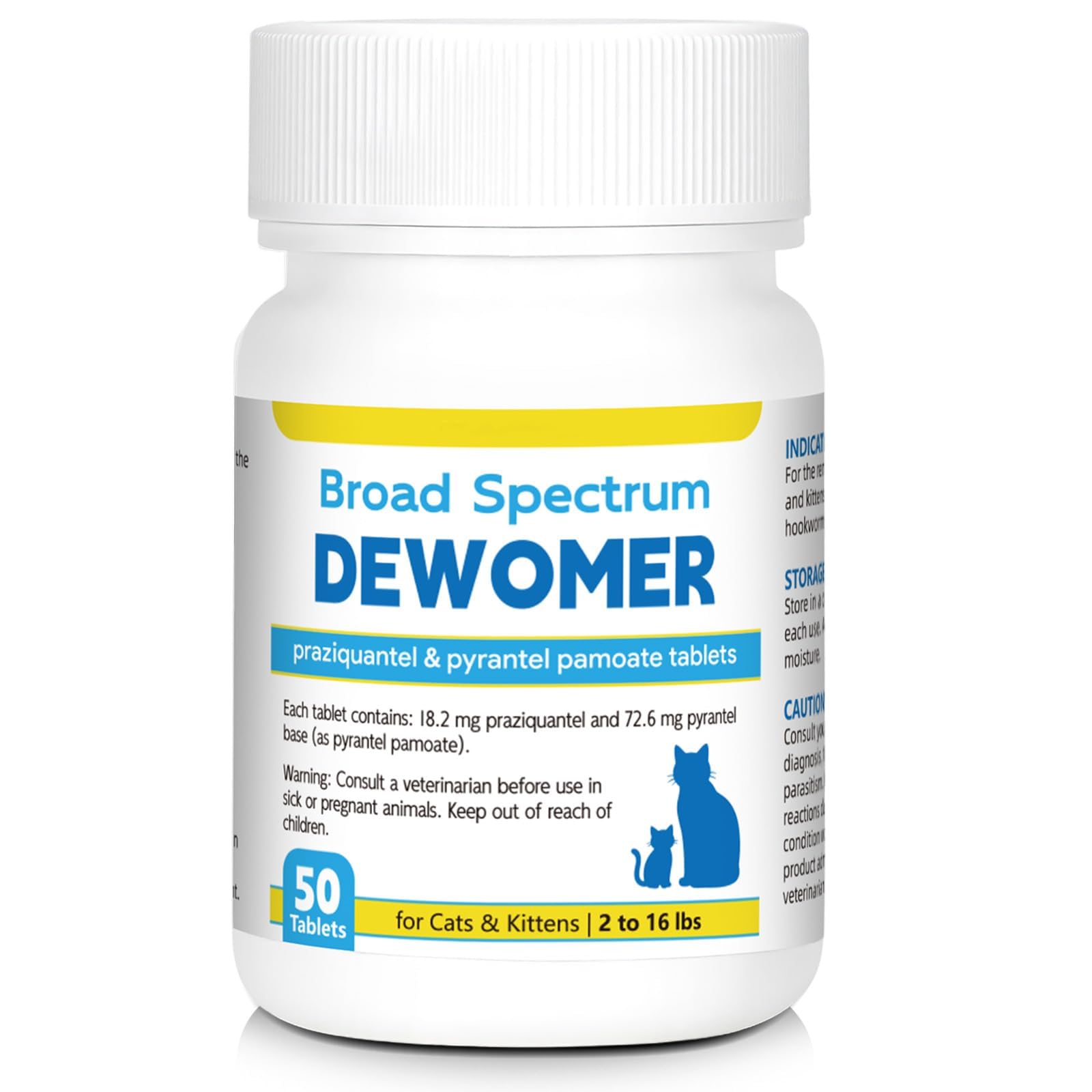
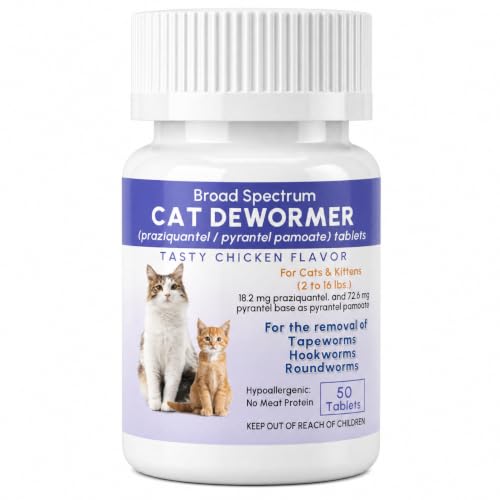
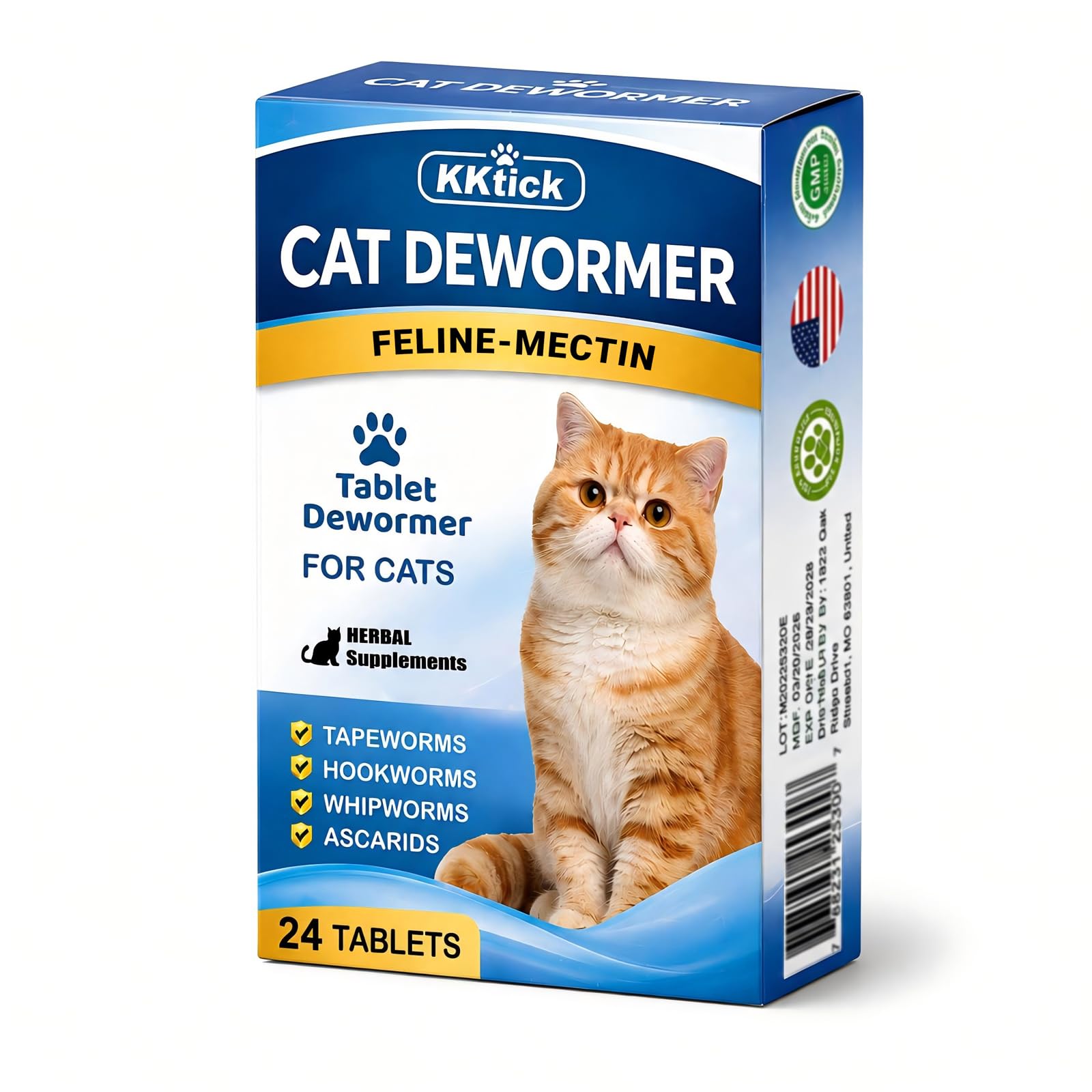
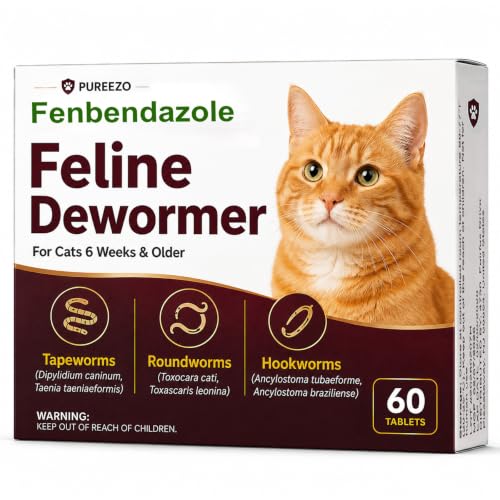
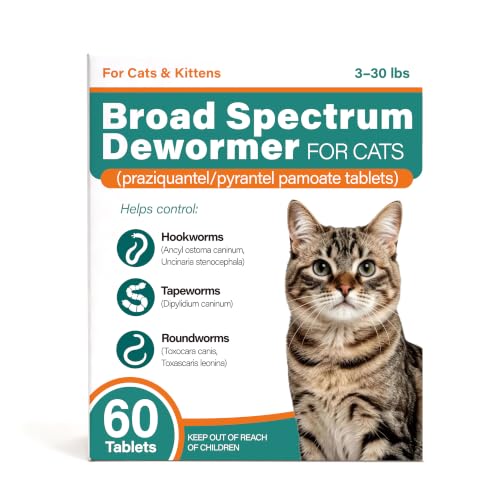
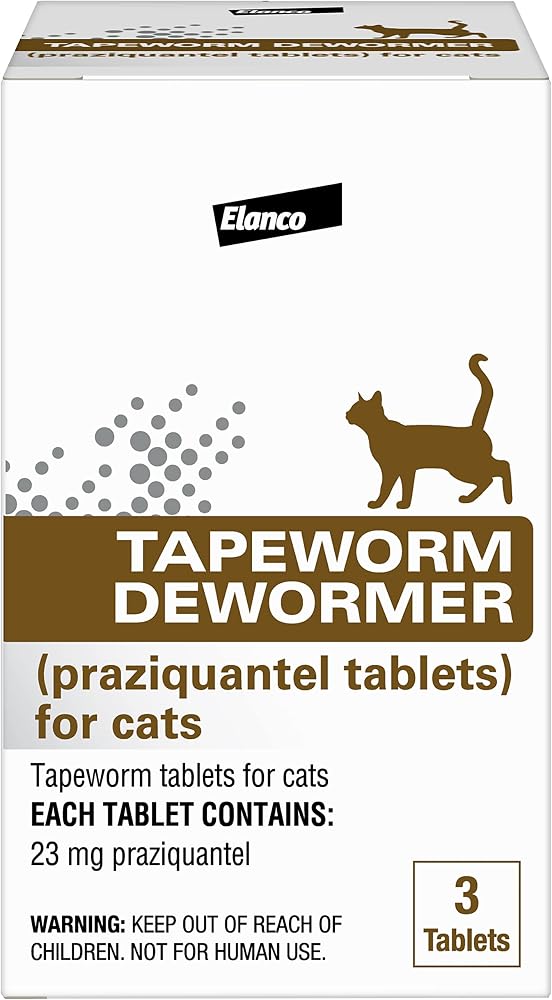
Price Tiers at a Glance: What Each Level Usually Covers
Because this is a health product, price tiers are best understood as coverage tiers. The sections below describe what each tier generally offers, without naming specific products, so you can judge value by fit for your cat rather than by packaging claims.
Basic Single Worm Coverage
Basic tablets usually target one common worm type, most often roundworm, and suit a cat with a known, simple need confirmed by a vet or a fecal test. They tend to cost the least, often under $15 for a small pack, and dosing is usually one tablet by weight band. The limit is obvious: they leave gaps. If your cat hunts, shares a home with dogs, or has had tapeworm before, a narrow tablet may treat the wrong problem and give you false confidence.
Broad Coverage for Most Households
Mid range tablets usually cover roundworm and hookworm, and many also cover tapeworm, which makes them the practical choice for most adult cats on a routine schedule. Expect about $15 to $35 depending on pack size and whether the formula needs a prescription in your state or country. The value here is fewer separate products and a clearer schedule. Check that tapeworm coverage names the right type, because some tapeworms from fleas need a different active ingredient than tapeworms from hunting.
Prescription and Vet Guided Options
Premium and prescription options are chosen when your cat needs broader parasite control, has a heavy worm load, or has health issues that change what is safe. Your vet may combine a tablet with other parasite care or order a fecal test first to confirm the target. Costs vary more, often about $30 to $60 through a clinic, but the guidance is the point. For cats on heart medication, seizure medication, or long term steroids, vet input is not an upgrade, it is a safety step.
How to Choose the Right Worming Tablet: A Buying Guide
This section is the core of the decision. Work through each point with your cat in mind, and write down weight, age, and lifestyle before you shop, because those three facts rule out many options at once and make the right choice much clearer.
Worm Coverage and Active Ingredients
Start with coverage, not price. Roundworm and hookworm are intestinal worms linked to soil, prey, and in kittens, their mother. Tapeworm segments look like small grains of rice near the tail and often follow a flea problem or hunting. Read the label for the exact worms listed, and do not assume a tablet covers all types because it says broad on the box. When you compare the best cat worming tablets for your home, the ingredient list and the named worms matter more than any general claim about strength or speed.
Weight Bands, Age, and Correct Dose
Tablets are dosed by weight bands, so weigh your cat within the last month and use that number, not a guess from last year. Kittens have minimum age and weight limits that vary by product, and giving an adult tablet to a small kitten can be dangerous. Never split a tablet unless the label or your vet says splitting keeps the dose accurate. If your cat sits near the top of a band, ask your vet which band to use rather than rounding down to save money.
Tablet Size and How Easy It Is to Give
A perfect formula fails if you cannot get it into the cat. Small, scored, or flavored tablets are easier for most owners, and some can be hidden in a small amount of food if the label allows food with the dose. Watch for rules about fasting or giving with a meal, because they affect absorption. Handy tip: practice with a tiny treat first using the same hand position, so the real dose day feels routine to your cat and you stay calm and quick.
Prescription Status and Where You Buy
Some worming tablets are sold over the counter and others need a prescription, depending on the ingredient and local rules. Buying from a pharmacy, a vet clinic, or a well known retailer with clear expiry dates protects you from stale or counterfeit stock. Check the expiry date on arrival and store tablets in a cool, dry place away from children and other pets. If a deal looks far below normal price with no expiry shown, skip it, because a weak or fake dose leaves worms untreated.
Safety, Side Effects, and Drug Conflicts
Most healthy adult cats tolerate worming tablets well, but mild vomiting, soft stool, drooling from the taste, or a quiet day can occur. Call your vet promptly if you see repeated vomiting, loss of appetite beyond a day, weakness, tremors, or blood in the stool. Tell your vet about every other medication and supplement your cat takes, including flea care, because some parasite products should not be combined on the same day. Keep a note of the product name, dose, and date for your records.
Schedule and Repeat Doses
One dose rarely ends the story, because worm life cycles mean eggs and young worms can mature after treatment. Many routine plans repeat every one to three months for adult cats, with kittens treated more often in their first months, but the right interval depends on hunting, fleas, and local risk. Mark the next dose on your calendar the day you give the first one. If you miss a dose by a few days, give it when you remember and ask your vet whether to reset the schedule.
Worming Tablets Compared With Other Options
Tablets are one format among several. The best format is the one that covers the right worms and that you can give correctly every time, on schedule, without injury or a stressed cat escaping mid dose.
Spot On Liquids
Spot on products go on the skin and suit owners who truly cannot give tablets, and some combine worm cover with flea cover. The trade offs are cost, the need to keep the application site dry, and separation from other pets and children until it dries. Coverage for tapeworm varies, so read carefully. A spot on that misses the worm you actually need to treat is not easier, it is just a different miss.
Pastes and Liquids
Pastes and liquids help with kittens and very small cats because doses can be measured in small steps with a syringe. They can be messy, taste strong, and need careful measurement to avoid under dosing. They suit short kitten courses under vet guidance. For a large adult cat, the volume can be hard to give in one go, and a spat out dose is hard to measure and replace accurately.
Vet Administered Treatment
Clinic treatment suits cats with a confirmed heavy load, repeated treatment failure, or owners who cannot safely handle the cat at home. The vet can run a fecal test, choose the ingredient, and give the dose while watching for a reaction. It costs more per visit but prevents wasted packs and repeated guessing. If your cat has weight loss, a pot belly, visible worms, or ongoing diarrhea, choose this route first rather than trying another over the counter pack.
Tips to Get the Most From Worming Care
- Treat fleas at the same time when tapeworm is involved, because fleas are a common route for reinfection in indoor and outdoor cats.
- Clean litter boxes daily during treatment week and wash hands after, since eggs in feces are a source for other pets.
- Record product, dose, weight, and date in your phone, so your vet has exact facts at the next visit.
- Weigh your cat before every purchase, because kittens grow fast and adults can drift across a dose band quietly.
- Do not use a dog wormer on a cat, even at a smaller amount, because ingredients and doses differ and some dog products are unsafe for cats. Our guide to the best dog worming tablets explains the dog side separately for multi pet homes.
- Ask about a fecal test if worms keep returning, because repeat problems often mean reinfection, a missed worm type, or an under dose.
Owners comparing other parasite formats often also read our guide to the best flea tablets for cats, since flea control and tapeworm control are closely linked.
Frequently Asked Questions About Cat Worming Tablets
How often should I give my cat a worming tablet?
Most adult cats on a routine plan are treated every one to three months, while kittens need more frequent doses early in life. Hunting cats and cats with fleas usually sit at the frequent end. Your vet can set the interval from local risk and your cat habits. One detail many owners miss is season: outdoor access in warm months raises exposure, so a winter gap that seemed fine can be too long by spring.
Can I give a worming tablet to a pregnant cat?
Only give a worming tablet to a pregnant cat when your vet confirms the product and timing are safe for her stage. Some ingredients are not approved in pregnancy, and dose needs can change. Do not copy a plan from a previous pregnancy or another cat. Your vet may suggest treating before breeding or after the kittens are born, and may want to plan kitten doses around the mother treatment to protect the litter.
What should I do if my cat spits out the tablet?
If your cat spits out a whole tablet right away, you can usually offer it once more right away, but if part of the dose is lost or chewed, call your vet for advice before repeating. Guessing a second dose risks giving too much. For the next attempt, ask about a pill pocket, a pill giver tool, or a different format. Note what happened in your records, because a pattern of lost doses is a good reason to switch formats entirely.
Do indoor cats need worming tablets?
Yes, indoor cats can still need worming, though often less often than outdoor hunters. Worm eggs can arrive on shoes, through open windows with insects, from a visiting dog, or from fleas that slip inside. Kittens can arrive already carrying worms from their mother. Ask your vet about a fecal test if you want evidence before treating, which is a sensible middle path for a strictly indoor adult cat with no symptoms and no flea history.
What are the warning signs that my cat needs a vet, not just a tablet?
See a vet promptly for weight loss, a swollen belly, repeated vomiting or diarrhea, blood in stool, visible worms with illness, or a kitten that is not growing. Those signs can point to a heavy load or another illness that a tablet alone will not fix. Also seek help if symptoms start or worsen after a dose. Bring the product box and your dose notes, because that information speeds up safe advice.
Wrapping Up
Match the tablet to the worms you need to cover, dose by a current weight, and keep a schedule you can actually follow. Those three checks matter more than brand fame or the lowest price. This article is general information, not veterinary advice, so talk with your veterinarian about your cat's needs, especially for kittens, pregnancy, illness, or repeat infections. When you are ready, review the best cat worming tablets in the product table above and confirm your final choice with your vet.