Best Cat Boots: How to Choose the Right Fit for Your Cat for 2026
Disclosure: We may earn a commission when you buy through links on this page, at no extra cost to you. As an Amazon Associate I earn from qualifying purchases. Learn more
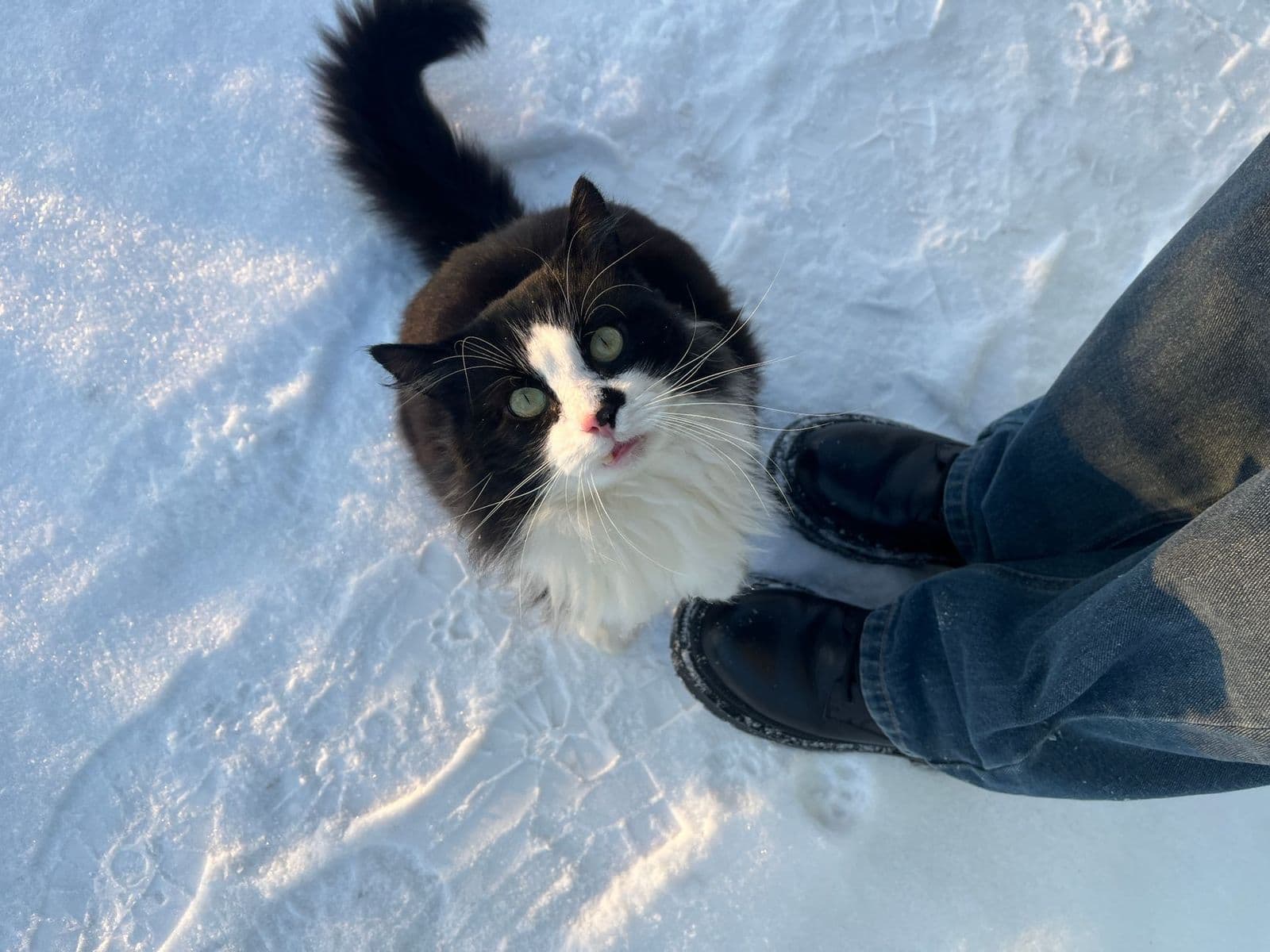
Choosing the best cat boots comes down to paw fit, straps, sole grip and weather cover.
Cat boots protect paws from hot pavement, winter salt, rough ground and wet sidewalks, but quality varies a lot between sets. The best cat boots for your cat are the ones that stay on, bend with each step and match the ground your cat walks on. This guide shows how to judge fit, closures and soles so you can buy with confidence.
Start with your main reason for buying. A leash walking cat needs a different set from a cat who only needs grip help on slick floors at home. Fit matters more than budget, because a costly set fails if your cat kicks it off.
Who Should Buy Cat Boots?
Match the set to the job it will do most often.
Cats Who Walk Outdoors on a Leash
You need boots that stay on through turns, pauses and sudden pulls toward a bird or a leaf. Choose a shaped paw fit, two straps if you can, and a sole with real grip for concrete and damp stone. Choose a secure, well made set, because a lost boot means buying a full new set.
Cats Who Need Protection From Heat, Salt or Snow
You need cover that shields the whole paw pad, plus a cuff that keeps grit and salt from slipping inside. Look for a taller boot shape and a water resistant outer layer for slush and treated sidewalks. Better sealed sets close tighter at the top, where looser ones let melt water in.
Cats Who Need Grip on Indoor Floors
You need light boots that add traction on wood, tile or laminate without weighing your cat down. A thin flexible sole and a soft upper matter more here than heavy weather cover. Simple sets often work well indoors, and see our guide to the best rugs for cats for extra grip in key rooms.
What a Set of Four Costs and Where Corners Get Cut
The best cat boots come as sets of four that usually cost about $12 to $65. At the low end, expect a simple fabric upper, one strap and a thin flat sole: fine for brief indoor wear, a short trip across a hot patio or a first trial to see whether your cat accepts boots at all. Sizing is less precise and soles wear fast on concrete.
Around $22 to $40, sets usually add shaped sizing, a second strap and a textured rubber outsole that bends at the paw, which suits regular leash walks. Above that, a taller cuff, stronger stitching and deeper tread pay off only for daily winter walks or hot rough ground. For short calm outings, the extra cost adds little.
Key Features to Compare
Compare these four factors in order, because strength in one area cannot make up for poor fit.
Paw Sizing and Toe Room
Size decides whether a boot stays on and whether your cat will walk in it. Measure paw width while your cat stands, because a paw spreads under weight and a lifted paw reads too small. Most adult cats measure about 1 to 1.6 inches across the front paws, with back paws often a touch narrower. Choose a rounded toe area that lets toes spread, and size up if your cat sits between sizes, then fine tune the hold with the straps.
Straps and Stay On Closure
A closure has to hold without pressing on the leg, and this is where sets differ most. One wide hook and loop strap can work indoors, but two narrower straps hold better outdoors because you can snug one at the paw and one above it. Check that strap ends do not dangle, since a loose end gives your cat something to chew. Test the fit with ten minutes of play, because a boot that survives chasing and turning will usually survive a calm walk.
Sole Grip, Flex and Padding
The outsole is your cat contact with the ground, so it needs grip, flex and a little padding at once. A rubber sole with a fine tread pattern grips wet stone and smooth floors better than a flat fabric bottom. Flex matters too, because a stiff sole makes your cat lift each paw high and shake it. Thin padding softens hot or rough ground, but thick padding dulls the feel of the floor and can make a nervous cat less steady, so choose moderate padding.
Upper Material, Weather Cover and Breathability
The upper has to balance weather cover with comfort across a whole walk. A water resistant coated fabric sheds light rain and slush and wipes clean after salty sidewalks, which suits winter streets. In warm weather that coating can hold heat around the paw, so mesh panels suit summer and indoor use better. Check inside too, because rough seams over the toes can rub.
How to Measure Cat Paws and Introduce Boots Gradually
Place a sheet of paper on the floor, let your cat stand on it with full weight, and mark both sides of the widest part of one front paw and one back paw. Measure the distance in inches and compare it with the size chart for the set you want. Recheck after a week, because straps stretch a little and a snug boot may start to turn.
Introduce boots one at a time indoors, starting with a single front boot for a few minutes while you offer play or a small treat, then remove it before your cat gets annoyed. Add one boot per session over several days, on carpet where the feel is familiar. You can see our guide to the best cat toys for reward play ideas. Move outdoors only when your cat walks in all four boots without shaking each paw at every step.
Common Mistakes to Avoid
- Buying from body weight alone leaves you with boots that slide off, because paw width varies a lot between cats of the same weight.
- Pulling straps as tight as they go can press on the leg and make your cat refuse the boots on the next outing.
- Starting with a long outdoor walk overwhelms most cats, so the boots get linked with stress instead of with a calm routine.
- Using thick winter boots on a hot day traps heat around the paws and can make your cat pant and sit down mid walk.
- Keeping a set with a smooth worn sole risks slips on wet stone, because grip fades long before the upper wears out.
Care and Maintenance for Cat Boots
Shake out grit after each outdoor use and check inside each boot with a finger, because a small stone can sit unnoticed until it rubs. Wipe coated uppers with a damp cloth, and rinse salt from soles and straps after winter walks. Let the set dry open at room temperature away from direct heat, since heat can stiffen rubber soles.
Once a week, inspect stitching at the strap joins and look for cracks or smooth patches on the sole. Replace a set when tread looks flat across the pad area. Store clean dry boots near where your cat rests, and see our guide to the best cat bed for calm rest spots.
Frequently Asked Questions
Can a cat wear cat boots all day?
No, a cat should not wear cat boots all day. Boots are for walks and short periods of paw protection, not constant wear, because cats groom their paws often and need bare paw time for balance and scratching. Build toward the length of a normal walk, and remove the boots once you are back inside.
How should cat boots fit on a cat?
Cat boots should fit snugly enough that the boot does not turn on the paw, while still letting toes spread flat on the floor. You should be able to slide one fingertip under the strap, and the boot top should sit below the wrist joint. If your cat shakes one paw again and again, that boot is usually too loose or too stiff, not too small.
How long does it take a cat to get used to cat boots?
Most cats take about three to seven short indoor sessions to walk in a fairly normal way in boots. The first session often brings high steps and paw shaking, which fade as the feel becomes familiar. Cats who dislike paw handling may need two weeks of brief rewarded sessions before a first outdoor walk.
Do cats need waterproof boots for rain?
Cats need water resistant boots for rain only when walks are long or the ground holds puddles and slush. For a short walk in light rain, a coated fabric set is enough, and a cuff that keeps water from running in at the top matters more than full sealing. Dry the paws fully after any wet walk, because damp fur between the toes can get sore.
How often should cat boots be replaced?
Cat boots should be replaced when the sole tread turns smooth, a strap stops holding, or the upper splits at a flex point. For a cat who walks daily on concrete, that often means about four to eight months of use, while indoor only sets can last much longer. Keep the size note from your first set for easy reordering.
Wrapping Up
Put fit first, then closure, then the sole that matches your ground. Choose a sturdier, better sealed set for daily outdoor walks, keep it simple for indoor grip or a first trial, and save tall weather sealed boots for snow, salt and rough hot ground. Measure your cat's paws before you order anything.
Chosen with those points in mind, the best cat boots become a simple part of your routine rather than a fight at the door. Measure with care and build up wear time slowly.