Best Cat Tree Guide for 2026: How to Choose the Right Fit
Disclosure: We may earn a commission when you buy through links on this page, at no extra cost to you. As an Amazon Associate I earn from qualifying purchases. Learn more

Choose the best cat tree for your home with clear guidance on size, height, stability, materials and budget.
Choosing a cat tree sounds simple until you start measuring. Trees vary a lot in height, base size, platform width, and build quality, and a model that looks generous in photos can feel cramped or wobbly in your room. This guide to finding the best cat tree for your home focuses on size and fit, durability, safety, and materials, so you can compare options with confidence using the comparison table below.
You will learn which shapes suit kittens, calm adults, large breeds, and busy multi cat homes, plus which features are worth paying for and which ones you can skip. By the end, you will know how much space to allow, how tall to go, and how to spot a tree your cat will actually use every day.

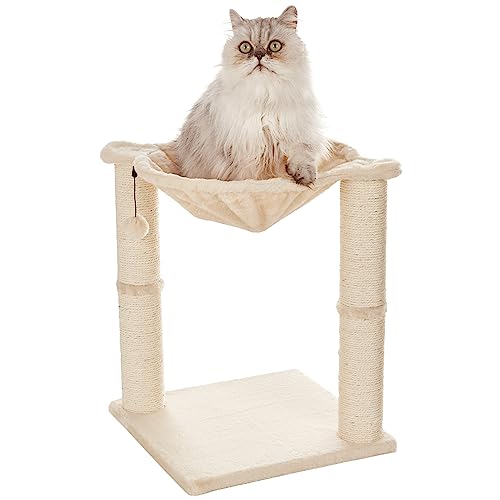
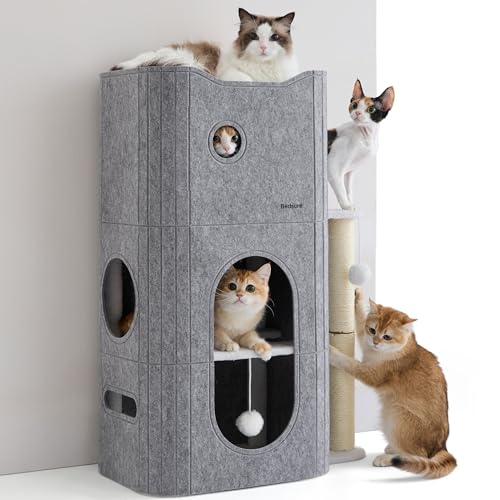
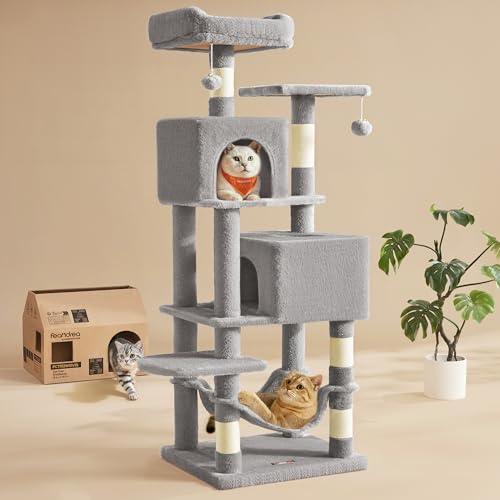
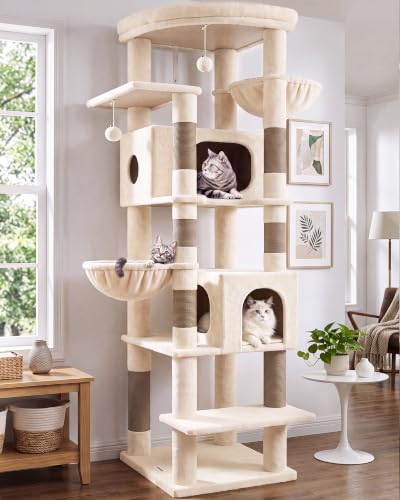


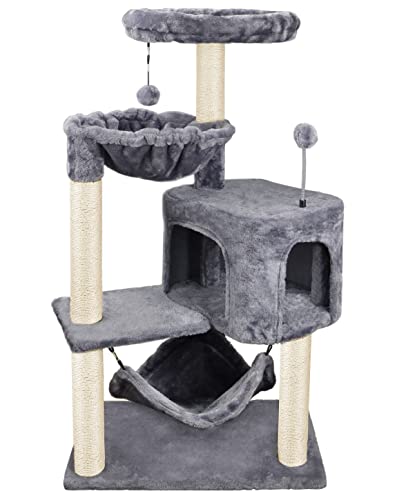


Three Buying Profiles and What to Prioritise
Instead of chasing a single winner, start with the profile that matches your cat, your room, and your budget. The three profiles below cover most homes, and each one points you toward the specs that matter most for that situation.
Balanced Everyday Tree for Most Homes
For one or two average size cats, a mid height tree with two or three platforms, one enclosed condo, and at least one full height scratching post covers nearly every daily habit. Look for a base wide enough that the tree feels planted when your cat lands on the top perch, and choose platforms around 14 to 16 inches wide so your cat can turn and settle. This profile usually gives the strongest mix of use, footprint, and value.
Compact Tree for Tight Budgets and Small Rooms
If floor space or money is limited, a shorter tree with a single perch, a small condo, and one or two sisal posts can still meet core needs. Prioritise stability over height at this size, since a compact tree that rocks will be ignored. Expect simpler coverings and thinner platforms, and plan on replacing worn sisal sooner. Many compact trees cost under $100, which makes them a sensible first purchase for a kitten or a shy rescue cat.
Large and Tall Tree for Big or Active Cats
Large breeds and athletic climbers need wider platforms, thicker posts, and a heavier base than standard trees provide. Posts with a diameter of about 3.5 inches or more resist flexing, and perches around 18 to 20 inches wide let a big cat stretch out fully. Height adds climbing value, but only when the base and hardware keep the structure steady. This profile costs more, yet it avoids the common outcome of a standard tree being outgrown within a year.
What Matters Most When You Compare Cat Trees
Five criteria drive almost every good decision in this category. Size and fit decide whether the tree suits your room and your cat. Durability shows up in post thickness, platform material, and hardware quality. Safety and materials cover stability, secure fasteners, and coverings that hold up to claws. Ease of cleaning matters because fur and dust build up fast. Value ties those points to price, since the cheapest tree is rarely the cheapest one to own if it needs early replacement.
How to Choose the Right Cat Tree
Size and Form Factor
Measure your floor space first, then check the tree footprint and height against that space, leaving room to walk around it. Small trees under about 36 inches suit kittens and single low activity cats. Mid size trees from about 40 to 60 inches fit most living rooms, while taller designs reward confident climbers. If vertical space is your priority, compare options in our guide to the best tall cat tree before you commit to a footprint.
Type and Layout
Layout shapes how your cat uses the tree each day. A classic tower stacks perches above a condo, a corner design tucks into unused space, and a modern wooden style blends with furniture while offering flat, easy to clean surfaces. Wall mounted pieces save floor space but need secure studs. A best floor to ceiling cat tree setup uses tension to reach high perches in a narrow column, which suits rentals where drilling is not allowed.
Features Worth Paying For
Pay first for the features cats use daily: tall sisal scratching posts, a top perch with a raised edge, and an enclosed condo for hiding and naps. A hammock adds a second resting spot that many cats love, and ramps help kittens and older cats reach the first level. Dangling toys are fun for a week but rarely justify a higher price. If a tree will sit near a litter area, a design with space for a litter box enclosure keeps supplies together in one corner.
Sizing for Your Pet
Match platform size and post spacing to your cat, not to the room alone. Kittens need low first steps and short drops between levels. Senior cats do better with ramps or closely spaced platforms so they never have to jump far. Heavy breeds need the wider perches and reinforced posts described in our guide to the best cat tree for large cats, since standard platforms can flex under weights above about 15 pounds and discourage use.
Materials and Chew Resistance
Most trees use engineered wood or solid wood for the frame, covered in carpet, faux fur, or fabric. Solid wood and thicker boards feel steadier and last longer, while thin boards can crack around bolt holes. Sisal rope is the standard scratching surface because it shreds slowly and gives claws good grip. Cats that chew or knead coverings will wear faux fur quickly, so carpet or woven fabric often survives longer in those homes. Check that edges are finished smoothly, with no exposed staples.
Cleaning and Odor Control
Fur collects on every level, so plan a routine before you buy. Vacuum platforms weekly, spot clean accidents quickly, and choose darker or patterned coverings if shedding shows easily in your home. Removable cushions and beds simplify washing, and a tree placed away from humid corners stays fresher. Our step by step guide on how to clean a cat tree covers deep cleaning methods that remove odor without damaging sisal or coverings.
Safety and Stability
Stability is the safety feature that matters most. A tree should not tip when your cat launches onto the top perch, so test the base width against the height and consider a wall strap for tall models. Tighten every bolt during assembly, then check them again after the first week of use. Inspect dangling toys and elastic cords, and remove anything that frays, since loose pieces can be swallowed. Place the tree on a flat floor, never on a rug edge that shifts.
How Much Should You Spend?
Budget trees at about $50 to $100 are usually compact, with thinner platforms and basic coverings. The middle range, about $100 to $200, brings wider bases, taller posts, and better hardware for most homes. Spending about $200 to $300 and up typically buys solid wood, larger perches, and replacement parts support. Spend toward the top of your range if your cat is large or your home has several cats, because undersizing is the most common reason a tree gets replaced early.
Matching a Tree to Your Household
Homes with several cats need more vertical territory, not just a bigger single perch. Two resting levels at different heights reduce competition, and separate scratching posts stop guarding behavior around one favorite spot. If that sounds like your home, see our guide to the best cat tree for multiple cats for layout ideas built around sharing. Single cat homes can focus on one great top perch near a window, since most cats claim the highest sunny spot and ignore the rest.
Placement shapes success as much as the tree itself. Put the tree where your family spends time, near a window if possible, rather than in a spare room your cat rarely visits. Give your cat a few days to explore at its own pace, and move a favorite blanket onto a platform to make the new spot smell familiar.
Common Mistakes to Avoid
- Buying by height alone, because a tall tree on a narrow base can tip when a cat lands on the top perch.
- Choosing platforms that are too small, because a cat that cannot turn or stretch on a perch will sleep elsewhere.
- Ignoring scratching post height, because a short post forces your cat to crouch and pushes scratching back onto your sofa.
- Placing the tree in an unused room, because cats prefer territory where their people spend time.
- Skipping the bolt check after assembly, because hardware loosens during the first weeks of jumping and climbing.
- Picking coverings only by color, because thin faux fur can wear through months before carpet or woven fabric does.
How to Make Your Cat Tree Last Longer
Rotate which levels hold toys and blankets every few weeks so wear spreads across the tree instead of concentrating on one perch. Rewrap a worn sisal post with new rope rather than replacing the whole tree, and tighten bolts every few months. Trim loose covering threads promptly so claws do not catch and tear larger holes. If a platform cover wears out, a small carpet remnant cut to size can extend its life for another season.
Frequently Asked Questions
What is the best cat tree for a cat that ignores new furniture?
The right tree for a hesitant cat is a low, stable design placed in a room the cat already loves. Start with one perch and a condo at ground level so nothing feels risky. Rub the platforms with a cloth that carries your cat scent, or place treats on each level. Many hesitant cats need one to two weeks of quiet access before they climb, so patience matters more than extra height or toys.
How long does a cat tree last?
A cat tree typically lasts about two to five years, depending on materials and how hard your cats scratch. Solid wood frames and thick posts sit at the long end of that range, while thin boards and faux fur wear out sooner. One detail many owners miss is that the condo covering usually fails first, because cats knead and turn in that small space daily. Replacing a cushion or rewrapping one post can add a year or more of use.
Is a cat tree worth it for an indoor cat?
Yes, a cat tree is worth it for most indoor cats because it provides climbing, scratching, and elevated rest in one place. Indoor cats have fewer chances to climb and survey their surroundings, so vertical territory reduces boredom and stress. It also gives your cat a legal scratching target near the furniture it would otherwise use. Cats that already have window perches and play time may use a smaller tree, but few indoor cats ignore a well placed perch.
How do you clean a cat tree without damaging it?
You clean a cat tree safely by vacuuming first, then spot cleaning coverings with a mild solution and letting each level dry fully. Avoid soaking sisal posts, because trapped moisture weakens the rope and can leave a lasting odor. A handheld vacuum with a brush head lifts fur from corners that a full size vacuum misses. For accidents, an enzyme cleaner made for pet messes breaks down odor at the source better than scented sprays, which only mask it.
What makes a cat tree reliable over time?
Reliability comes from frame material, post thickness, and hardware quality rather than from any label. Solid wood or thick engineered boards resist cracking around bolts, and metal hardware stays tight longer than plastic fittings. Look for makers that sell replacement posts and cushions, since spare parts signal a design built to be maintained. A wide base relative to height is the final clue, because a tree that never wobbles puts far less stress on its joints.
Final Thoughts
The right choice balances your cat size, climbing style, room space, and budget, with stability and platform size at the top of the list. Compare the product table above against the profiles in this guide, and favor the tree your cat can climb, scratch, and stretch on comfortably every day. When you match those basics, the best cat tree for your home stops being a guess and becomes an easy, lasting decision. Prices and availability can change, so check the product page before ordering.