
Best Cat Toilets for 2026 Made Simple: A Clear Buying Guide
Disclosure: We may earn a commission when you buy through links on this page, at no extra cost to you. As an Amazon Associate I earn from qualifying purchases. Learn more

Shopping for the best cat toilets for the first time? Compare open, covered, sifting, and self cleaning litter boxes by size, odor control, and price.
Buying a first litter box sounds simple until you face a wall of pans, hoods, sifting trays, and self cleaning machines and realize your cat has opinions too. The best cat toilets for a new owner are the ones your cat will use happily and you can keep clean without dread, and those two needs shape every choice in this guide.
We will start with the basic types and the plain English meaning of the terms on the box, then cover sizes, prices, and the mistakes almost every first time buyer makes. Keep the comparison table below in mind as you read, because the right answer depends on your space, your budget, and your cat.

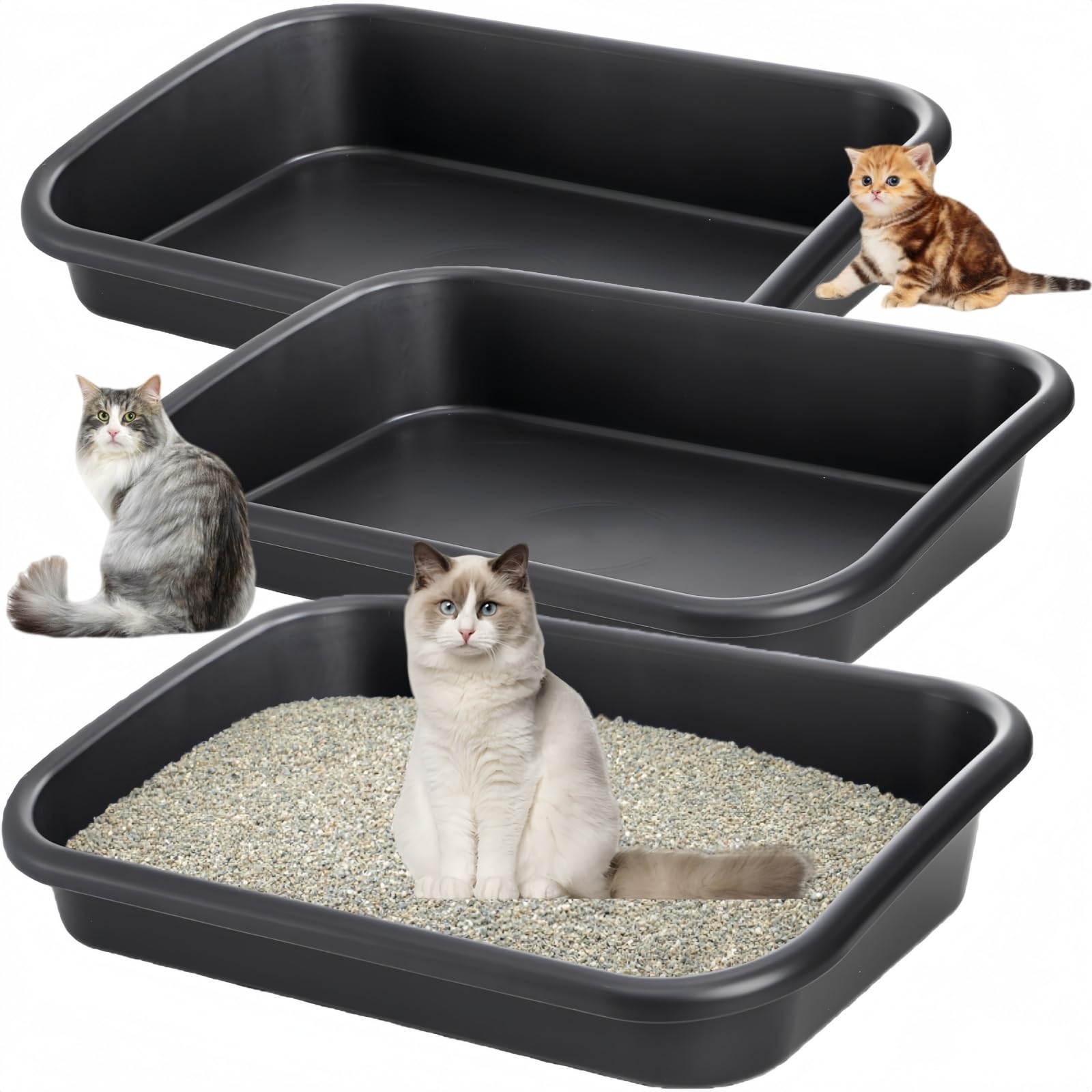
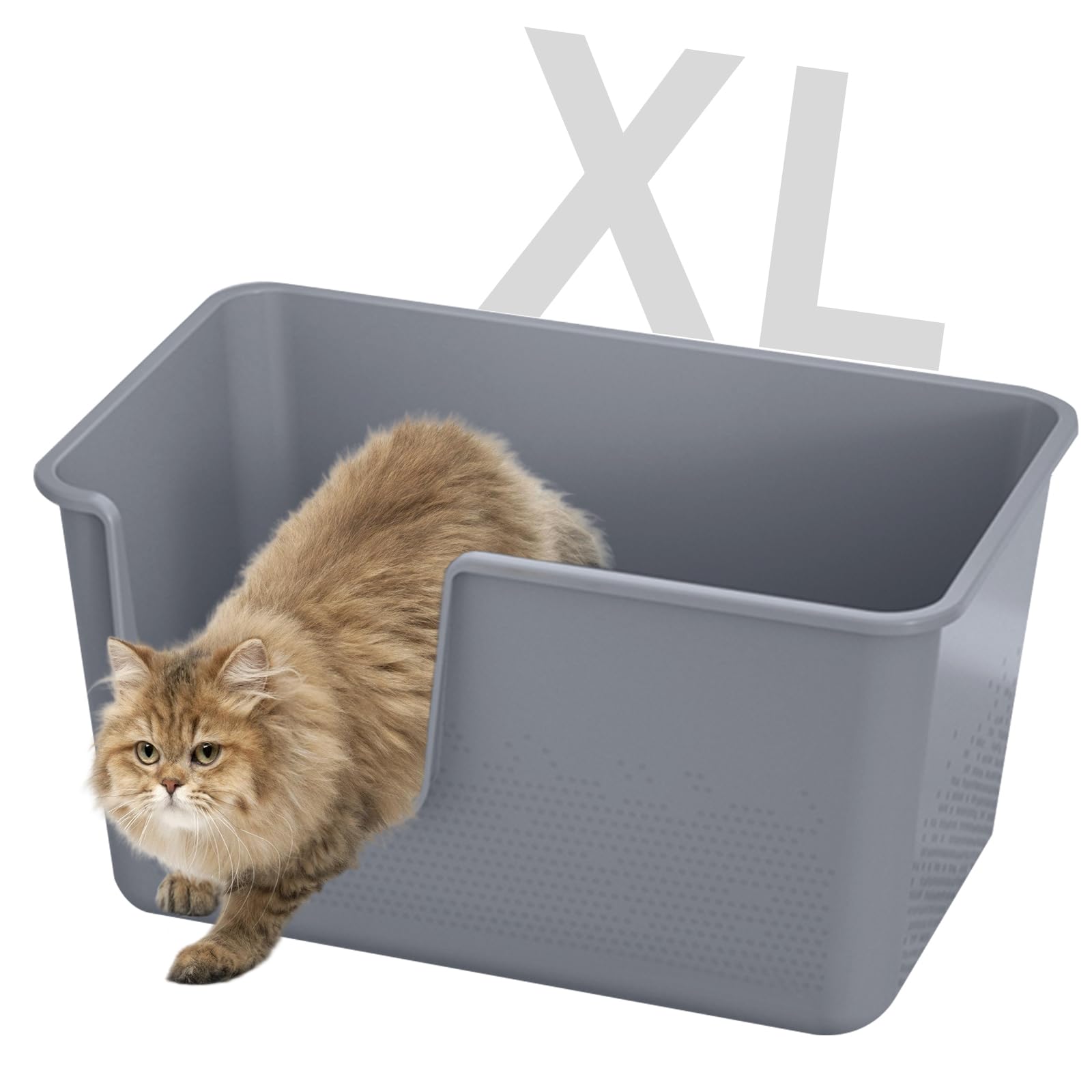
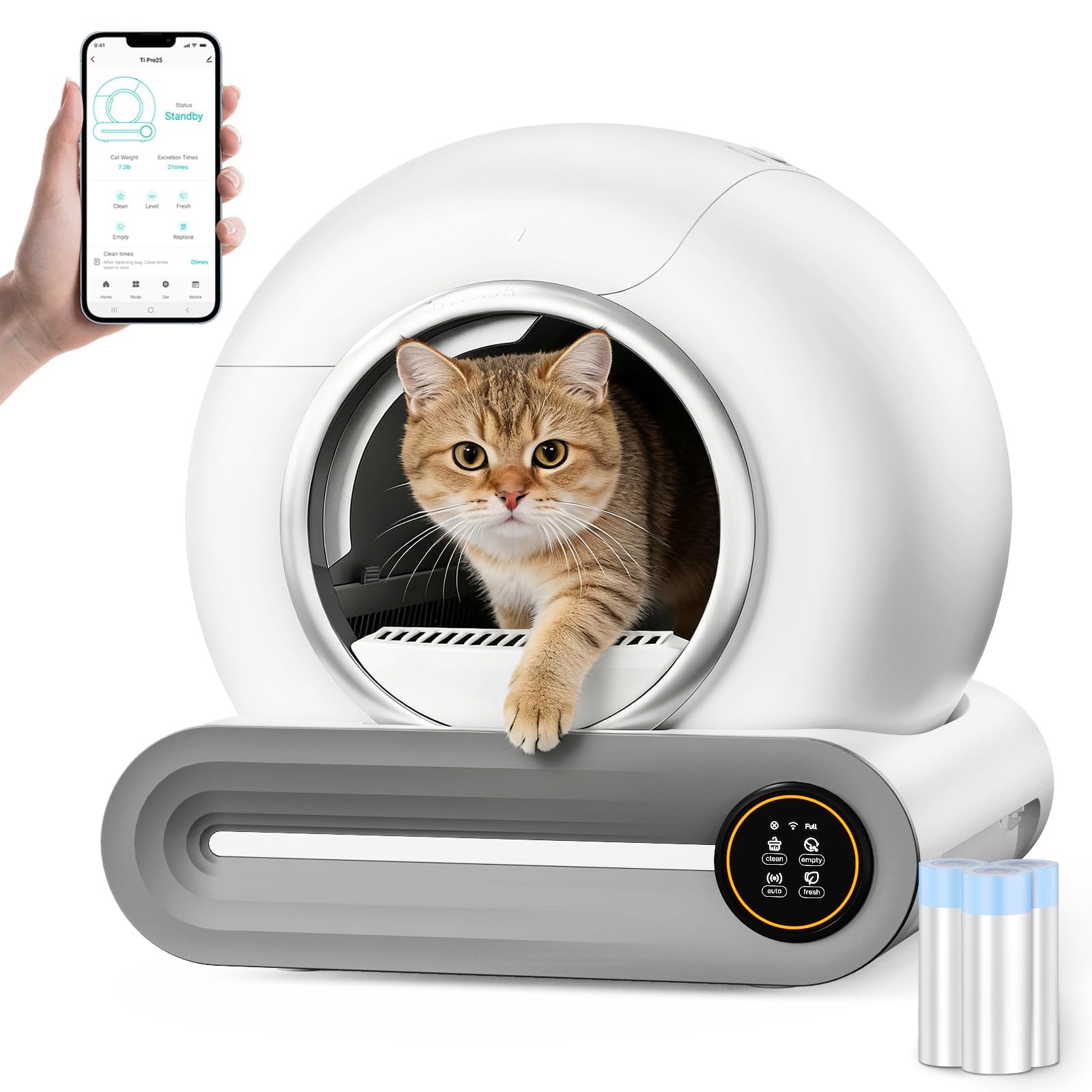

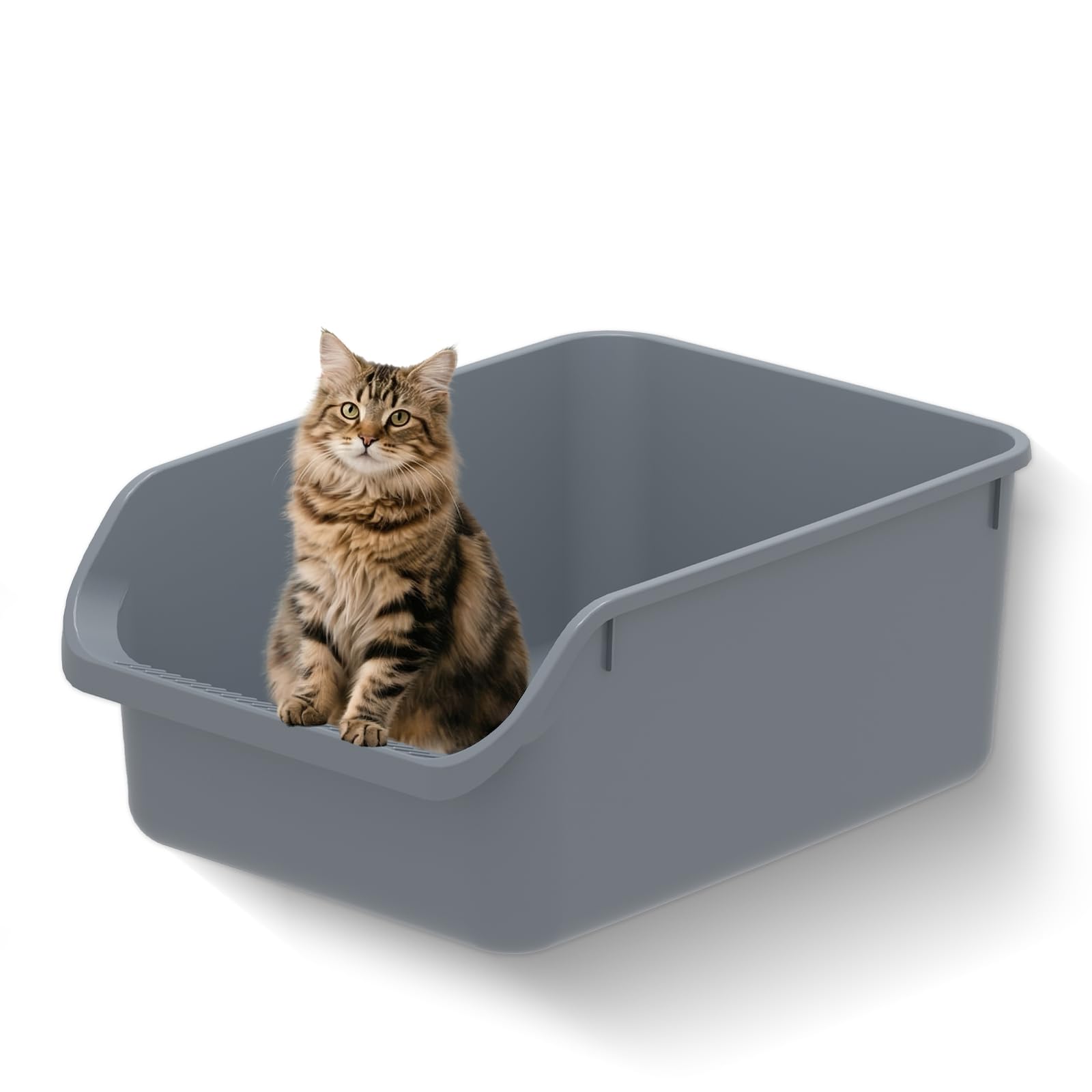


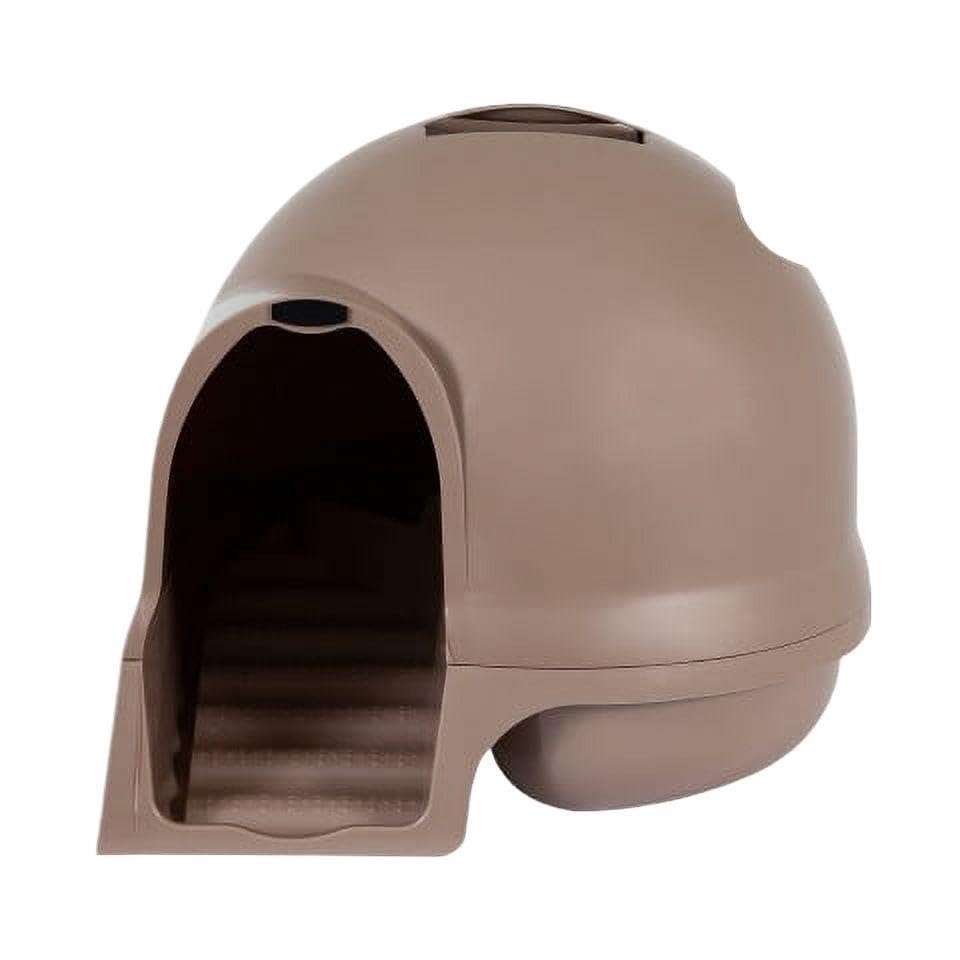
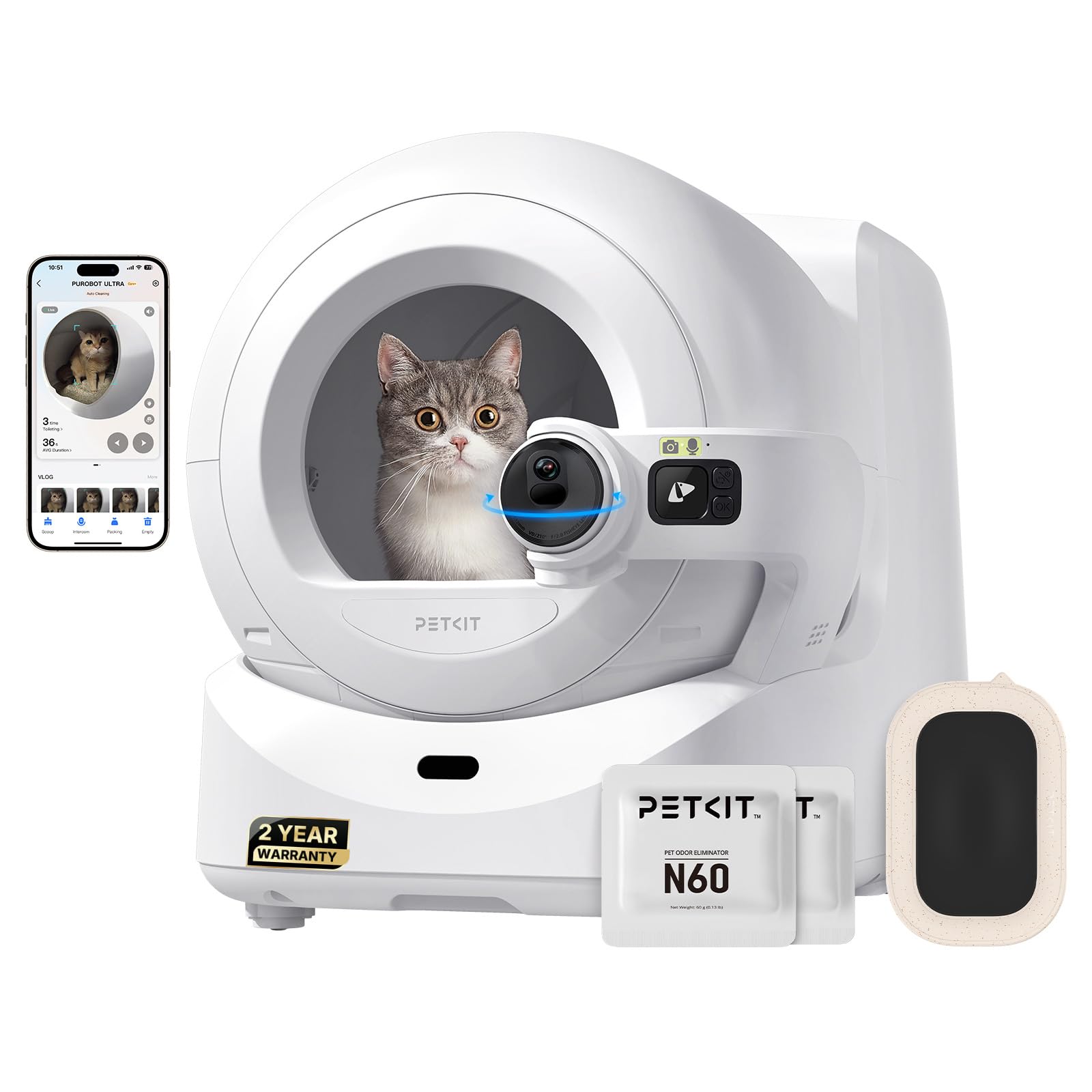
Cat Toilets 101: The Basics
A cat toilet, usually called a litter box, is a container filled with granular litter that absorbs urine and coats solid waste so it can be scooped out. The cat steps in, digs, does its business, and buries it, which is instinctive behavior for most cats from kittenhood. Your job as the owner is to provide a box that is big enough, placed somewhere quiet, and cleaned often enough that the cat keeps choosing it.
The main types are open pans, covered boxes with a hood, top entry boxes, sifting boxes with layered trays, and self cleaning boxes that rake or rotate waste into a sealed compartment. Some owners skip litter boxes entirely with a best cat toilet training kit, which teaches a cat to use a household toilet over several weeks. That route saves litter costs but takes patience and suits confident adult cats better than kittens or seniors.
Key Specs Explained in Plain English
Size and Space for the Cat
A useful rule is that the box should be about one and a half times the length of your cat from nose to the base of the tail. For most adult cats that means a pan of about 18 to 24 inches long, and large breeds need more. A box that is too small makes cats perch on the edge or miss entirely, which owners often misread as bad behavior. Measure your cat and your floor space before ordering, because the largest box your room can hold is usually the kindest choice.
Entry Height and Access
The entry side decides who can use the box comfortably. Kittens and older cats with stiff joints need a low entry of about 3 to 5 inches, while high sides of 8 inches or more help contain litter kicked out by enthusiastic diggers. Top entry boxes cut tracking and suit agile adults, but they shut out arthritic cats and tiny kittens. If your household has cats of different ages, a standard pan with one lowered side is the safest shared compromise.
Material and Construction
Nearly all litter boxes are molded plastic, and the details matter more than the material name. Smooth, nonstick surfaces release waste cleanly and resist odor absorption, while deep scratches from metal scoops trap smells over time, so a plastic or silicone scoop is the kinder tool. Thicker walls flex less when you lift a full box, and rounded corners leave nowhere for waste to cake. Stainless steel pans exist at higher prices and resist scratches and odors well, though they are heavier and louder under digging paws.
Litter Type Compatibility
Not every box works with every litter. Sifting boxes need clumping litter with grains small enough to pass the slots, and self cleaning models often require specific crystal or clumping litters to move waste properly. Pellet litters pair with sifting trays that have wider spacing. If you already know which litter your cat accepts, choose the box to match it, because changing the box and the litter in the same week is a common reason cats start avoiding both.
Odor Control and Ventilation
Hoods, filters, and enclosed designs promise odor control, and they do reduce smell for the humans in the room. The trade off is that the same trapped air concentrates odor for the cat inside, and many cats dislike entering a smelly enclosed space. Carbon filters in a hood help mildly and need replacing every few weeks. In practice, daily scooping controls odor better than any lid, and an open box in a ventilated spot stays fresher than a sealed box that gets scooped twice a week.
Cleaning Effort and Waste Handling
Every box trades money against your time. A plain pan needs a minute of scooping once or twice a day, sifting trays shorten that job, and self cleaning boxes ask only for an emptied waste drawer every week or so. Whatever type you choose, wash your hands well after handling litter or waste, keep litter and scoops away from children, and empty waste into the household trash according to your local disposal rules rather than flushing it. Readers who are pregnant should ask a clinician about litter handling precautions, since a partner or family member taking over scooping during pregnancy is the usual advice.
What Cat Toilets Cost
Starter pans cost about $10 to $25 and do the essential job with no moving parts to fail. Covered and sifting boxes run about $25 to $60, buying you less scattered litter and faster daily cleaning. Self cleaning models cost about $200 to $600, and the ongoing price of special trays or liners matters as much as the purchase price shown in the product table above. For most first time owners, a simple larger pan plus a second basic box beats one expensive machine.
Rookie Mistakes to Avoid
- Buying a box that fits the corner instead of the cat, which leads to misses that get blamed on the cat.
- Starting with scented litter in a covered box, a combination many cats refuse within days.
- Placing the box beside a loud washer or the food bowls, two spots cats instinctively avoid for toileting.
- Changing the litter brand and the box at the same time, leaving the cat with nothing familiar.
- Waiting for a smell before scooping, when cats notice a dirty box long before people do.
Getting Started: Setup and First Use
Set the box on a washable mat in a quiet, low traffic corner that your cat can reach at all hours, including when doors are closed at night. Fill it with about 2 to 3 inches of litter, enough for digging without wasteful depth. If you are replacing an old box, put the new one beside it for a week and move a little used litter across, so the scent tells the cat this is the same bathroom in a new shape. Scoop daily from the first day, because a clean start builds the habit for both of you.
Frequently Asked Questions
How many litter boxes does one cat need?
One cat should have two boxes in most homes, following the common rule of one box per cat plus one extra. Two boxes let a cat choose a clean option when one is dirty and give you a backup during deep cleaning. In a small apartment, a single large box can work if it is scooped twice a day without fail. Place the boxes in different spots rather than side by side, since cats count a row of boxes as one location.
How often should I scoop a litter box and change the litter?
Scoop a litter box once a day at minimum, and twice a day for a single box home. With clumping litter, top up what you remove and replace the full contents about once a month, washing the pan with mild soap at the change. Non clumping litter needs a full change roughly once a week. If the box smells soon after a full change, the plastic itself has absorbed odor and washing with an enzyme cleaner made for pet waste usually helps.
Where should I put a litter box in a small apartment?
Put the litter box in the quietest corner your cat can always reach, often a bathroom corner or the end of a hallway. Keep it away from the food and water bowls, because cats avoid toileting near where they eat. A washable mat under the box catches tracked litter in tight spaces. Avoid balconies in hot weather, since heat intensifies odor and can make an enclosed box unpleasant enough that the cat stops using it.
Can kittens and senior cats share a high sided litter box?
Kittens and senior cats usually struggle with high sided and top entry boxes, so a shared box should have one low entry side. Kittens under about four months can fall into deep litter and tire quickly, while older cats with arthritis find climbing painful. A standard pan with sides of about 5 inches suits both ends of life. If a younger cat scatters litter, add a mat and a separate high sided box elsewhere rather than raising the only entry.
When should I replace a plastic litter box?
Replace a plastic litter box when scratches cover the floor of the pan, odor survives a thorough wash, or cracks appear near the rim. Scratched plastic holds bacteria and smell that no litter change can fix. For most households this happens about once a year with daily scooping. Self cleaning boxes last longer but their rakes and seals wear too, so check the waste path parts each season and replace worn pieces before the cat notices a problem.
Final Thoughts
For a first purchase, size, easy access, and a cleaning routine you can keep matter more than clever features. Start with a roomy open pan, scoop it daily, and watch how your cat uses it before spending on hoods or machinery. The best cat toilets are simply the ones that stay clean, fit the cat, and sit in a spot the cat trusts. Look back at the product table above to compare sizes and prices, and choose the box your cat is most likely to accept on day one.


