
Best Cat Toilet Training Kit for 2026: Match the Kit to Your Routine
Disclosure: We may earn a commission when you buy through links on this page, at no extra cost to you. As an Amazon Associate I earn from qualifying purchases. Learn more
Learn how to choose a cat toilet training kit by stage design, fit, and pace. Compare tray styles, cleaning needs, and costs before you start training.
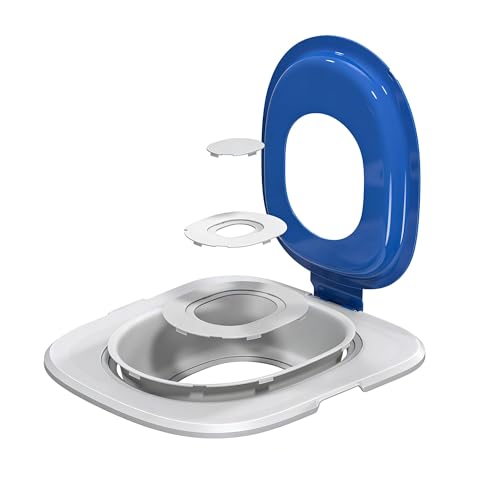
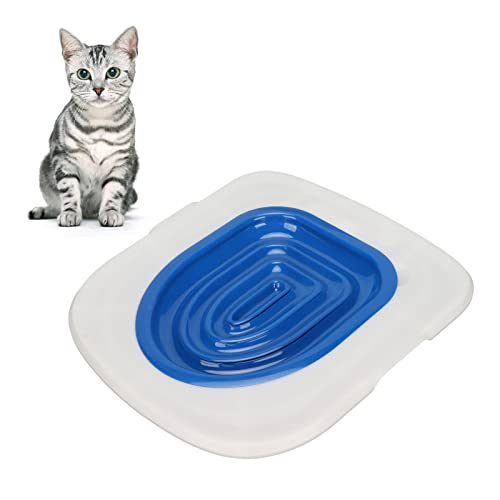
The best cat toilet training kit is not one fixed product that suits every home. It is a set of trays and inserts that sits on a household toilet and lets a cat move, stage by stage, from a litter box toward using the toilet. The comparison table below can help you see the main design choices side by side before you look at prices.
Your toilet shape, your cat, and your daily routine matter more than any single feature. This guide compares tray designs, fit, materials, and pacing so you can choose a setup that fits your home and gives your cat time to learn.



Who Should Buy Which Training Kit?
Training kits work best when the buyer matches the kit to the cat and the household, not just to a price. The groups below describe common situations and the features that matter most in each one.
For First Time Cat Owners
If you have never trained a cat to use a toilet, choose a kit with clear stage steps and a simple tray that is easy to lift and clean. Look for a stable base, a wide enough opening for your cat to stand with confidence, and inserts that are easy to swap without spilling litter. A slower stage plan is usually better than a rushed one, because a cat that feels rushed may avoid the toilet altogether. Keep a spare litter box nearby during the early stages so your cat always has a safe option.
For Multi Cat Homes
In a home with more than one cat, fit and cleaning speed matter even more. Choose a sturdy tray that can handle frequent use, and check that the seat and tray stay steady when a larger cat steps on and off. You may need a second kit or a second toilet setup if cats will not share, and you should plan extra cleaning time each day. Watch each cat separately, because one confident cat can mask the stress of another cat that is struggling with the change.
For Small Space Renters
If you rent or live in a small home, choose a kit that fits your exact toilet and can be removed without tools or damage. Measure the seat shape and the space around the toilet before you order, and check that the tray does not block the lid or the flush handle. A compact tray with a simple insert system is easier to store between stages.
Key Features to Compare
The features below affect whether a cat will accept the kit, not just how it looks in a photo. Compare them in the order that matters for your cat: fit first, then stage design, then cleaning.
Stage Design and Opening Size
Most kits use a series of trays or rings with a growing opening in the middle. Early stages give the cat a full surface to stand on, while later stages leave a larger hole over the water.
Compare how many stages the kit includes and how much the opening grows at each step. A kit with smaller steps gives a nervous cat more time to adjust, while a kit with large jumps can cause setbacks. Check also whether you can stay on one stage longer without buying extra parts.
Fit and Stability on Your Toilet
A kit must sit flat and stay still on your toilet seat. Check whether it is made for a round seat, an elongated seat, or both, and whether it uses grips or a rim that keeps it from sliding. A tray that shifts when the cat steps on it can scare the cat and slow training.
If you use a soft close seat or a raised seat, test the fit with the lid up and down before you start.
Material and Cleaning
Most trays are plastic, but thickness, surface texture, and edge shape still vary a lot. A smooth surface is easier to wipe clean, while a textured surface may give paws more grip. Look for a tray that can be rinsed without trapping litter in seams, and check whether inserts are disposable or washable.
Daily cleaning matters, because a dirty tray can push a cat back to the floor or to a rug.
Transition Pace and Spare Parts
The pace of training is set by the cat, not by the calendar on the box. A good kit lets you repeat a stage, pause for a week, or go back one step after a setback.
Before you buy, check whether extra inserts, rings, or trays are sold on their own, and what they cost. If you want to compare seat styles, see our guide to best cat toilets for notes on height, shape, and stability.
Common Mistakes to Avoid When Buying Training Kits
- Choosing by price alone, then finding the tray does not fit your toilet seat shape.
- Moving to the next stage too fast, which can cause the cat to avoid the toilet.
- Ignoring cleaning time, so a dirty tray becomes the reason training stalls.
- Removing the old litter box too early, leaving the cat with no safe backup.
- Buying a kit with no spare inserts, then pausing training while you wait for parts.
How to Make Your Training Kit Last Longer
Rinse the tray after each use during training and wipe the rim dry so litter does not build up in seams. Store spare inserts flat in a dry place, and check the tray for cracks or warped edges each week.
If a part fits loosely, stop and refit it before the next use, because a wobble can undo weeks of progress.
Training Kits: Your Questions Answered
How long does toilet training a cat usually take?
Most cats need several weeks to several months to move through all stages, and some need longer pauses between stages. Progress depends on age, confidence, and how steady the routine stays at home.
A cat that eats, sleeps, and plays on a regular schedule often adjusts faster than a cat facing a move or a new pet. If your cat stalls at one stage for more than two weeks, stay on that stage and reward calm visits rather than pushing ahead.
Can a toilet training kit work for an older cat?
An older cat can learn, but joint comfort and balance matter more than speed. Choose a kit with a wide early stage surface and a stable base, and make sure the cat can step up and turn without slipping.
Watch for hesitation, missed steps, or reluctance to jump, since those signs may point to stiffness or pain. If your cat shows lasting trouble with balance, toileting, or movement, talk with a vet before you continue training. Keep the old litter box available so an older cat never feels trapped by the new setup.
What should I do if my cat refuses the toilet?
Go back one stage and give the cat a smaller opening change to accept. Check the tray for movement, smell, or litter texture that may have changed at the same time.
Make sure the bathroom door stays open, the room stays quiet, and no other pet blocks the path to the toilet. Clean any accidents without scolding, since fear can make avoidance worse. If refusal lasts for days despite a slower pace and a clean tray, pause training and return to the litter box, then try again later with a gentler plan.
Do I need a spare litter box during training?
Yes, keep a spare litter box available through most of the training period. A backup box gives the cat a safe choice on days when the toilet feels strange or the tray is being cleaned.
Place the spare box in a quiet spot away from food and water, and keep it clean so the cat does not prefer it out of habit. Remove the spare box only after the cat uses the toilet reliably for several weeks. In a multi cat home, keep one box per cat plus one extra until every cat is settled.
How do I keep a training kit clean and fresh?
Rinse the tray daily and wash it fully at least once a week with warm water and a mild cleaner that is safe for pets. Dry the tray before you put it back, because a wet surface can feel slippery to paws.
Replace disposable inserts on schedule and store fresh litter in a sealed container near the bathroom. Ventilate the room after cleaning, and wash your hands after handling litter. Keep all cleaning products and small kit parts away from children, and store them out of reach when they are not in use.
Final Thoughts
The right choice comes down to fit, stage size, and pace. Measure your toilet, pick a kit with small enough steps for your cat, and keep a spare litter box until training is solid. The best cat toilet training kit is the one your cat will actually use day after day, not the one with the most stages on the box. Use the product table above to compare the designs that fit your seat, then start slow and let your cat set the pace.


