Best Cat 6 Cable for Security Cameras in 2026: Every Type Explained Side by Side
Disclosure: We may earn a commission when you buy through links on this page, at no extra cost to you. As an Amazon Associate I earn from qualifying purchases. Learn more

Compare Cat 6 cable types for security cameras by conductor, jacket and shielding, with clear guidance on PoE run length, outdoor routes and bulk spools.
A spool of Cat 6 cable can look identical to the next one, yet the copper inside, the jacket around it and the shielding under that jacket decide whether your cameras stay online for years. Choosing the best cat 6 cable for security cameras starts with your routes, not with the box. This guide compares each type side by side so you can match the comparison table below to your building.
Most wired IP cameras draw power and send video over this single cable, so a poor choice shows up as dropped feeds or weak power at night. Work through the types first, then the features, and measure every route before you order.

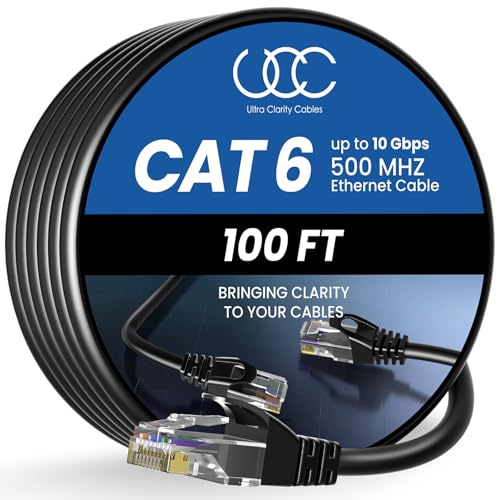


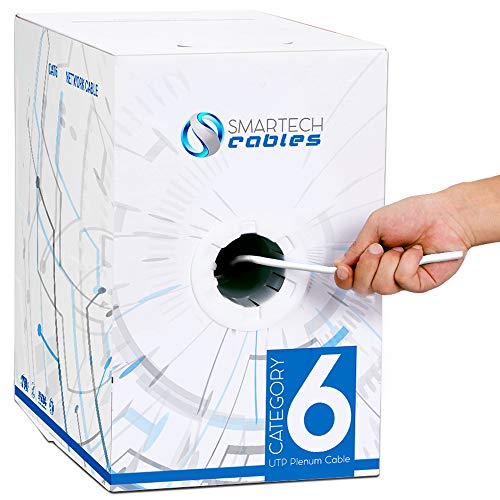
Types of Cat 6 Cable for Security Cameras Compared
Cat 6 cable comes in three forms that matter for camera work, differing mainly in where the run travels and how it ends. If you are still weighing Cat 5e against Cat 6, see our guide to the best cat cable for security cameras before you settle on a category.
Unshielded Indoor Cable for Attics, Walls and Ceilings
Unshielded twisted pair cable, often marked UTP, is the standard choice for runs inside homes and small offices. It is flexible, affordable at about 10 to 20 cents per foot in bulk, and easy to terminate. It suits cameras under eaves or on interior walls where the cable stays dry. Skip it outdoors, because a standard indoor jacket turns brittle in sun and takes on moisture.
Shielded Cable for Runs Near Power and Interference
Shielded cable wraps the pairs in foil, and sometimes a braid, to block electrical noise from motors, fluorescent lighting and nearby power circuits. It costs more, often about 25 to 45 cents per foot, and its connectors and grounding take more care. Choose it for garages, workshops and commercial ceilings where runs travel beside electrical conduit.
Direct Burial and Outdoor Rated Cable for Yard Runs
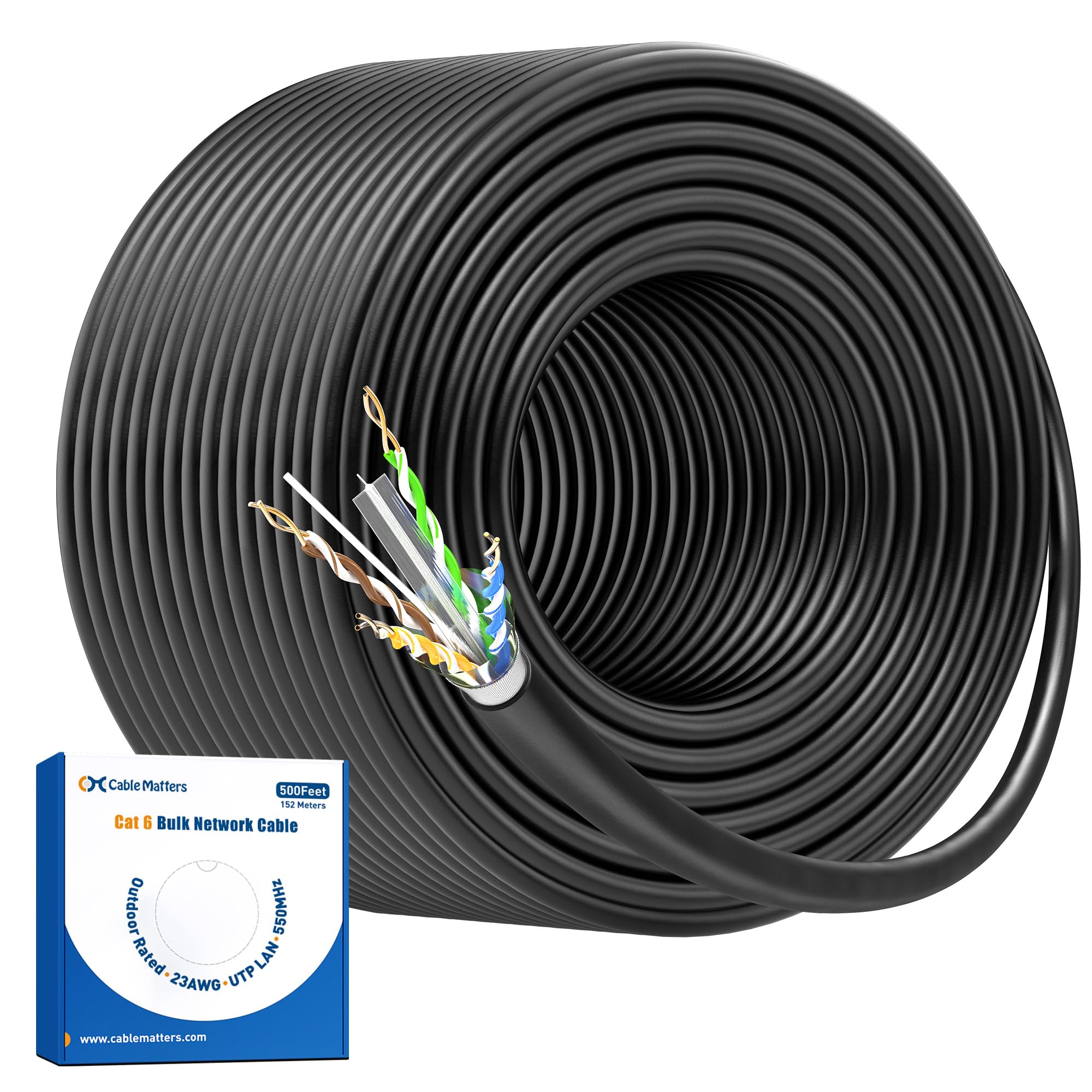
Outdoor rated cable uses a tough polyethylene jacket that resists sun and moisture, while direct burial versions add gel or a water blocking layer inside. Expect about 20 to 40 cents per foot. This is the type for cameras on fences, detached garages and outbuildings, where the run crosses soil or sits in conduit underground.
Key Features to Compare in Cat 6 Cables for Security Cameras
Six factors separate a dependable camera run from a troublesome one. For the wider picture across cable categories, see our guide to the best cable for security cameras for the other wiring styles cameras can use.
Solid Bare Copper Conductors, Not Copper Clad Aluminum
Each Cat 6 pair should be solid bare copper. Copper clad aluminum, sold as CCA, has an aluminum core with a thin copper skin, and it resists current more strongly. That resistance wastes power as heat, so a distant camera receives less voltage than the switch sends. CCA also turns brittle and can crack at punch down contacts. Pure copper is the safe choice for power carrying runs, and the price gap is small beside the cost of redoing a run.
Conductor Gauge, Bandwidth and PoE Reach
Most quality Cat 6 cable uses 23 AWG conductors, thicker than the 24 AWG in cheaper cable, and thicker copper carries PoE power with less voltage drop. Cat 6 is rated at 250 MHz, supports Gigabit speeds to the full 328 feet and can carry 10 Gigabit over about 180 feet. Standard PoE delivers about 15 watts and PoE plus about 30 watts, enough for fixed cameras and most pan tilt zoom models with heaters. Plan every run at 328 feet or less, patch cords included.
Jacket Rating Matched to the Route
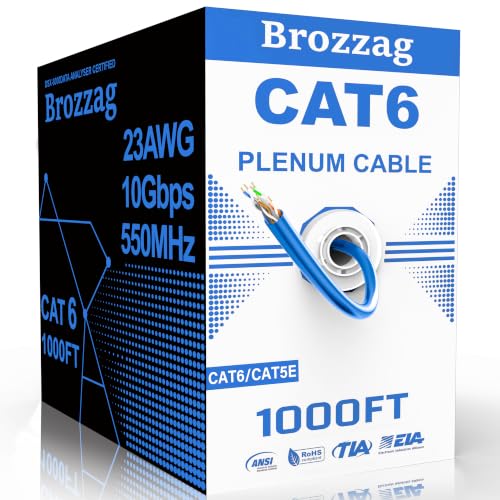
The letters printed on the jacket tell you where the cable may legally and safely run. CM and CMR riser ratings cover most in wall and between floor runs in a house. CMP plenum cable is required inside air handling spaces in many commercial buildings, and local codes decide, so check yours first. A correct rating matters because an inspector can require a wrong jacket to be removed, while sun and moisture destroy an indoor jacket outdoors.
Shielding and Correct Grounding
Shielding only helps when the whole channel is shielded and grounded at one end through the patch panel or switch hardware. A foil shield drains noise away, but shielded cable in unshielded jacks leaves the foil floating, and a floating shield can collect noise instead of removing it. Match shielded cable with shielded connectors, keystones and a grounded panel, or save money and use unshielded cable. Mixed parts are the most common reason shielded installs disappoint.
Bulk Spools Versus Ready Made Patch Cables
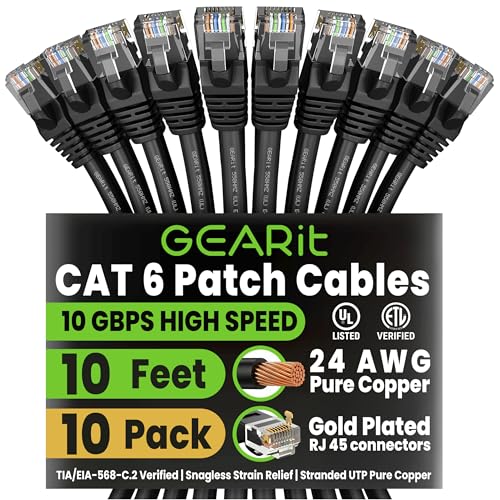
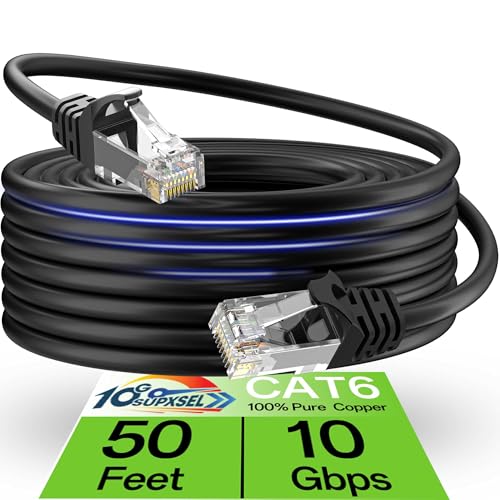
Bulk cable on a 500 or 1000 foot spool suits custom lengths, and you terminate each end with pass through RJ45 plugs or keystone jacks. Ready made patch cables use stranded conductors, which flex well but lose more signal and power over distance, so keep them short. A hybrid plan works well for most homes: solid bulk cable for the long fixed runs, short stranded patch cords for the final connections. If your runs also feed computers, see our guide to the best cat 6 ethernet cables for general network picks.
Connectors, Boots and Bend Radius
Use RJ45 plugs rated for Cat 6 and matched to solid conductors, because plugs made for stranded wire grip differently and can work loose. Keep bends gentle, at a radius of at least four times the cable diameter, since a kink crushes the pairs and raises crosstalk there. Outdoor connections belong inside a junction box or weatherproof housing, never on a bare wall where rain can reach the contacts.
Shielded or Unshielded Cat 6 Cable: Which Fits Your Camera Run?
For most houses, unshielded solid copper cable is the best cat 6 cable for security cameras, because indoor routes are short, dry and far from heavy electrical loads. Move to shielded cable when a run passes near power circuits for a long stretch, crosses a workshop with motors, or serves a metal building where interference is a known problem. For Ethernet options beyond Cat 6, see our guide to the best ethernet cable for security cameras.
Common Mistakes to Avoid
- Buying copper clad aluminum cable to save money leaves distant cameras underpowered and prone to random restarts.
- Running indoor rated cable outside lets sun and moisture crack the jacket and corrode the conductors.
- Planning a run past 328 feet breaks the Ethernet limit and causes drops that no switch setting can fix.
- Using shielded cable with unshielded jacks leaves the foil ungrounded and can make interference worse.
- Pulling cable hard around tight corners crushes the pairs and permanently raises crosstalk on that run.
- Skipping a test of each run before mounting cameras hides wiring errors until every camera is already in place.
Care and Maintenance for Cat 6 Camera Cable
Label both ends of every run with the camera location, and keep a simple map with your switch or recorder. Labels turn a later fault into a ten minute check instead of an afternoon of tracing. Store spare cable coiled loosely in a dry place away from sun, because tight coils and heat age the jacket.
Once a year, look over exposed outdoor sections for cracks, chew marks and sagging spans, and check that junction boxes are still sealed. If one camera begins dropping while others stay stable, swap its patch cord first, because the short flexible cords wear out long before the fixed runs do.
Frequently Asked Questions
What features matter most when choosing a Cat 6 cable for security cameras?
Pure copper conductors, the correct jacket for the route and a run length within 328 feet matter most. One point buyers often miss is the listing printed on the jacket, which confirms the cable passed the fire and performance tests its rating claims. Unlisted cable with impressive box claims is a gamble, and the savings vanish if a failure forces a replacement run.
How long can a Cat 6 cable run be for a PoE security camera?
A single run can reach 328 feet in total, and that budget includes the patch cords at both ends, not only the cable inside the walls. Leave margin by planning fixed runs near 290 feet, because a service loop at the camera and a coil at the switch both consume length. For a camera beyond that distance, add a PoE extender or a small switch partway along the route.
Can a Cat 6 cable for security cameras be buried in the ground?
Yes, but only cable rated for direct burial, with a water blocking gel or tape inside the jacket. Bury it about 18 to 24 inches deep where local codes allow, and check those codes first, because depth and conduit rules vary by area. Lay a pull string beside the cable in conduit, and you can add or replace a run later without digging the trench again.
Can one Cat 6 cable carry both power and video to a security camera?
Yes, Power over Ethernet sends power and data on the same cable, which is why one run per camera is enough. The camera and the switch or injector must agree on the same PoE standard, so check the wattage a model with a heater or strong infrared light needs on cold nights. Those accessories draw the most power when you need the camera most, and an undersized supply shows up as a camera that works by day and fails after dark.
Should I run a spare Cat 6 cable to each security camera position?
Yes, a spare run is cheap insurance while walls and trenches are open. Cable costs little beside labour, and a second line lets you add a camera or replace a damaged run without opening finished surfaces. Cap the unused ends, coil them neatly inside the box and note them on your cable map.
The Bottom Line
Match the jacket to the route, insist on solid bare copper and keep every run within the length limit, and the cable will outlast the cameras it feeds. Use the product table above to compare types against those three points. When you choose the best cat 6 cable for security cameras for your building, you wire once and avoid the higher cost of pulling failed runs out of walls and trenches later.