
Best Casual Tennis Shoes 2026: What Actually Matters
Disclosure: We may earn a commission when you buy through links on this page, at no extra cost to you. As an Amazon Associate I earn from qualifying purchases. Learn more

Casual tennis shoes for court and street? Compare fit, lateral support, cushioning, and outsoles so you pick a pair that handles both well on every outing.
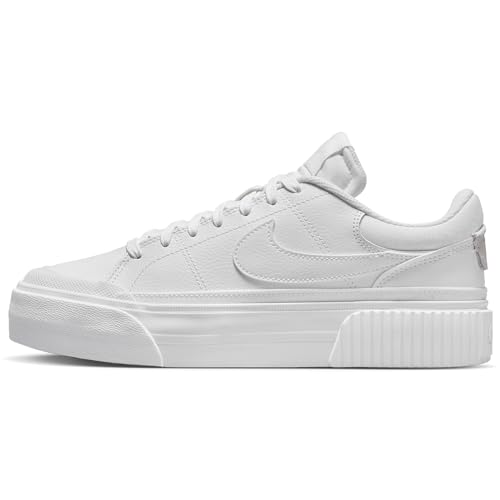
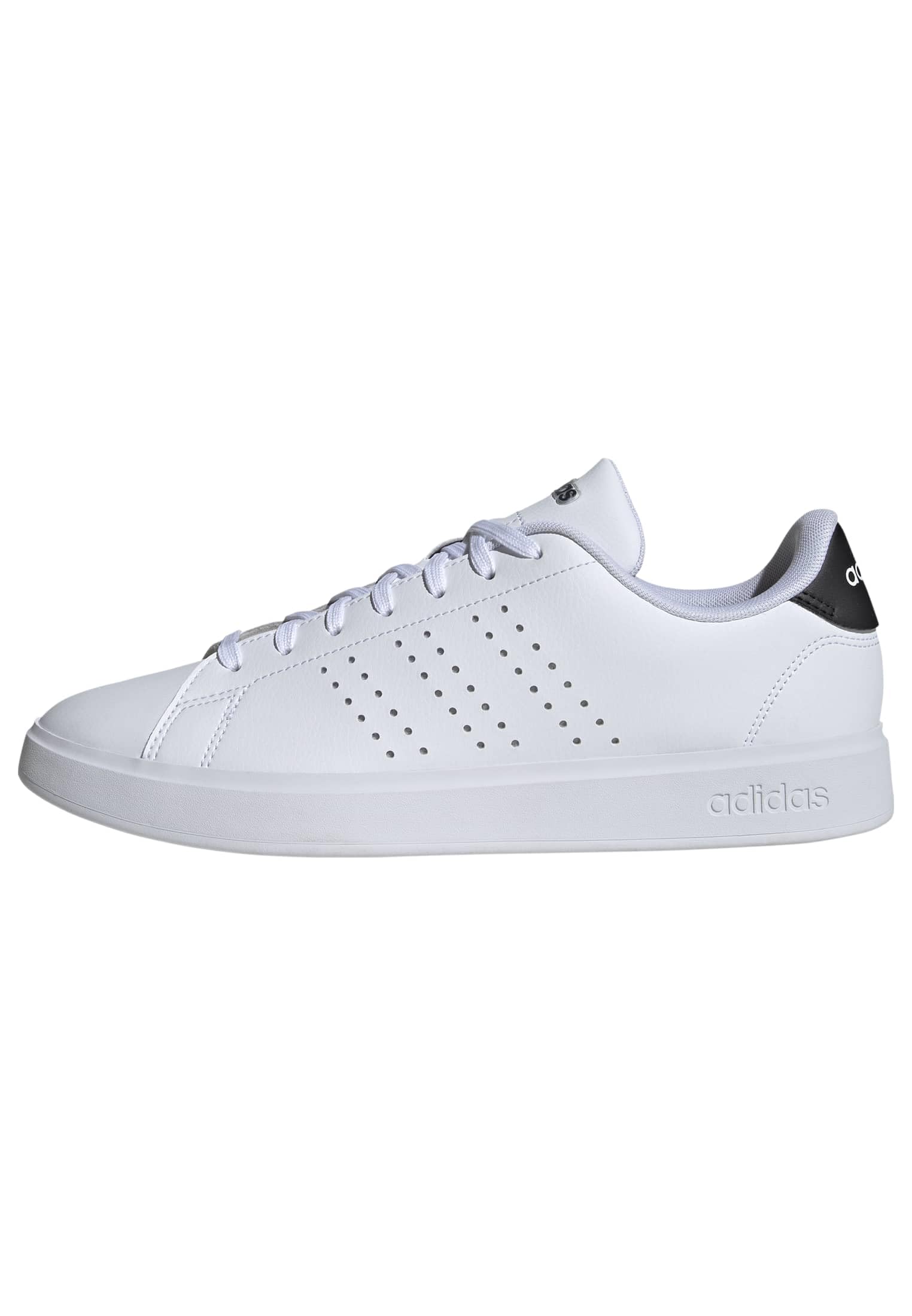
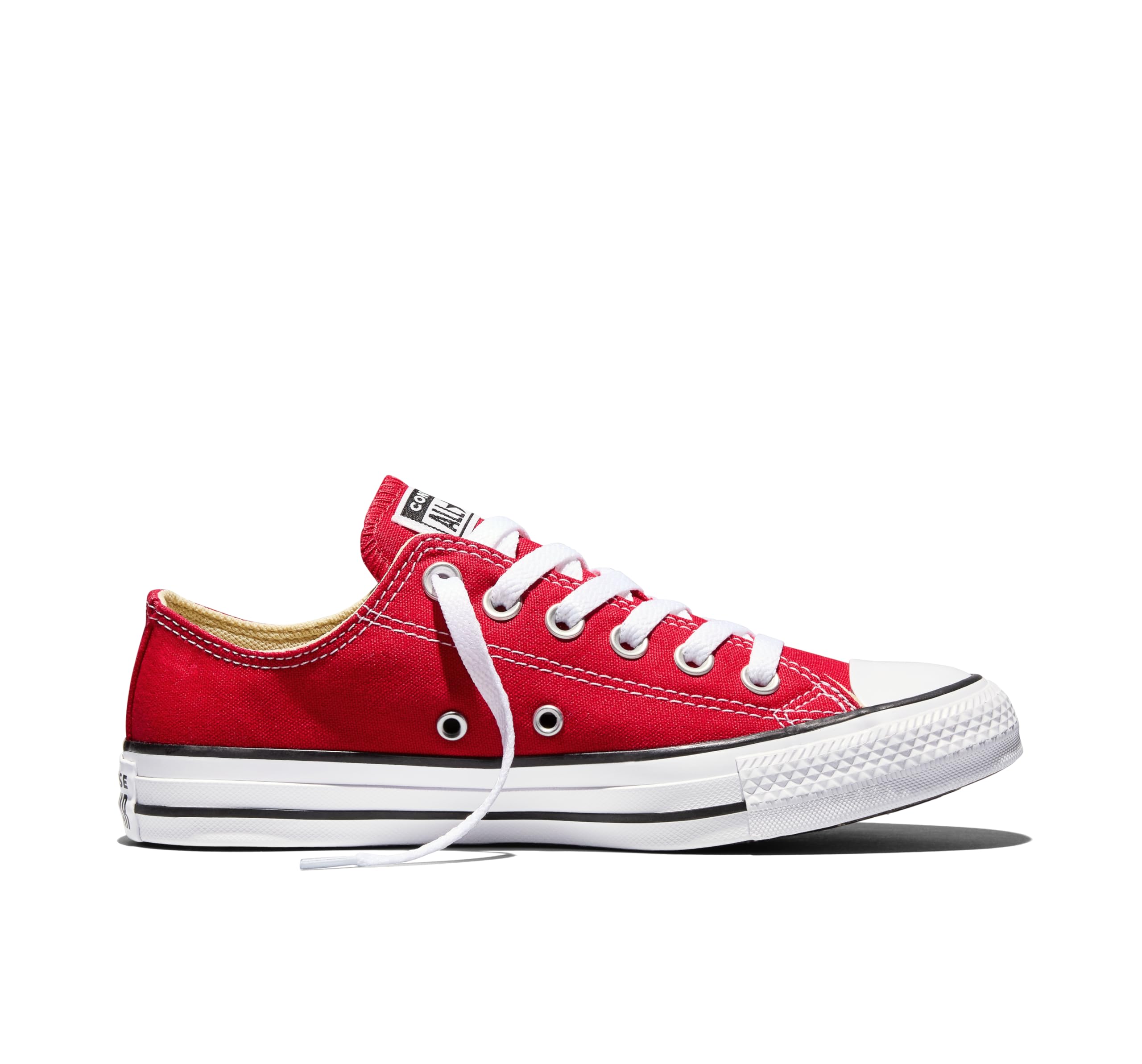
Tennis shoes look like ordinary sneakers, but they are built for side to side movement that most shoes handle poorly. When you choose best casual tennis shoes, you want lateral support for the court plus comfort and style for daily wear. The comparison table below shows how court focused and casual focused models differ, so you can pick the balance that suits you.
A useful checklist keeps the decision grounded. Fit, cushioning, lateral stability, outsole grip, and upper durability each matter, and no single pair leads on every factor. This guide explains each one in plain terms and helps you judge any pair, whether you play weekly or wear tennis shoes mostly off court.






Fit, Sizing, and Toe Box
Tennis shoes should fit snugly through the midfoot with a thumb width of toe space, since loose shoes let your foot slide during lateral cuts. Measure your feet in the afternoon, wear your court socks, and test with side steps indoors, not just straight walking. A secure heel and a roomy toe box together prevent blisters and black toenails.
Width options matter more in tennis shoes than in running shoes, because lateral movement stresses the sides of the shoe. If your foot spills over the midsole edge, size up in width rather than length. A shoe that contains your foot properly feels stable during quick direction changes and lasts longer at the upper.
Cushioning and Support
Cushioning in tennis shoes must absorb impact from jumps and split steps without feeling unstable. Foam midsoles are standard, and firmer foams suit heavier players and frequent play, while softer foams suit casual wear and lighter use. Arch support and foot type also matter: flat feet often suit stability designs, while high arches often suit neutral cushioning.
Support comes from the midsole shape, the heel counter, and the shank that stiffens the midfoot. A sturdy heel counter locks the heel during lateral moves, and a good shank prevents the shoe from twisting too easily. If you have ongoing foot pain, talk with a clinician, since footwear alone cannot correct medical issues.
Lateral Stability and Outsole Grip
Lateral stability is the defining feature of a tennis shoe. A wide base, a low profile, and reinforced sidewalls keep your foot over the sole during cuts, while a high, narrow shoe feels tippy. Drag guards on the toe and medial side protect the areas that wear fastest during slides and serves.
Outsole grip depends on pattern and rubber hardness. Herringbone patterns grip hard courts well, while deeper lugs suit clay or grass. Casual models often use a versatile pattern that works on hard courts and pavements, which is ideal if you wear the shoes off court too. Clean soles regularly, since dust kills grip quickly on indoor courts.
Upper Materials and Breathability
Mesh uppers breathe well and keep feet cool, but they wear faster at the toe drag area. Leather and synthetic overlays add durability and support, yet they feel warmer and need more break in time. Many casual tennis shoes mix the two, using mesh for airflow and overlays for structure at stress points.
Think about where you play and how often. Indoor players can prioritize breathability, while outdoor players need tougher uppers and better sun resistance. A well made upper should feel secure without pinching, and it should flex at the ball of the foot where your foot naturally bends.
Durability and When to Replace
Tennis shoes wear fastest at the outsole, the toe drag guard, and the upper near the flex point. Casual players may get a year or more from a pair, while weekly players often need replacement every 6 to 9 months. Rotate pairs when possible, since rest days let foam recover and moisture escape.
Replace a pair when cushioning feels flat, grip fades after cleaning, or the upper tears near the sole. Playing in worn shoes raises slip risk and ankle strain, so retire them before they fail during a match. Clean with a soft brush and mild soap, and avoid machine washing, which breaks down support structures.
Related Guides Worth Reading Next
If you also run in your tennis shoes, best tennis shoes for running explains which court models handle forward running better than others.
Men seeking fits cut for them can explore best casual tennis shoes for men, which covers men's sizing, widths, and court styles.
Women's fits and styles are covered in best casual tennis shoes women's, which focuses on sizing, widths, and designs made for women's feet.
For everyday styles beyond court shoes, best casual shoes compares casual lace ups and slip ons for daily wear.
Players who care about appearance can browse best looking tennis shoes, which highlights tennis styles that look sharp on and off court.
A Final Check Before You Order
Before ordering, decide how much of your wear is on court versus off court, since that sets the right balance of support and style. Try the shoes with lateral steps, check the return policy for indoor trials, and wear your court socks. A pair that fits well walking may still slide during a cut, so test movement, not just standing.
Prices for casual tennis shoes often run about $70 to $130, with premium court models costing more. Fit and lateral stability matter more than price, so choose the pair that holds your foot securely and grips your court surface. Comfort over a full match is the final test.
Court Etiquette and Shoe Care
Court etiquette starts with clean, non marking soles, since dark or dirty soles can scuff court surfaces and draw complaints from clubs. Wipe soles before stepping on court, and avoid wearing court shoes to the parking lot beforehand, since grit picked up outside grinds into the surface. Many clubs require proper court shoes, so check the rules before your first visit.
Off court habits matter too. Change out of court shoes after play when possible, since wearing them for errands wears the outsole on pavement and shortens court life. Keep a pair of casual shoes in your bag for the trip home, and let court shoes air out before storing them. This habit alone can add months to a pair.
Finally, respect shared courts by brushing the surface when required and reporting damage rather than ignoring it. Good habits keep courts in shape for everyone and keep your shoes performing as designed. A little care after each session protects both the court and your investment.
Frequently Asked Questions
Can I wear casual tennis shoes for running?
For short, easy runs they work, but they are not ideal for regular running, since they are heavier and built for lateral movement rather than forward motion. Running shoes cushion heel strikes and roll forward more efficiently. If you run often, keep a dedicated running pair and use tennis shoes for court play and daily wear. Occasional jogs in tennis shoes are fine for most people.
What makes a tennis shoe different from a sneaker?
Tennis shoes are built for side to side movement, with wide bases, reinforced sidewalls, lateral support, and drag guards that protect high wear areas. Ordinary sneakers prioritize forward comfort and style, with less lateral structure. That difference matters during quick cuts and slides, where a regular sneaker lets the foot roll over the sole edge. For court play, a tennis specific design is safer and more durable.
How should tennis shoes fit?
They should fit snugly through the midfoot, leave a thumb width of toe space, and hold the heel firmly without slipping. Test with lateral steps indoors, since straight walking will not reveal sliding during cuts. Wear your court socks and fit the larger foot. If the shoe pinches across the forefoot, try a wide fit rather than sizing up in length, which can cause heel slip.
How long do casual tennis shoes last?
Casual players often get a year or more, while weekly players usually need replacement every 6 to 9 months as outsoles and cushioning wear. Toe drag, outsole smoothing, and flattened cushioning are the main signs. Rotate pairs when possible and clean soles regularly to extend life. Replace worn shoes before grip fails during a match, since worn shoes raise slip and ankle strain risk.
Are tennis shoes good for walking all day?
They can be, since their cushioning and support suit long days, but they are heavier than dedicated walking shoes and their lateral stiffness can feel less natural for straight line walking. For mixed days with court time and errands, they work well. For pure walking, a walking shoe with a flexible forefoot and lighter build may feel better. Choose based on how much of your day is actually on court.
Final Thoughts
Casual tennis shoes should hold your foot steady during cuts, grip your court surface, and stay comfortable off court. Use the checklist in this guide to compare pairs, and test lateral movement before you commit. The product table above can help you weigh court focused and casual focused models at a glance.
A pair that fits securely and grips well will make both matches and daily wear more enjoyable. Try a few options, move in them, and let stability and comfort guide the final call. That movement test matters most among best casual tennis shoes.


