Best Casual Tennis Shoes Women's at Every Price: What Your Money Really Gets You for 2026
Disclosure: We may earn a commission when you buy through links on this page, at no extra cost to you. As an Amazon Associate I earn from qualifying purchases. Learn more

Compare the best casual tennis shoes women's at every price point. Learn what you get at budget, midrange, and premium levels and where spending more pays off.
Prices for casual tennis shoes range from under $40 to well over $150, and the listings at both ends use the same cheerful words. Knowing what each tier actually delivers helps you spend where it counts. This guide to the best casual tennis shoes women's breaks down budget, midrange, and premium levels, then shows which features are worth paying for and which ones you can safely skip.
You will find the comparison table below for a quick view across prices. Read the tier sections first if you are still setting a budget, since a clear budget makes every later choice simpler. Fit stays non negotiable at every price, so we return to sizing in each tier.



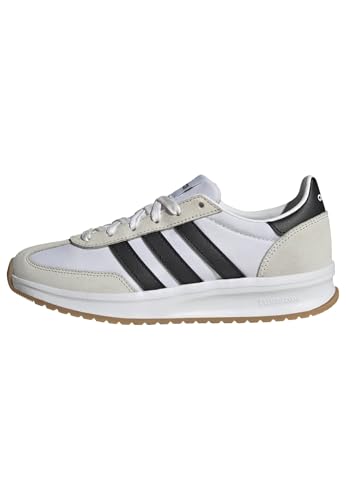

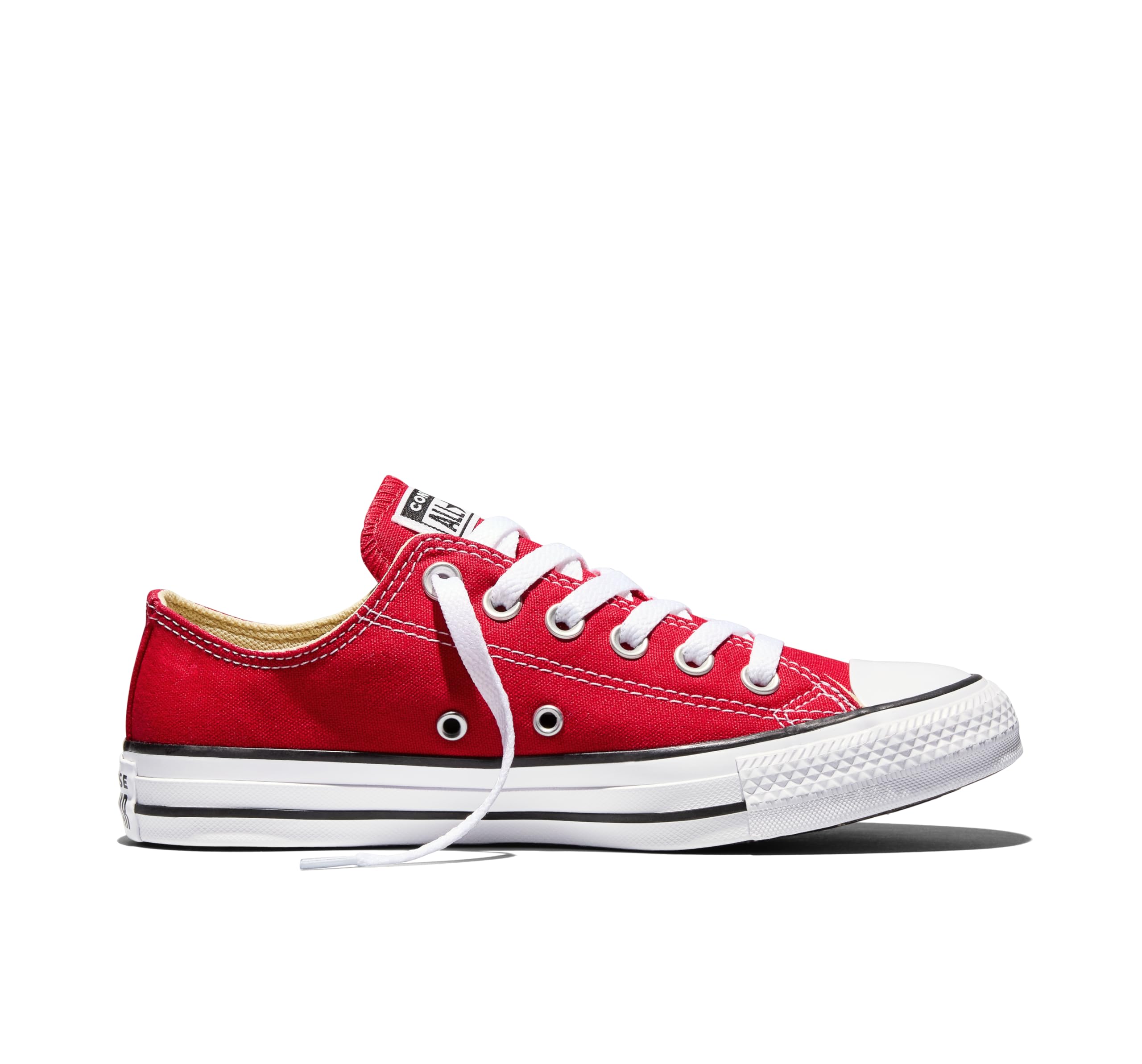


Three Budget Levels Explained
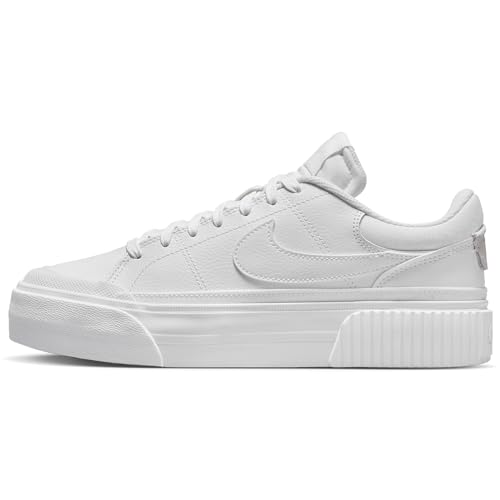
Rather than naming specific models, this section describes what a strong option looks like at each level. Use it to judge any pair in the product table above: a fair budget pair should still pass the fit tests, while a premium pair should justify its price with materials and construction you can point to.
Budget Level: What a Fair Pair Delivers
A fair budget pair, usually around $40 to $65, gives you a clean court inspired shape, basic foam cushioning, and a synthetic or knit upper that feels comfortable right away. It suits errands, casual office days, and light walking. The limits are lifespan and support: outsoles may use more foam and less rubber, and cushioning can feel flat sooner under daily use. Buy at this level for a second pair, a trend color, or occasional wear, and check the return policy so you can confirm fit at home.
Midrange Level: What Most Buyers Should Expect
A strong midrange pair, usually around $65 to $110, adds a fuller rubber outsole, better shaped cushioning, and uppers in nicer knit, leather blends, or suede blends with cleaner finishing. Support improves for longer walking days, and sizing and width choices are often broader. This level suits daily wear, commuting, and travel where one pair must do almost everything. For most women, this is the tier where comfort per dollar peaks, because the gains over budget pairs are easy to feel on a long day.
Premium Level: What the Extra Money Buys
A premium pair, usually around $110 to $160 or more, should offer full grain or high grade leather or advanced knit, refined cushioning that stays responsive longer, and construction details such as stitched reinforcements and padded collars. You also pay for cleaner styling that pairs with dressier outfits. The limit is value: if your routine is light, the extra durability and finish may never show. Buy premium when you wear one pair hard, want a polished look, or have fit needs that cheaper lasts do not meet.
Features Worth Paying For (and Ones to Skip)
Not every upgrade changes how a shoe feels. The features below are the ones readers ask about most, with a plain verdict on when each is worth money and when you can let it go.
Upper Materials and Breathability
Paying for a better upper is usually worth it. Leather and leather blends resist scuffs, clean easily, and look right with more outfits, while quality knit breathes better and needs no break in. At budget levels, check knit density and heel structure, since loose knit can stretch out and let the foot slide.
Breathability matters most in warm climates and for women whose feet run warm; in cooler places, a leather upper often serves more months of the year. Our guide to the best casual tennis shoes compares upper styles across price levels.
Weight and Flexibility
A lighter shoe is worth paying for if you travel often or walk long distances, since small weight savings add up across thousands of steps. Flexibility should stay natural, bending at the ball of the foot rather than folding at the arch. Skip ultra light designs that achieve their weight by removing outsole rubber or heel structure, because you trade away grip and stability. In store, twist the shoe gently: mild resistance is a good sign, while a shoe that wrings like a cloth is too soft for daily support.
Fit, Sizing, and Toe Box
Fit is worth your time at every price. Women should measure in the afternoon and expect about a thumb width beyond the longest toe, with the toe box wide enough for toes to lie flat. Many women find women specific lasts, shaped with a narrower heel and roomier forefoot, more secure than scaled down unisex shapes.
If you have used court shoes for actual play, our guide to the best women's tennis court shoes explains how play fit differs from casual fit. Between sizes, choose the larger pair for walking heavy routines.
What Women Should Look For
Women should look for honest width options, a heel that grips without rubbing, and cushioning placed for a lighter average body weight and a different stride than men typically have. Arch placement matters too, since an arch that sits too far back will feel like a lump. Neutral shoes suit most casual wearers, while women who notice shoes wearing heavily on the inner edge may prefer a touch more stability. If you also shop the men range for fit reasons, our guide to the best casual tennis shoes for men helps you compare shapes across ranges.
Long Term Costs to Factor In
The purchase price is only part of the cost. Insoles may need replacing after six to twelve months of daily use, and leather pairs benefit from an occasional conditioner that costs a few dollars a year. Replacement timing drives the real total: a midrange pair lasting two seasons can cost less per wear than a budget pair replaced twice in that span.
Warranty and return terms also carry value, especially for premium pairs. Finally, factor in a second pair for rotation if you wear this style daily, since rotation extends the life of both pairs. Women who dress this style up for work may also compare options in our guide to the best business casual shoes women's.
Casual Tennis Shoes: Your Questions Answered
What makes casual tennis shoes for women different?
Women specific pairs use lasts shaped for a narrower heel, a shaped arch position, and a forefoot that reflects women's foot proportions. Cushioning is often tuned for lighter average weight, and sizing runs in women ranges with width options. The casual part matters too: soles and uppers are tuned for streets and social wear rather than hard court stops. If you play serious tennis, a court model will support lateral moves better than any casual pair at any price.
How often should I replace my casual tennis shoes?
Plan on replacing daily wear pairs after about 300 to 500 miles of walking, which for many women means every nine to fifteen months. Signs include smooth tread, cushioning that feels flat by midday, and uppers that no longer hold the heel. Occasional wear pairs can last several years, judged by condition rather than age. Rotating two pairs stretches the timeline, since foam recovers between wears and uppers dry fully.
Can I wear them all day?
Yes, a well fitted midrange or premium pair can handle a full day of commuting, work, and errands for most women. Budget pairs can also manage long days when new, but their cushioning fades sooner. If your day is mostly standing on hard floors, look for a slightly thicker midsole and consider an insole upgrade before blaming the shoe. Pain that builds daily is a fit or support signal worth acting on, not something to push through.
How should casual tennis shoes fit?
They should hold the heel and midfoot securely while leaving about a thumb width in front of your longest toe. Toes should lie flat and spread a little, without pressing the top or sides of the toe box. Try pairs late in the day with your usual socks, and walk on hard floors during the trial. If one foot is larger, fit that foot and use the laces or an insole to fine tune the smaller side.
Do I need waterproof shoes?
Most women do not need waterproof casual tennis shoes. Breathable uppers are more comfortable across more of the year and dry faster after light rain. A waterproof membrane helps if you walk in steady rain often, but low collars still admit water from above, and membranes add warmth.
In wet climates, a practical answer is a leather upper, which sheds light rain well, plus a second pair to rotate while the first dries. Save full waterproofing for boots and trail shoes.
Final Thoughts
Set your tier by how hard you will wear the pair, then protect that budget by refusing to compromise on fit. Midrange serves most women best, premium earns its price under heavy daily use, and budget works for light or short term needs. Compare your finalists in the product table above, and you will choose the best casual tennis shoes women's pair for your money with a clear head. Readers comparing dedicated play options can also see our guide to the best tennis shoes for tennis women's training days.