
Best Casual Tennis Shoes For Men 2026: Buying Guide
Disclosure: We may earn a commission when you buy through links on this page, at no extra cost to you. As an Amazon Associate I earn from qualifying purchases. Learn more

Compare casual tennis shoes for men by court feel, cushioning, fit and style, then pick a pair that works for tennis, walking and everyday wear.
The best casual tennis shoes for men blend a court shoe look with everyday comfort, which makes them useful for light tennis, walking and relaxed days out. The comparison table below shows the main types side by side so you can compare support, cushioning and style.
Before you choose, think about how often you actually play tennis, how far you walk in them and whether you need lateral support for quick side steps. A shoe built for court movement feels different from a walking shoe, even if both look similar.


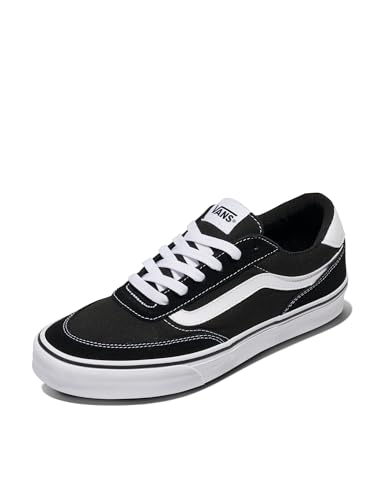


Who Should Buy This Style
Casual tennis shoes suit men who play light tennis, enjoy court style shoes for daily wear, or want one pair for errands and social sport. They also suit men who prefer a low profile shoe that pairs easily with jeans and chinos.
They suit less well for competitive tennis, long distance running or rough trails. Serious players need a dedicated court shoe with stronger lateral support, while runners need a running shoe built for forward motion.
Key Features to Compare
Court Support and Stability
Tennis involves quick side steps, stops and turns, so lateral support matters more than in a walking shoe. Look for a firm heel counter, a stable midsole and an upper that holds your midfoot during side movement. A shoe that rolls easily may feel comfortable walking but unstable on court.
Cushioning and Court Feel
Good cushioning softens landings without hiding the court feel, which helps you move with confidence. A thick soft sole can feel vague during quick changes of direction, while a firmer sole gives better feedback. Balance cushioning with a low, stable feel.
Fit and Width
Measure both feet in the afternoon and choose a width that lets your toes spread without your heel slipping. Court shoes should feel snug in the midfoot and roomy in the toe box. If you wear orthotics, check that the insole removes easily and the shoe still fits well.
Sole and Durability
A durable rubber outsole with a herringbone or similar tread grips hard courts well and lasts longer than a smooth sole. Check the toe drag area, because tennis players wear that spot first. A reinforced toe guard helps if you drag your foot on serves and lunges.
Types Compared
Classic Court Styles
Classic court styles use a leather or synthetic upper with a flat rubber sole and a timeless look. They suit light tennis and everyday wear, and they pair well with casual clothes. They may feel heavier than modern mesh styles on hot days.
Modern Mesh Court Shoes
Mesh court shoes breathe better and feel lighter, which suits warm weather and longer sessions. They still need a stable midsole and lateral support to work on court. They suit players who value airflow and a lighter feel.
Retro Tennis Sneakers
Retro sneakers focus on style and everyday comfort rather than serious court performance. They suit walking, errands and social wear, and they look great with jeans. They offer less lateral support, so keep them for light play only.
Budget and Value
Budget casual tennis shoes usually cost about $50 to $90 and suit light use and everyday wear. Mid range pairs at about $90 to $150 offer better support, stronger soles and more durable uppers. Premium pairs above that range focus on refined materials, better cushioning and longer lasting construction.
Pay for lateral support and sole durability if you play tennis regularly. A mid range court shoe that holds your foot during side steps protects your ankles better than a fashion sneaker. For everyday wear only, comfort and style matter more than court specs.
Setup, Care and Everyday Use
Break court shoes in with short sessions, and keep them for courts and pavements rather than muddy trails. Air them after play, clean the soles, and check the toe and heel wear before they become uneven. Replace the pair when support feels soft or the outsole loses grip.
If you feel ankle pain, sharp foot pain, swelling or numbness that lasts beyond a day, ease back and talk with a clinician. Court shoe advice here is general, and persistent pain deserves professional guidance. Stop playing in a pair that twists or rolls under your foot.
Related Guides Worth Reading
For a closer look at related options, read our guides to best walking tennis shoes for men, best casual shoes for men, best casual dress shoes for men, and best casual shoes for men with jeans.
Common Mistakes to Avoid
One common mistake is playing hard tennis in a fashion sneaker that looks like a court shoe but offers little lateral support. Another mistake is wearing court shoes on rough trails, which wears the sole unevenly and reduces grip on court. Keep court shoes for courts and pavements, and use trail shoes for rough ground.
Do not skip a proper warm up because the shoes feel comfortable, because quick side steps still load ankles and calves. Lace shoes snugly through the midfoot, check heel hold, and replace laces that stretch. A secure fit protects you more than any cushioning claim.
Long Term Value
Long term value comes from outsole durability and lateral stability that lasts beyond the first month. A mid range court shoe with a reinforced toe and a durable outsole often outlasts a cheap fashion pair used for tennis. Check the toe drag area, because that spot wears first for many players.
Keep a second pair for daily walking if you play often, so your court pair keeps its grip and support for play. Rotate pairs, air them after use, and clean soles so tread stays effective on court surfaces.
Frequently Asked Questions
Can I play tennis in casual tennis shoes?
Light social tennis works well in casual tennis shoes, especially if they offer lateral support and a court sole. Competitive play suits a dedicated tennis shoe with stronger support and a more durable outsole. Match the shoe to how hard and how often you play.
Are tennis shoes good for walking?
Many tennis shoes work well for walking, because they offer a stable base and good cushioning. They may feel heavier than a walking shoe on long walks, and they lack the forward roll of a dedicated walker. For daily walking, a walking shoe may feel easier over distance.
How should tennis shoes fit?
Tennis shoes should feel snug in the midfoot, roomy in the toes and secure at the heel during side steps. Measure both feet in the afternoon and try the pair with your usual tennis socks. Walk and sidestep indoors before you commit, and return a pair that pinches.
Do I need a wide tennis shoe?
Wide feet need a wide last, because a longer size alone can still squeeze across the forefoot. Look for wide widths, a roomy toe box and an upper that does not pinch at the little toe. Try the pair late in the day, when your feet are largest.
How long do casual tennis shoes last?
Casual tennis shoes used for light play and daily wear may last a year or more, while frequent court use wears the outsole faster. Check the toe drag area and heel regularly. Replace the pair when grip fades, support softens or the upper tears.
Can I wear tennis shoes for other sports?
Light gym work and casual court games suit many tennis shoes, because they offer lateral support and a stable base. Running, hiking and heavy lifting need specialized shoes, because tennis shoes lack forward running cushioning, trail grip or a flat lifting sole. Match the shoe to the main sport you play.
Final Thoughts
Choose lateral support and fit first, then a style that suits your wardrobe. A pair that holds your foot on court and feels easy off court will earn its place in your rotation.
The product table above summarizes the main tennis shoe types, and the best casual tennis shoes for men for you are the ones that stay stable during side steps and comfortable through the day.


