
Best Casual Watches under 1000 Made Simple: A Clear Buying Guide for 2026
Disclosure: We may earn a commission when you buy through links on this page, at no extra cost to you. As an Amazon Associate I earn from qualifying purchases. Learn more

Learn how the best casual watches under 1000 work in this first time buyer guide to movements, case fit, water resistance, and smart features.
Spending up to $1000 on a first serious watch feels exciting and a little risky. The terms alone can stall you, with talk of movements, crystals, and lug widths. If you are learning how to judge the best casual watches under 1000, this guide starts at zero and builds up step by step.
You will learn what a casual watch is, what the main specs mean in plain English, and which mistakes cost new buyers the most. By the end, the product table below will read like a simple checklist instead of a puzzle.


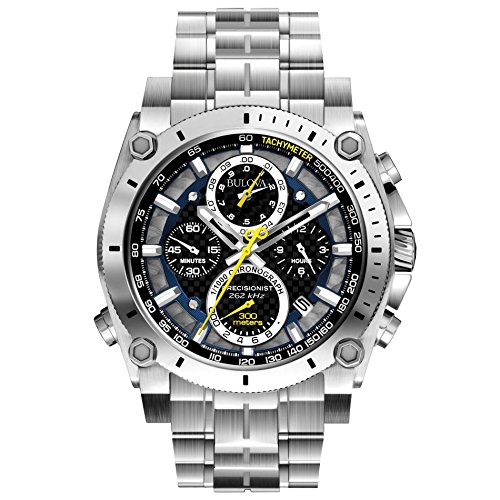
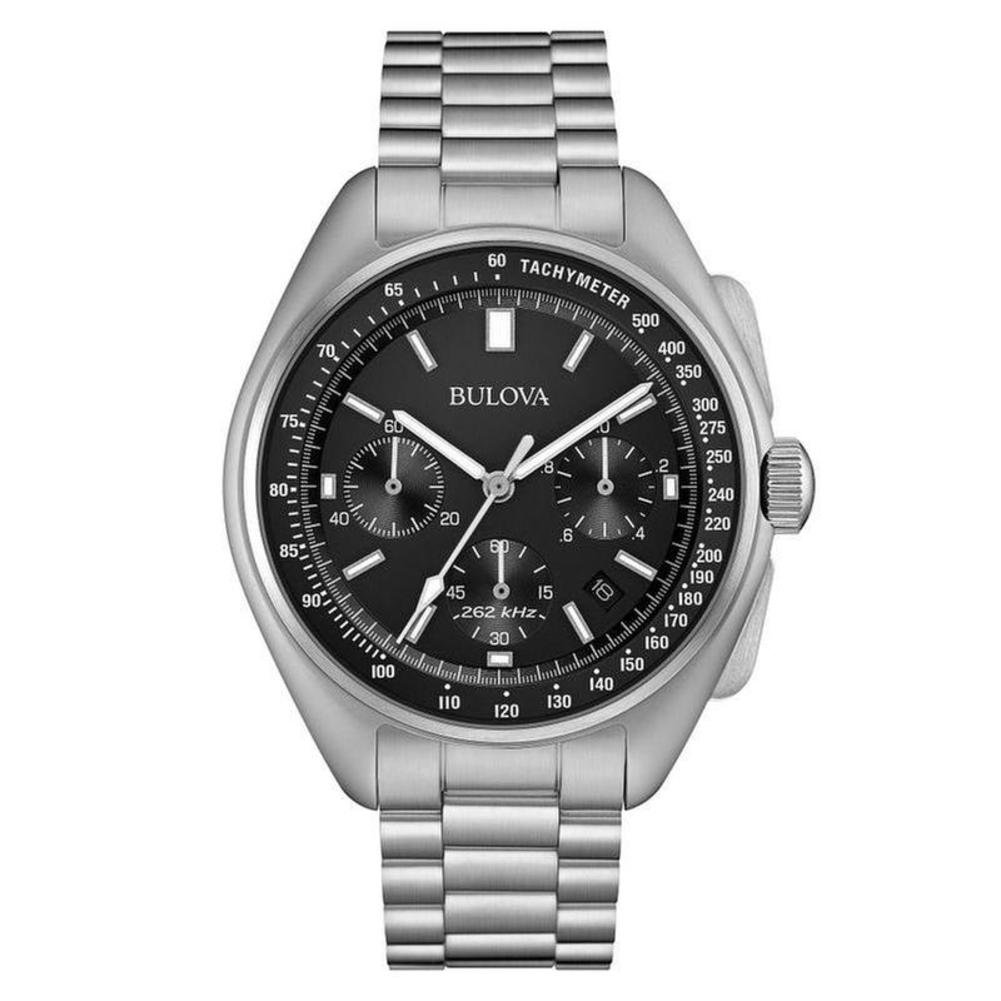
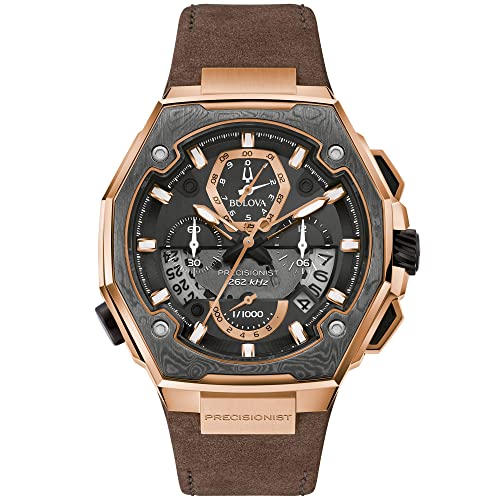

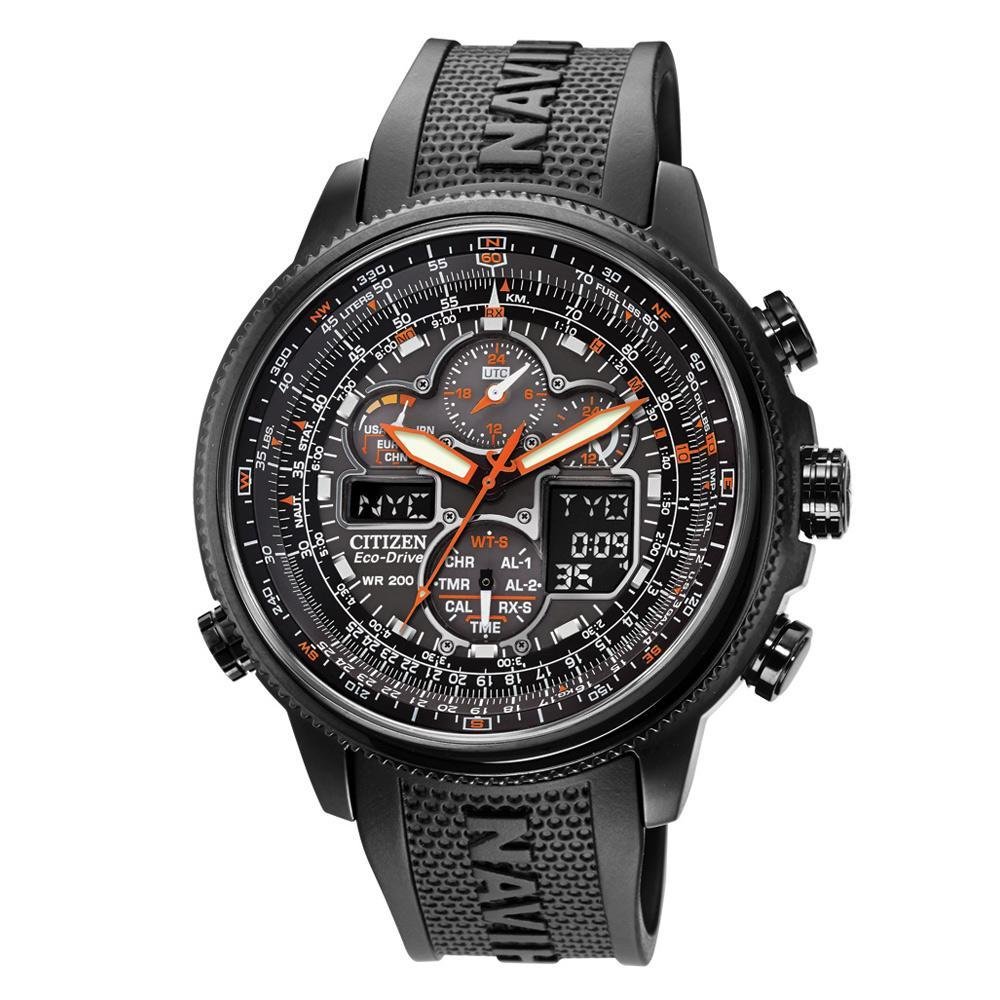
Casual Watches 101: The Basics
A casual watch is the middle ground of watch styles. It is less formal than a thin dress watch and less bulky than a tool watch built for diving or racing. Think clean dials, comfortable straps, and cases that work with jeans, chinos, and most office outfits. Most casual watches tell the time and date, and some add a timer bezel or a second time zone.
Three parts decide how a watch feels and lasts. The movement is the engine inside, the case is the metal shell that protects it, and the crystal is the clear cover over the dial. Under $1000, all three can be genuinely good. You are shopping in the band where real sapphire crystal, proven automatic movement options, and solid steel cases become normal rather than rare treats.
Key Specs Explained in Plain English
Specs sound technical, but each one answers a simple question about comfort, care, or durability. Read them in the order below and you will cover what matters most first.
What You Can Realistically Get Under $1000
This budget buys a lot. Expect a sapphire crystal on many models, a stainless steel case with clean finishing, and water resistance of 100 m on sportier styles. Automatic movements at this level run smoother and keep better rates than bargain mechanical watches. Around $300 to $600 is the sweet middle, where quality jumps most.
Near $1000 you pay for finer dial detail, better bracelets, and stronger brand service networks. What you still should not expect is precious metal cases or complex hand finishing. Spend first on fit and movement quality.
Movement Type (Quartz, Automatic, Solar, Smart)
The movement is what makes the hands move. Quartz uses a battery and a vibrating crystal, keeping time within seconds per month with almost no care. An automatic movement is mechanical and winds from your wrist motion, drifting by a few seconds per day but charming many owners with its smooth sweep.
Solar watches charge from light and blend quartz accuracy with rare battery service. Smart models are tiny computers, great for fitness and alerts, but they need frequent charging and date faster than any traditional movement.
Case Size and Wrist Fit
Case diameter is the width of the watch across the dial, and most casual watches sit between 36 mm and 44 mm. Slim wrists suit 36 mm to 39 mm, average wrists suit 39 mm to 42 mm, and broad wrists can carry 44 mm. Lug to lug length, the full span from strap end to strap end, decides whether the watch overhangs your wrist.
Keep that span shorter than your wrist width. Thickness matters for shirt cuffs too. Around 10 mm to 13 mm is normal here, with quartz often slimmer than automatic.
Water Resistance Rating
This rating tells you how much water pressure the seals are rated to handle. A 30 m watch is splash proof only. A 50 m watch can join you for a quick swim if the crown is closed.
At 100 m, swimming and snorkeling are fair game, and 200 m suits recreational diving. The rating assumes fresh seals and calm water, so heat and soap still argue for care. Have the seals checked every few years if you swim often, and always rinse salt water off with fresh water.
Smart and Fitness Features
Smart casual watches add step counts, heart rate readings, sleep tracking, phone alerts, and GPS for runs and rides. Those tools can motivate real habits, and the data is fine for spotting trends in your week. Treat the health numbers as estimates, not medical readings, and talk with a clinician about any health concern rather than trusting a wrist sensor.
Battery life is the big trade off. Expect a day or two per charge on full smart models, against years of freedom from a quartz watch.
Brand Reputation, Warranty, and Value
A known brand earns its price through service as much as style. Look for a warranty of 2 years or more, US based service options, and spare straps and bracelets that stay available. Established makers also hold value better if you later sell or trade up.
Read the warranty terms for water damage and battery cover, since those details vary. For a first purchase, a brand your local jeweler can service is worth more than a rare name nobody nearby can open.
Rookie Mistakes to Avoid
- Buying by looks alone and ignoring lug to lug length, then finding the watch hangs over your wrist and slides all day.
- Choosing an automatic movement while expecting quartz accuracy, then feeling annoyed by a drift of seconds per day that is actually normal.
- Reading 50 m water resistance as safe for diving, when it only covers splashes and brief, gentle swimming.
- Spending the whole budget on the watch head and leaving nothing for a strap swap, even though a strap change doubles how often a style works.
- Skipping the returns policy on a first watch, when trying the fit at home is the surest way to learn your true size.
For shoppers drawn to water ready styles, our guide to the best dive watches under 1000 explains higher ratings and bezel types in more detail.
Getting Started: Setup and First Use
Your first hour with the watch sets up years of easy wear. Start by setting the time away from the danger zone. On many watches, avoid changing the date between about 9 pm and 3 am, when the date gears are engaged, and use noon based setting steps in the manual instead. Size the bracelet or strap so the watch sits above your wrist bone and you can fit one fingertip under the strap.
For an automatic, wear it daily or give the crown about 20 to 30 gentle turns to start it, knowing a service is due every 5 to 7 years. Rinse after saltwater exposure and dry it fully. If you bought a smart model, charge it fully, update the software, and turn off alerts you do not need, so the battery and your attention both last longer. Keep the box and papers safe, since they matter for warranty claims and resale.
FAQs
Can you get a good casual watch under $1000?
Yes, and this is one of the best budgets in watch buying. You can get a sapphire crystal, a steel case, a proven movement, and real water resistance without paying for luxury branding. Quality rises fast up to about $600 and then improves in smaller steps. A smart way to shop is to list your must haves, fit, movement, and water rating, then let style choose among the watches that clear that bar.
What case size fits my wrist?
Measure your wrist with a tape, then match it to case size and lug to lug length. Under about 6.5 inches, try 36 mm to 39 mm first. Between 6.5 and 7.5 inches, 39 mm to 42 mm usually looks balanced.
Above that, 42 mm to 44 mm wears well. A paper cutout test at home helps more than photos do. If the cutout covers your whole wrist width, go smaller, whatever the trend says.
Is a smartwatch worth it over a classic watch?
It depends on whether you will use the data and alerts every day. A smartwatch earns its place for training plans, busy message days, and contactless payments. A classic watch wins on battery freedom, long life, and a look that never dates.
Many first time buyers at this budget do best with a classic watch as the main piece, since it stays useful for a decade. You can always add a sport tracker later for workouts alone.
How long does a watch battery last?
A quartz battery typically lasts 2 to 3 years, and replacements are cheap and quick at most jewelers. Solar cells recharge in daylight and often run for 10 years or more before losing much capacity. Smartwatch batteries are different, since they need charging every day or two and slowly wear over a few years.
Automatic watches have no battery at all. They trade that freedom for periodic servicing, which keeps the oils fresh and the rate steady.
Quartz or automatic: which is better?
Quartz is better if you value accuracy, slim cases, and low running costs. An automatic is better if the craft of a mechanical movement delights you and you wear the watch most days. Under $1000, automatics are well made enough to be a fair first mechanical watch.
Just budget for service every 5 to 7 years and accept small daily drift. Neither choice is wrong. The wrong choice is buying one while secretly wanting the experience of the other.
Readers comparing the wider field can start with our overview of the best watches under 1000, and those set on mechanical movements can go deeper with the best automatic watches under 1000. Travelers who track two time zones may also like the best gmt watches under 1000.
Wrapping Up
Keep your first purchase simple. Get the fit right, choose the movement that matches your patience for upkeep, and pick water resistance that covers your real life. At this budget you do not need to compromise on crystal or case quality, so save your trade offs for style alone.
The best casual watches under 1000 for you will feel obvious once those basics line up. Check your finalists in the product table above and buy the one you can picture on your wrist every day.


