
Best Casual Shoes for Standing All Day: Everything to Know Before Your First Purchase for 2026
Disclosure: We may earn a commission when you buy through links on this page, at no extra cost to you. As an Amazon Associate I earn from qualifying purchases. Learn more

Shopping for the best casual shoes for standing all day for the first time? Learn the terms, compare options, and avoid rookie mistakes in this guide.
If your job or daily routine keeps you on your feet for eight hours or more, your shoes are working equipment, not an accessory. This first purchase guide explains the best casual shoes for standing all day in plain terms, so you can tell real support from marketing softness. We start with the basics, then decode each spec that decides how your feet feel at hour eight.
Standing is harder on feet than most people expect, because your weight stays on the same pressure points for long stretches. The comparison table below gives you a starting shortlist. The sections that follow show you how to test fit, cushioning, and arch support against your own feet, floor type, and shift length.

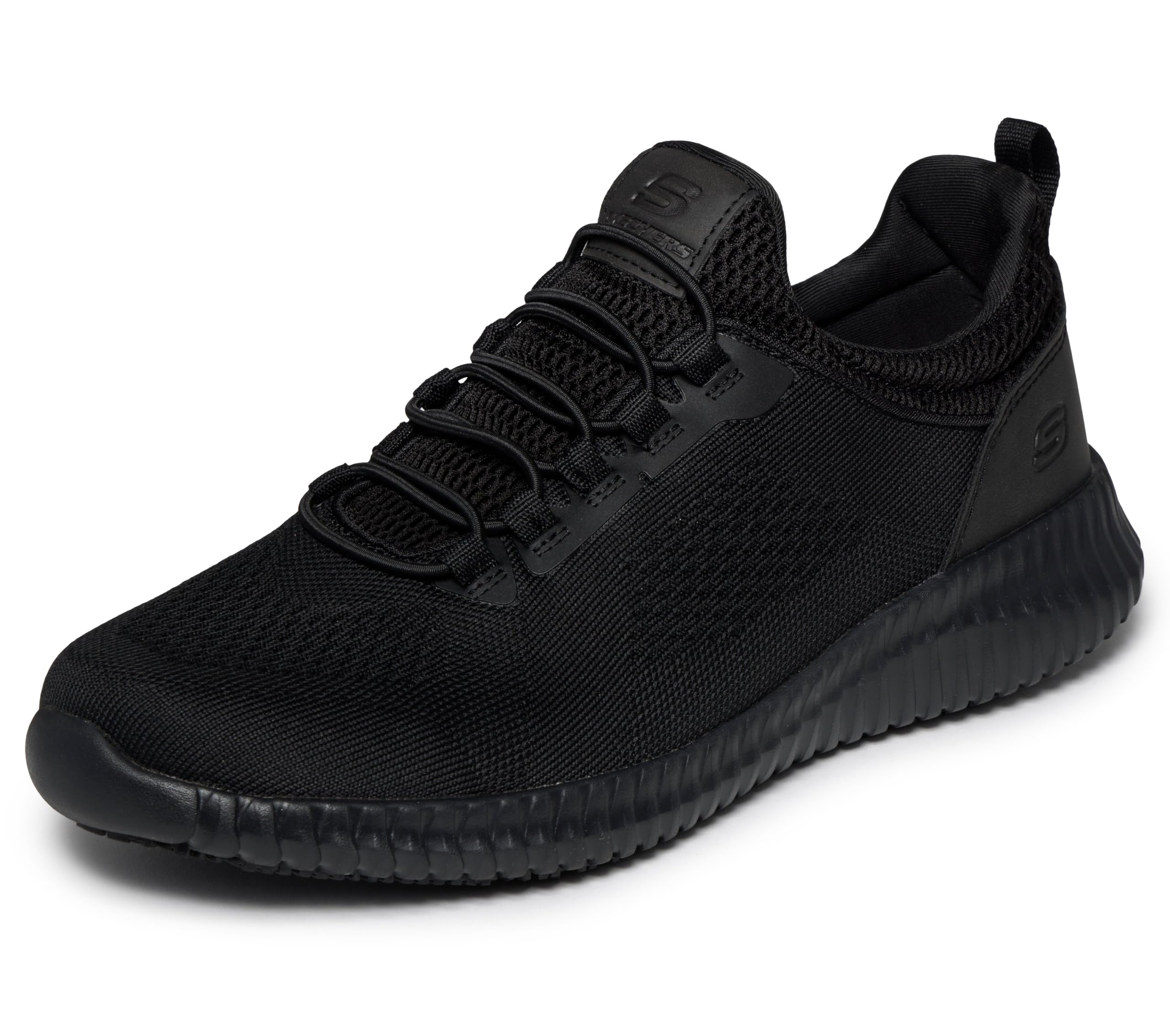


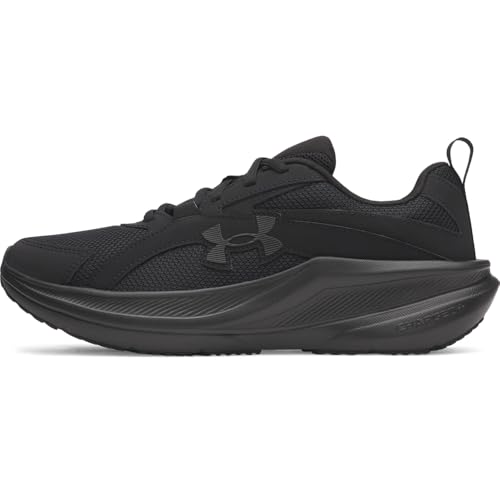

Casual Shoes 101: The Basics
A casual shoe for standing is a closed everyday shoe built around three jobs: spreading your body weight across the whole foot, cushioning the heel and forefoot against hard floors, and holding the foot steady so muscles do less corrective work. It looks like a normal sneaker or casual lace up, but the inside is where the value lives.
Learn four terms and most listings become clear. The insole is the removable layer your foot rests on. The midsole is the cushioning layer beneath it, usually foam.
The outsole is the rubber ground layer that provides grip. Arch support is the shaped rise under your midfoot. When a shoe feels fine in the store but awful by afternoon, the midsole and arch shape are usually the reason, because standing compresses foam slowly over hours rather than minutes.
Key Specs Explained in Plain English
Features That Matter for Standing All Day
Standing all day demands different features from walking or running. You need cushioning that resists bottoming out, meaning it still feels springy after hours of steady pressure, plus a stable base that does not let your ankle wobble on a soft foam stack. A slight heel to toe drop, often around 6 to 10 mm, can ease calf and Achilles strain for many standing workers.
Floors matter too. On concrete or tile, prioritize the thickest supportive midsole you find comfortable. On carpet or mats, a moderate shoe is enough. If your workplace already uses anti fatigue mats, note that a very soft shoe on a very soft mat can feel unstable, so a firmer supportive shoe often pairs better.
Fit, Sizing, and Toe Box
Feet swell during a standing shift, sometimes by half a size. Shop and measure in the late afternoon, ideally after work, and measure both feet. Your longest toe should have about a thumb width of space in front of it, because toes spread and slide slightly during long days.
The toe box should let your toes lie flat and wiggle without the upper pressing down on them. A wide toe box suits many standing workers, especially anyone whose feet swell or who has bunions. Wear your actual work socks when fitting, and walk and stand in the store for several minutes. A shoe that only feels good for the first thirty seconds has told you nothing useful.
Weight and Flexibility
Lighter shoes reduce the effort of every small step and weight shift across a shift, and that adds up over thousands of movements. But the lightest shoes often use thinner midsoles that compress sooner. For pure standing, midsole quality usually beats a small weight saving.
Flexibility should live at the forefoot, where your foot bends when you do walk. The shoe should not fold easily under the arch when you twist it by hand. A stable platform with a flexible front is the combination to look for, because standing needs steadiness first and walking ease second.
Cushioning and Support
Cushioning and support are not the same thing. Cushioning absorbs impact and pressure; support shapes how your foot carries load. Very soft foam alone can feel wonderful for an hour and then leave your feet aching, because your muscles work constantly to stabilize on it. A balanced shoe pairs responsive cushioning with a shaped footbed.
Think about stability versus neutral designs. Stability shoes add firmer support on the inner side and suit feet that roll inward. Neutral shoes suit feet that stay aligned.
If you do not know your type, a neutral shoe with a good removable insole is a flexible start, because you can add a supportive insole later without replacing the whole shoe. Our guide to the best shoes to wear for standing all day compares these support styles in more depth.
Durability and Expected Lifespan
Standing compresses a midsole even without high mileage. As a rough guide drawn from running shoe life, foam cushioning often feels tired after about 300 to 500 miles of use, and a full time standing worker can reach the same wear in roughly six to twelve months. The shoe may look fine while the cushioning is quietly spent.
Quick tip: press your thumb into the midsole at the heel each month. Fresh foam springs back; tired foam feels dead and stays dented. Also watch the outsole: a worn smooth heel area changes how you stand and can add knee and back strain. Rotating two pairs on alternate days lets foam recover between shifts and extends the useful life of both.
Arch Support and Foot Type
Flat feet, average arches, and high arches load a shoe differently. Flat feet often need firmer arch support and stability to limit inward rolling. High arches often need more cushioning, because a rigid high arch absorbs shock poorly on its own. Average arches have the widest choice and usually do well with moderate shaped support.
A simple home check is the wet footprint test: a full, wide print suggests a flatter foot, while a print with a narrow connecting band suggests a higher arch. Treat it as a rough guide only. Ongoing heel pain, numbness, swelling that does not fade overnight, or pain that changes how you walk are warning signs to see a doctor or podiatrist rather than simply buying another shoe. Readers whose dress code is stricter can apply the same arch checks to the options in our guide to the best business casual shoes for standing all day.
Rookie Mistakes to Avoid
- Buying the softest shoe in the store. Softness without support collapses over a long shift and leaves muscles doing the work.
- Sizing for morning feet. Shoes fitted on fresh morning feet often pinch swollen evening feet by the end of a shift.
- Keeping shoes past their cushioning life. A clean upper can hide a dead midsole that is already straining your knees and back.
- Ignoring the outsole. Smooth or worn soles on wet kitchen, hospital, or retail floors are a slip risk, not a minor flaw.
- Expecting shoes to fix everything. Socks, insoles, mats, and short movement breaks all share the load with your shoes.
Getting Started: Setup and First Use
When your shoes arrive, wear them at home for an evening first, standing in the kitchen rather than only walking around. Check that your heel stays put, your toes stay clear of the front, and no seam presses on a bone. Keep the box until you have done a short trial shift, since many sellers accept lightly worn indoor returns but not a full week of work wear.
Build up over three or four shifts if the support shape is new to your feet, because firmer arch support can feel odd for the first days. Pair the shoes with cushioned work socks, and lace them firmly at the top eyelets to stop heel slip. After wet days, air dry the shoes away from direct heat, pull the insoles out, and rotate to your second pair if you have one.
Frequently Asked Questions
What features matter most in casual shoes for standing all day?
Cushioning that resists bottoming out, shaped arch support, and a stable fit matter most in casual shoes for standing all day. Together they spread pressure and reduce the constant small corrections your feet and legs make on hard floors. One feature buyers overlook is insole quality: a dense, shaped insole adds support that a flat foam liner cannot, and it is the cheapest part to upgrade later.
Are expensive casual shoes for standing worth it?
Expensive casual shoes are worth it when the price buys a durable midsole, a shaped insole, and a grippy outsole, which is commonly the case around $100 to $180. Below that range you can still find good shoes, but cushioning tends to tire faster. Above it, you mostly pay for leather uppers and looks. For full time standing work, cost per month of comfortable use favors the mid range strongly.
Can I wear casual standing shoes all day, every day?
Yes, a well fitted pair is built for all day wear, but wearing the same pair every single day shortens its life and can irritate your feet. Foam needs about a day to recover between long shifts, so rotating two pairs keeps cushioning livelier and lets each pair dry fully. If you can only own one pair, at least remove the insoles overnight to air them out.
How often should I replace my casual shoes for standing?
Replace casual shoes for standing every six to twelve months of full time use, or sooner if the midsole feels flat and your feet tire faster than they used to. Looks mislead here: uppers often outlast cushioning by months. A useful test is the new shoe comparison: stand in a fresh pair of the same style, and if the difference is dramatic, your old pair is finished.
Do I need waterproof casual shoes for standing all day?
You need waterproof casual shoes only if your work involves wet floors, outdoor time, or frequent spills. A water resistant upper handles splashes and light rain while breathing better, which most indoor workers will prefer. Note that waterproof membranes such as Gore Tex make a shoe warmer, so in a hot kitchen or summer retail floor that trade off can leave feet sweaty and more prone to blisters.
The Bottom Line
Fit swollen feet first, choose cushioning with real support second, and plan to replace the pair before the foam dies third. Follow those three rules and compare finalists in the product table above, and the best casual shoes for standing all day for your shift will stand out quickly. If your day mixes standing with long walks, our guide to the best shoes for standing walking all day covers that blend, and court sport players may prefer our guide to the best tennis shoes for standing all day. Talk with your clinician about personal needs if foot pain persists, because shoes should support a healthy routine, not mask a problem.


