
Best Casual Slippers for 2026: Types Compared and How to Choose
Disclosure: We may earn a commission when you buy through links on this page, at no extra cost to you. As an Amazon Associate I earn from qualifying purchases. Learn more

Compare every type of casual slipper side by side to find the best casual slippers for your floors, climate, and budget before you order.
Slipper listings mix indoor moccasins, sturdy outdoor capable styles, open sandals, and plush booties under one label, which makes choosing harder than it should be. The right choice depends on your floors, your climate, and whether you step outside in them. This guide compares each type clearly so you can pick best casual slippers that match your home routine, not just the softest photo.
The product table below lists current options. Use the sections that follow to understand what each type does well, where it falls short, and which features are worth paying for.

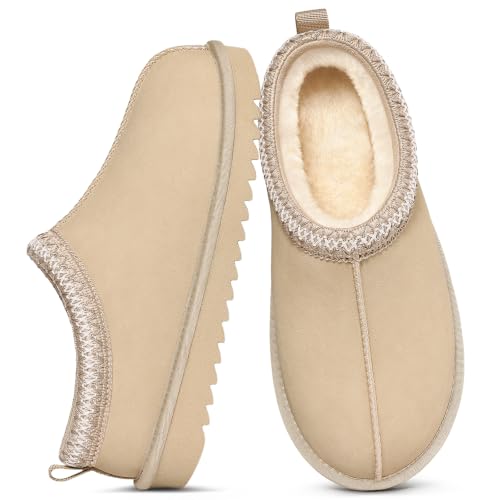


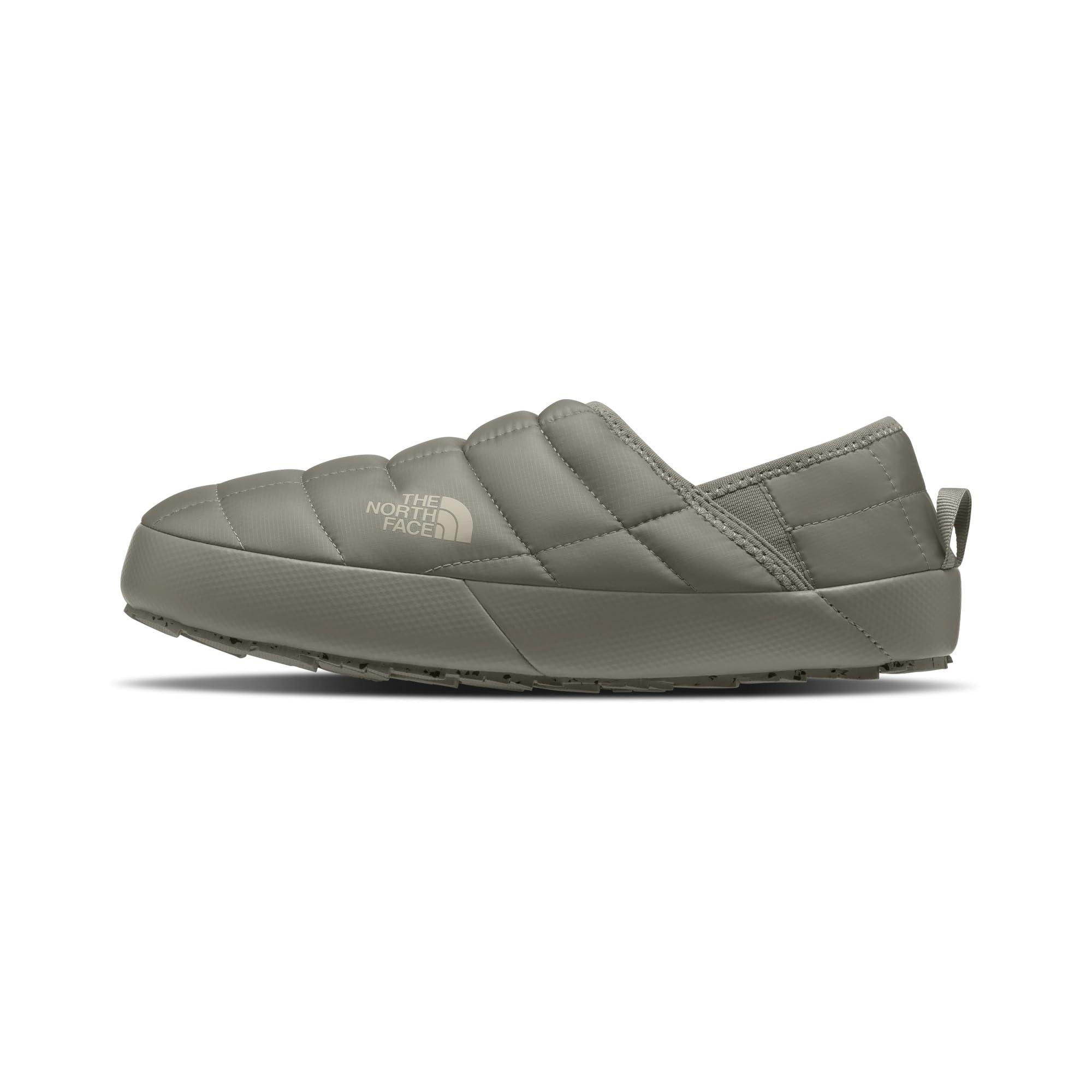
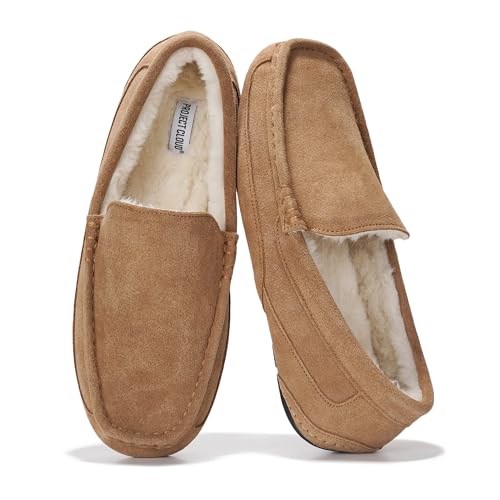
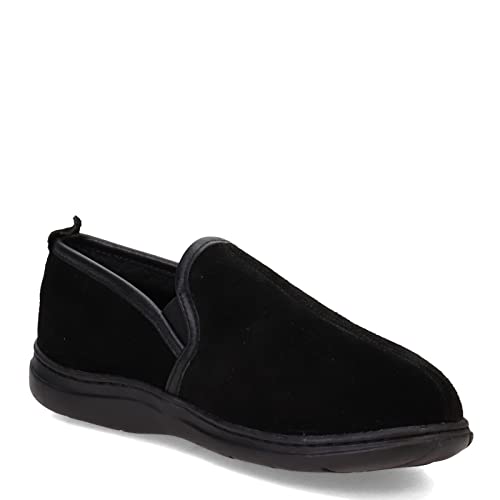
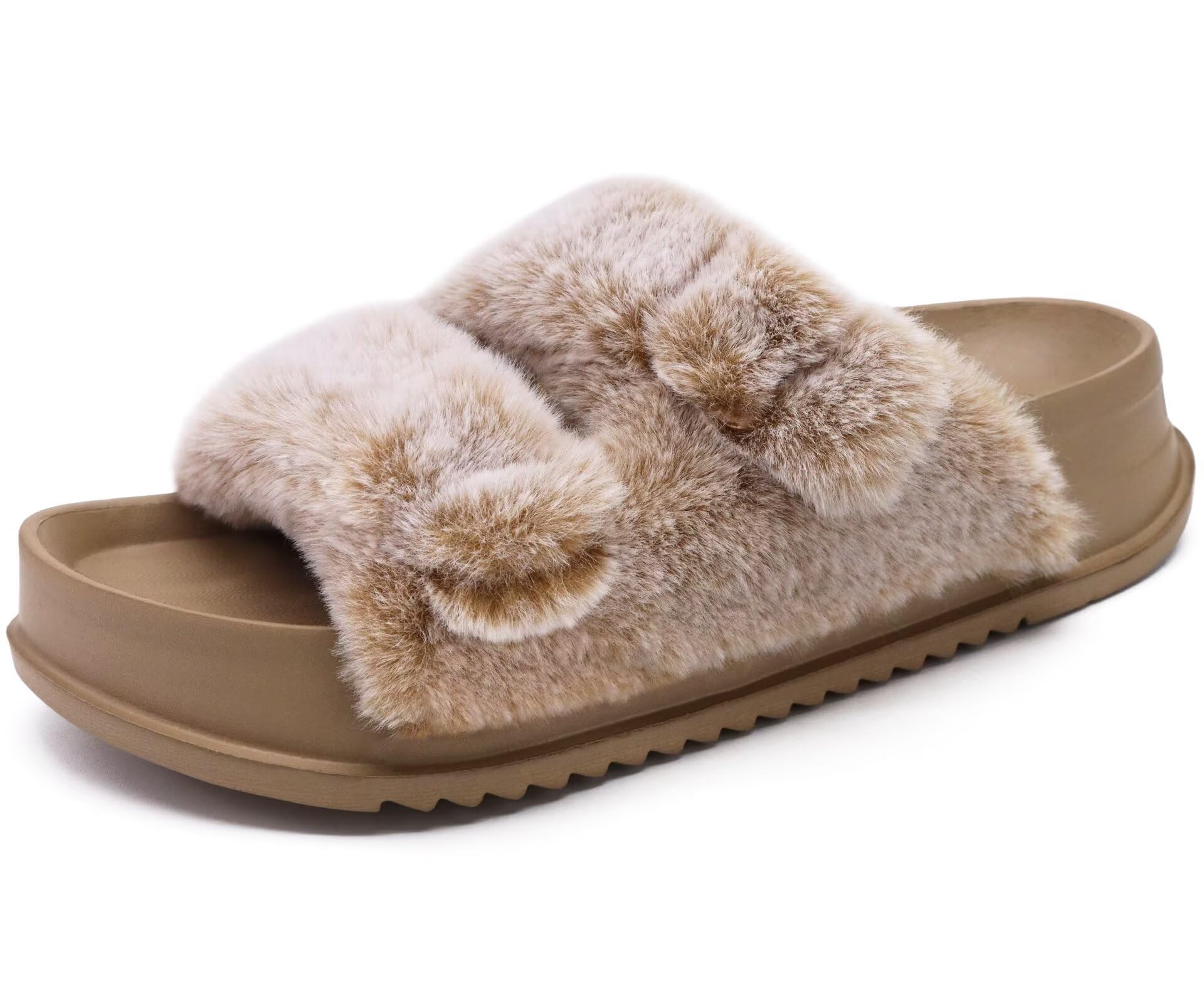
Types of Casual Slippers Compared
Think of the market in three broad families. Outdoor capable slipper boots, usually around $50 to $90, favor protection and grip. Balanced everyday slippers, usually around $30 to $60, favor cushioning and easy wear on mixed floors.
Open recovery styles, usually around $25 to $55, favor airflow and post activity comfort. The details below help you place each listing you see into the right family.
Outdoor Capable Slipper Boots
This family covers ankle height slipper boots with water resistant uppers and lugged rubber outsoles built for quick outdoor trips. They work like light boots around the home, keeping feet warm and dry when you take out trash, walk the dog to the yard, or cross a wet patio. The pros are warmth, coverage, and real traction.
The cons are weight, warmth that feels excessive in summer, and a firmer break in. Choose this type if your slippers regularly leave the house in cool or wet weather.
Cushioned Everyday Slippers
This family covers closed, cushioned slippers built like neutral everyday shoes, with even padding, a stable sole, and no strong motion control. They suit long indoor days, home offices, and hard floors where you want soft landings without a shaped, corrective feel. Uppers are often fleece, knit, or suede with a padded collar that holds the heel gently. The downside is that very plush versions can feel unstable for people who need firm support, and thick insulation can run warm.
Open Recovery Slippers and Slides
Open sandals and recovery slides form the third family, with contoured footbeds, wide straps or open toes, and materials that rinse clean. They shine after workouts, in warm homes, and for anyone whose feet swell or overheat in closed slippers. Many use molded foam that supports the arch while letting toes spread freely. They offer little warmth or toe protection, and loose fits can make stairs risky, so choose secure straps if you move around a lot at home.
If build quality is your top concern across all types, our guide to the best quality slippers explains which materials and stitching details last longest.
Slipper Boots vs Cushioned Everyday Slippers: Which Should You Choose?
Compare these two closed types on five points. For warmth, boot styles win with ankle coverage and insulation. For breathability, neutral everyday styles win, especially in knit uppers.
For outdoor grip, boot styles win with deeper tread and stiffer soles. For all day indoor comfort on hard floors, neutral styles usually win with softer, lighter cushioning. For price, neutral styles tend to cost less, while boot styles charge more for weather protection you may never use.
Choose the boot style if you live in a cold home, step outside often, or have slick outdoor surfaces near your doors. Choose the neutral style if you mainly stay indoors, work from home, and value light, quiet steps. Many households end up owning one of each, using the boot style in winter and the lighter pair through the rest of the year.
How to Choose the Right Casual Slipper
Cushioning and Support
Cushioning protects your heels and forefoot on tile, wood, and concrete based floors, while support keeps your arch from tiring during long standing tasks like cooking. A moderate heel to toe drop feels natural for most people, and a footbed that is firm at the base with softer foam on top balances comfort and stability. Avoid soles so thick and soft that your ankle wobbles when you turn quickly. If you have plantar heel pain or diabetes related foot sensitivity, ask a clinician which footbed firmness is appropriate for you.
Upper Materials and Breathability
Fleece and wool blends feel warm and manage odor well, but they can be too hot for heated homes. Cotton and knit uppers breathe better and wash more easily, though they stretch sooner and offer less structure. Suede and leather look smarter and resist scuffs, yet they need more care and can stain with spills.
Mesh panels appear on sportier slippers and help if your feet run warm. Match the upper to your home temperature first, then to looks.
Break In Period and Comfort Out of the Box
Most casual slippers should feel comfortable within the first hour, since soft materials and flexible soles need little breaking in. Stiffer boot styles and leather moccasins are the exception, often needing several evenings before the upper relaxes around your foot. Plush linings compress during the first week, so a fit that starts slightly snug often ends up correct. If a pair still pinches or slips after a week of indoor wear, exchange the size rather than hoping for more change.
Weight and Flexibility
Light slippers feel effortless and quiet, which matters on upper floors and during night trips to the kitchen. Heavier boot styles trade that ease for protection, warmth, and outdoor durability. Flexibility should sit at the forefoot, letting your toes bend naturally, while the midfoot stays stable enough to support the arch. A slipper that folds completely in half usually lacks support for long standing, no matter how soft it feels in your hand.
Fit, Sizing, and Toe Box
Measure your feet in the evening and order for your larger foot, especially in styles sold only in whole sizes or size ranges. Your heel should stay in place without the upper crushing your toes, and your toes need room to spread on hard floors. A wide toe box helps if you wear thick socks in winter, so consider sizing up for lined styles. Walk on your hardest floor when trying them on, since carpet makes almost any slipper feel secure.
Women comparing fits and styles can also browse our guide to the best slippers for women for narrower lasts and different size runs.
Picking the Right Casual Slippers for Different Uses
Best Women's Casual Slippers: Which Type Works Best
For best women's casual slippers, the key differences are narrower heel fit, smaller size ranges that include half sizes in some brands, and toe box shape that avoids excess volume at the front. Women with narrow heels often do best in neutral everyday styles with a padded collar or an adjustable strap, since loose moccasins can slip. In cold homes, boot styles with a shaped heel cup give warmth without sloppy fit. Prioritize secure heel hold, a footbed that matches your arch, and a sole quiet enough for early mornings.
How to Make Your Casual Slipper Last Longer
Rotate two pairs if you wear slippers daily, giving foam and linings a day to recover and dry fully. Air dry wet slippers away from direct heat, since radiators and hair dryers can crack leather and warp molded foam. Brush suede, shake out fleece linings, and wash removable insoles according to the care label to control odor. Replace pairs when the footbed stays flat, the outsole tread smooths out, or the heel starts collapsing to one side, which often happens after one to two years of daily use.
Men shopping for partners or themselves can compare our guide to the best male slippers for larger sizes and wider fits.
Frequently Asked Questions
How should casual slippers fit?
Casual slippers should fit snugly enough that your heel stays seated as you walk, with space for toes to spread and no pressure on top of the foot. Lined styles feel tighter at first because the pile compresses with wear. If your heel lifts out with every step on a hard floor, the size or style is wrong, regardless of how soft the lining feels.
Are expensive casual slippers worth it?
They are worth it when the price buys natural materials, stitched rather than glued construction, and outsoles that survive outdoor trips. They are not worth it for plush looks alone, since thick pile flattens quickly at any price. Cost per year is the fair test, and a durable pair worn for three winters can beat a cheap pair replaced every season.
How often should I replace my casual slippers?
Replace them every one to two years with daily use, or sooner if cushioning feels flat and your heels notice hard floors again. A quick test is pressing the footbed with your thumb, since worn foam stays dented instead of springing back. Outdoor use, pets, and kitchen spills shorten life, so inspect tread and linings each season.
Do I need waterproof slippers?
You need water resistance only if you regularly step onto wet patios, damp grass, or snowy steps in your slippers. For purely indoor wear it adds cost, weight, and warmth you may not want. A middle option is a water resistant spray on suede styles, which handles light splashes without sealing in heat the way full membranes do.
How long is the break in period for casual slippers?
Most styles need no real break in and feel right within a day, apart from lining compression during the first week. Leather moccasins and stiff boot styles may take one to two weeks of evening wear to shape to your foot. Pain, numb toes, or heel blisters are not normal break in signs, so change size if they appear.
Can I wear casual slippers all day?
You can, provided the pair supports your arch and your feet do not ache by afternoon. People who stand for long periods on hard floors do better in cushioned neutral styles or recovery footbeds than in thin, flat soles. If you develop heel or arch pain that persists, limit all day wear and speak with a clinician about your personal foot needs.
Shoppers looking for a relaxed gift style can also check our guide to the best guy slippers for easy sizing ideas.
The Bottom Line
Pick the type first, boot style for cold and outdoor trips, neutral style for all day indoor comfort, or open recovery style for heat and swelling, then confirm fit on your hardest floor. Readers with ongoing heel pain may also want our guide to the best slippers for plantar support needs. Above all, the best casual slippers for your home will feel secure, breathable, and supportive from the first evening, so compare the product table above before you order.


