
Best Casual Motorcycle Boots for 2026: Buyer Guide
Disclosure: We may earn a commission when you buy through links on this page, at no extra cost to you. As an Amazon Associate I earn from qualifying purchases. Learn more

Compare casual motorcycle boots by ankle protection, fit, sole grip, weather resistance and walkability to find a pair you can ride and walk in.
A good riding boot should protect your feet on the bike and still feel comfortable when you walk into a shop, a restaurant or an office. Best casual motorcycle boots aim for exactly that balance, pairing everyday looks with riding features such as ankle support, a sturdy sole and a shifter friendly toe. The comparison table below gives a quick side by side view of the main styles.
This guide uses a simple checklist to compare the factors that matter most, from fit and protection to weather resistance and price. It replaces any shortlist framing with spending level guidance, so you can match a boot to your riding habits rather than chasing a single winner.


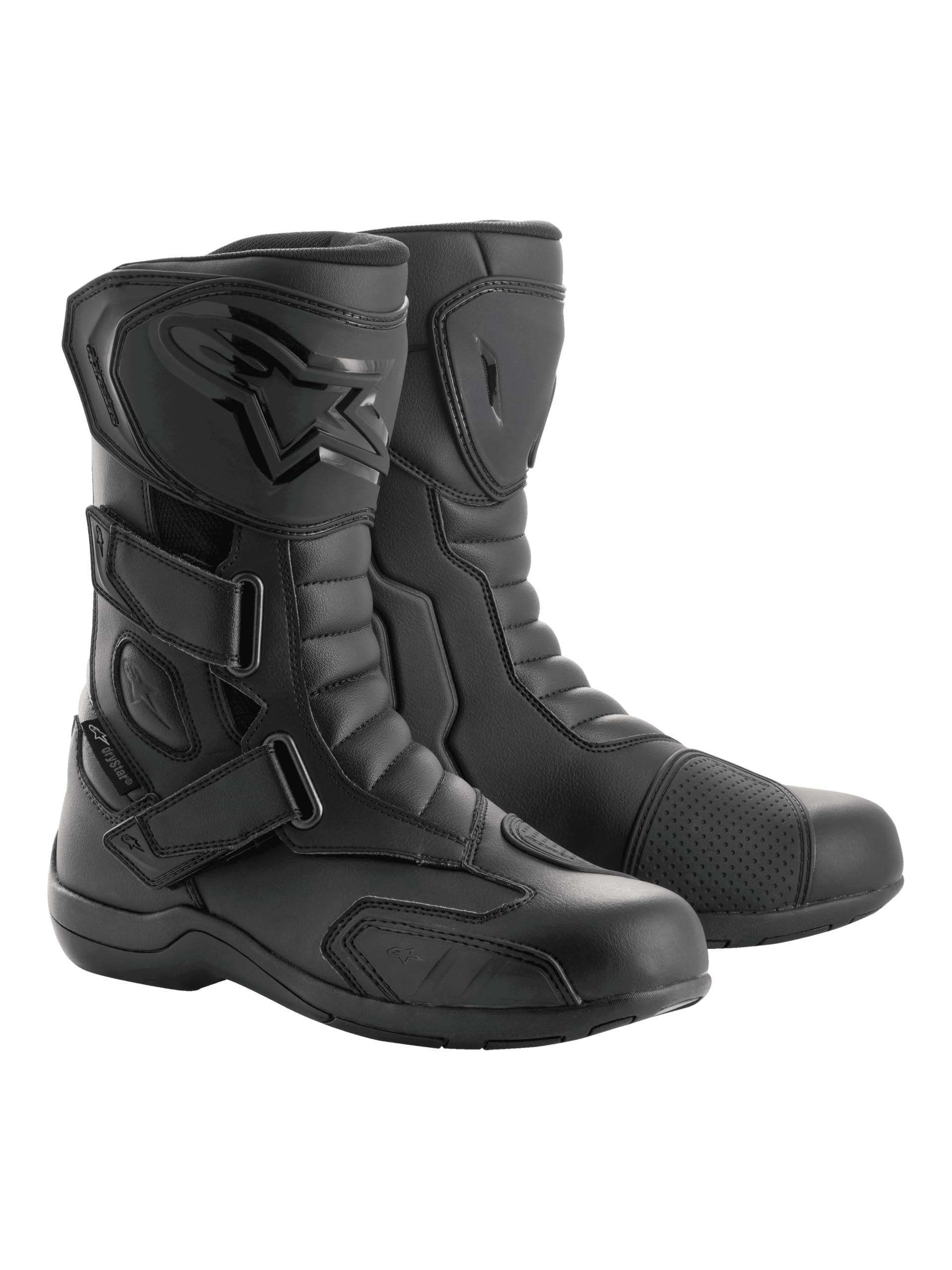
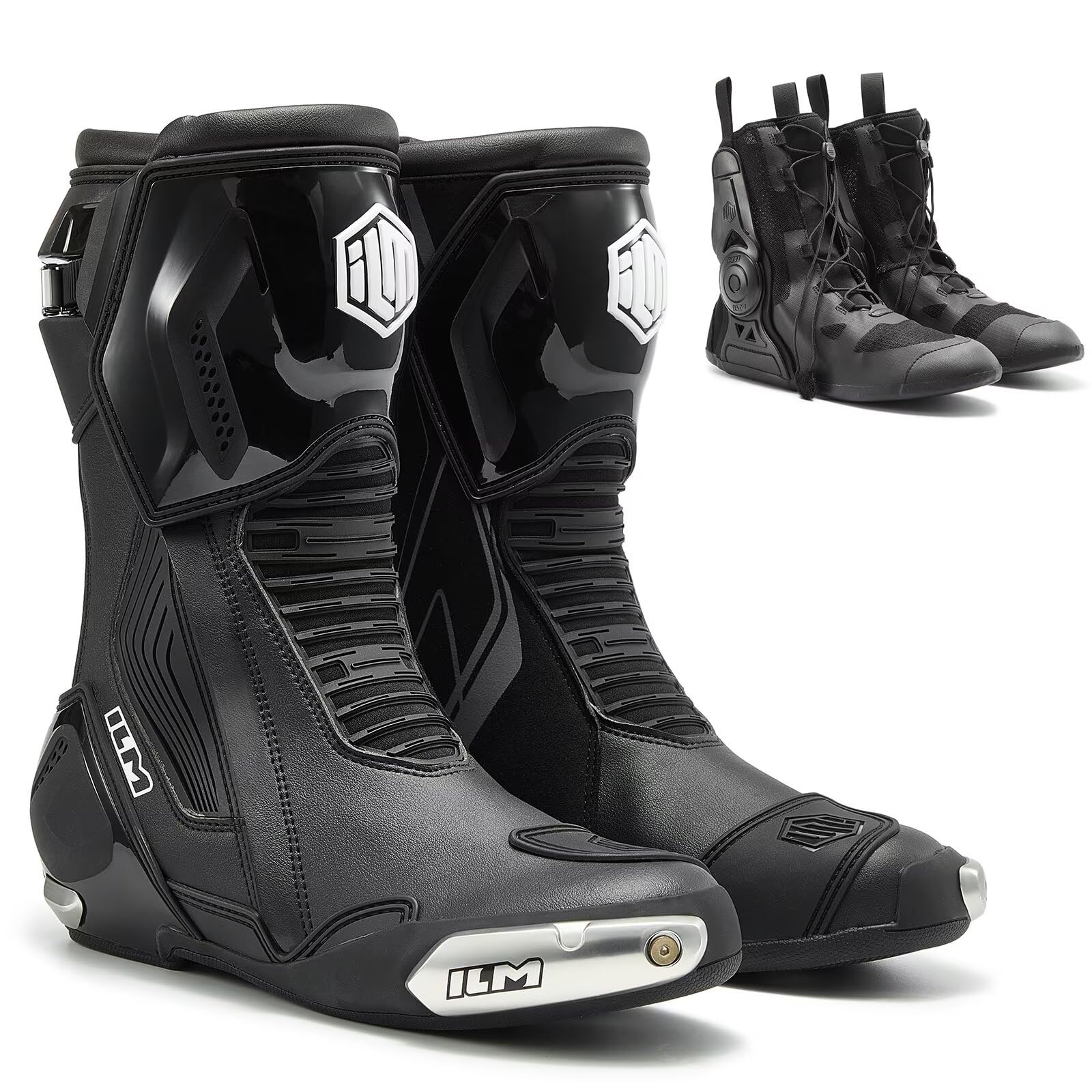


Key Features to Compare
Use the checklist below as a filter. A boot that passes most of these points will usually serve a casual rider well, while a boot that fails on fit or ankle support is rarely saved by good looks. Our guide to best motorcycle boots covers full riding boots in more depth if you want stronger protection for longer or faster rides.
Ankle Protection and Support
Ankle protection is the feature that most separates a riding boot from an ordinary casual boot. Look for padding around the ankle bones, a firm heel cup and a shaft high enough to cover the ankle joint.
Some boots add internal guards or reinforced panels over the ankle, which help in a slide or a tip over. No boot can guarantee protection in a crash, so treat these features as risk reduction, not as a promise of safety.
Fit, Sizing and Comfort
Fit decides whether you will actually wear the boot, so measure both feet and try boots on with the socks you ride in. A good fit leaves a little room for your toes without letting your heel lift when you walk, and it should feel snug around the ankle without pinching.
Width matters as much as length, especially if you have wide feet or wear thick socks in cold weather. Break in time varies, so expect a few short rides before leather softens fully. Our guide to best women's motorcycle boots covers lasts and sizing shaped for women riders.
Sole Grip and Shifter Feel
The sole must grip wet pavement, fuel station floors and gravel shoulders, while still letting you feel the shifter and the rear brake. A lugged rubber sole usually grips better than a smooth sole, but deep lugs can feel clumsy on small controls. Check that the toe area is slim enough to slide under the shifter without catching, and that the sole is stitched or bonded firmly to the upper. Oil resistant rubber is a useful bonus for riders who stop often at fuel stations.
Closure and Ease of Use
Closure systems shape how fast you can get the boot on and off, and how securely it stays put. Laces offer fine adjustment but can snag, so look for lace keepers or a covered lace system.
Zippers and buckles speed up changes, while elastic panels help with a snug fit. Whatever system you choose, try it with gloves on, since you will often gear up in cold or wet conditions.
Weather Resistance and Breathability
Weather resistance matters for riders who commute or tour, but it trades against breathability on hot days. A waterproof membrane keeps rain out, yet it can trap heat, while a non waterproof leather boot breathes better but needs treatment to shed light rain. Sealed seams and a gusseted tongue help keep water out of the boot. For mixed weather, pair a water resistant boot with waterproof over trousers rather than expecting one boot to handle every storm.
Materials and Weight
Full grain leather remains the most common choice for casual riding boots, since it balances durability, looks and break in comfort. Suede looks softer but stains more easily, while synthetic uppers can be lighter and easier to clean. Weight matters on longer walks, so compare boots in person if you can: a heavy boot that feels fine for ten minutes may tire you after an hour on foot. Check that stitching is even and that stress points around the toe and ankle are reinforced.
Safety Standards and Build Quality
Some riding boots meet published motorcycle footwear standards, which assess features such as impact resistance, abrasion resistance and sole bonding. A standard is a useful quality signal, but it does not guarantee protection in every crash, so read what the standard actually covers. Also check build details yourself: even stitching, firm heel counters, solid eyelets and a sole that does not peel at the edge. Vague claims about protection, with no standard or construction detail behind them, should raise suspicion.
Who Should Buy Which Style
Commuters and Everyday Riders
Commuters need a boot that works on the bike in the morning and at a desk or a shop later in the day. Look for a clean, low profile style with a grippy sole, a secure closure and enough weather resistance for a rainy ride home. A boot that looks like an ordinary casual boot will get worn more often, which matters more than a feature you never use. Our guide to best casual boots for motorcycle riding compares similar everyday styles in more detail.
Weekend and Touring Riders
Weekend and touring riders cover longer distances and more varied weather, so they should favor stronger ankle support, better weather resistance and a more durable sole. A slightly taller shaft and a stiffer heel cup help on long days, even if the boot feels less like a sneaker. Pack a second pair of light shoes for evenings off the bike if walkability matters more than all day comfort in one pair.
New Riders
New riders benefit most from a boot that fits well, feels secure and does not distract from learning controls. Avoid very stiff boots that dull shifter feel, and avoid fashion boots with smooth soles and no ankle support. Try several sizes, walk around the shop, and practice shifting motions before you buy. A comfortable, supportive boot builds confidence faster than a stylish boot that hurts after an hour.
Spending Level Guidance
Price bands below are planning aids, not rankings. Match the band to how often you ride and how much weather you face.
Lower Cost Options
Lower cost options, often about $80 to $150, usually offer basic ankle padding, a rubber sole and simple leather or synthetic uppers. They suit new riders and occasional weekend riders who want real riding features without a large outlay. Expect shorter break in comfort and simpler weather protection, but a well fitted basic boot beats an expensive boot that does not fit. Our guide to best casual boots can help if you also want a non riding everyday pair for comparison.
Mid Cost Options
Mid cost options, often about $150 to $250, usually add better ankle guards, sealed seams, a more durable sole and more careful stitching. They suit commuters and regular riders who need a boot to last through daily use and mixed weather. This band is where most casual riders find the best balance of protection, comfort and durability. Our guide to best casual boots for men covers everyday styling in this price range for men riders.
Higher Cost Options
Higher cost options, often about $250 to $400, may offer premium leather, a waterproof membrane, reinforced toe and heel areas and more refined fit options. They suit riders who ride daily in all weather or who want one pair to last several seasons. Pay extra only for features you will use, since a higher price alone does not guarantee a better fit for your foot shape.
Quick Buyer Checklist
- Does the shaft cover and pad both ankle bones?
- Does your heel stay put when you walk, without toe pinching?
- Can you feel the shifter and rear brake clearly?
- Does the sole grip wet pavement and gravel?
- Can you fasten the boot securely while wearing gloves?
- Does the boot suit the weather you actually ride in?
- Are the seams, eyelets and sole bonding solid on inspection?
- Does the boot still feel comfortable after a 30 minute walk?
Red Flags to Watch For
- Smooth soles with no grip pattern, which slip easily on wet surfaces.
- Soft fashion uppers with no ankle padding or heel support.
- Vague protection claims with no standard or construction detail.
- Closures that loosen or snag during a trial walk.
- Very short warranties or no clear return policy for sizing problems.
How to Make Your Casual Motorcycle Boots Last Longer
- Clean off road grime and salt after wet rides, and let boots air dry away from direct heat.
- Condition leather regularly with a product suited to the leather type.
- Check fit and tightness before each ride, and re lace or refasten as needed.
- Replace worn soles early, since a smooth sole loses grip long before the upper fails.
- Store boots upright in a dry place, with shoe trees or stuffing to hold their shape.
Note that helmet replacement advice does not apply to boots: replace a helmet after any crash, but replace boots when their protection, sole or structure is worn out. Never adjust straps, laces or closures while riding, and pull over safely if something comes loose.
Frequently Asked Questions
What Protection Features Matter in Casual Motorcycle Boots?
Ankle padding, a firm heel cup, a reinforced toe and a grippy sole matter most, since they address the most common foot and ankle injuries in low speed falls. A shaft that covers the ankle joint helps keep the boot in place, while a shifter pad protects the upper from wear. No casual boot can guarantee protection in a serious crash, so pair good boots with a helmet, gloves and a jacket. If you ride fast or off road often, consider full riding boots instead.
How Should Casual Motorcycle Boots Fit?
Casual motorcycle boots should feel snug around the ankle and midfoot, with enough toe room to wiggle slightly and no heel lift when you walk. Try them with riding socks, and walk for at least ten minutes before deciding, since leather softens a little with wear. If one foot is larger, fit the larger foot and use an insole for the smaller one. A boot that pinches in the shop rarely becomes comfortable later, so exchange it rather than hoping for a long break in.
Are Waterproof Casual Motorcycle Boots Worth It?
Waterproof boots are worth it for commuters and riders who often face rain, since wet feet quickly become cold and distracting. A membrane boot costs more and breathes less, so riders in hot, dry climates may prefer a water resistant leather boot with good ventilation instead. Sealed seams matter as much as the membrane itself, because water enters through stitching first. For occasional rain, waterproof over trousers and a treated leather boot can be enough.
How Long Does Breaking In Casual Motorcycle Boots Take?
Breaking in usually takes a few short rides over one to two weeks, with leather softening most in the first days. Wear the boots around the house first, then on short rides, before a long trip. If pain persists beyond two weeks, or if a seam rubs the same spot every time, the fit is likely wrong rather than merely stiff. Conditioning leather can help, but it cannot fix a boot that is too narrow or too short.
When Should Casual Motorcycle Boots Be Replaced?
Replace casual motorcycle boots when the sole loses grip, the ankle padding collapses, stitching fails or the upper cracks through. Heavy daily riders may reach that point in one to two years, while occasional riders can get several seasons from a well made pair. Inspect boots monthly for sole wear, loose eyelets and heel cup damage. A boot that no longer holds your ankle firmly has lost its main safety benefit, even if it still looks presentable.
Our Verdict
Start with fit, then ankle support, then sole grip, and let style come last. A boot that fits well and protects your ankles will get worn on every ride, which is the real goal for a casual rider. Check the product table above against your own riding habits and weather before ordering, and remember that no boot can guarantee protection: ride within your skill, wear a helmet, and never adjust your gear while riding. The best casual motorcycle boots are the ones that balance everyday comfort with real riding features for the way you actually ride.


