
Best Casual Boots for Motorcycle Riding of 2026: Complete Buying Guide
Disclosure: We may earn a commission when you buy through links on this page, at no extra cost to you. As an Amazon Associate I earn from qualifying purchases. Learn more

Compare casual boots for motorcycle riding by ankle protection, sole grip, shifter pads, fit and water resistance, with a checklist for daily use.
A casual boot that looks right at a café can still leave your ankle exposed on the road. The best casual boots for motorcycle riding hide real protection inside a style you can wear all day. This guide shows what that protection should include and how fit changes control on the pegs.
Use the points below to separate true riding boots from fashion boots that only look the part, starting with coverage and sole grip, then walking comfort and weather. You will find those tradeoffs in the comparison table below.


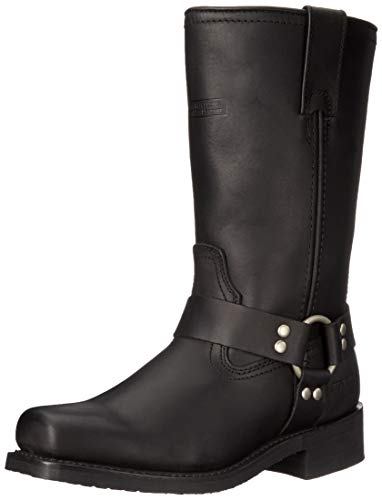


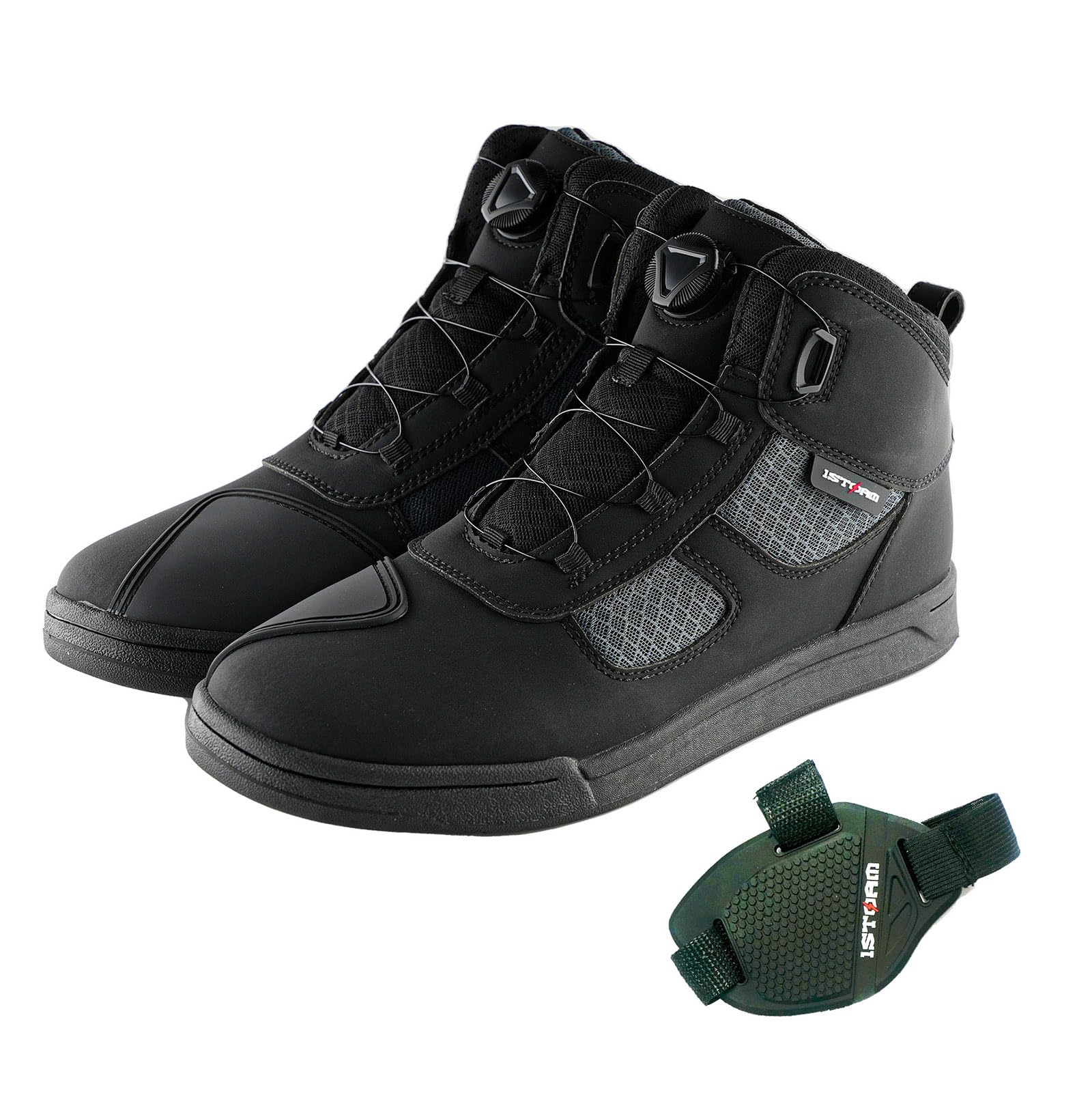


Who Should Buy Casual Boots for Motorcycle Riding?
City Commuters Who Ride to Work and Walk In
You need a boot that works on the bike in the morning and at a desk for the rest of the day. Look for a low profile toe that fits under the shifter, a cushioned insole for hard floors, and styling that pairs with jeans or work pants. A side zip speeds up changing, but laces should still set the fit.
Weekend Riders Who Want One Pair On and Off the Bike
If your rides end at lunch stops or a short walk, walking comfort matters almost as much as protection. A flexible forefoot, moderate weight, and padding around the collar help on uneven ground. You still need reinforced areas at the ankle, toe, and heel, because a slow tip over can trap a foot under the bike. A boot that feels like a sturdy sneaker but covers the ankle bone usually fits this use well.
New Riders Building a First Set of Riding Gear
Your first pair should make good habits easy. Pick features you can check by hand, such as firm cups at the heel and toe and padding over both ankle bones. Avoid a soft fashion boot with no control feel, and avoid a stiff touring boot if it discourages you from wearing boots at all. A mid height casual boot at about $100 to $250 often gives protection you will actually wear every ride.
Key Features to Compare
When you shop for the best casual boots for motorcycle riding, start with protection and control, then judge style. The five factors below decide how a boot performs in a slide, at a stop, and on a walk.
Ankle Coverage and Protective Inserts
The upper should cover both ankle bones fully, with the collar still above them when you sit on the bike and your pant leg rides up. Many boots add inserts over the ankle, plus firmer cups at the toe and heel, to spread impact force. Look for a CE rating under EN 13634, the standard for motorcycle footwear, with Level 1 as a baseline and Level 2 offering higher rated protection. If you fall and then notice swelling, numbness, spreading bruising, or pain that stops you bearing weight, seek medical care promptly and talk with your clinician about your personal needs before riding again.
Upper Material and Abrasion Resistance
Full grain leather is the common choice because it resists scraping on pavement and molds to your foot, though it needs conditioning and dries slowly. Suede and nubuck look softer, but they mark easily and need a protective spray against road grime. Synthetic textile uppers can be lighter and cooler, yet panels in slide zones should be reinforced rather than thin mesh.
Closure, Laces and Side Zips
Laces give the most adjustable fit across the instep, which helps if your feet swell on warm rides. The risk is a loose loop catching on a peg, so choose shorter laces, tuck the ends in, or pick a boot with a lace keeper strap. A side zip is convenient for quick entry, but it should work with laces that set the tightness, not replace them. Try the closure in riding socks and confirm the shifter works without a zip pull digging in.
Shifter Pad and Sole Grip for Foot Controls
A shifter pad is a reinforced patch over the toe where the gear lever rubs on every upshift. Without it, soft leather or suede wears thin and can tear at that one spot. The sole should be oil resistant and fairly flat, with tread that grips wet pegs but still lets your foot pivot for braking. Deep hiking style lugs can catch on peg teeth and delay a dab at a stop. A stiff shank through the midfoot spreads your weight across the peg.
Water Resistance and Lining for Changing Weather
A waterproof membrane keeps rain and road spray out on wet commutes and blocks wind on cool mornings. The tradeoff is heat, since that membrane also slows moisture leaving the boot in summer. For mostly dry climates, treated leather with sealed seams may be enough and will breathe better. Check the tongue, because a gusseted tongue stops water entering around the laces.
Casual Boots Compared With Other Riding Boot Options
Casual boots sit between full riding gear and everyday footwear. The options below show what you gain and give up with each style.
Full Height Touring Boots for Long Distance Cover
Touring boots rise well up the shin, add stronger shin protection, and usually seal out rain better for long days. They suit highway miles and cold weather, but they feel bulky for walking and look out of place at work. If most of your riding is longer trips, see our guide to the best motorcycle riding boots.
Work Boot Styles and Cowboy Boot Styles on a Motorcycle
Some riders already own sturdy boots from work or western wear and wonder whether those boots protect on a bike. Compare purpose built options in our guide to the best work boots for motorcycle riding and in our guide to the best cowboy boots for motorcycle riding. Riding boots add ankle inserts, a shifter pad, and a sole shaped for pegs, while a plain work or cowboy sole can slide on oil.
Casual Motorcycle Boots With a Lower, Sneaker Like Build
The lightest casual styles borrow their shape from high top sneakers, with softer collars and thinner soles that feel natural for walking. They suit short urban trips at modest speeds, but they give up midfoot stiffness and often carry lower protective ratings. If that lighter build is your priority, see our guide to the best casual motorcycle boots and check the rating closely.
Common Mistakes to Avoid
- Buying fashion boots with no ankle inserts, so a minor fall leaves the ankle bone unprotected.
- Choosing a size for thin everyday socks, so the boot feels painfully tight with thicker riding socks.
- Leaving long lace loops hanging loose, so a loop can snag on a foot peg or gear lever.
- Picking a sole with deep hiking lugs, so your foot catches on the peg at a stop.
- Drying wet leather boots by a heater, so the leather cracks within one season.
- Judging fit only while standing, so you miss a collar that digs in once your ankle bends.
Care and Maintenance for Casual Motorcycle Boots
Brush off road dust after rides and wipe grime away with a damp cloth, since grit in creases works into leather and stitching. Let wet boots dry at room temperature with the insoles removed, never against direct heat. Condition leather every few months, or sooner if it looks dry, and renew water repellent spray on suede or textile panels as the maker directs.
Inspect the sole, shifter pad, and stitching each month, and replace laces when they fray. Clear grit from zip teeth with a soft brush so the zip runs smoothly. If the sole has worn smooth at the ball of the foot, or the upper has cracked at the flex point, the boot no longer grips or protects as it should and it is time to replace it.
Frequently Asked Questions About Casual Motorcycle Boots
What protection should casual boots for motorcycle riding have at a minimum?
Casual boots for motorcycle riding should at minimum cover both ankle bones, include inserts at the ankle plus reinforcement at the toe and heel, and carry a CE rating under EN 13634. One point riders miss is sideways stiffness in the sole. A sole that resists twisting helps if the bike leans onto your foot, and you can check it by trying to twist the boot by hand.
How should casual motorcycle boots fit when you try them on?
Casual motorcycle boots should feel snug at the heel and midfoot, with about a thumb width of room in front of your longest toe. Try them late in the day, when feet are slightly larger, and sit with your ankle bent as if on the pegs. Walk up steps if you can, because heel lift that feels minor on flat ground grows on inclines.
Can casual motorcycle boots be worn for walking all day after a ride?
Yes, many casual motorcycle boots can be worn for walking all day, if the insole has real cushioning and the forefoot flexes at the toes rather than at the mid arch. Plan a short break in period of local rides and errands before a full day on your feet.
Are casual motorcycle boots waterproof enough for riding in rain?
Some casual motorcycle boots handle rain well, but only those with a sealed membrane and a gusseted tongue keep water out for more than light spray. For regular wet commutes, pair the boots with waterproof overpants that overlap the collar, since rain runs down your leg and into any boot from the top.
When should casual motorcycle boots be replaced after a drop or a crash?
Replace casual motorcycle boots after any crash where an insert feels cracked, the sole has separated, or the upper has worn through to the lining. Inserts can lose their shape without visible damage, so press each one and compare both boots for soft spots.
Our Verdict
Start with coverage above the ankle bone, a recognized protective rating, and a sole that grips the peg without catching on it. Then choose the closure and water resistance that match where you ride, and confirm the fit while seated on the bike. Chosen that way, the best casual boots for motorcycle riding protect you on the road and still feel right when you park. Compare the shortlisted styles in the product table above before you order.


