Best Casual Walking Shoes 2026 Buying Guide
Disclosure: We may earn a commission when you buy through links on this page, at no extra cost to you. As an Amazon Associate I earn from qualifying purchases. Learn more

Learn how to choose casual walking shoes, from all day comfort and support to style, breathability, grip and fit for city walks, travel and daily errands.
Casual walking should feel effortless, and best casual walking shoes need to blend comfort for miles with a look that works beyond a trail or gym. The best pair disappears on your feet during errands, city exploring and daily commutes, without looking out of place at a café or office. The comparison table below gives a quick overview of the main choices before the detail that follows.
This guide compares cushioning, support, style and durability for everyday walking, so you can choose a pair that suits your routine and wardrobe. It also covers fit and break in, because casual shoes are often bought for looks and regretted for comfort.




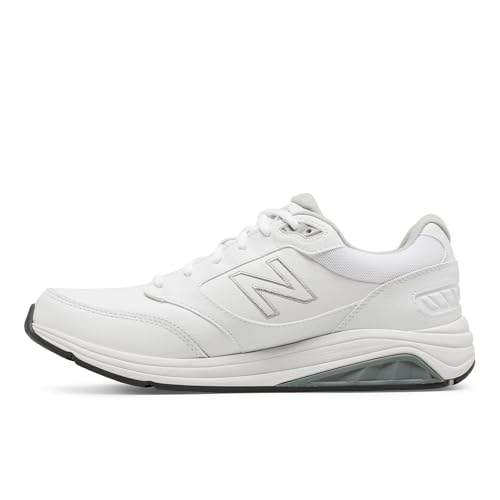


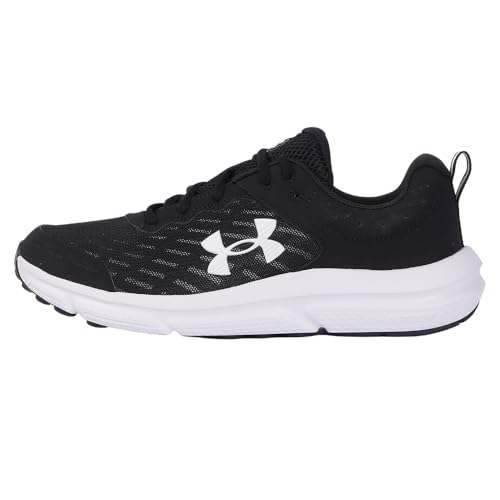
Who Should Buy Casual Walking Shoes
These shoes suit city walkers, commuters, travelers and anyone who walks several miles a day in ordinary clothes. They also suit people who want one versatile pair for errands, sightseeing and light daily activity. If your current casual shoes leave you sore after a long day out, a walking focused pair is worth considering.
They are a weaker fit for serious hiking, running, or jobs needing safety footwear, where specialized shoes are safer and more durable. They also cannot correct foot problems, so persistent pain, swelling, numbness, or a sudden change in gait should be discussed with a clinician rather than solved by shopping alone.
Types of Casual Walking Shoes
Cushioned city walkers
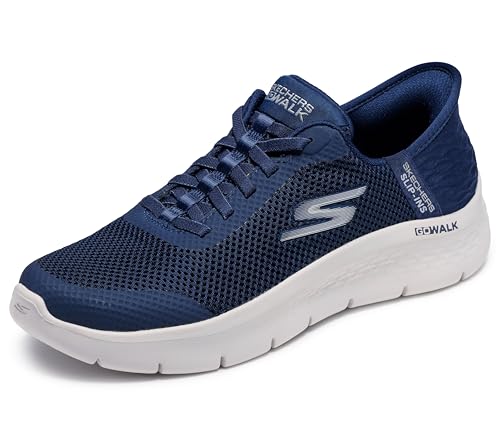
Cushioned city walkers prioritize soft foam and smooth rolling for pavements, shopping and sightseeing. They suit long urban days where comfort matters more than ruggedness. Look for cushioning that stays supportive after hours, not only in the first hour of wear.
Supportive casual walkers
Supportive walkers add arch guidance and a stable base for feet that roll inward or tire on long walks. They suit walkers with low arches or a history of ankle fatigue. The look remains casual, but the internal support works harder than a fashion shoe.
Leather and smart casual walkers
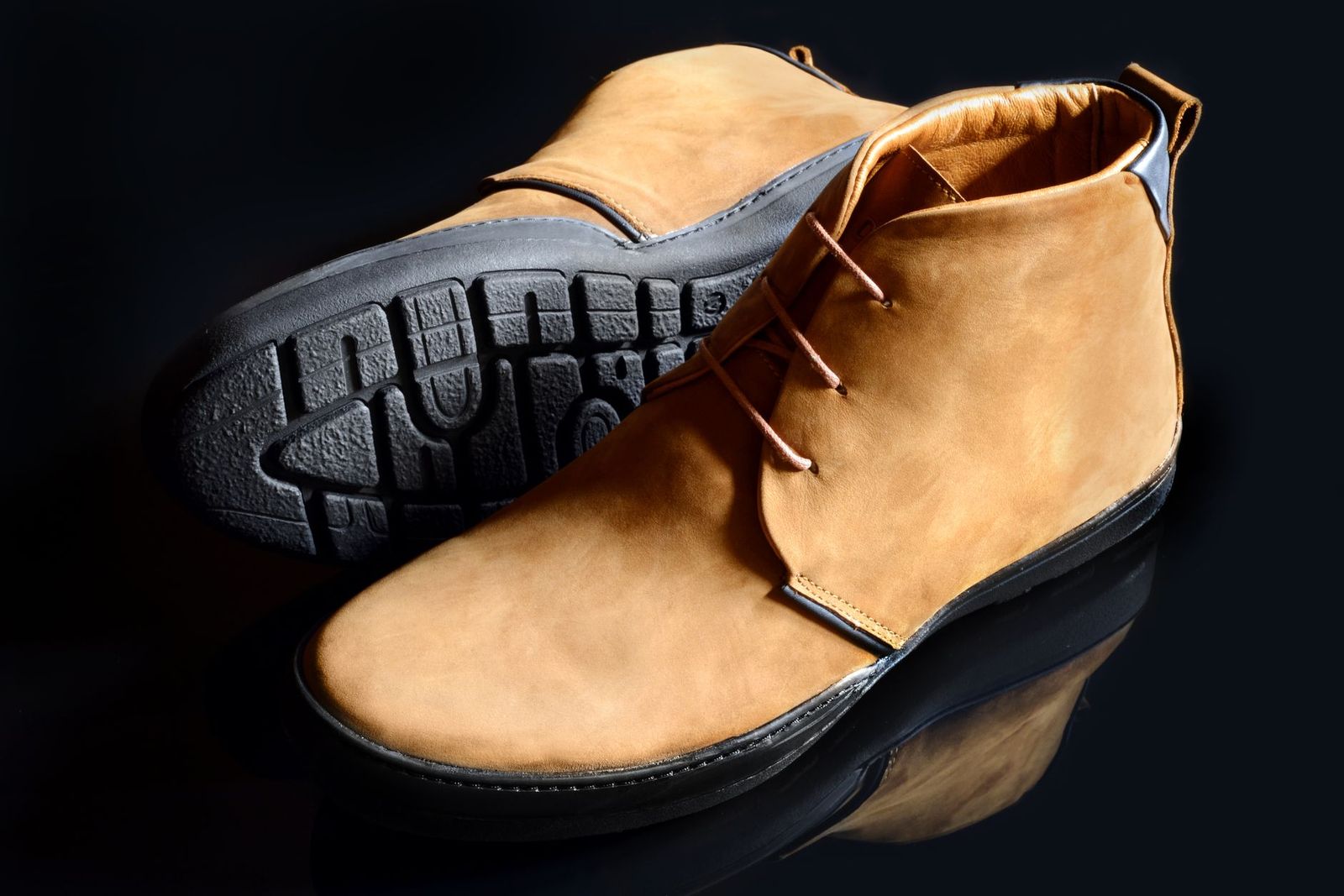
Leather and smart casual walkers blend walking comfort with a smarter appearance for work, dining and travel. They suit people who want one pair for both walking and social settings. Allow a short break in period, and check that comfort does not depend on a stiff upper softening over weeks.
Key Features to Compare
All day cushioning
All day cushioning should feel even and protective after several miles, not just soft in the shop. Foam that compresses unevenly can leave arches aching, so test shoes on a longer walk during the return window. A removable insole also lets you adjust support without changing shoes.
Support and stability
Support should keep the foot aligned without feeling rigid, especially on cambered pavements and uneven city surfaces. A stable heel and midfoot wrap prevent the foot sliding inside the shoe. If you pronate noticeably, a supportive model will feel calmer over distance than a very soft neutral shoe.
Breathability and weather
Breathability matters on warm days and during travel, while water resistance matters in changeable weather. Mesh breathes well but soaks quickly, while leather resists light rain but runs warmer. Choose based on your climate and season, and consider a second pair for wet days.
Grip and outsole durability
Grip should handle wet pavements, smooth shop floors and light gravel without slipping, while outsole rubber should last for daily miles. Check tread depth and coverage, especially at the heel and forefoot. Worn smooth soles are a safety issue as well as a comfort one.
Common Mistakes to Avoid
A common mistake is buying casual shoes for style alone and discovering after a long day that cushioning and support are missing. Another is buying a tight pair hoping it will stretch, when walking shoes should fit well from the start. A third is wearing one pair every day without rotation, which wears foam faster and hides the need for replacement.
Budget and Long Term Value
Casual walking shoes range from affordable everyday models to premium leather and technical versions, and value is best judged per mile of comfortable walking. A midrange supportive pair often lasts longer and feels better than a cheap fashion pair replaced often. Budget for rotation if you walk daily, because two pairs last longer than one worn constantly.
Getting the Most From Your Choice
Try shoes later in the day with the socks you will wear, and walk on different surfaces during the return window. Break them in over shorter walks before a long travel day, and note any hot spots early. If foot pain persists, worsens, or involves swelling or numbness, talk with a clinician rather than enduring it.
A Closer Look Before You Buy
Think about the surfaces you walk most, because city pavements, park paths, wet shopping floors and travel cobbles each demand different grip and cushioning. A shoe that feels perfect on smooth pavement may slip on wet stone, while a rugged sole may feel stiff on long flat walks. Match outsole and cushioning to your most common surfaces, and keep a second pair for very different conditions if you walk in varied settings.
Also consider your wardrobe and travel habits, because a casual walking shoe that only suits one outfit will be worn less than a versatile pair. Neutral colors, a clean design and a shape that works with trousers, jeans and shorts all increase use. If you travel, weight and packing size matter too, since a bulky shoe eats luggage space quickly.
Finally, think about break in and return windows together, because casual shoes often feel good in a shop but reveal pressure points after several miles. Use the return period for real walks of increasing length, and keep the box and receipt until you are confident. A patient test period prevents a pair that looks right but walks wrong.
Related Guides Worth Reading
To see how neighboring choices compare, read our guides to best walking shoes, best walking shoes for women, best walking shoes for men, and best casual walking shoes for travel.
Frequently Asked Questions
Can I walk long distances in casual shoes?
Yes, if the shoe is designed for walking with good cushioning, support and grip, rather than being a fashion shoe with a flat sole. Casual walking shoes are made exactly for this balance of comfort and appearance. Test on a long walk before travel, because shop comfort does not always predict all day comfort.
Are leather walking shoes comfortable?
Leather walking shoes can be very comfortable once broken in, and they offer durability and weather resistance. They may feel firmer at first than mesh shoes, so allow a short break in period with shorter walks. Choose leather with a cushioned insole and flexible sole for the best combination.
How do I know if I need supportive walking shoes?
Uneven wear on old shoes, inward ankle roll, arch fatigue, or ankle tiredness on long walks all suggest support would help. A shop gait check can confirm the pattern. If support feels intrusive or creates outer foot pain, a neutral cushioned shoe may suit you better.
Should walking shoes be waterproof?
Waterproof shoes help in wet climates but can feel warm and less breathable on hot days. For most city walkers, water resistant leather or a separate wet weather pair is a practical compromise. If you walk in rain often, prioritize grip and water resistance over breathability.
When should I replace casual walking shoes?
Replace them when cushioning feels flat, the shoe leans to one side, tread is smooth, or a new pair feels noticeably more supportive. Daily walkers often need replacement after six to twelve months, depending on distance and weight. Rotation helps you notice wear before discomfort forces the issue.
Final Thoughts
The right best casual walking shoes are the pair that lets you walk for hours without thinking about your feet, while still looking right with your clothes. Use the product table above to compare cushioned, supportive and smart casual options, then test on a real long walk. Comfort over distance, not first impressions, should decide.