
Best Casual Shoes for Men 2026: Everyday Guide
Disclosure: We may earn a commission when you buy through links on this page, at no extra cost to you. As an Amazon Associate I earn from qualifying purchases. Learn more

Learn how comfort, durability, and style affect casual shoes for men, plus fit checks for daily walking, weekends, and smart casual outfits.
Choosing best casual shoes for men starts with how you spend your days. Daily walking, weekend outings, and casual offices each favor different shoes. The comparison table below outlines the main casual styles so you can compare them quickly.
Casual shoes cover sneakers, loafers, slip ons, and clean leather styles. Comfort and durability matter most for daily wear, while style decides whether a pair suits work, dinner, or travel. One versatile pair often beats several narrow ones for busy routines.
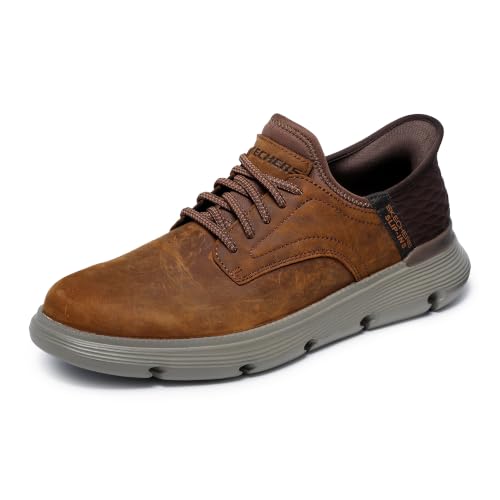


Consider your surfaces too. City pavements, park paths, and office floors stress shoes differently. A sole that grips wet streets and cushions long walks will serve daily life better than a fashion sole built for looks alone.
Casual Shoe Basics for Daily Wear
Daily shoes need cushion that lasts through thousands of steps, uppers that breathe, and soles that grip varied surfaces. Lightweight designs reduce fatigue, but very light shoes may wear faster under daily use. Balance weight with outsole thickness and upper strength.
Fit for daily wear differs from sport fit. Shoes should feel comfortable from morning to evening, not just for a short walk. Feet swell during the day, so afternoon fitting gives a truer sense of all day comfort.
Features to Compare
All Day Comfort and Cushion
Foam cushion should feel supportive, not just soft. Overly soft foam can feel unstable after hours, while firmer foam with good arch support lasts longer. Test shoes with a longer walk, since store laps hide fatigue that appears after several thousand steps.
Durability for Daily Miles
Daily shoes face pavement, weather, and repeated flexing. Check outsole thickness, toe reinforcement, and stitching at stress points. Shoes that survive a season of daily wear cost less per day than cheaper pairs replaced twice a year.
Style Range and Versatility
Clean sneakers suit jeans and casual offices, while leather casual shoes bridge to smarter outfits. Neutral colors pair with more clothes, while bright colors limit outfit options. Choose versatility first if you want one pair for most days.
Breathability and Weather Use
Mesh uppers breathe well in heat but soak through in rain. Leather resists weather better but runs warmer. If your climate mixes both, consider two pairs or a water resistant casual shoe that handles drizzle without overheating.
Ease of Wear and Fit Stability
Slip on styles save time but must grip the heel securely. Laced styles adjust better for wide or narrow feet. Check heel slip on stairs and toe room after walking, since daily shoes should never need constant adjustment.
Mistakes Daily Shoe Buyers Make
These errors lead to shoes that hurt by afternoon.
- Buying fashion shoes with thin soles for daily walking miles.
- Choosing size in the morning, then feeling tight by evening.
- Ignoring weather needs, so mesh shoes soak through on rainy commutes.
- Keeping one pair for every activity until soles and cushion fail together.
Checklist for Everyday Shoes
Test comfort on a longer walk in the afternoon, check sole grip and durability, and match style to your most worn outfits. Confirm breathability for your climate and heel hold on stairs. A pair that passes those daily tests will earn its place by the door.
Making the Final Choice
Everyday shoe budgets should reflect daily mileage. Light use allows affordable pairs, but daily walking demands durable soles and resilient cushion that cheaper shoes lose quickly. Mid range casual shoes often cost less per day than budget pairs replaced twice a year.
Premium pairs suit buyers who value materials and construction for years of wear. Calculate cost per day, not just shelf price, for honest comparison.
Judging comfort for daily shoes needs time. Walk for at least fifteen minutes, climb stairs, and stand still to test pressure points. Feet swell through the day, so afternoon trials give truer results.
Check heel slip, toe room, and arch support during movement, since store laps hide fatigue. A pair that stays comfortable after a long trial will serve daily life far better than one that only feels soft briefly.
Rotation is the simplest way to extend casual shoe life. Two pairs alternating days let foam recover and moisture dry, reducing odor and breakdown. Keep a smarter pair for outings and a durable pair for daily miles if your routine splits that way. Rotation also lets you match shoes to weather, with water resistant pairs for rain and breathable pairs for heat.
Weather and surface variety demand thoughtful choices. City pavements need grippy rubber, park paths need flexible soles, and office floors need quiet, non marking outsoles. A single pair rarely excels everywhere, so prioritize your dominant surface.
Water resistant treatment helps in rainy climates, while mesh ventilation matters most in hot regions. Match the shoe to where your feet actually go.
Style longevity matters for everyday shoes. Clean, simple designs in neutral colors stay wearable across seasons and trends, while bold patterns date quickly. A versatile pair that pairs with jeans, chinos, and casual work clothes reduces total purchases. When a shoe looks good with most of your wardrobe, it earns daily wear and better value.
First week checks for casual shoes should include full days, not just store laps. Wear them for work, errands, and walks, noting afternoon tightness, heel slip, and sole comfort on varied surfaces. Check whether the style pairs with your usual outfits in daylight.
If discomfort grows through the day, try different socks or lacing before the return window closes. Daily wear reveals problems that short trials hide.
Accessories for casual shoes include quality insoles, a cleaning kit, and weather protector for leather or suede. Insoles refresh cushion in older pairs and fine tune arch support. A simple brush and cleaner keep uppers looking fresh, while protector spray guards against rain stains. These small items extend shoe life and keep everyday pairs presentable.
Related Guides
If your needs are narrower, our guides to best casual dress shoes for men (smarter outfits), best walking shoes for men (long distances), best casual tennis shoes for men (sporty styles), and best casual shoes for men with jeans (denim pairings) go deeper.
Frequently Asked Questions
What casual shoes are best for walking all day?
Look for stable cushion, roomy toe boxes, and grippy rubber outsoles. Walking specific casual shoes and cushioned sneakers suit long days best. Test with a long walk, since short store trials hide fatigue and pressure points.
Can casual sneakers work in a casual office?
Clean, simple sneakers in neutral colors suit many casual offices. Avoid loud colors, worn soles, and athletic styling for work settings. Leather casual shoes offer a safer bridge when office norms are uncertain.
How many pairs of casual shoes do I need?
Two pairs cover most routines: one for daily walking and one smarter pair for outings. Rotation also extends shoe life by letting foam recover between wears. Heavy daily use may justify a third pair for wet weather.
Are slip on casual shoes supportive enough?
Slip ons suit short outings and easy days when heel fit is secure. For long walks, laced shoes adjust better and hold the foot steadier. Try slip ons on stairs and slopes before trusting them for full days.
How do I make casual shoes last longer?
Rotate pairs, air them after wear, and clean uppers regularly. Replace insoles when they flatten, and resole or retire shoes when outsoles wear thin. Keeping shoes dry between wears prevents odor and material breakdown.
Final Thoughts
The right best casual shoes for men pair feels comfortable all day, grips your usual surfaces, and matches most of your wardrobe. Use the product table above to compare casual styles, then test fit in the afternoon for true daily comfort. Good everyday shoes should disappear on your feet.


