
Best Casual Mountain Bike: Types Compared and How to Choose for 2026
Disclosure: We may earn a commission when you buy through links on this page, at no extra cost to you. As an Amazon Associate I earn from qualifying purchases. Learn more

Compare the best casual mountain bike types by frame, brakes, wheel size, and price, with simple guidance on hardtail, full suspension, and e bike options.
Shop listings mix trail bikes, city bikes, kids bikes, and electric models until everything starts to look the same. Finding the best casual mountain bike gets easier once you sort by type first and features second. This guide compares the main types in the comparison table below, then shows you how to choose between them.
Casual riding means park paths, gravel lanes, light trails, and short trips around town. You do not need race level parts for that job, but you do need the right frame size, reliable brakes, and tires that suit your ground.
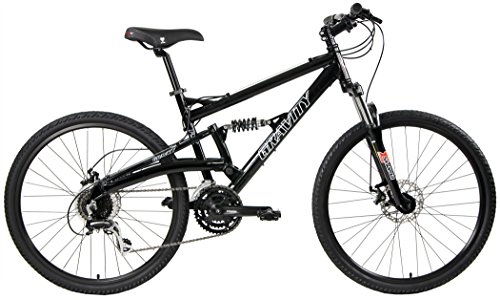
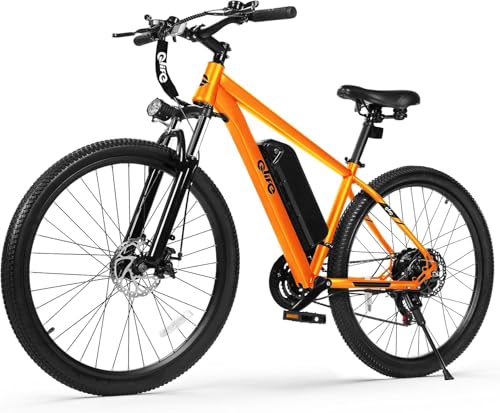
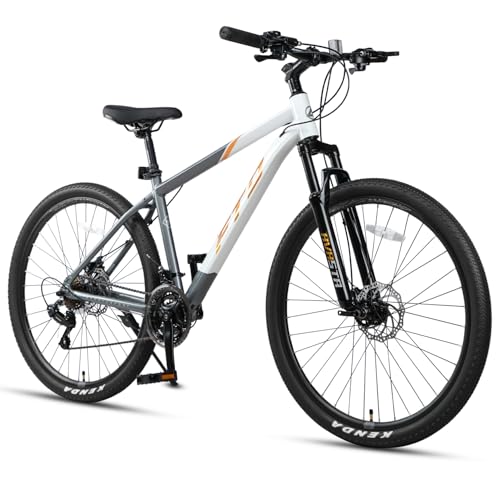

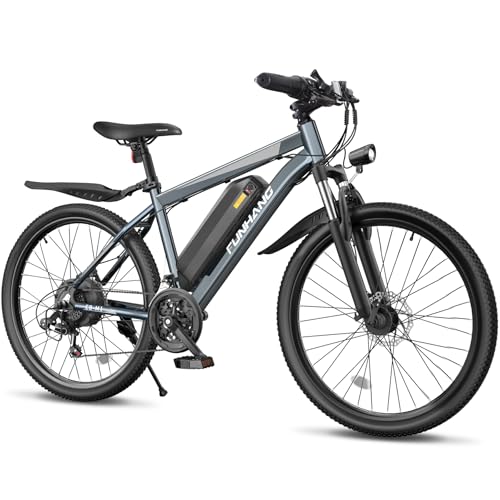


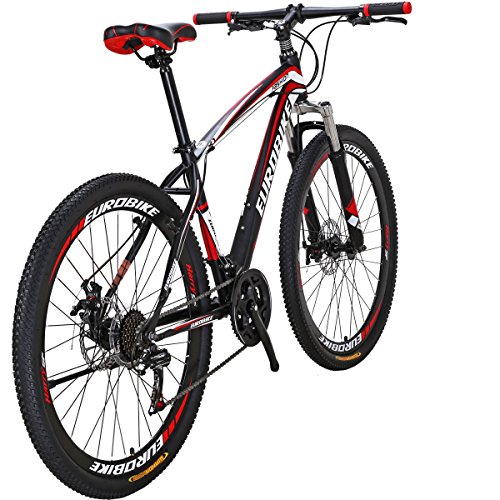
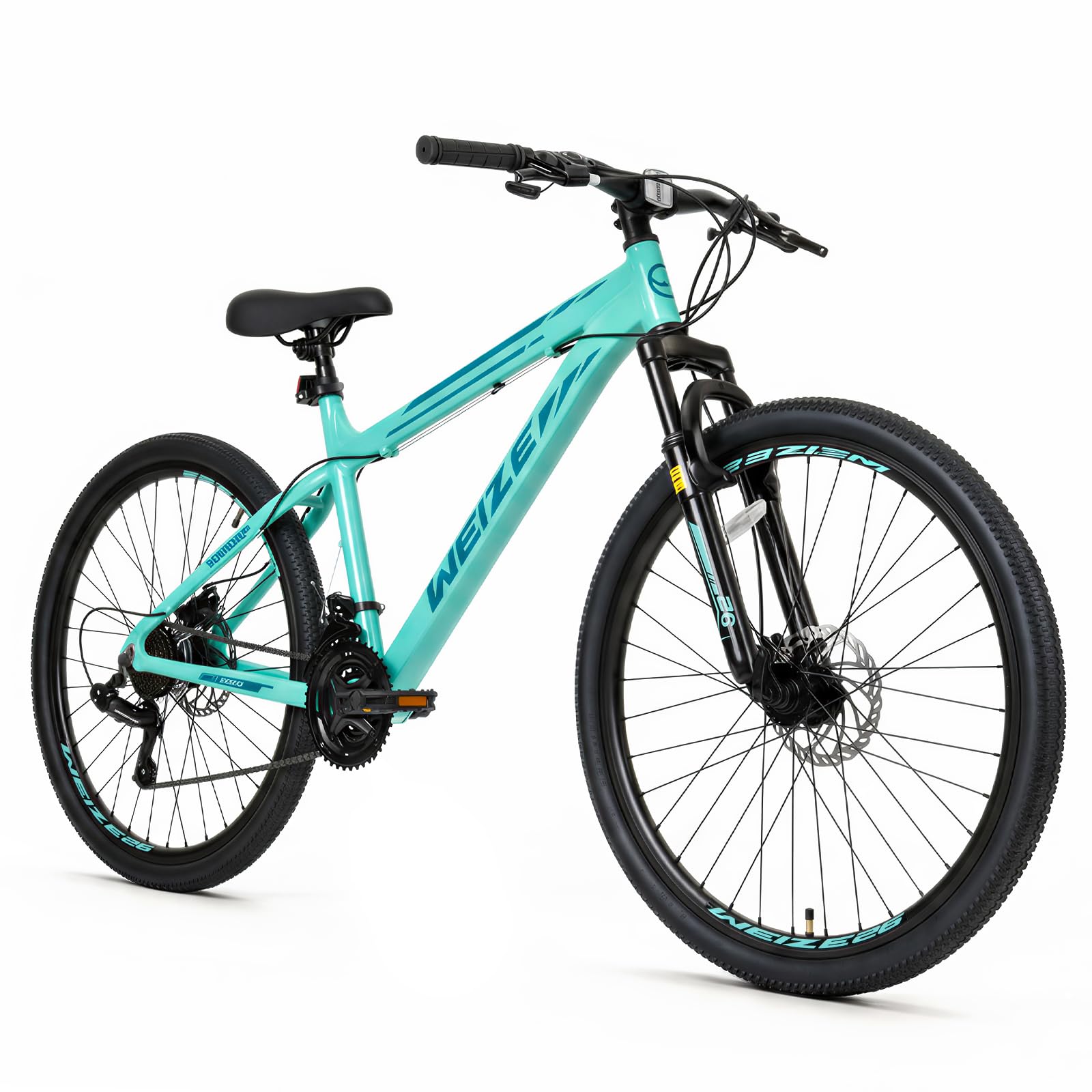
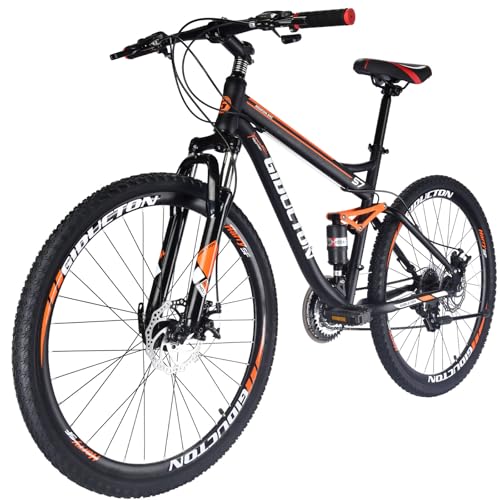
Types of Casual Mountain Bikes Compared
Think of the three types below as answers to three different questions. Hardtails answer a value and simplicity question. Full suspension models answer a rough ground question. Electric mountain bikes answer a hills and distance question. Prices vary widely, from around $200 for simple entry hardtails to about $2,000 or more for capable electric and full suspension designs.
Hardtail Mountain Bikes
A hardtail has suspension at the front fork and a rigid rear end. That simple layout keeps weight and cost down and makes the bike pedal efficiently on climbs and smooth trails. Most casual riders find a hardtail with about 100 to 120 mm of fork travel covers park trails and gravel well. Maintenance is simpler too, with no rear shock to service. The limit shows up on rocky or root filled descents, where the rear wheel bounces and your legs must absorb the hits.
Full Suspension Mountain Bikes
Full suspension bikes add a rear shock, so both wheels can follow rough ground. That brings better traction, more control on descents, and less fatigue on long trail days. Modern designs pedal better than older ones, though they still cost more and weigh more than a comparable hardtail. Choose this type if your casual rides include steep, uneven trails. If your ground is mostly smooth, the extra comfort may not justify the price and the added service needs.
Electric Mountain Bikes
Electric mountain bikes add a motor and battery to help with climbs, headwinds, and longer rides. Pedal assist feels natural, while a throttle can move the bike without pedaling where local rules allow it. Battery size, often stated in watt hours, shapes range more than motor power alone. These bikes suit adults who want trail access on weekends plus easier trips around town. They weigh more, cost more, and need charging and battery care that a plain bike never asks for.
If your riding is truly relaxed, our guide to the best mountain bike for casual rider focuses on comfort first setups for easy trails and paths.
Hardtail or Full Suspension: Which Should You Choose?
Most casual riders do well with a hardtail. It costs less, weighs less, and leaves more of your budget for good brakes and tires, which matter more for safety than a rear shock. Full suspension earns its price when your local trails are steep, rocky, or root filled, because the rear wheel keeps its grip and your legs and back take fewer hits.
Choose the hardtail when your rides are park paths, gravel lanes, and light trails. Choose full suspension when your casual rides still include rough descents. Choose an electric model when hills, distance, or fitness are the obstacle. Check local rules for electric bikes before you buy, since many places set speed limits and trail access rules.
How to Choose the Right Casual Mountain Bike
Brakes: Hydraulic vs Mechanical Disc
Disc brakes stop well in wet and muddy conditions, which suits off road riding. Hydraulic disc brakes give stronger stopping with less hand effort and adjust themselves as pads wear. Mechanical disc brakes use a cable, cost less, and are easier to fix at home, but they need more frequent adjustment. For casual trails, either type works if it is set up well. Heavier riders and steep descents favor hydraulic systems.
Bike Type and Riding Style
Match the bike to the ride you will do most often, not the hardest ride you can imagine. Cross country and trail styles suit mixed paths and moderate dirt. Enduro designs target steep descents and will feel slow and heavy on flat paths. If most miles are on pavement, a hybrid style tire on a mountain frame can be a smart compromise. Riders exploring broader categories can compare our overview of the best all mountain mountain bike for rougher terrain needs.
Wheel Size and Tires
Wheels are commonly 27.5 inch or 29 inch. Larger 29 inch wheels roll over roots and rocks more smoothly and hold speed well, while 27.5 inch wheels feel quicker to turn and fit smaller riders better. Tire width around 2.1 to 2.4 inches balances grip and rolling ease for casual trails. Tubeless setups, where the tire seals to the rim without an inner tube, let you run lower pressure for grip and reduce punctures from small thorns.
Weight and Components Upgrade Path
A lighter bike is easier to lift onto a car rack and kinder on climbs. Entry bikes often weigh more because of steel parts and basic forks. You can upgrade contact points later, such as tires, saddle, and pedals, which improves comfort without replacing the whole bike. Drivetrain upgrades cost more, so buy the gear range you need now. A single front chainring with a wide range rear cassette is simple and suits most casual riding.
Suspension and Travel
Travel is how far the suspension can move, stated in millimeters. About 100 mm suits smooth trails and gravel, 120 to 140 mm suits rougher trail riding, and 160 mm belongs to steep descent focused bikes. More travel adds weight and can feel vague on flat ground. A hardtail with a good fork often beats a cheap full suspension bike, because a poor rear shock adds bounce without control. For a wider view of frame styles, see our guide to the best mtb mountain bike types and uses.
Setup and Care Tips
- Check tire pressure before every ride, since low pressure risks rim damage and high pressure reduces grip.
- Set saddle height so your knee keeps a slight bend at the bottom of the pedal stroke.
- Clean and lube the chain every 100 to 200 miles, or sooner after wet and dusty rides.
- Check both brakes at walking pace after any adjustment, and stop if a lever pulls to the bar.
- Have a professional tune up once a year to check bearings, brake pads, and wheel alignment.
- Wear a helmet on every ride and add lights if your route shares space with traffic.
FAQs
How much should I spend on my first casual mountain bike?
Most adults get a reliable first bike for about $500 to $1,000, which usually buys an aluminum frame, disc brakes, and a decent fork. Spending less often means heavy parts and brakes that need constant adjustment. Spending more mainly buys lighter weight and smoother suspension. If you are unsure you will stick with riding, buy in the middle of that range and keep funds for a helmet, pump, and spare tube.
What e bike class is legal where I live?
Rules vary by state, city, and trail system, so check your local transport and parks authorities before you buy. Many places use a three class system based on top assisted speed and whether a throttle is fitted. Some trails allow only pedal assist models, and some paths ban e bikes entirely. The shop selling the bike should state its class clearly. Never assume a bike that is legal on the road is legal on your local trail.
What size bike do I need?
You need a size where you can stand over the frame with clearance and reach the bars without stretching. Brands publish height based size charts, but inseam and arm length matter too. Between sizes, smaller frames feel easier to handle for casual riding, while larger frames feel calmer at speed. A short parking lot ride reveals more than any chart, so take a short ride when you can and adjust the saddle before judging the fit.
How far can an electric mountain bike go on one charge?
Most electric mountain bikes cover about 25 to 60 miles per charge, depending on battery size, assist level, hills, rider weight, and wind. High assist on steep ground can cut that range sharply. Manufacturers often quote best case figures, so plan on less and keep a margin for the ride home. Larger batteries add range and weight in equal measure. Carrying the charger on longer trips is a simple backup.
Hardtail or full suspension for beginners?
A hardtail is the better first choice for most beginners because it costs less, weighs less, and teaches clean line choice on trails. Its simpler design also leaves more budget for good brakes and tires, which matter more for safety. Full suspension makes sense early only if your local trails are rough and rocky. You can always upgrade later once you know the terrain you enjoy most.
The Bottom Line
Pick the type first, then frame size, then brakes and tires. For most relaxed trail and path riding, a well fitted hardtail is the sensible answer, and the best casual mountain bike for you is the one you will ride often. Compare the options in the product table above and choose the type that matches your ground and your budget.


