Best Casual Boots in 2026: Types Compared and How to Choose
Disclosure: We may earn a commission when you buy through links on this page, at no extra cost to you. As an Amazon Associate I earn from qualifying purchases. Learn more

Compare casual boot types side by side, from supportive to waterproof styles, and learn fit, traction, and care tips to choose the right pair for daily wear.
Shopping for best casual boots can feel confusing because the category covers many shapes, heights, and materials, and each one suits a different daily routine. Some pairs are built for long walks on pavement, others for wet streets, and others for a softer feel around the house and neighborhood.
This guide compares the main types side by side, explains fit and traction in plain terms, and helps you match a pair to your feet and your week. Use the comparison table below as a quick overview, then read the sections that match how you will actually wear the boots.



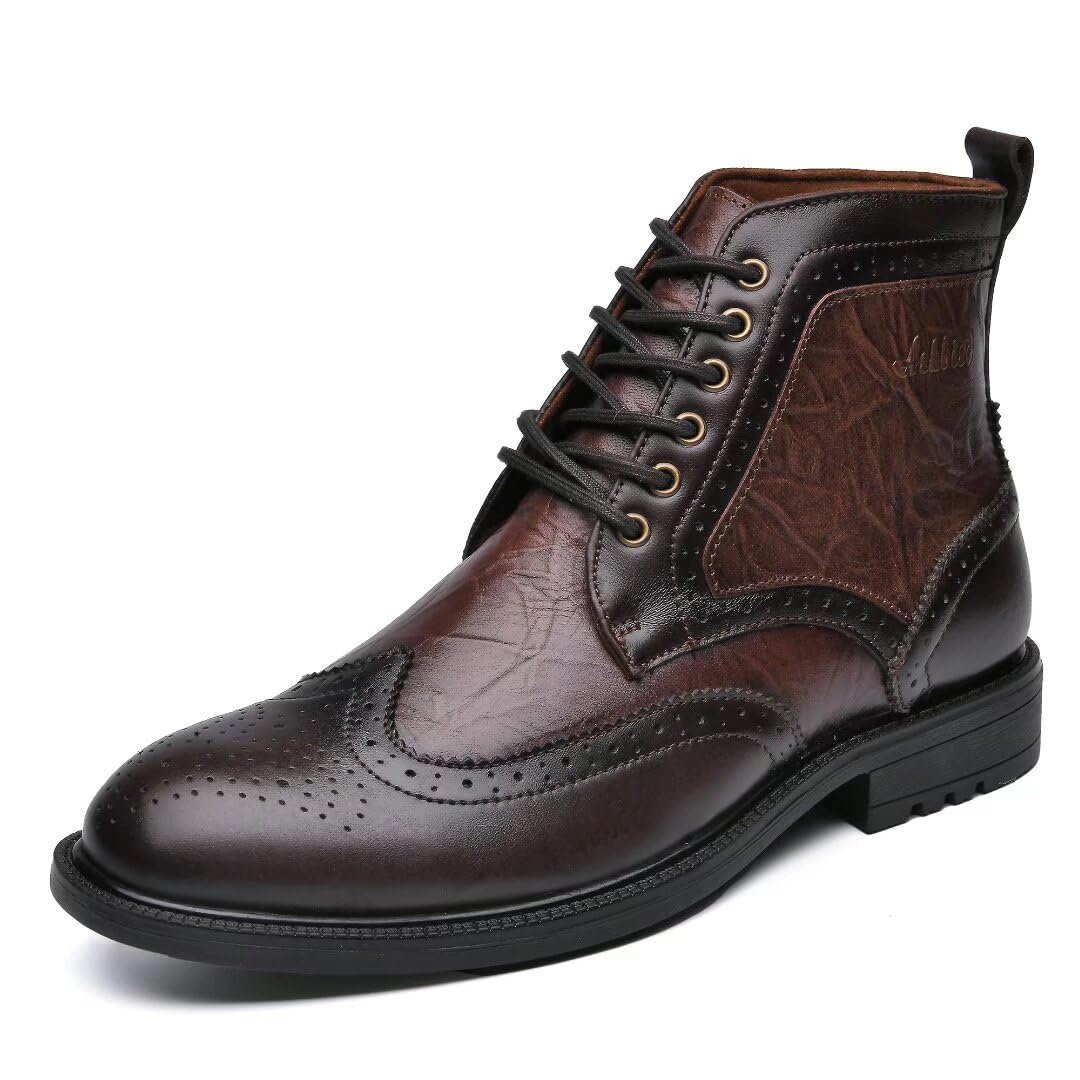

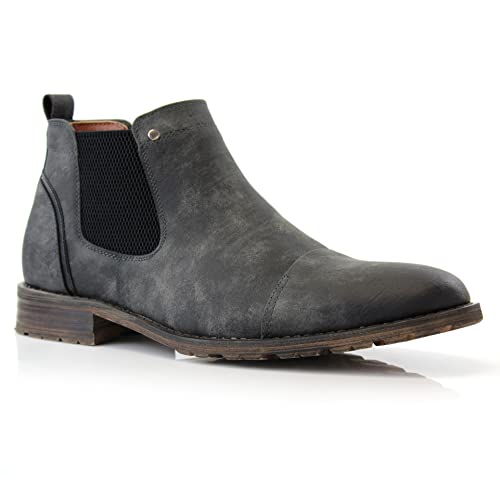


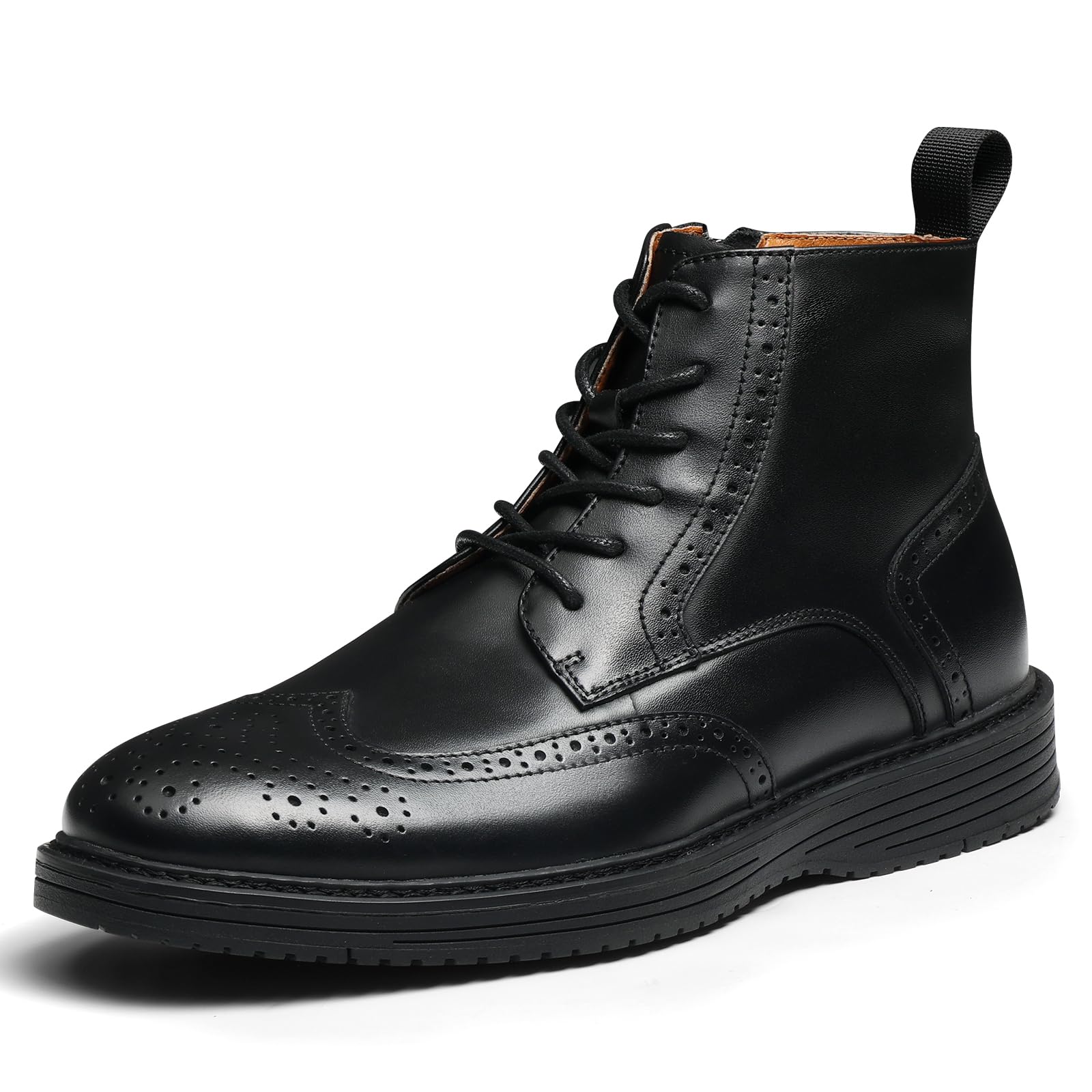

Types of Casual Boots Compared
The table below gives a fast overview, and the sections after it explain what each type does well and where it falls short. A good everyday boot should feel stable, bend where your foot bends, and leave room for your toes to move. Price alone does not tell you whether a pair will suit your feet.
| Type | Best For | Pros | Cons | Typical Price |
|---|---|---|---|---|
| Supportive casual boots | Long days on your feet and feet that tire easily | Steady feel, firm arch support, structured heel | Heavier feel and longer break in time | About $90 to $180 |
| Waterproof casual boots | Rain, puddles, and wet streets | Sealed seams and water resistant uppers | Less airflow and a stiffer feel at first | About $100 to $200 |
| Neutral casual boots | Short walks and easy everyday wear | Light feel, soft cushioning, easy flex | Less support for long standing days | About $70 to $150 |
Supportive Casual Boots
Supportive casual boots use a firmer midsole, a shaped footbed, and a heel counter that holds the back of the foot in place. That structure helps when your feet roll inward or when arches feel tired after a long day. The trade off is weight, because the extra structure adds material under and around the foot.
Choose this type if you stand for hours, walk several miles on pavement, or notice soreness in your arches by the afternoon. Try them later in the day, when feet are slightly larger, and walk on a hard floor before deciding. If pain keeps coming back, or if you notice numbness or swelling, talk with a clinician about your feet rather than trying to solve the problem with a new pair alone.
Waterproof Casual Boots
Waterproof casual boots use sealed seams, a water resistant upper, and a sole that keeps splash water from reaching the foot. They work best for rainy commutes, wet grass, and slushy streets where a plain leather or fabric boot would soak through quickly. The same sealing that keeps water out also traps warm air inside, so these boots can feel warmer than a breathable pair.
Choose this type if wet weather is a regular part of your week rather than a rare event. Check that the tongue is gusseted, which means it is attached on the sides to block water from sneaking in at the front. If you also need a smarter look for dinners or office days, see our guide to best casual dress boots, which covers dressier uppers that still handle everyday wear.
Neutral Casual Boots
Neutral casual boots use a softer midsole and a more flexible sole, so they move easily with a natural walking stride. They suit feet that do not need extra correction and days that mix short walks, errands, and time indoors. Because the cushioning is soft, it can compress faster under daily use than a firmer supportive sole.
Choose this type if your main goal is comfort for shorter outings and you do not stand for very long stretches. Look for a sole that bends at the ball of the foot, not in the middle, and a toe box that lets your toes spread. If you later find that your feet ache on longer days, a supportive style may suit you better than a softer neutral pair.
Supportive Casual Boots vs Waterproof Casual Boots: Which Should You Choose?
Start with the problem you face most often. If tired arches or long standing days are the main issue, support matters more than weather sealing. If wet streets are the main issue, sealing and traction matter more than a firm footbed, although many waterproof boots also offer decent support.
Compare them on five points: arch support, weather protection, weight, breathability, and break in time. Supportive boots win on arch support and steady feel, while waterproof boots win on weather protection and wet grip. Neutral boots sit between them on weight and comfort but lose on both support and sealing. If you need both support and weather protection, look for a waterproof boot with a firm footbed and a structured heel, and try it on a long walk before you commit.
How to Choose the Right Casual Boot
Fit shapes comfort more than any single feature, so work through the factors below in order. Start with your foot type, then check traction for the surfaces you walk on, then weigh weight against protection.
Arch Support and Foot Type
Flat feet often feel better with a firmer footbed and a heel counter that limits inward rolling. High arches often need softer cushioning under the middle of the foot, because less of the foot touches the ground. If you overpronate, which means your foot rolls inward as you walk, a supportive boot can feel steadier than a very soft neutral boot.
Outsole Traction and Terrain
Lug depth is the depth of the tread pattern on the sole, and deeper lugs grip loose surfaces better while shallower lugs feel smoother on pavement. For city walking, a moderate tread with rubber that grips wet pavement is usually enough. For trails, mud, or snow, look for deeper lugs and wider spacing so debris clears from the tread. A related option for trail days is covered in our guide to best casual hiking boots, which focuses on grip and ankle coverage for uneven ground.
Weight and Flexibility
Lighter boots feel easier over a full day, but very light boots often use thinner soles and less structure. Heavier boots protect better and last longer, yet they can tire your legs if you walk long distances. Bend the boot by hand: it should flex near the toes, where your foot naturally bends, and stay firm through the middle. If it folds in half easily, it may not support you well on long days.
Fit, Sizing, and Toe Box
Measure your feet in the afternoon, when they are at their largest, and try boots with the socks you plan to wear. Your toes should have room to wiggle, and the widest part of your foot should sit in the widest part of the boot. A wide toe box helps if your toes feel squeezed in narrow shoes. If one foot is larger than the other, fit the larger foot and use a thicker sock or an insole on the smaller side.
How to Make Your Casual Boot Last Longer
Rotate two pairs for daily wear when you can, because a rest day lets cushioning recover and lets moisture dry out of the lining. Air dry wet boots away from direct heat, since radiators and hair dryers can crack leather and warp soles. Clean mud from the tread after wet walks, condition leather when it looks dry, and replace a pair when the sole wears smooth, the heel tilts, or cushioning feels flat even after a rest day.
For days that mix riding and walking, a motorcycle focused option may suit you better, and our guide to best casual motorcycle boots explains ankle coverage and sole grip for that use. Keep that comparison in mind only if you ride regularly; for everyday walking, the types in this guide are the better starting point.
Casual Boots: Your Questions Answered
Are expensive casual boots worth it?
Expensive casual boots are worth it when the extra cost buys better materials, stronger stitching, and a sole that keeps its shape longer. They are not worth it when you pay mainly for a logo or a fashion detail that adds no comfort. Compare the footbed, the sole, and the upper material first, and choose the lowest priced pair that meets your fit and traction needs.
How often should I replace my casual boots?
Replace casual boots when the tread wears smooth, the heel leans to one side, or the cushioning no longer springs back after a rest day. For daily wear, that often means about one to two years, depending on mileage and surfaces. A second pair in rotation can extend that range, because each pair gets time to dry and recover between wears.
How long is the break in period?
The break in period for most casual boots is about one to two weeks of short wears, not a single long walk. Wear new boots around the house and on short errands first, and switch back to an older pair if hot spots appear. Leather boots usually take longer than fabric boots, and a pair that causes sharp pain from the start is a fit problem, not a break in problem.
How should casual boots fit?
Casual boots should fit snugly at the heel, with no slipping as you walk, and roomy at the toes, with space to wiggle. Your longest toe should sit about a thumb width from the front of the boot when you stand. Lace tension matters too: snug over the instep, looser near the toes, so blood flow stays comfortable on long days.
Do I need waterproof shoes?
You need waterproof boots if you walk in rain, puddles, or wet grass several times a week, because soaked linings stay damp and can chill your feet. You do not need them if most of your walking is indoors or on dry pavement, where a breathable boot will feel cooler. A water resistant finish can be a middle ground for light rain, but it will not hold up in standing water.
Can I wear them all day?
You can wear casual boots all day if the fit is right, the sole supports your arch type, and the weight suits your walking distance. Take a short break to air your feet if you stand in one place for hours, and change socks if they get damp. If you notice persistent pain, numbness, or swelling after all day wear, check the fit first and talk with a clinician if the problem continues.
Final Thoughts
The right pair comes down to three checks: support that matches your foot type, traction that matches your surfaces, and a fit that leaves room for your toes. Use the product table above to narrow the type, then try the finalists on a hard floor later in the day. For everyday comfort, best casual boots are the ones that disappear on your feet, not the ones that demand attention with every step.