Best Casual Gaming Mouse of 2026: Complete Buying Guide
Disclosure: We may earn a commission when you buy through links on this page, at no extra cost to you. As an Amazon Associate I earn from qualifying purchases. Learn more

Relaxed players can pick the best casual gaming mouse by sensor, shape, weight, wireless options, and lasting comfort at the desk.
A mouse for relaxed gaming has a different job than a mouse built for ranked matches. You need clicks that feel good, a shape you can hold for hours, and tracking that stays smooth across strategy games, story adventures, and everyday browsing. A strong best casual gaming mouse balances those comforts with simple setup and a fair price, and it skips the extreme specs you will rarely notice.
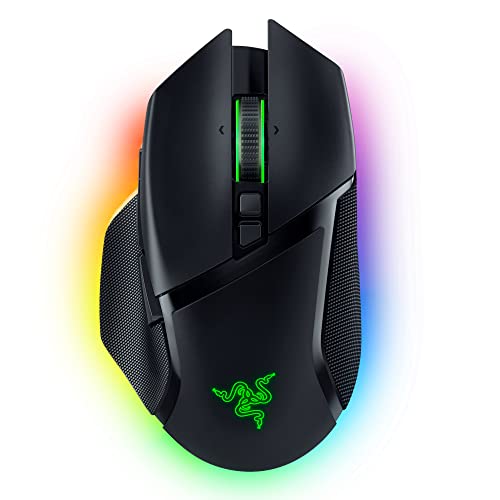
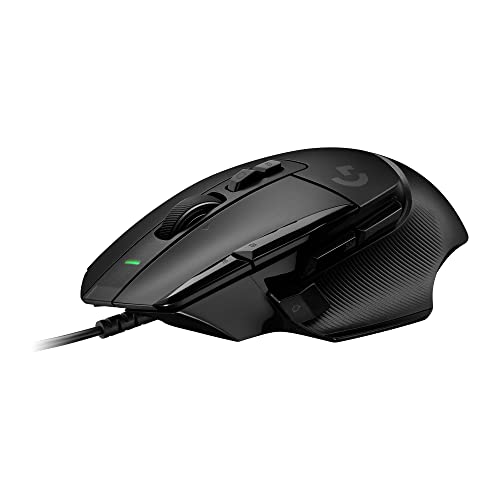
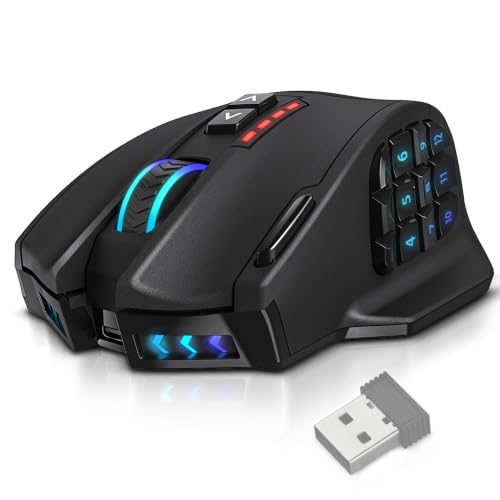
This guide walks through the choices that actually change how a casual mouse feels, from sensor behavior and switch type to weight, shape, and wireless options. Use the comparison table below to spot the models that match your hand and your desk.





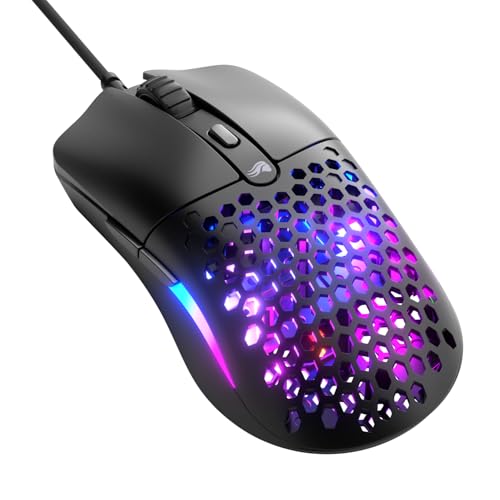
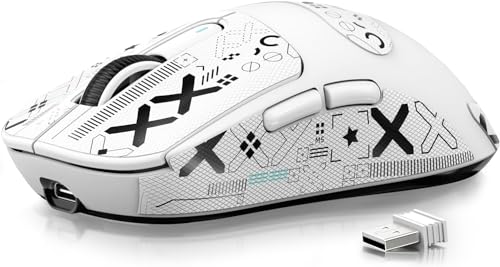
Who Should Buy a Casual Gaming Mouse
Casual players share a few needs that tournament focused gear often ignores. Comfort matters more than the lowest possible weight, buttons should be easy to reach, and the mouse should move between games and daily tasks without fuss. The three groups below cover most relaxed players.
Relaxed Players Who Mix Games and Everyday Tasks
You might play a city builder in the evening, browse in the morning, and join friends for a cooperative game on the weekend. A casual mouse suits you because it pairs responsive tracking with a comfortable shape that also works for spreadsheets and photo sorting. Look for a scroll wheel with clear steps and two side buttons you can map to back and forward.
Players on a Modest Budget Who Still Want Reliable Clicks
Spending less does not have to mean mushy buttons or a sensor that skips on your desk. Many affordable models use proven sensors and click switches rated for years of casual use, with simpler lighting and packaging instead. If price is your top concern, see our guide to the best inexpensive gaming mouse for options that keep costs down while covering the basics well.
Comfort First Players With Long Sessions at One Desk
If you play for two or three hours at a stretch, small shape details decide whether your hand feels fresh or tired. A gentle hump that fills your palm and a weight that does not drag help more than extra buttons. Players with wrist soreness often do better with a slightly taller shape that keeps the hand in a neutral position.
How to Choose a Casual Gaming Mouse
Choosing the best casual gaming mouse for your desk comes down to six practical factors, and none of them requires a tournament background to judge. Work through connection type, sensor and switches, shape, weight, durability, and software in that order.
Wired and Wireless Connections
A wired mouse never needs charging and gives a steady connection, which suits a fixed desk where the cable will not snag. Wireless models free your desk and let you play from a couch, and modern 2.4 GHz wireless latency is so low that most casual players cannot feel a delay. Bluetooth is handy for laptops and tablets because it needs no receiver, though it responds a touch slower and suits slower paced games best. If you go wireless, check whether the receiver stores inside the mouse and whether charging uses USB C.
Sensor and Switch Performance
The sensor controls how faithfully the cursor follows your hand. DPI describes sensitivity, and most casual players settle between 800 and 3200 DPI, using in game settings for fine control. Polling rate tells how often the mouse reports its position, and 1000 Hz is plenty smooth for relaxed play. Your display plays a part too, and our guide to the best gaming monitors explains the refresh rates that make higher polling rates feel worthwhile. For clicks, mechanical switches give a crisp feel, while some models let you swap switches later, a hot swappable design that changes click feel without replacing the whole mouse.
Ergonomics, Size, and Grip Style
Shape decides comfort more than any spec on the box. Palm grip users rest their whole hand on the mouse and usually like a larger body with a supportive hump. Claw grip users arch their fingers and prefer a shorter shell, while fingertip users like light, compact shapes. Measure your hand from fingertip to wrist crease, then compare it with the length listed for each model. If you later want a mouse built purely for competitive play, see our guide to the best mouse for gaming.
Weight and Build Quality
Most casual players are happiest between about 70 and 100 grams, light enough for easy flicks in action games yet heavy enough to feel controlled in menus and strategy maps. Very light shells can feel twitchy for slow, precise cursor work, while heavy models tire the wrist over a long session. Build quality shows in the details: buttons with little sideways wobble, a wheel that does not rattle, and feet that glide evenly. A matte shell resists shine better than a glossy one, and flexible cables drag far less than stiff ones.
Durability and Warranty
Click switches carry a rating in millions of presses, and a rating around 20 million or higher gives casual players many years of use. The scroll wheel encoder matters too, because a worn wheel often fails before the main buttons do. Check the warranty length before you buy, since one year is common and two years gives welcome peace of mind. Keep your receipt so a claim stays simple if a button starts to double click.
Customization and Software
Companion software lets you set DPI steps, remap side buttons, and adjust or switch off lighting. For casual play, the most useful settings are simple ones: a DPI button you can press mid game, a macro for a repeated command in a strategy title, and profiles for different games. Onboard memory is worth having because the mouse keeps your settings when you move to another computer. If you share a family computer, choose a model that works well with default settings so nobody has to open an app before playing.
Casual Gaming Mice Compared With Other Options
The product table above shows how casual models differ from nearby styles. Each style below trades something away, so the right choice depends on where and how you play most often.
Ergonomic Models
Ergonomic models tilt the hand into a more upright position, which can ease wrist strain during long workdays. They feel great for browsing and slow paced games, but the unusual angle takes practice for fast aiming. Choose one if wrist comfort is your main concern and your games reward patience more than speed.
Wired Models
Wired models remain the simplest option: plug in once and play, with no battery to manage and no receiver to lose. They often cost less than wireless equivalents with the same sensor. The cable is the only real drawback, and a simple cable holder solves most snagging. A dedicated desk setup rarely misses wireless freedom.
Wireless Models
Wireless models clean up your desk and travel easily between rooms, and they pair well with a pad when you buy them as a bundle, a pairing covered in our guide to the best gaming mouse and pad. Battery life ranges from a few days of heavy use to several weeks with lighting off. They suit laptop players and anyone who dislikes cable drag, as long as you build a small charging habit.
Compact and Travel Models
Compact models slip into a laptop sleeve and work on small trays and hotel desks. The tradeoff is a smaller grip that can cramp larger hands during long sessions, plus fewer buttons. They make a smart second mouse for travel, but most players still prefer a full size shape at home.
How to Check Fit and Set Up Your Mouse
A short setup routine makes a new mouse feel right within the first evening. Place the mouse where your hand naturally rests, with your elbow near a right angle and your shoulder relaxed. Set your main DPI step near 1600, play one familiar game for fifteen minutes, then adjust in small steps until turns feel controlled.
Next, map the side buttons to actions you repeat often, such as melee, push to talk, or back in a browser, and keep the mapping identical across games so muscle memory builds. Turn lighting low or off if battery life matters. Finally, give the new shape a full week before judging it, because a grip that feels odd on day one often feels natural once your hand adapts.
Common Mistakes to Avoid
- Buying the lightest mouse you can find for large hands, which leaves your fingers cramped and sore after an hour of play.
- Chasing the highest DPI number on the box, which makes the cursor jumpy and hard to control in menus and shooters alike.
- Picking a shape that fights your natural grip style, which causes wrist fatigue that no sensor upgrade can fix.
- Ignoring your laptop ports when choosing wireless, which can leave you hunting for an adapter because the receiver needs a port you do not have.
- Playing directly on a glass or glossy desk, which makes many sensors skip and lose tracking at the worst moments.
- Leaving the polling rate at maximum on a wireless mouse you rarely charge, which drains the battery much faster for no visible gain in casual games.
How to Make Your Casual Gaming Mouse Last Longer
A few small habits keep clicks crisp and tracking smooth for years. None of them takes more than a couple of minutes, and most fit into a monthly routine.
- Wipe the shell with a soft, slightly damp cloth to remove oils, and keep liquids away from the scroll wheel and button gaps.
- Clean the sensor lens with a dry cotton swab, since dust and pet hair near the lens cause most tracking skips.
- Play on a clean pad that protects the feet from wear, and our guide to the best gaming mouse mat explains which sizes suit a casual desk.
- Charge wireless models before the battery runs fully flat, and store the receiver inside the mouse when you travel.
- Update firmware through the companion app when a fix is offered, and skip updates mid game so nothing interrupts a session.
- Replace worn feet when the glide feels scratchy, because fresh feet restore smooth movement for very little cost.
Frequently Asked Questions
Does a casual gaming mouse work with Mac computers and consoles?
Yes, a casual gaming mouse works with Mac computers and most consoles for basic pointing and clicking. Console support depends on the game, since many titles allow a mouse only in menus or in specific modes, so check each game before you rely on it. On a Mac, button remapping software may offer fewer features than on Windows, so check your side buttons early.
Are mechanical switches worth it in a casual gaming mouse?
Yes, mechanical switches are worth it in a casual gaming mouse because they give a clear, satisfying click that stays consistent for years. One point the product page rarely mentions is sound: standard switches click audibly, which can bother family members in a shared room during late sessions. If you play at night near others, look for models described as quiet, or choose optical switches, which feel slightly softer but much quieter.
Is a wired or wireless casual gaming mouse better for a shared family computer?
A wired casual gaming mouse is often better for a shared family computer because it is always ready and nobody can lose the receiver. Every player gets the same feel with no pairing steps and no flat battery surprises. If your family computer sits in a living room and players sit at different distances, wireless earns its place, but assign one charging spot so the mouse always returns there.
What DPI does a casual gaming mouse need for most games?
Most casual players need a casual gaming mouse set between 800 and 3200 DPI, adjusted to taste. A useful method is to change DPI in steps of about 200 and give each setting one full session before judging it, because quick menu checks feel different from real play. Remember that in game sensitivity multiplies your DPI, so a small change in one place equals a change in the other.
Final Thoughts
Comfort, a sensor you can trust, and a connection style that fits your desk matter far more than headline numbers. Match the shape to your hand and grip, keep the weight moderate, and pick software features you will actually use. When you are ready, compare your shortlist against the product table above and choose the best casual gaming mouse that fits your hand, your games, and your budget.