
Best Casual Chelsea Boots 2026: Types Compared and How to Choose
Disclosure: We may earn a commission when you buy through links on this page, at no extra cost to you. As an Amazon Associate I earn from qualifying purchases. Learn more

Compare casual Chelsea boot types by upper, fit, sole and comfort, and learn how to choose the best casual chelsea boots for daily wear and travel.
Chelsea boots look simple, yet small choices in leather, sole and shaft shape change how a pair feels. The best casual chelsea boots for you depend on your weather, your walking distance and the clothes you wear most. This guide compares the main types by use, so you can narrow your style first.
Start with the fit and sole you need for a normal week, then pick the upper that matches your wardrobe. The comparison table below gathers the core options in one place.


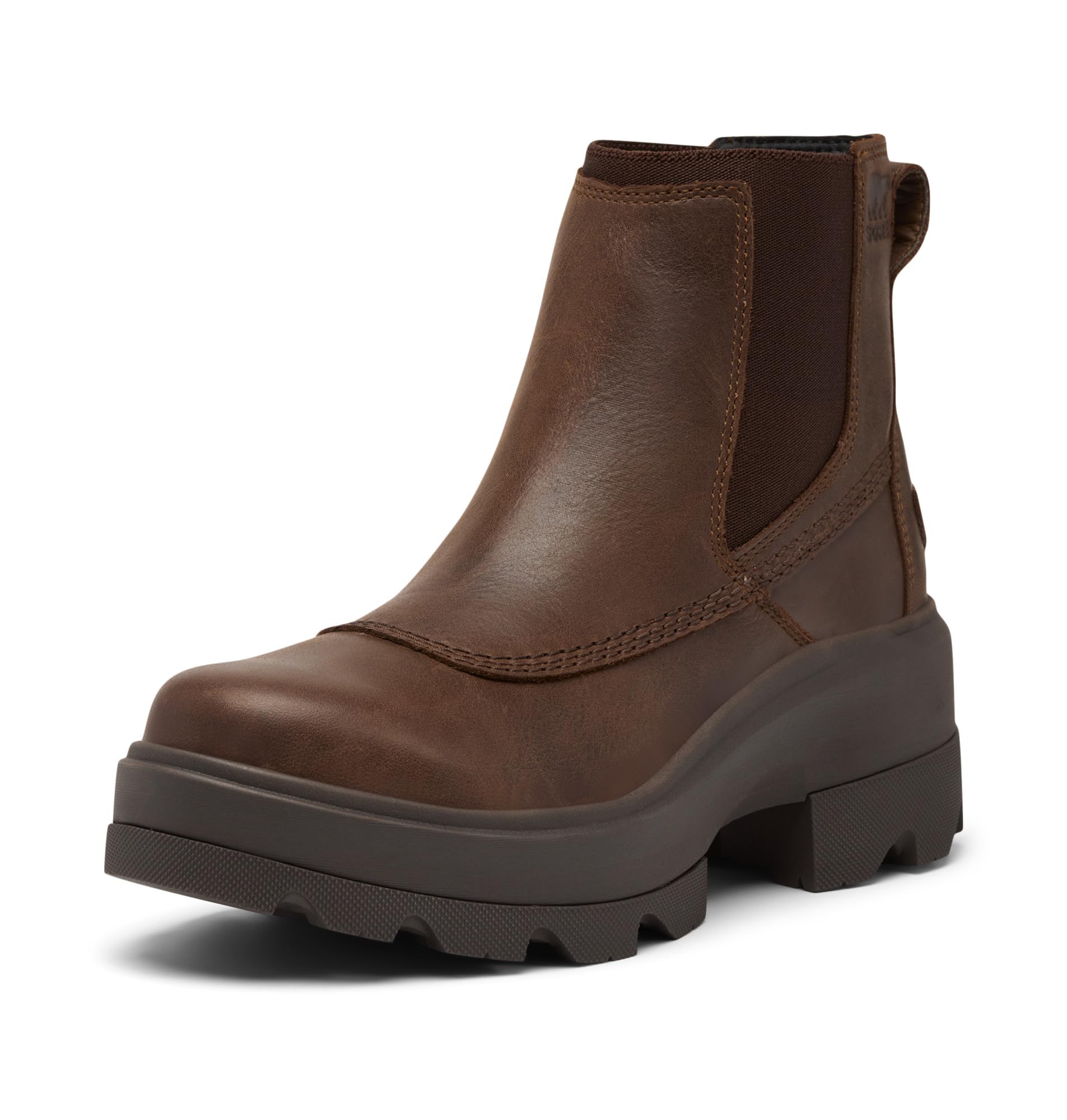

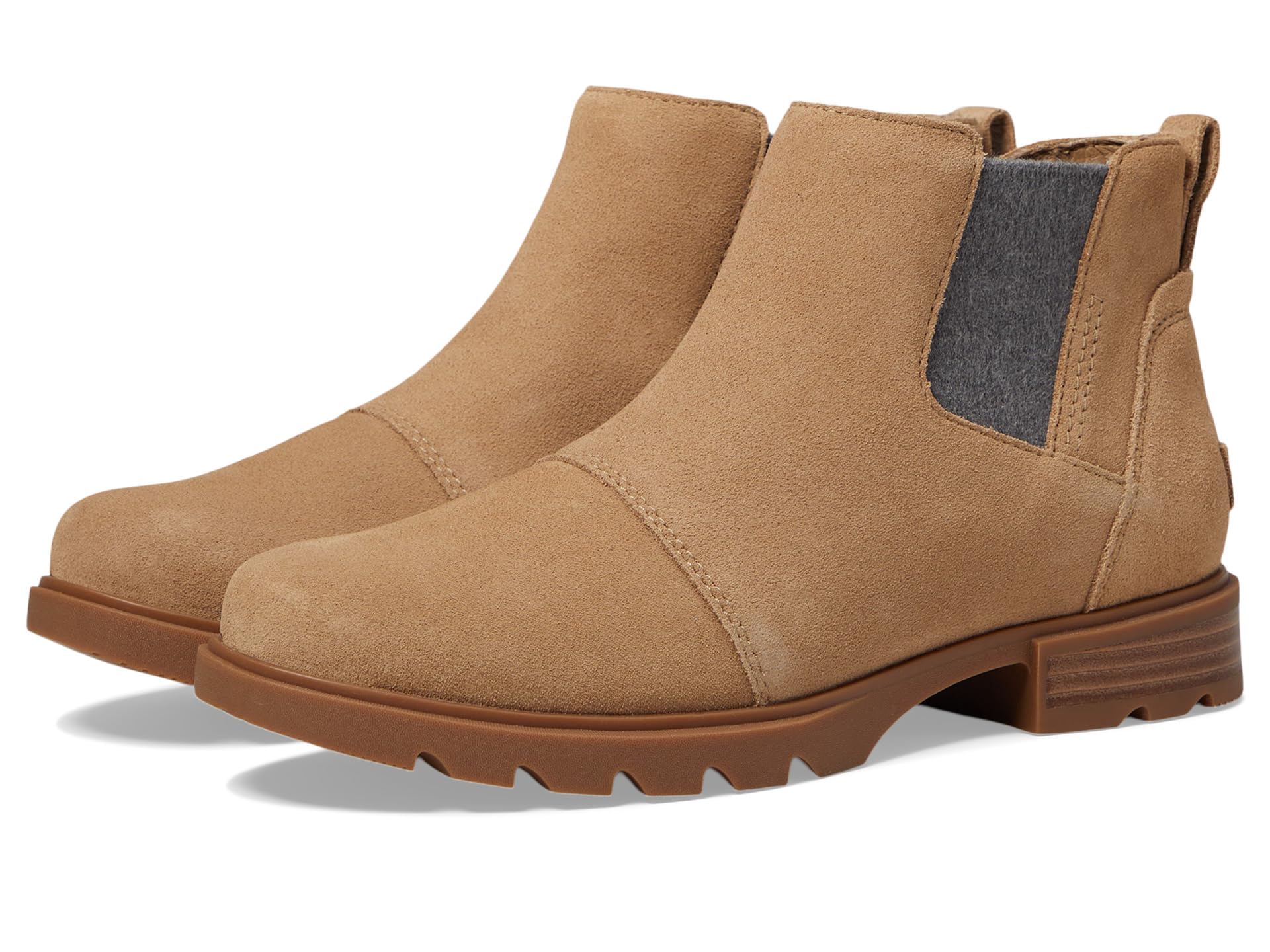
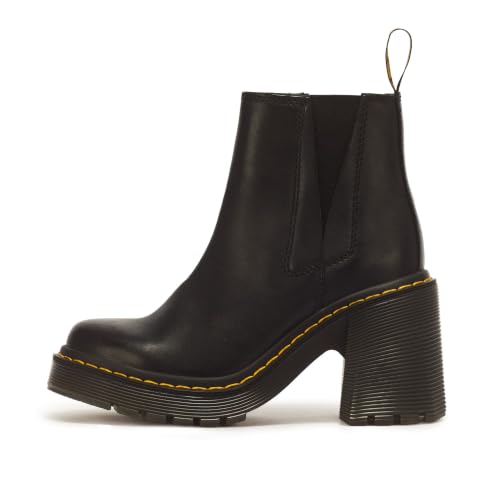
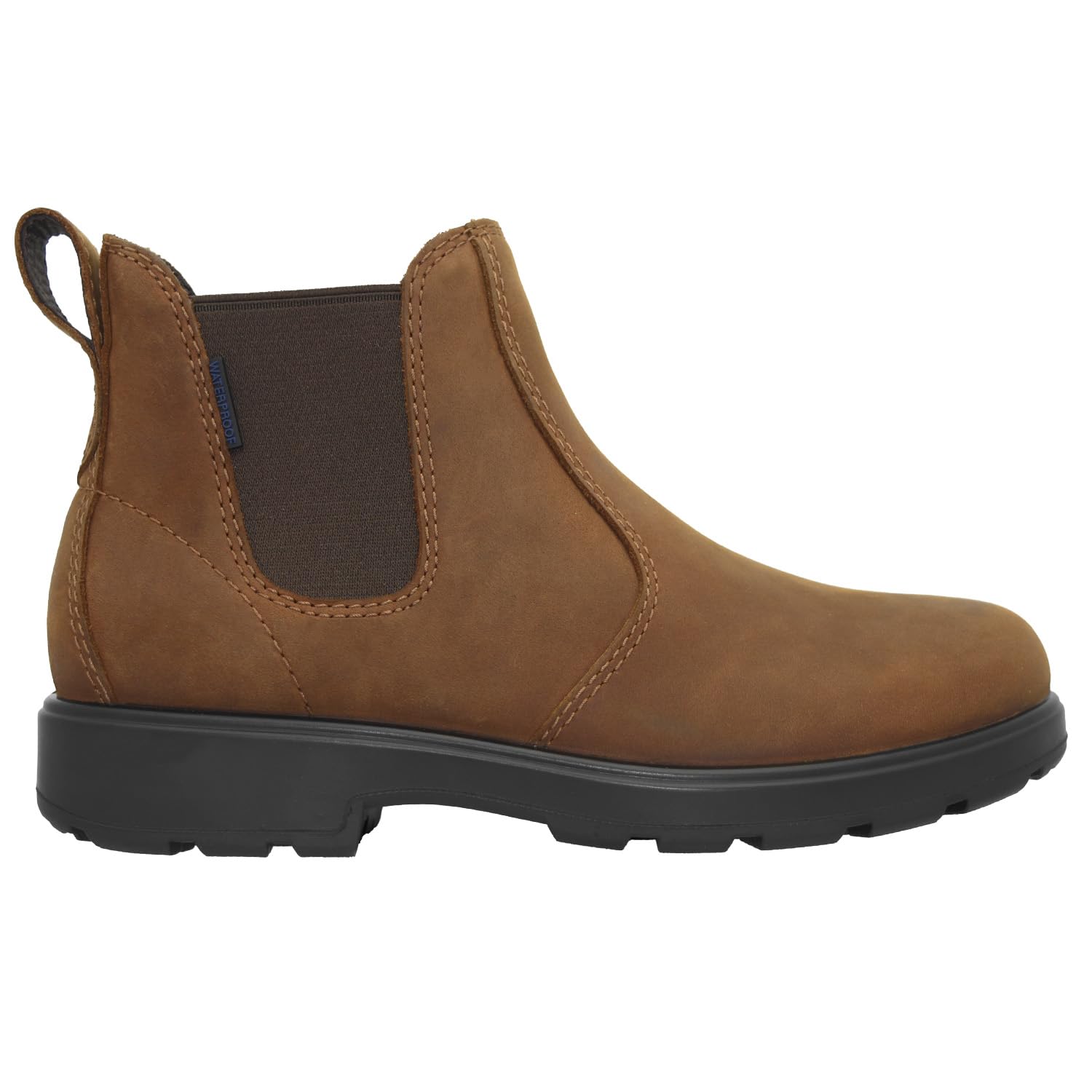


Who Should Buy Casual Chelsea Boots
Commuters Who Want One Pair for Work and Evenings
If your office dress code is smart casual, a smooth leather pair in black or dark brown covers meetings and dinners without a shoe change. Choose a low profile rubber sole for quiet steps and a cushioned insole for standing on trains. A slim almond toe keeps the look tidy with tapered trousers.
Weekend Dressers Who Live in Jeans and Chinos
For jeans, chinos and casual shirts, suede or nubuck in tan or light brown gives a softer look that suits relaxed plans. A round toe and a slightly wider fit feel better for market trips, school runs and long lunches. Pick a sole with visible tread for park paths and wet pavements. Men who want fit notes by foot shape can see our guide to the best chelsea boots for men.
Travelers Who Need One Slip On Pair for a Whole Trip
A single pair that packs well saves suitcase space and speeds up airport security checks. Look for a light rubber outsole, padding around the ankle and a pull tab you can grip with one finger. Dark leather hides scuffs and pairs with trousers and jeans alike.
Key Features to Compare in Casual Chelsea Boots
When you compare the best casual chelsea boots side by side, judge each pair against your own week. The factors below decide comfort, grip and how long the boots stay looking good.
Upper Material: Leather, Suede or Nubuck
Smooth full grain leather resists light rain, wipes clean and suits smarter outfits, though it can feel stiff for the first few wears. Suede and nubuck feel softer from day one and look relaxed with denim, but they mark more easily and need a brush and a protective spray. Some pairs add a waterproof membrane lining such as Gore Tex, which sheds heavier rain yet feels less breathable on warm days, so choose it only if wet weather is a weekly reality.
Elastic Panels and Pull Tabs for Easy Entry
The elastic side panels make a Chelsea boot a true slip on shoe, and their quality decides how easy entry stays after months of use. Firm elastic should stretch enough for your heel to pass, then close snugly around the ankle without gaping as you walk. A sturdy pull tab lets you use your full hand strength instead of tugging at the elastic, which protects the panels. If the panels feel loose in the store, they will only feel looser later.
Getting the Right Chelsea Boot Fit
Try boots late in the day, when your feet are at their largest, and wear the socks you plan to use most. Your toes should lie flat with a small space in front, and the toe box should let them spread a little when you stand. Most casual shafts rise about 5 to 6 inches and should hug the ankle without rubbing the bone. If you sit between sizes, the longer size with a thin insole usually beats a short pair that squeezes your toes.
Outsole Grip and Heel Height
A flat rubber outsole with shallow tread suits dry city streets and gives quiet, stable steps on tile and wood floors. A lug sole with deeper grooves grips wet pavement and gravel better, but it looks bolder and can feel heavier over a long day. Most casual styles use a low heel of about 1 to 1.5 inches, which keeps your posture natural for walking. Choose crepe soles for soft cushioning on short outings, knowing the pale rubber wears faster.
Cushioning and Support for Long Days
Comfort comes from the insole, the midsole foam and the shape under your arch working together, not from softness alone. A molded insole with gentle arch support steadies your foot on long walks, while a very flat insole can leave your arches tired by evening. Removable insoles are a plus if you use your own inserts.
Types of Casual Chelsea Boots Compared
The three types below cover most casual needs, each favoring a different mix of polish, softness and grip. Treat the price ranges as a guide.
Classic Leather Chelsea Boots for Polished Casual Days
This is the most versatile type, with a smooth upper, a slim profile and a plain rubber sole. It works with chinos, dark jeans and casual blazers, moving from desk to dinner with no fuss. Expect to pay about $150 to $300 for solid leather and a sole a cobbler can replace. The trade off is a firmer first week of wear, plus regular conditioning to stop the leather drying at the creases.
Suede Chelsea Boots for Relaxed Weekend Wear
Suede pairs trade polish for texture, pairing best with denim, cords and knitwear. The upper flexes easily, so the break in period feels short, and most pairs cost about $120 to $250. They are a poor choice for daily rain, since repeated soaking flattens the nap and leaves water marks. Keep them as a fair weather staple and rotate them with a leather pair.
Chunky Lug Sole Chelsea Boots for Wet Streets and Travel
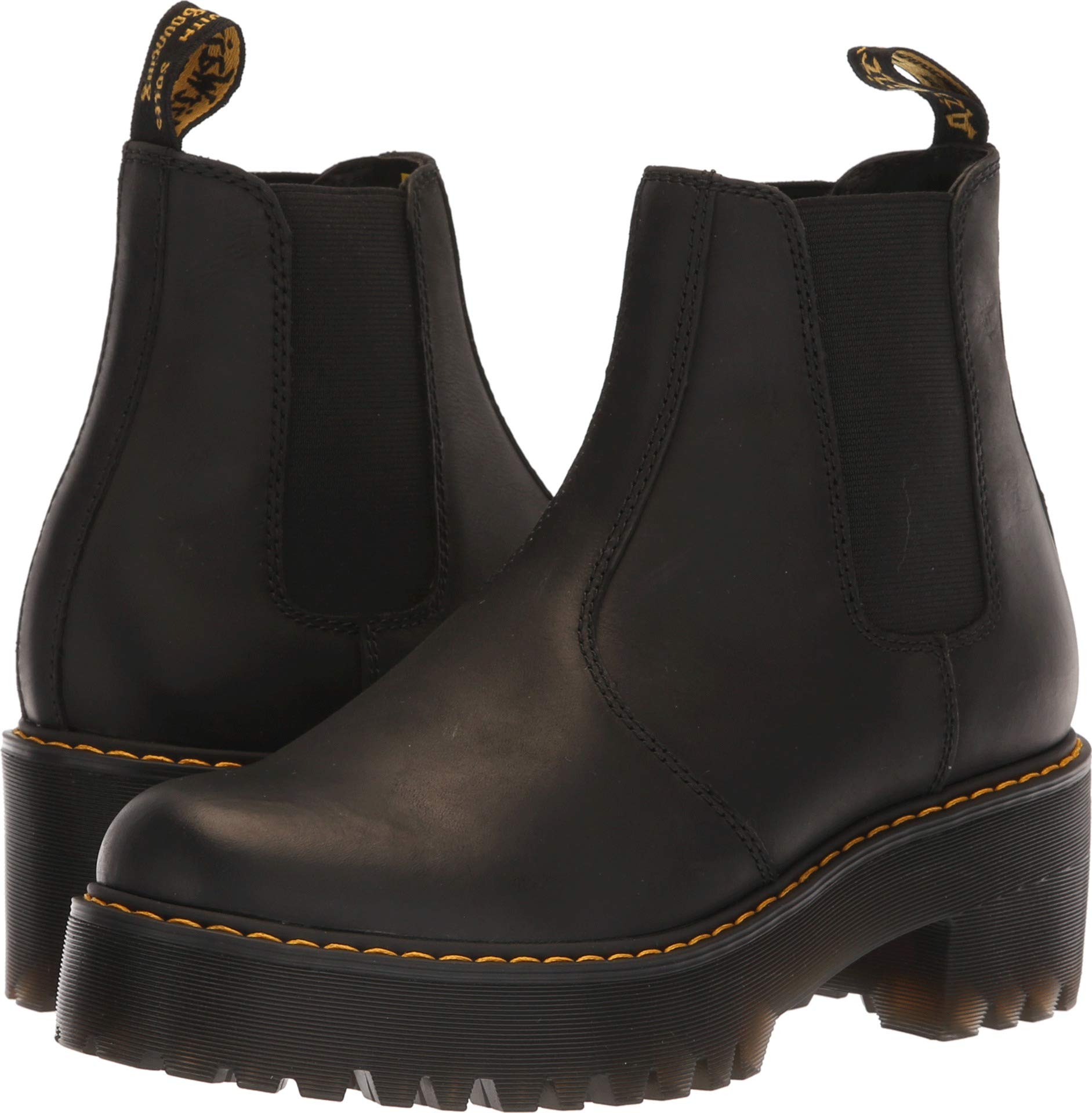
A thicker lug sole and a slightly taller shaft give this type a rugged look that suits straight leg jeans and casual jackets. The deep tread helps on slick leaves, light snow and uneven ground, and most pairs cost about $140 to $280. The trade off is weight and a bolder silhouette that can overwhelm slim trousers. Choose this type if you walk a lot in poor weather.
Common Mistakes to Avoid With Casual Chelsea Boots
- Buying a tight pair and counting on stretch leaves your toes sore, since leather eases across the width but never adds length.
- Choosing pale suede as your only pair for a rainy season leads to stained uppers that never look clean again.
- Ignoring outsole tread for wet streets raises your slip risk on smooth stone and tile.
- Picking a shaft that rubs your ankle bone causes blisters that return on every wear.
- Storing boots while damp traps odor inside and can crack the leather.
Care and Maintenance for Casual Chelsea Boots
Rest your boots for a full day between wears so the insoles and leather can dry. Cedar shoe trees absorb moisture, smooth creases at the vamp and keep the toe from curling in storage. Brush dust off after each wear and apply a thin coat of conditioner every few months.
For suede and nubuck, use a dry brush to lift the nap and a suede eraser on small marks, and refresh the protective spray after cleaning. If a pair gets soaked, stuff it loosely with plain paper and let it dry at room temperature away from direct heat. Check the outsole edges each season, since a cobbler can fix early wear for far less than a new pair. See our guide to the best chelsea boots for a wider look at the style.
Casual Chelsea Boots: Your Questions Answered
Can I wear casual Chelsea boots all day?
Yes, you can wear casual Chelsea boots all day if the insole has real arch support and the toe box leaves room to spread. For days that mix walking with long standing, choose cushioned socks with a padded sole, which reduce heel pressure in a way the body sections above do not cover. If your feet ache by midday, shorten the wear time for a week, since stiff leather softens with gradual use.
Do casual Chelsea boots need to be waterproof?
No, casual Chelsea boots do not need to be fully waterproof for most city wear. A water resistant leather upper handles light rain and splashes, while sealed seams and a membrane lining matter only if you often walk through deep puddles or wet grass. One point the fit section did not raise is puddle depth, since water above the elastic panels will enter at the sides no matter how good the leather is.
How long is the break in period for casual Chelsea boots?
The break in period for casual Chelsea boots is usually about three to five wears for leather and one or two wears for suede. A small amount of heel slip is normal at first and fades as the insole molds to your foot. Wear thick socks and take short walks for the first outings, and use a plain bandage on any hot spot before it turns into a blister.
How should casual Chelsea boots fit at the ankle and toes?
Casual Chelsea boots should fit close at the ankle and relaxed at the toes, with no pinching when you bend your foot. The elastic panels should flex as you walk but return flat against your leg, and gaping panels mean the shaft is too wide for you. A useful check the sizing section did not mention is to remove the insole and stand on it, since your foot should sit inside its shape.
Are expensive casual Chelsea boots worth the extra cost?
Expensive casual Chelsea boots can be worth it if the higher price buys replaceable soles and thicker leather that ages well. A resoleable pair worn for four seasons often costs less per wear than a glued sole pair replaced every year. Spend more only when you will wear the style weekly.
Our Verdict
Pick your type by weather and wardrobe first, then confirm the fit, and let grip decide between a flat sole and a lug sole. Leather suits most people as a first pair, suede adds soft texture for dry weekends, and chunky soles earn their weight in wet months. For a broader shortlist, see our guide to the best casual boots, and for a work setting, see our guide to the best chelsea work boots. The best casual chelsea boots are the pair you wear without thinking twice, so use the product table above to compare your finalists.


