
Best Childrens Sandals 2026 Guide
Disclosure: We may earn a commission when you buy through links on this page, at no extra cost to you. As an Amazon Associate I earn from qualifying purchases. Learn more

Childrens sandals need secure fits, grippy soles, and easy cleaning for active kids. Learn how to choose sandals for play, water, and walks.
Children need sandals that stay on during play, grip wet surfaces, and survive daily adventures. The best childrens sandals balance secure straps, flexible soles, and easy cleaning, so kids can run, splash, and explore comfortably. The comparison table below gives a quick overview, and this guide explains how to choose sandals that suit your child's activities.
Start with how your child will use them. Playground play, beach days, water parks, and neighborhood walks each demand different grip, coverage, and drying speed. A sandal that works well for dry play may slip dangerously when wet, while a water sandal may feel heavy for all day walking. Matching sandals to activities keeps kids safe and comfortable.

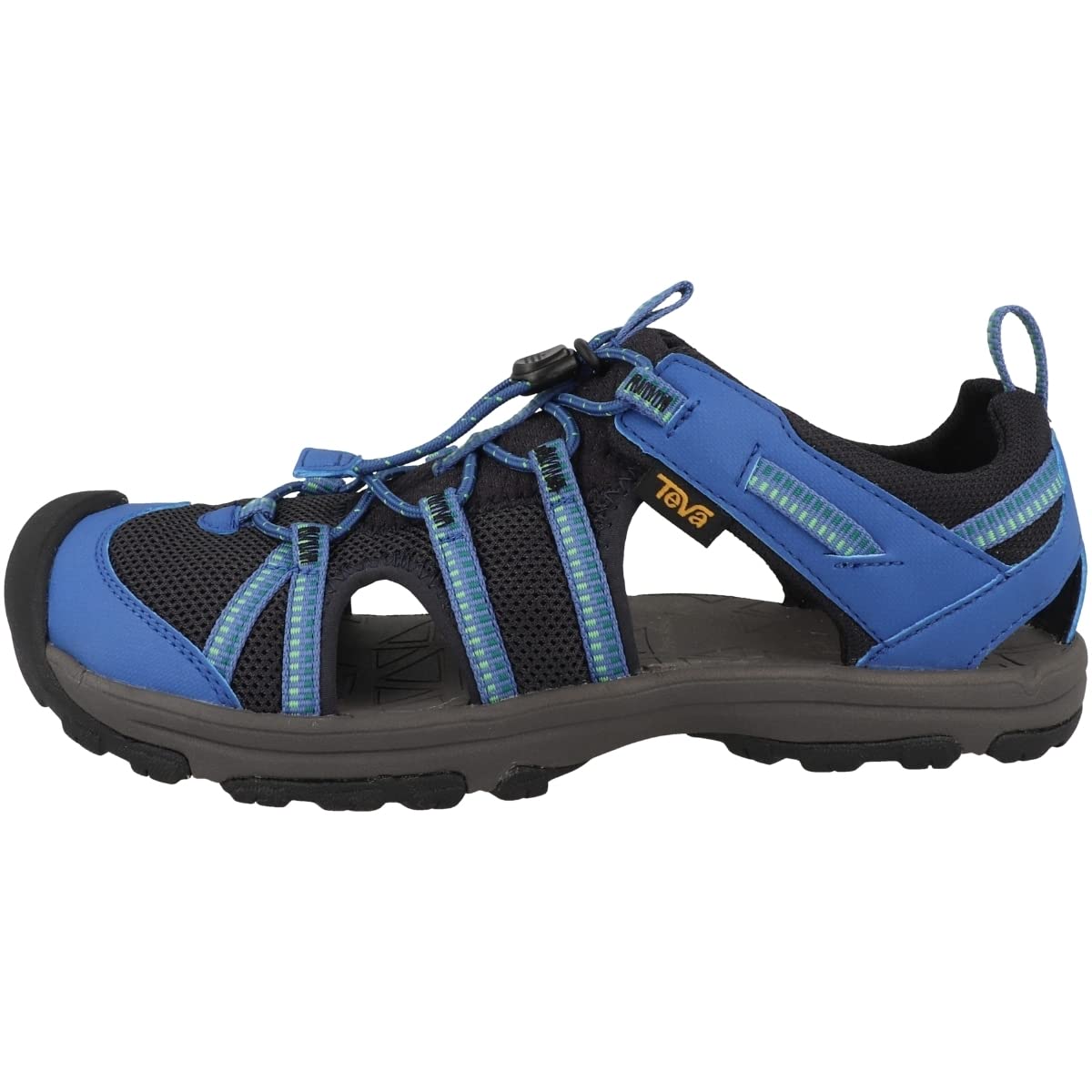
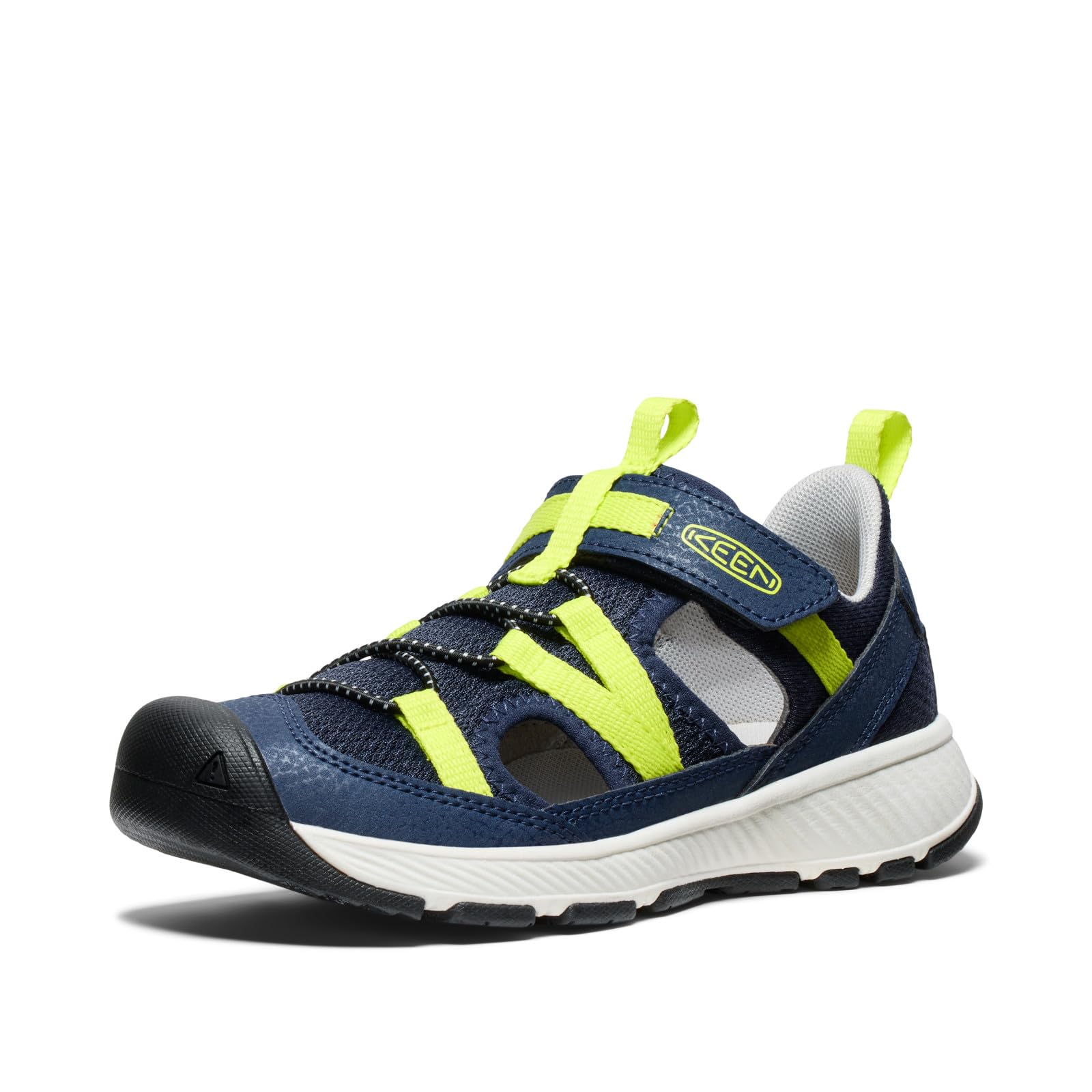
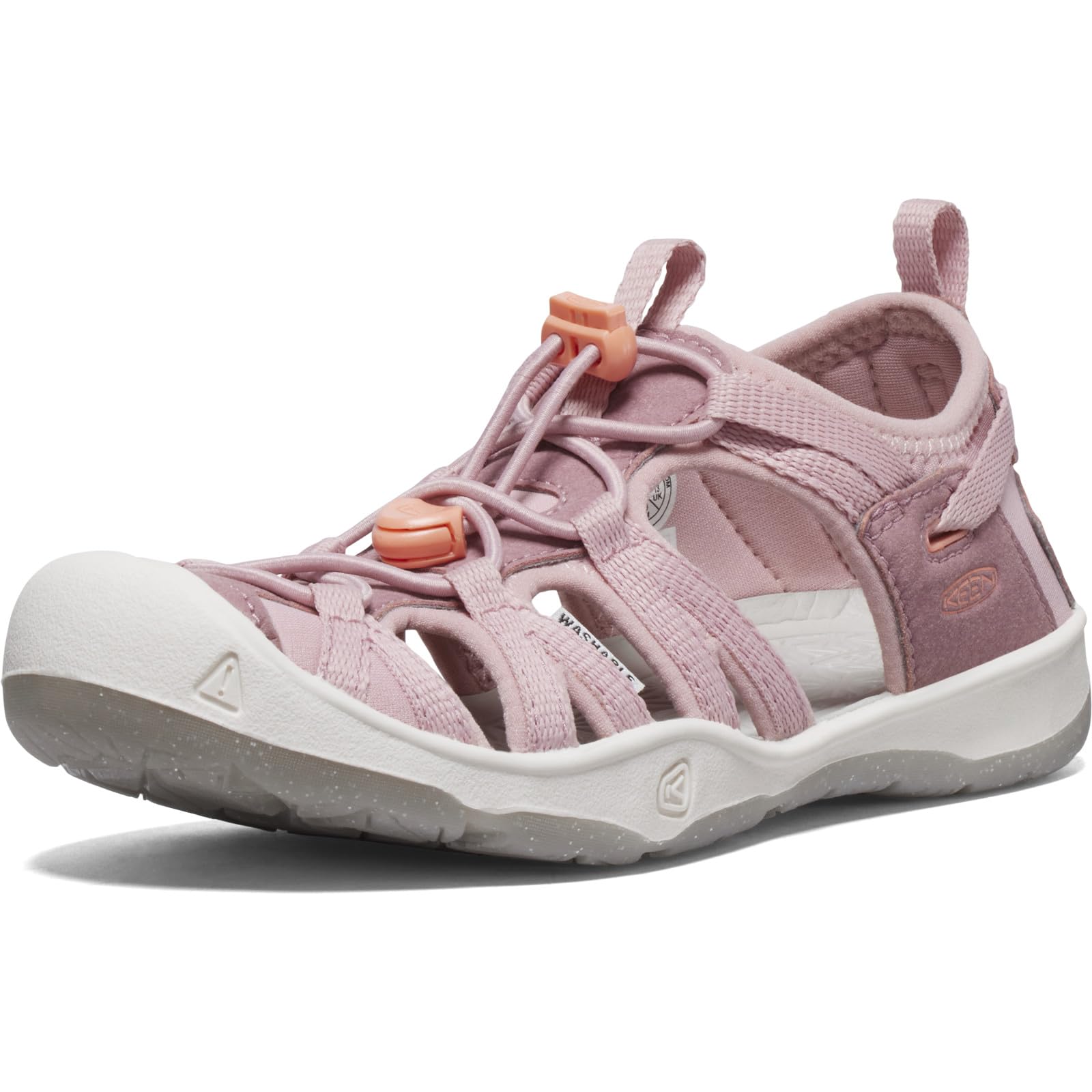
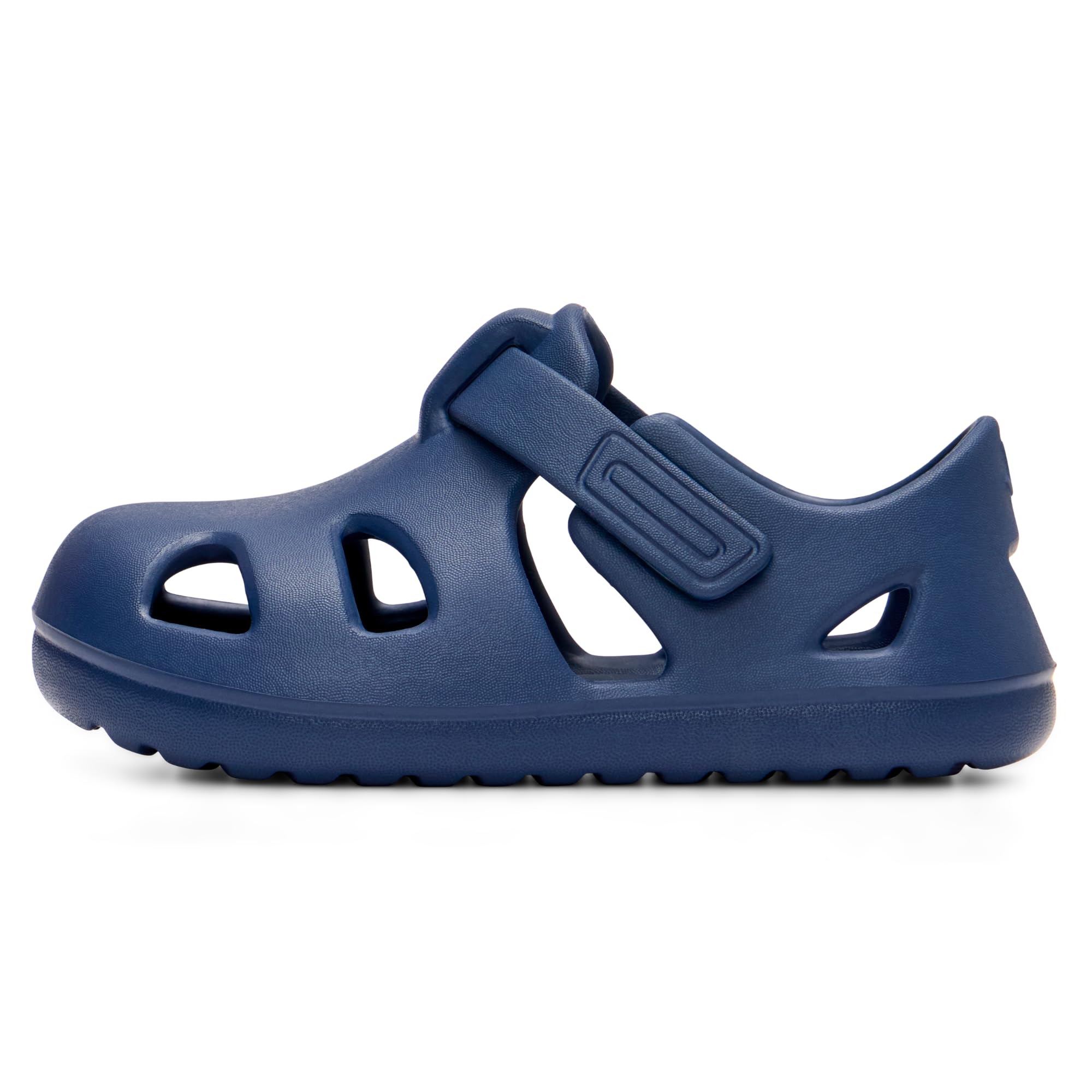


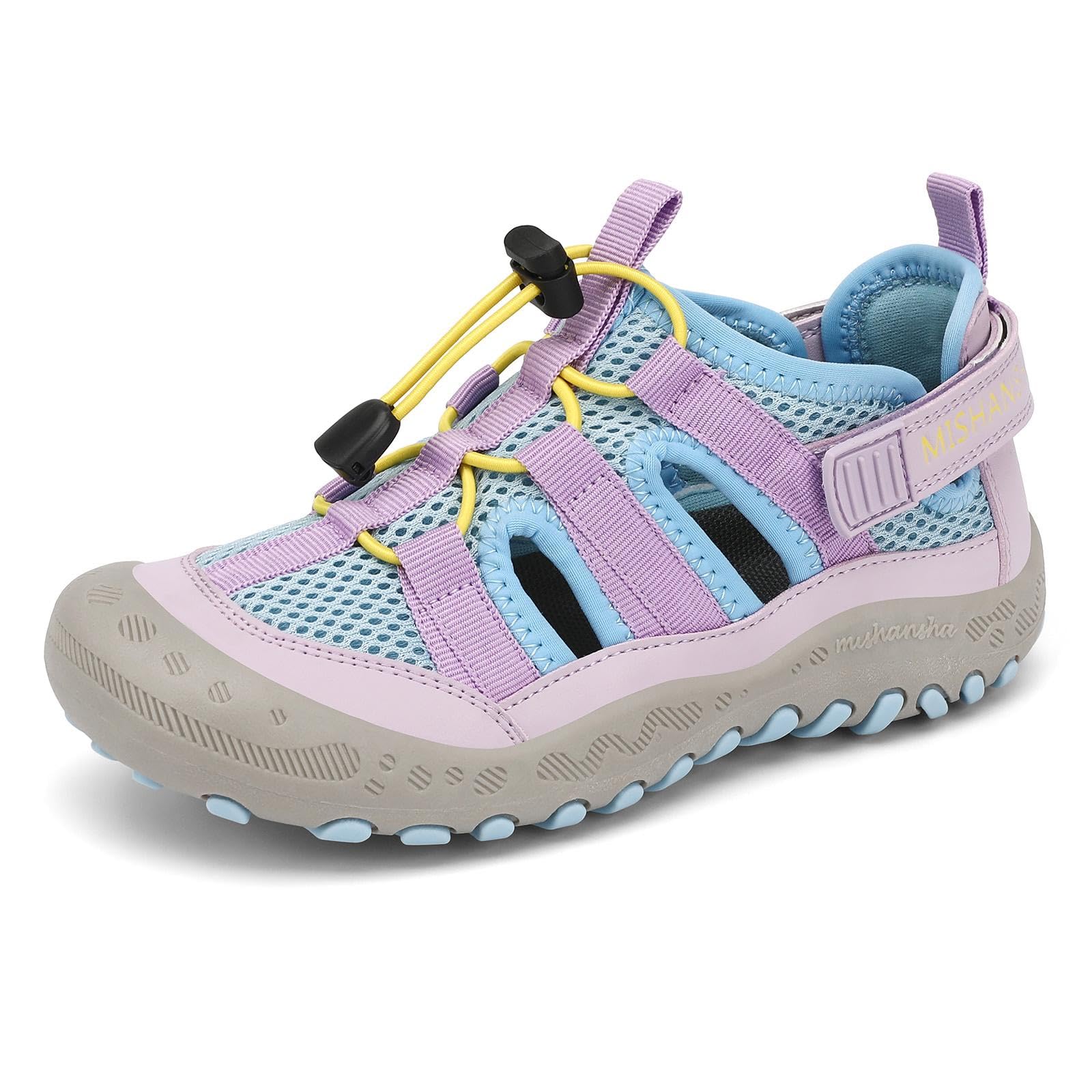
Types of Childrens Sandals Compared
Childrens sandals range from sporty closed toe models to simple slide styles. Each suits different play and safety needs.
Closed Toe Sport Sandals
Closed toe sport sandals protect toes during active play on playgrounds, trails, and rocky beaches. They offer secure straps, grippy soles, and sturdy construction that handles running and climbing. Their drawback is less ventilation and slower drying than open styles. For adventurous play, toe protection is often worth the trade off.
Open Toe Walking Sandals
Open toe walking sandals are lighter and cooler, with straps that secure the foot for neighborhood walks and casual outings. They suit dry, smooth surfaces and warm days. Their open toes offer less protection on rough ground, so reserve them for gentler activities. Check strap adjustability, since growing feet need room to adjust.
Water Sandals
Water sandals use quick drying materials and grippy soles for beaches, pools, and splash pads. They drain well and resist slipping on wet surfaces, which makes them safer around water. Their soles may feel firmer for long dry walks, so they work best as a dedicated water pair rather than an all day shoe. Rinse them after salt or chlorine use to extend life.
How to Choose the Right Childrens Sandals
Fit, grip, and adjustability matter most for active children. Check each before buying, and let your child walk in them first.
Fit and Strap Security
Sandals should fit snugly without pinching, with straps that adjust as feet grow and swell in heat. The heel should stay secure during running, and toes should not hang over the front edge. Let your child walk, run, and jump briefly in the shop to test real movement, since standing still hides fit problems.
Sole Grip and Flexibility
Soles should grip wet and dry surfaces without feeling stiff or heavy. Flexible soles let feet move naturally, while very rigid soles tire young walkers. Check tread depth and pattern, especially for water use. A sole that slips on wet tiles is unsafe regardless of how comfortable it feels when dry.
Materials and Easy Cleaning
Children's sandals get dirty, wet, and muddy regularly, so easy cleaning matters. Materials that rinse clean and dry quickly suit active use far better than fabrics that stain or stay damp. Check that straps and buckles survive repeated washing, and avoid materials that absorb odors quickly.
To compare nearby options, see our guides to best rated sandals and best sandals for plantar.
Common Mistakes to Avoid
A common mistake is buying sandals a size too large to grow into. Oversized sandals trip children, rub heels, and slip during play, which increases fall risk. Buy the correct size now, with adjustable straps to accommodate modest growth, and replace sandals when toes reach the front edge or straps no longer secure the foot.
Another mistake is choosing fashion sandals for active play. Thin soled, loosely strapped styles may look cute but offer little grip or protection on playgrounds and wet surfaces. Reserve delicate styles for short, calm outings, and choose sporty, secure sandals for running, climbing, and water play.
Planning for Everyday Use
Think about your child's routine and how many pairs make sense. Many families keep a sturdy play pair and a water pair, which covers most activities without compromise. Rotating pairs also lets wet sandals dry fully, which reduces odor and material breakdown over time.
Check sandals regularly as children grow quickly. Straps loosen, soles wear smooth, and sizes change within months. A quick monthly check for worn tread, frayed straps, and tight fit keeps sandals safe. Replacing worn sandals promptly protects feet and prevents slips.
Getting More From Your Childrens Sandals
Teach children to put sandals on correctly and check straps themselves. A quick strap check before running off prevents loose sandals from slipping mid play. Show them how tight straps should feel: snug without pinching, with heels secure. Independence in footwear checks builds safety habits that carry into sports and other activities.
Keep a spare pair of sandals in the car or beach bag for emergencies. Children outgrow shoes suddenly, straps break, and sandals get lost at parks and beaches. A backup pair prevents barefoot walks on hot pavements or rough ground. Choose an inexpensive but secure backup rather than a flimsy pair that offers no real protection.
Rinse sandals after beach and pool use to prevent salt, sand, and chlorine damage. Sand trapped in straps abrades skin and wears materials, while chlorine degrades some soles over time. A quick rinse and full drying after water play extends sandal life and keeps them comfortable for the next outing.
Frequently Asked Questions
How should childrens sandals fit?
They should fit snugly at the heel and midfoot, with toes fully inside the sole edge and room to wiggle. Straps should adjust to hold the foot without pinching. Let your child walk and run briefly to test fit in motion, and avoid buying oversized pairs to grow into, since loose sandals increase tripping.
Are closed toe sandals better for children?
For active play on playgrounds, trails, and rocky surfaces, closed toes protect against stubbed toes and scrapes. Open toes suit calmer walks and warm, dry days. Many parents choose closed toe sandals for adventurous play and open styles for gentle outings, matching protection to activity.
Can children wear sandals for all day walking?
Well fitted sport sandals with cushioned soles and secure straps can handle all day walking, especially in warm weather. Very flat or loose sandals tire feet and increase blister risk over long distances. For very long walks, closed walking shoes often provide better support and protection.
How do I clean childrens sandals?
Rinse sandals after mud, sand, salt water, or chlorine use, and wash with mild soap when needed. Let them dry fully at room temperature away from direct heat, which can warp soles and straps. Regular rinsing prevents odor and material breakdown, especially for water sandals.
When should I replace childrens sandals?
Replace sandals when soles wear smooth, straps fray or no longer secure the foot, or toes reach the front edge. Children outgrow sandals quickly, so check fit monthly during growth spurts. Worn tread increases slip risk on wet surfaces, which is a clear replacement signal.
Final Thoughts
The best childrens sandals stay secure, grip well, and suit your child's real activities. Use the comparison table above to compare types, then test fit and grip with your child walking and playing. Safe, comfortable sandals let kids enjoy warm weather without constant adjustments or slips.
When you shop for best childrens sandals, prioritize secure fit, grippy soles, and easy cleaning over style alone. Those qualities keep active kids safe and comfortable through every summer adventure.


