
Best Casual Boots for Women in 2026: Types Compared and How to Choose
Disclosure: We may earn a commission when you buy through links on this page, at no extra cost to you. As an Amazon Associate I earn from qualifying purchases. Learn more

Compare each type's pros and cons, ideal users, and price range to pick the best casual boots for women, from ankle styles to tall shafts.
Boots look straightforward on a shelf and complicated on your feet. Shaft height, heel shape and calf fit change how a pair feels by the end of the day. This guide compares the best casual boots for women by type first, then by the fit details that decide comfort, so you can match a style to your wardrobe. The comparison table below lays the types side by side.
Women specific lasts matter here. Many are built on a narrower heel cup and a slimmer ankle than unisex styles, with wider calf options. The broader best casual boots guide covers shared ground, while this page stays with the cuts women actually shop for.

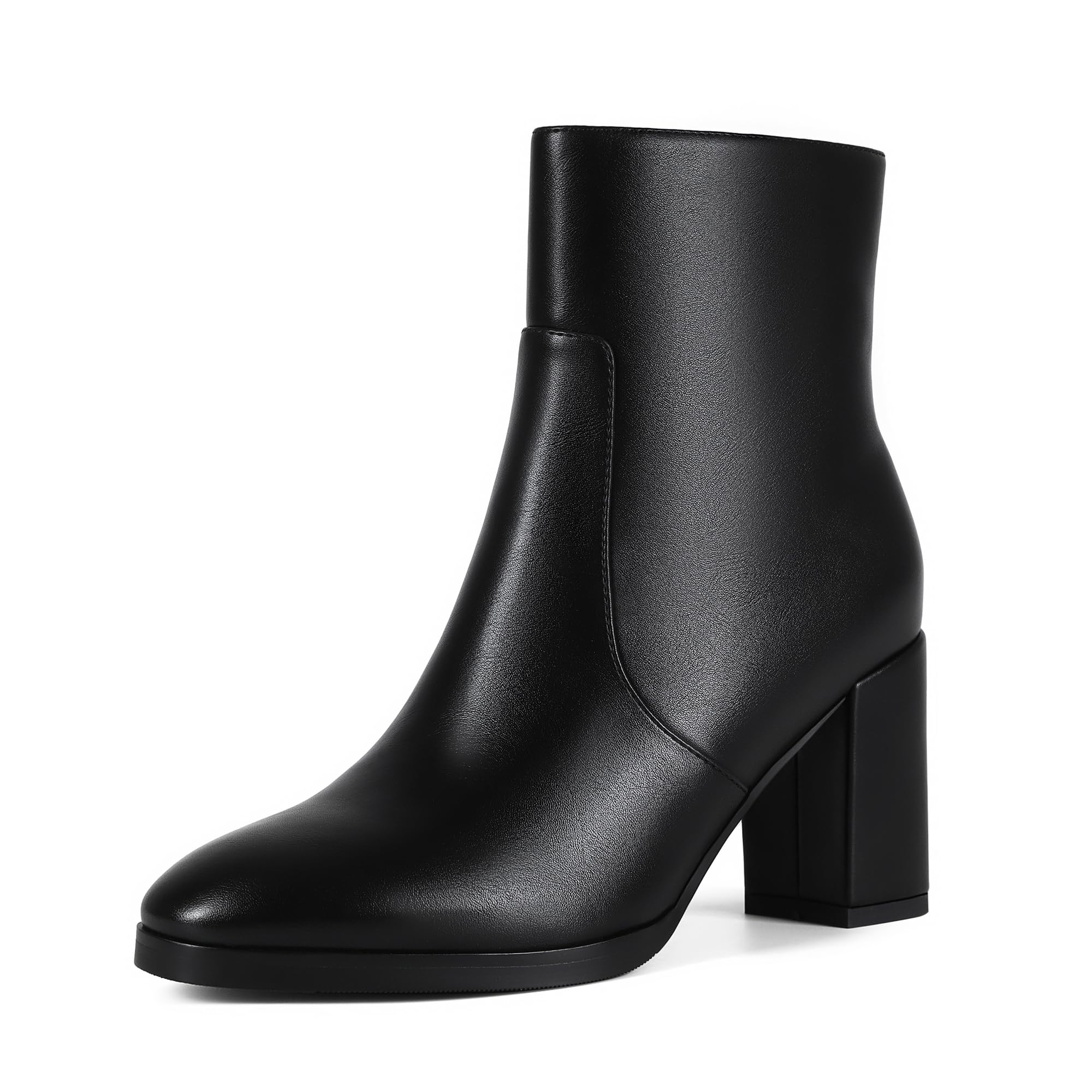


Types of Casual Boots Compared
Height sorts the field before anything else. An ankle class, a mid calf class and a tall class are the three height classes in this category, and each one changes what the boot covers and how dressed up it reads. Ankle boots sit below the ankle bone, mid calf boots land halfway up the shin, and tall boots reach just under the knee. Pick the height first, and the sections below narrow the rest.
| Type | Best For | Strengths | Tradeoffs | Typical Price |
|---|---|---|---|---|
| Ankle boots | Errands and office days | Light, easy on and off | Least leg coverage | around $50 to $110 |
| Chelsea boots | Office and travel | Clean lines, no laces | Snug fit can pinch | around $60 to $140 |
| Mid calf boots | Cool weather outfits | Warmth with an easy stride | Can cut the leg line | around $70 to $150 |
| Tall boots | Dresses and skinny jeans | Full coverage, polished look | Calf fit is critical | around $90 to $200 |
| Lace up boots | Walking heavy days | Adjustable fit at the ankle | Slower to put on | around $60 to $130 |
| Western boots | Casual statement outfits | Durable leather, easy pull on | Pointed toes crowd feet | around $90 to $220 |
Ankle Boots and Chelsea Boots
Ankle boots are the lightest class and the easiest to style, working with cropped trousers and most jeans. Chelsea boots are the ankle height branch with an elastic side panel and no laces, so they slide on fast and read cleaner for office wear. The tradeoff is fit forgiveness, because a Chelsea has no way to adjust tightness and a narrow last can pinch across the toes by afternoon. Lace up ankle boots give that adjustment back, which suits women who walk a lot.
Mid Calf Boots
Mid calf boots land halfway up the shin and split the difference between ankle and tall styles. They add warmth and rain coverage without the calf measuring tall boots demand, and they pair well with midi skirts and straight leg jeans. The styling catch is proportion: a shaft ending at the widest part of the calf can shorten the leg line, so many wearers choose one ending just below that point. Roomier openings also welcome thicker socks.
Tall Boots
Tall boots reach just under the knee and give the most coverage and the most polished line of the three height classes. They partner naturally with dresses and skinny jeans, replacing tights and shoes in one step on cold mornings. Fit is the whole game: a shaft too narrow will not zip, and one too wide gaps and slouches. Riding inspired styles add a small heel, while flat versions stay walkable all day.
Lace Up and Western Styles
Lace up boots earn their place with adjustability, since lacing lets you set ankle tension and loosen it when feet swell by evening. They read rugged and shrug off rough weather. Western boots sit at the decorative end: a pointed or rounded toe, an angled heel and stitched shafts. Shoppers drawn to that look can compare shapes and heel heights in our best western boots women guide, then use the fit checks below, since pointed toes need extra length.
Heel Height and Day Long Comfort
The heel governs day long comfort more than any other single part of the boot, and a flat sole or a heel of about 1 inch or less spreads your weight across the foot on long walking days. Heels of about 1 to 2 inches read dressier and shift weight toward the ball of the foot, so they suit shorter, more seated days. When you compare the best casual boots for women in a store, walk on the hard floor for a full minute rather than standing on carpet, because block heels carry height more kindly than narrow heels by spreading the load. Pitch matters too: a small platform under the toes softens a tall heel, while a flat forefoot makes it feel steeper than the tape suggests.
How to Choose the Right Casual Boot
One crossover note before the details: women who split weeks between sidewalks and trails sometimes shop sturdier styles, and our best boots for hiking women guide covers that class. The four checks below decide whether a pair stays comfortable past the first week.
Fit, Sizing and Toe Box
Measure your feet late in the day, when they are at their largest, and shop by that measurement rather than your morning size. Leave about half an inch of space in front of your longest toe, and expect a small amount of heel lift in a stiff new boot, which settles as the sole flexes. Women specific lasts pair a roomier forefoot with a narrower heel cup, which is why unisex cuts can feel right in the toes and still slip at the heel. Bring thick socks or insoles to the fitting, since they change the size you need.
Leg Openings, Calf Fit and Pairing With Jeans
A leg opening governs a jean pairing. Skinny jeans slide inside a tall shaft, so the shaft circumference is the number to check: standard openings run about 14 to 15 inches, and wide calf versions run about 16 to 18 inches. Straight leg and bootcut jeans go over the boot instead, needing an opening at least about 2 inches wider than the shaft so the fabric falls cleanly. Measure your calf at its widest point, over the jeans you plan to wear and late in the day, and compare it with the listed shaft circumference.
Materials and Weather
Smooth leather shrugs off light rain, polishes back to a shine and molds to your foot within weeks. Suede looks softer but marks in wet weather and needs a protector spray and a brush. Synthetic uppers cost less and handle rain without complaint, though they breathe less indoors. For slush and wet snow, the insulated and sealed styles in our best casual winter boots for women guide are the warmer branch of this category, and a waterproof membrane keeps socks dry in puddles.
Break In and Expected Lifespan
Leather boots break in over about one to two weeks of short wears, softening at the ankle and toes, so start with errands rather than a full day out. Synthetic styles feel final on day one but give less over time. Lifespan depends on the sole more than the upper: a stitched sole can be replaced and stretch a pair to many years of wear, while a glued sole ends the boot when the tread wears smooth, often after about two to four years of regular use.
How to Make Your Casual Boots Last Longer
Rotate two pairs so each rests a full day between wears, because foam and leather recover while they dry. On rest days at home, swap into a pair from our best slippers for women guide instead of wearing boots indoors. Air dry wet boots at room temperature away from radiators, stuff them with newspaper at first, and condition leather about every few months so it flexes instead of cracking. Resole a pair whose uppers still look good; the sole is the part that wears out first.
Frequently Asked Questions
What makes casual boots for women different from unisex boots?
Casual boots for women are built on a different last: a narrower heel cup, a slimmer ankle and a slightly higher arch line than unisex cuts. Calf options also run wider in women lines, with sizes unisex boots rarely offer. The practical result is less heel slip and less wasted room around the ankle. That geometry is the real difference, which is why a unisex boot in your usual size can feel clumsy.
How should casual boots fit when I first try them on?
Casual boots should feel snug at the heel and midfoot with clear space in front of your toes. Wear the socks you plan to use, stand up so your weight spreads the foot, and check that your longest toe never touches the end. A slight heel lift in a stiff new boot is normal for the first week. Tightness across the top of the foot rarely stretches enough to forgive, so treat it as a wrong size.
How often should casual boots be replaced?
Casual boots should be replaced when the sole tells you, not the calendar. Look for tread worn smooth at the ball of the foot, a heel worn down on one side, or shapeless uppers. A resoleable pair skips replacement entirely if the uppers are sound. Daily wear in wet weather ages boots faster, which is why rotating two pairs pays for itself.
Are expensive casual boots worth the money?
Expensive casual boots are worth it when the extra money buys construction you can maintain, mainly full grain leather and a stitched, resoleable sole. Repairs stretch those pairs for years and lower the cost per wear below a cheap pair replaced every season or two. Price alone proves nothing: a costly fashion boot with a glued sole wears out on the same schedule as a budget one. Check the sole construction first.
Do casual boots need to be waterproof?
Casual boots need waterproofing only if your routine involves standing water, slush or long wet grass. For a mostly indoor commute, water resistant leather and a protector spray handle splashes fine, and the boot breathes better for it. A sealed membrane earns its place when wet socks would ruin the day, such as dog walking in the rain or markets on wet ground. Match the protection to the wettest hour of your week, not the average one.
Final Thoughts
Start with height, check the heel against your longest walking day, and measure your calf before you fall for a tall shaft. Compare the finalists in the product table above, and the best casual boots for women for your wardrobe will be the pair whose fit you stop noticing by lunchtime.


