
Best Casual Winter Boots for Women 2026: Matching the Right Pair to Your Routine
Disclosure: We may earn a commission when you buy through links on this page, at no extra cost to you. As an Amazon Associate I earn from qualifying purchases. Learn more

Compare casual winter boots for women by warmth, waterproofing, traction and fit, with a simple checklist for commuters, errands and snowy weekends.
There is no single pair that suits every winter routine. A boot that feels perfect for a short drive to work can leave you cold on a long dog walk, and a tall snow boot can feel clumsy indoors. The best casual winter boots for women are the ones matched to your weather, your walking distance and your usual outfits, and the comparison table below helps you check that match.
Start with the day you repeat most often. Note how long you stay outside, whether your streets are plowed or left slushy, and how much room your feet need once thick socks go on. The sections below turn those answers into choices about warmth, grip, height and fit.
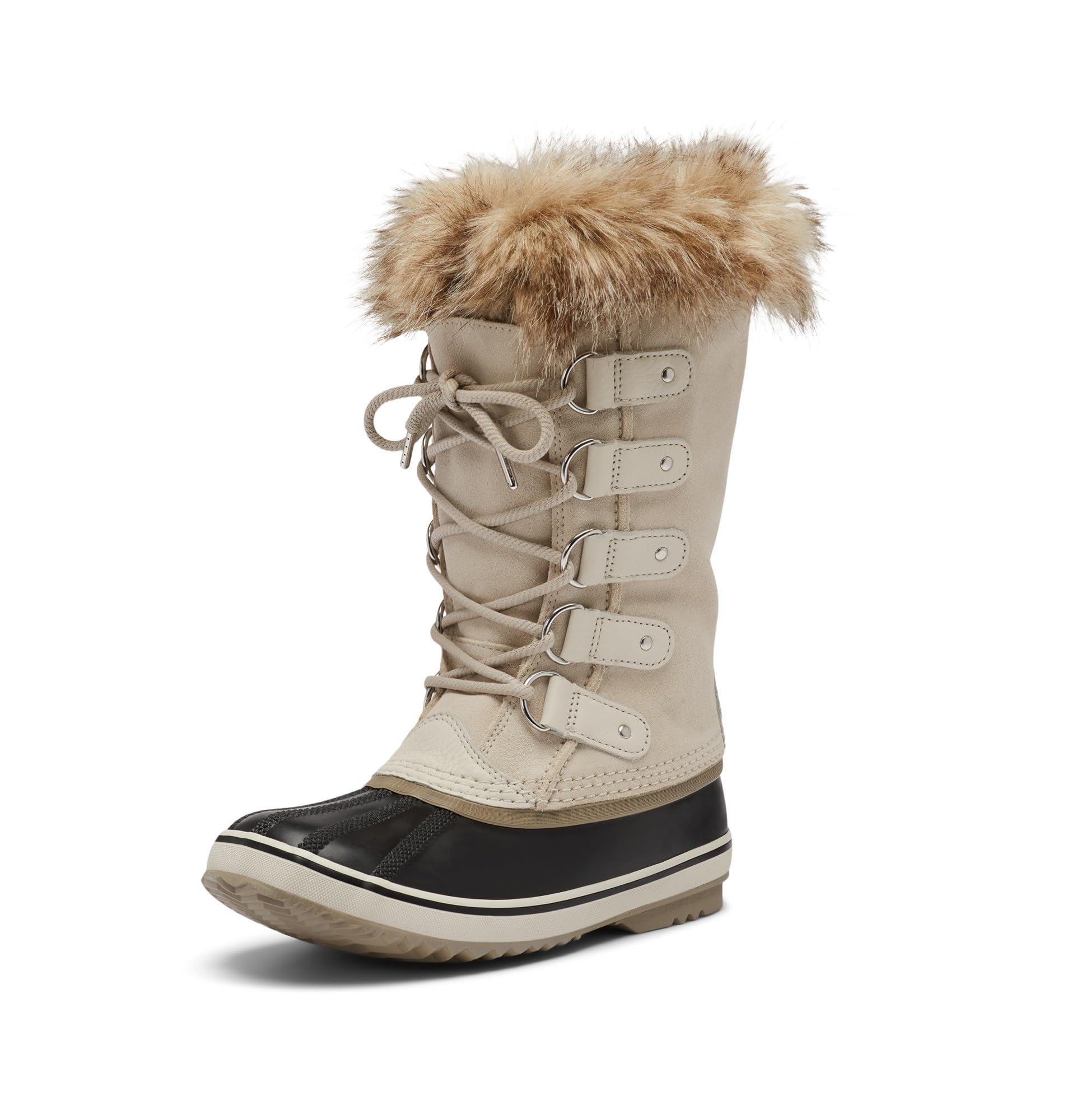


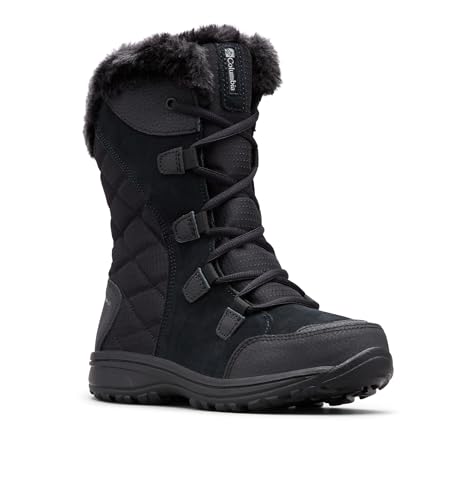


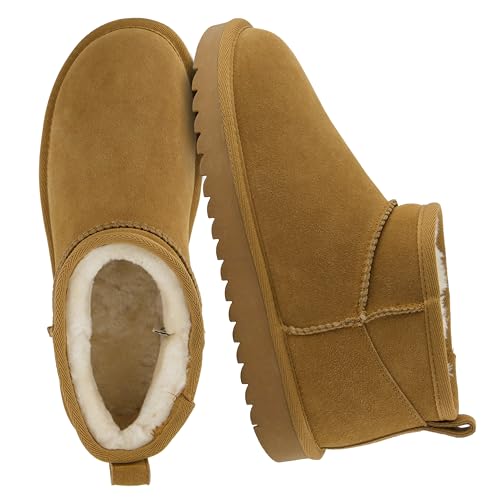
Who Should Buy Which Casual Winter Boots?
Buy for your most common winter day rather than your worst storm. For a broader view that is not shaped around women, see our guide to the best casual winter boots.
City Commuters Who Walk to Transit
You cross wet platforms, climb stairs and stand in slush while you wait. Choose a mid height boot with a lugged rubber outsole, sealed seams and enough insulation for standing still, because waiting cools feet faster than walking does. A side zip speeds entry at the door. If most of your winter miles are on foot, see our guide to the best walking winter boots for women for distance focused fit advice.
Dog Walkers and Errand Runners
You go out in whatever the morning brings, often before paths are cleared. Choose ankle or mid height boots you can pull on fast, with deep lugs for fresh snow and a shaft that closes snugly so snow stays out at the top. Easy cleaning matters too, because salt and mud will reach these boots daily. Smooth leather or coated uppers wipe clean faster than suede.
Women Who Stand Through Casual Workdays
You may work retail, school or clinic front desks where floors are hard and doors open all day. Choose cushioning under heel and forefoot, a stable flat sole and a low heel that keeps your weight even. Breathable lining helps because indoor heat builds once you step inside. A plain upper that wipes clean pairs with work trousers without looking like outdoor gear.
Key Features to Compare
Compare warmth, water protection and grip first, then fit details.
Insulation and Warmth for Casual Winter Days
Insulation traps warm air around your foot, and casual boots commonly use fills of about 100 to 200 grams. Choose the lighter end for mild winters and short trips, and the heavier end if you stand outside or run cold. More fill adds bulk, so a very warm boot can feel stiff on stairs. A breathable lining matters too, because trapped sweat will chill your feet once you stop moving.
Waterproofing and Sealed Seams
A waterproof membrane blocks outside water while sealed seams close the stitch holes where slush usually enters first. Water resistant treated leather sheds light splashes but wets through during long exposure. For city streets with puddles at every curb, full waterproofing is the safer pick. For deep snow and long wet walks, see our guide to the best winter boots for women waterproof for heavier duty options.
Outsole Traction on Ice and Slush
The outsole is the rubber base that meets the ground, and its lug pattern decides grip. Lugs of about 3 to 5 mm bite into packed snow, while softer rubber stays flexible in cold air and holds better on wet pavement. Wide flat lugs clear slush as you walk. No casual boot grips bare ice fully, so shorten your steps on polished ice even in a boot with deep tread.
Fit, Sizing and Toe Box Room for Thick Socks
Try boots late in the day, when feet are at their largest, wearing the socks you plan to use all winter. Your toes should wiggle freely in the toe box, and your heel should lift only slightly as you walk. Women's lasts often narrow the heel while keeping forefoot room, which stops rubbing without squeezing toes. If you fall between sizes, size up, because tight boots restrict circulation and feel colder.
Shaft Height, Calf Fit and Coverage
Ankle boots suit plowed streets and mild snow, while mid calf styles add warmth and keep hems drier in deeper drifts. Measure your calf at its widest point and compare it with the shaft opening, leaving room for trousers. A shaft that gaps wide lets snow fall in from above. A shaft that pinches will fold and rub within an hour, so walk and sit during try on.
Weight, Flexibility and Closures You Can Use With Gloves
A casual pair often weighs about 2 to 3 pounds in total, and lighter boots tire your legs less on errand days. The sole should bend at the ball of the foot, not fold in the middle, which keeps your stride natural. Laces give the closest fit, a side zip gives speed, and slip on styles give ease but less ankle hold. Test closures with gloves on, because small pulls frustrate cold fingers.
Choosing a Boot Height and Style for Your Routine
Height is the simplest style choice to get right. Ankle boots pair with most outfits, feel light and work well when snow is cleared quickly. Mid calf boots are the versatile middle ground for mixed storms and longer walks. Tall boots give the most coverage for deep snow and cold wind, but they add weight and feel warm indoors.
Price follows height and insulation more than decoration. Most casual pairs cost about $80 to $180, while tall insulated styles with full waterproofing often cost about $180 to $250. That routine first view is also the simplest way to narrow the best casual winter boots for women to one height before you compare colors. On milder days when snow is gone, see our guide to the best casual boots for women for lighter options in the same spirit.
Style details still serve a purpose. A padded collar softens pressure at the ankle, a gusseted tongue blocks slush at the laces, and a pull loop helps when boots are damp and stiff. Choose the plainest upper that fits your wardrobe, because smooth finishes handle salt and daily cleaning better than delicate trims.
Common Mistakes to Avoid
Most returns come from avoidable errors.
- Buying your summer shoe size leaves no room for thick socks and makes the boot feel colder.
- Choosing smooth fashion soles invites slips on packed snow and wet station floors.
- Picking water resistant uppers for daily slush leads to wet socks by midday.
- Ignoring calf width causes pinching, rubbing and a shaft that folds as you walk.
- Chasing the warmest insulation for mostly indoor days leaves feet sweaty and uncomfortable.
How to Make Your Casual Winter Boots Last Longer
Brush off salt and grit after each outing, then wipe the uppers with a damp cloth before stains set. Salt left on leather dries the surface and leaves pale lines that crack over time. Stuff boots with plain paper and dry them at room temperature away from direct heat, because forced heat stiffens leather and can loosen sole bonds.
Renew water repellent treatment on leather uppers when water stops beading and starts to soak in at once. Rotate two pairs if you wear boots daily, since a rest day lets lining moisture dry fully. Store boots upright with soft inserts so the shaft keeps its shape, and check lugs each autumn for smooth worn patches.
Frequently Asked Questions
What makes casual winter boots for women different from unisex styles?
Casual winter boots for women are built on a women's last, so proportions differ from unisex styles rather than only the colors. Beyond heel and calf shaping, many designs place the ankle opening lower to match shorter leg proportions. When you try a pair, walk down a slope in the store, because heel slip that hides on flat floors shows up at once on a decline.
How long is the break in period for new casual winter boots for women?
Most casual winter boots for women feel right within about three to five short outings. Stiff leather ankle styles sit at the long end, while soft lined slip on styles often need none. Wear a new pair indoors first and check for rubbing, because once road salt marks the upper, many stores will not accept a return.
Can I wear casual winter boots for women through a full workday?
Yes, you can wear casual winter boots for women through a full workday if the sole stays stable and your feet stay dry. Bring spare socks for midday, because fresh dry socks restore warmth better than loosening laces does. If your workplace runs warm, choose lighter insulation and open the shaft zip partway indoors to release heat.
Are expensive casual winter boots for women worth the added cost?
Expensive casual winter boots for women are worth it when the extra money buys sealed seams, better rubber and a stitched sole rather than trim. Do the math of cost per winter: a durable pair worn for four seasons often costs less per season than a cheap pair replaced each year. Check whether the outsole can be repaired, because glued soles usually end the life of the boot.
Do I need waterproof casual winter boots for women for city snow?
Yes, for most city snow you do need waterproof casual winter boots for women, because curbs and crossings collect deep slush even when sidewalks look clear. Treated leather alone handles dry cold and light flurries well. One useful check is the tongue: if it attaches only at the base, melt water can seep in at the laces, so choose a gusseted tongue for wet streets.
The Bottom Line
Match warmth to your time outdoors, waterproofing to your slush level and grip to your usual streets. Fit the boot with winter socks on, check calf room before you commit, and pick the height your routine asks for rather than the tallest shaft on the shelf.
Use the product table above to compare insulation, height and price side by side. When you choose with those points in mind, the best casual winter boots for women will feel comfortable at once, keep their grip all season and look right with the clothes you already wear.


