
Best Chippewa Boots: Every Type Explained Side by Side for 2026
Disclosure: We may earn a commission when you buy through links on this page, at no extra cost to you. As an Amazon Associate I earn from qualifying purchases. Learn more

Compare the best chippewa boots by type, with pros, cons, ideal users, and price ranges for logger, lace up, engineer, and moc toe styles.
Chippewa has built leather work boots for well over a century, and the current range can feel confusing at first glance. Logger boots, lace up work boots, engineer boots, and casual moc toe styles all carry the same name, yet they are built for very different days. This guide compares each type side by side so you can match a style to your job, your terrain, and your feet before you spend anything.
The best chippewa boots for you depend less on price and more on fit, sole design, and the protection your work actually demands. Use the comparison table below to scan the types quickly, then read on for the details that separate a boot you tolerate from one you reach for every morning.

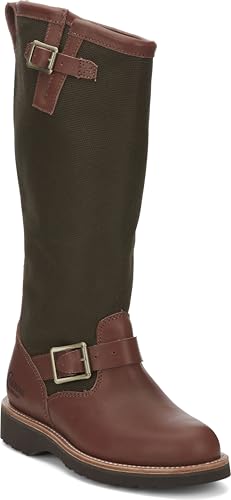
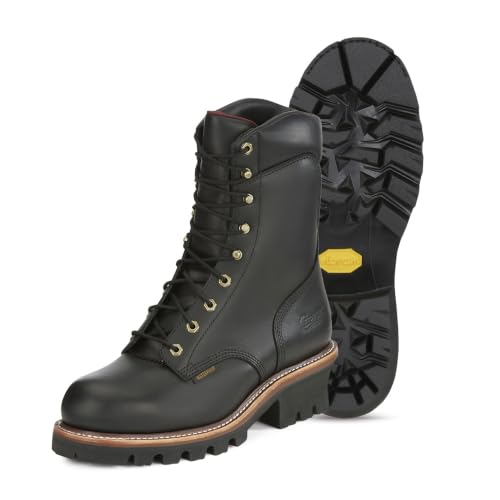

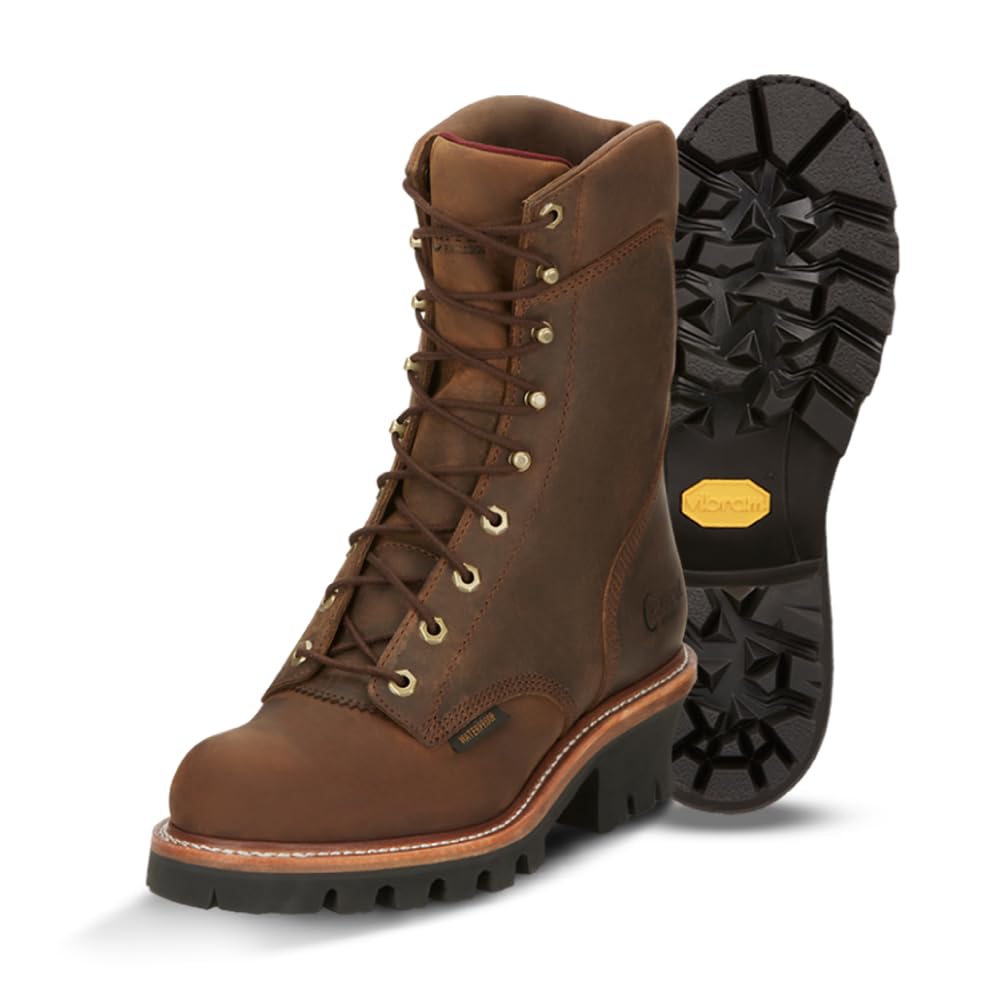
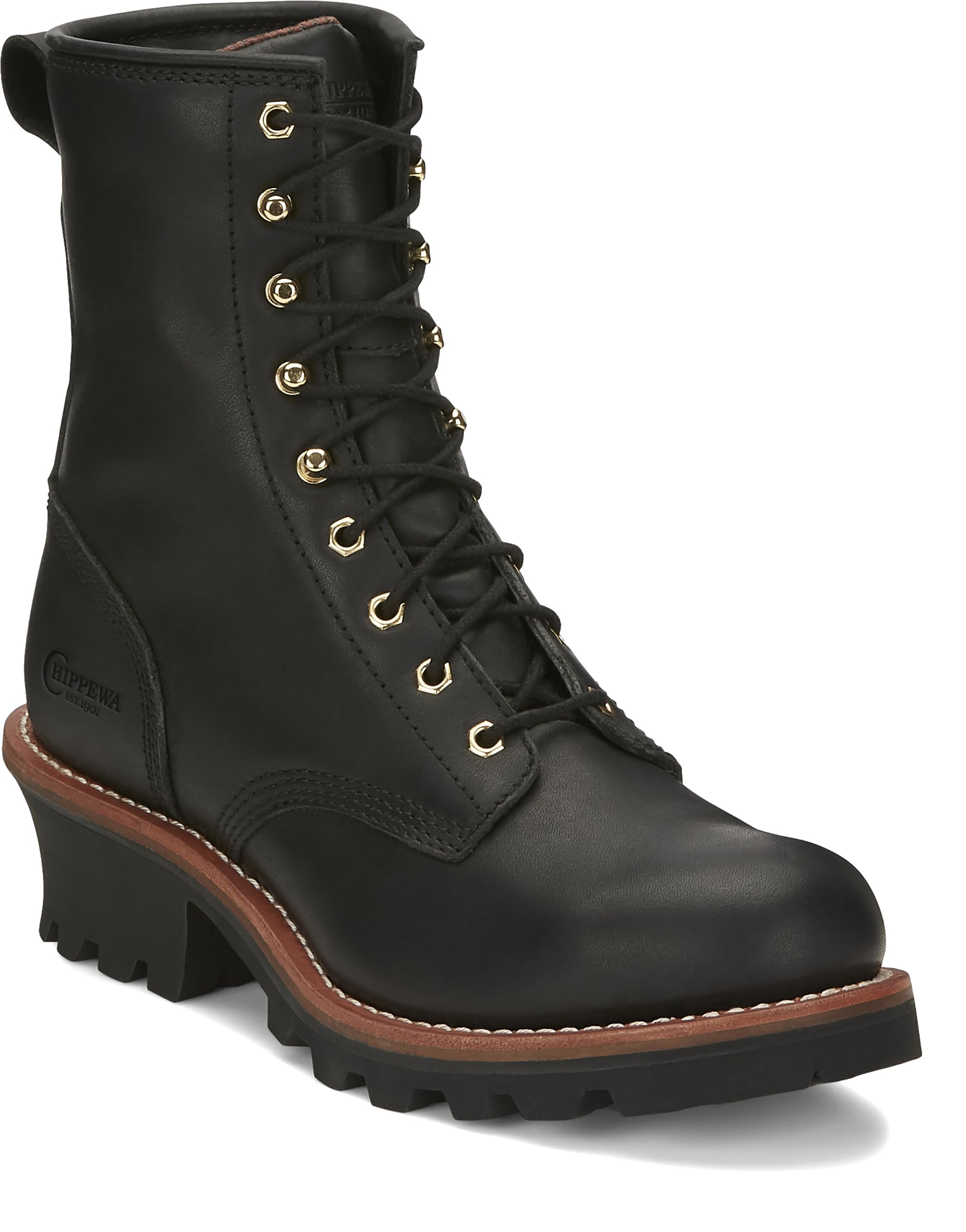


Types of Chippewa Boots Compared
The four families below cover nearly every Chippewa boot you will find for sale. Each type shares the brand focus on full grain leather and sturdy construction, but the heel shape, shaft height, and outsole pattern change how the boot behaves on ladders, concrete, mud, and pavement. Shoppers comparing the best chippewa boots usually find prices run about $150 at the low end and up to about $350 for tall insulated styles.
Logger Boots
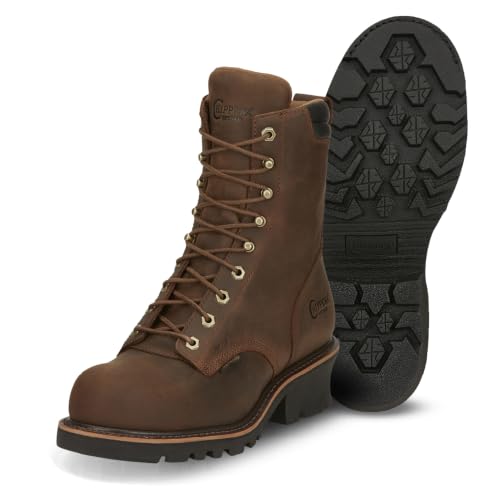
Logger boots are the tallest and most aggressive type, usually rising nine inches or more up the calf with a raised heel and deep lugs. The tall heel helps your foot grip ladder rungs and spurs, and it keeps your stance stable on steep, uneven ground. Thick leather and a lugged outsole shrug off brush, mud, and wet bark better than any other type in the line.
The trade off is weight and stiffness. Loggers feel heavy on flat warehouse floors, and the pronounced heel can tire your calves during long drives. Choose this type if you climb, work slopes, or spend your shifts outdoors on rough ground where ankle support and bite matter more than a light step.
Lace Up Work and Service Boots
This is the most versatile family, built around a six inch or eight inch shaft, a flatter heel, and outsoles tuned for mixed surfaces. Service style boots trace back to military patterns, so they feel broken in sooner and pair a plain toe with a relatively flexible sole. They suit mechanics, warehouse crews, drivers, and anyone who moves between concrete, gravel, and shop floors in one shift.
Because they split the difference, they are rarely the best at any single extreme. The lugs are shallower than a logger boot, so deep mud traction is only moderate, and the lower shaft gives less protection against brush. For general work and everyday wear, though, this type is the easiest starting point in the product table above.
Engineer and Motorcycle Boots
Engineer boots skip laces entirely. A tall pull on shaft, an instep strap, and a slightly angled heel define the style, which was built for riders and workers who want nothing on the boot that can snag. The smooth upper sheds sparks and road grime, and the oil resistant outsole grips pavement and pegs with confidence.
Fit is the compromise. Without laces you cannot fine tune tightness across the instep, so a pair that feels perfect in the store can still heel slip on long walks. Riders who mostly sit and cruise love them, while workers who climb or crouch all day usually prefer a lace up design.
Moc Toe and Casual Boots
Moc toe boots borrow their stitched toe from moccasin construction and pair it with a wedge sole or a light lugged sole. The wide, roomy toe box and softer cushioning make them the comfort pick for long hours on hard, flat surfaces such as concrete shop floors.
The wedge sole that feels so kind indoors gives up grip on mud, loose gravel, and ladders, and the casual leather is usually thinner than logger grade hides. Pick this type for indoor trades, light duty work, and weekend wear, and look elsewhere if your job involves climbing or rough outdoor terrain.
Logger Boots vs Lace Up Work Boots: Which Should You Choose?
These two types cause the most head scratching, so compare them on the ground you actually cover. Loggers win on traction and support: the deep lugs, tall shaft, and raised heel hold you on slopes, rungs, and muddy sites. Lace up work boots win on comfort and versatility, with a flatter profile that feels natural on concrete and behind the wheel.
Weight tells the same story. A logger boot can feel noticeably heavier by the end of a shift, while a service boot disappears on your foot during driving and indoor tasks. Cost runs close between the two, so let terrain decide. Outdoors on uneven ground, choose the logger. If your day mixes floors and pavement, the lace up boot is the safer choice.
How to Choose the Right Chippewa Boot
Type is only the first filter. The factors below decide whether a specific boot fits your job, and each one deserves a close look before you order. Skipping them is how buyers end up with a well made boot that still hurts by lunch.
Outsole Traction and Terrain
Match the outsole to the surface under your boots most of the day. Deep, widely spaced lugs clear mud and grip wet ground, while shallow lugs and wedge soles track better on smooth concrete. Many Chippewa work styles use Vibram outsoles, which tend to resist wear and stay grippy longer than basic rubber. If you work around oil, look for an outsole rated oil and slip resistant, since plain rubber can lose bite on slick shop floors.
Weight and Flexibility
Heavier boots protect better but cost you energy with every step, and on a ten hour shift that cost adds up. Tall leather, steel toes, and thick lugged soles all add ounces. A lighter boot with a flexible forefoot feels easier for driving and covering distance on foot. Decide which matters more: maximum protection for stationary heavy work, or a lighter build for days when you rarely stop moving.
Fit, Sizing, and Toe Box
Measure your feet late in the day, when they are at their largest, and try boots on with the thick socks you plan to wear at work. Your heel should stay planted with minimal lift, and your toes need room to spread without pressing the front of the toe box. Chippewa boots often run generous in length, so if you fall between sizes, many buyers do better in the smaller size with a wide width.
Cushioning and Support
Stability underfoot comes from a firm heel counter, a supportive shank, and an insole that matches your arch. Flat soles with thin insoles leave flat feet aching, while a structured footbed with real arch support spreads pressure across the whole foot. If the stock insole feels flat after a week, an upgrade helps more than a new boot, so it is worth reading about the best insoles for chippewa boots before you blame the boot itself. Breathable linings also matter here, since a cooler and drier foot blisters less on long shifts.
Waterproofing, Insulation, and Safety Ratings
Wet work calls for a waterproof membrane, and some Chippewa styles pair seam sealed leather with a breathable lining so water stays out while sweat escapes. Boots built with Gore Tex or the brand own waterproof systems cost more, but dry feet in cold rain are worth it. Insulated versions add warmth for winter sites, yet they run hot indoors. Finally, check the safety ratings your job requires, such as steel or composite toes and electrical hazard protection.
Common Mistakes to Avoid
- Buying a logger boot for flat indoor work, so the raised heel and extra weight tire your legs for no benefit.
- Ordering your sneaker size without measuring, so the generous Chippewa last leaves your heel slipping in every step.
- Choosing a wedge sole for muddy sites, so the smooth bottom packs with mud and loses traction when you need it most.
- Ignoring the safety toe and electrical ratings your employer requires, so your new boots get sent home on the first day.
- Wearing brand new boots for a full shift, so stiff leather rubs blisters before it has a chance to mold to your feet.
- Skipping waterproofing for outdoor winter work, so one soaked day ruins both your comfort and the leather itself.
Care and Maintenance Tips
Chippewa boots reward simple, regular care. Brush off dirt after each wear and let wet boots air dry at room temperature, away from direct heat, since a heater can crack the leather and loosen the glue lines. Stuffing them with newspaper pulls moisture from the inside while they rest.
Condition the leather every few weeks if you work outdoors, or whenever it looks dry and pale, and rotate two pairs if you wear boots daily so each pair fully dries between shifts. Check the outsole lugs for uneven wear, and resole a welted pair when the tread runs smooth, since the upper usually has years of life left.
Frequently Asked Questions
Can you wear Chippewa boots all day?
Yes, once they are broken in, most Chippewa boots handle full shifts comfortably, especially the lace up and moc toe types. The first week is the exception, so build up wear time gradually at home before a long shift. If your feet still ache later, the fit or the insole is usually the problem rather than the boot.
Are expensive Chippewa boots worth the higher price?
Higher priced Chippewa boots usually buy you thicker full grain leather, a welted build that can be resoled, and better outsoles, all of which stretch the cost across more years of wear. Budget styles cut outsole quality and lining first. If you resole instead of replacing, a premium pair often costs less per year than two cheaper pairs.
Do Chippewa boots need to be waterproof for outdoor work?
For outdoor work in rain, snow, or wet concrete, yes, a waterproof Chippewa boot keeps your feet dry and slows leather damage from repeated soaking. Indoor workers can skip the membrane, since waterproof linings breathe less and feel warmer on dry floors. One middle path is unlined leather treated with a wax based water repellent, which handles light splashes without sealing in heat.
How often should you replace Chippewa boots?
Replace Chippewa boots when the outsole tread is worn smooth, the midsole feels packed flat, or the safety toe has taken a hard impact, since a struck steel or composite cap should be retired even if the leather looks fine. Welted styles often avoid full replacement for years because a cobbler can fit a new sole. Cracked leather that leaks despite conditioning is another clear sign the boot is done.
How should Chippewa boots fit when new?
New Chippewa boots should feel snug across the instep, firm at the heel, and roomy enough in the toe box that your toes can wiggle without touching the front. A small amount of heel slip is normal in stiff leather and fades as the sole flexes. Pain, numbness, or toes jammed against the cap means the size or width is wrong, and no break in period will fix that.
How long is the break in period for Chippewa boots?
The break in period for Chippewa boots usually runs one to two weeks of regular wear, shorter for soft service styles and longer for thick logger leather. Wearing them around the house for an hour or two a day speeds things along without blister risk. Thick socks help during the first days, and the ankle crease should soften noticeably by the end of the first week.
Final Thoughts
Start with your terrain, then weigh traction, fit, and protection in that order, and the right type becomes obvious. Loggers rule rough outdoor ground, lace up service boots cover the widest range of jobs, engineer boots suit riders, and moc toe styles keep indoor workers comfortable. Compare your finalists in the product table above before you order.
The best chippewa boots are simply the pair whose type matches your work and whose fit disappears on your foot by the second week. Take the time to measure, choose the sole for your ground, and care for the leather, and a good pair will carry you through years of shifts.


