
Best Boots for Hiking Women 2026: What Your Money Really Gets You
Disclosure: We may earn a commission when you buy through links on this page, at no extra cost to you. As an Amazon Associate I earn from qualifying purchases. Learn more

Best boots for hiking women by price tier: what each budget buys, which upgrades are worth it, and how a proper fit should feel.
Prices for women's hiking boots run from under $60 to well past $250, and two pairs at opposite ends of that range can look nearly identical on a shelf. The difference hides in materials, construction, and how many miles the boot survives before it feels tired. Choosing the best boots for hiking women is less about chasing the highest price and more about knowing which upgrades change your day on the trail. This guide breaks down what each tier delivers so you can spend where it counts.
You will find the price tiers compared honestly, the features that earn their cost, and the ones you can safely skip. Fit advice runs through everything, because a boot that fits badly is a poor buy at any price. The product table lets you compare current options, and the sections below match boot types against the trips most women actually take.


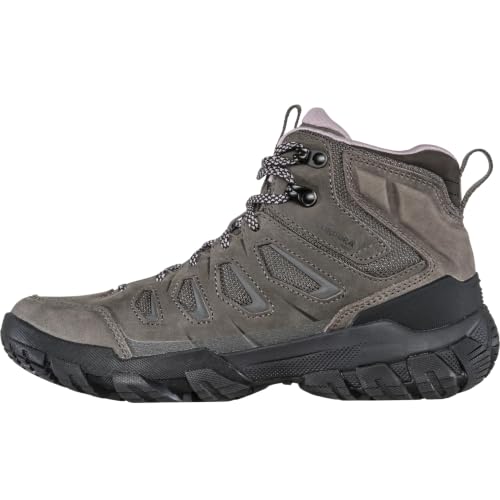
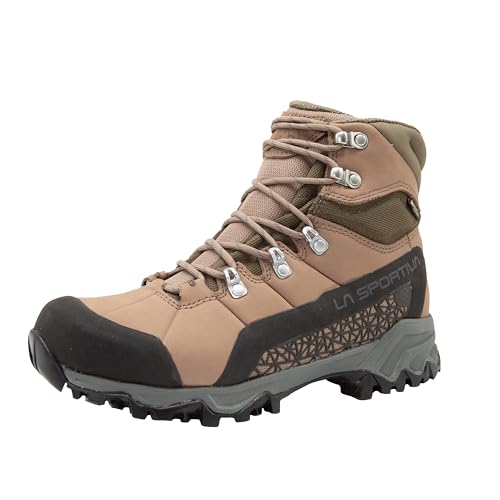
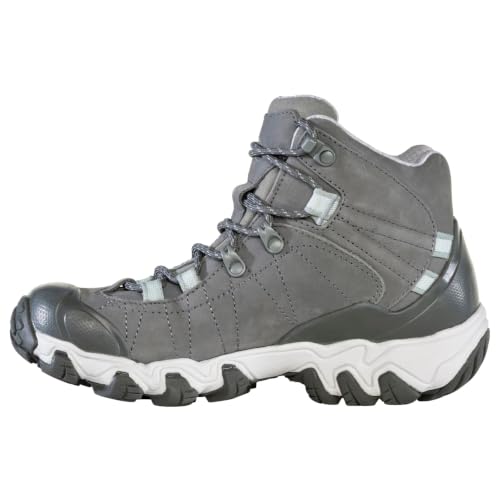


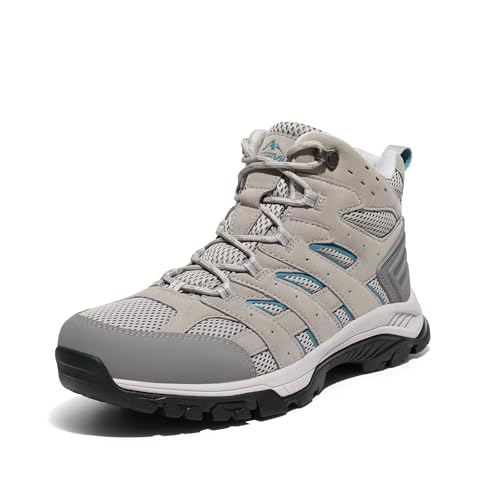
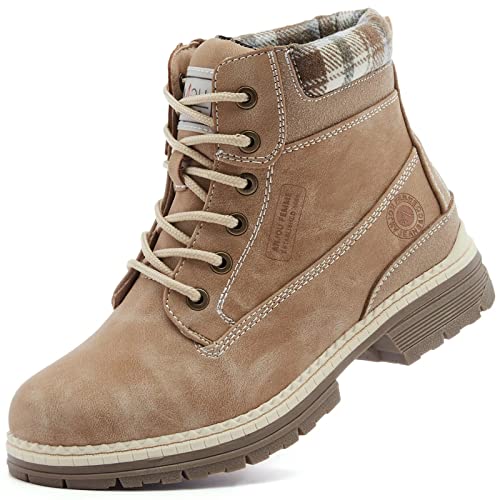
Who Should Buy Which Hiking Boots?
Day Hikers on Maintained Trails
Short hikes on groomed paths ask little of a boot beyond comfort and grip. A low or mid height boot with a flexible sole keeps feet fresh on packed dirt, gravel, and boardwalks, and it breaks in quickly. Weight matters more than armor here, since every extra ounce is lifted thousands of times per mile. Look for breathable uppers for warm days and enough cushioning to take the sting out of rocky stretches.
If most of your walking is under five miles at a time, you can shop the lower tiers with confidence. Save the difference for good socks, which do more for comfort on short hikes than a premium boot would.
Backpackers Carrying a Loaded Pack
A pack changes everything a boot must do. Loads of 25 pounds or more push the midsole harder, twist the ankle more on descents, and punish thin soles on sharp rock. Backpackers should favor a stiffer shank, a higher collar, and a deeper lug pattern than day hikers need. Fit matters even more, because feet swell over long days and toes jam forward on every downhill.
Navigation also earns its keep on long routes, and our guide to the best hiking watches for women explains the altimeter and GPS features worth having. If your budget allows one splurge, backpacking boots are the place to make it.
Hikers in Wet and Muddy Country
Rain, creek crossings, and spring mud reward waterproof membranes and tall shafts that keep grit out. A membrane keeps outside water out, but it also slows drying once water gets in over the top, so gaiters help in deep muck. Aggressive lugs shed mud better than shallow treads, and leather uppers handle repeated soaking and drying better than thin mesh.
If your trails stay wet for months, durability in wet conditions beats light weight. Budget for a second set of insoles so one pair can dry while you hike in the other.
What Your Money Gets You in the Best Boots for Hiking Women
The product table shows how the tiers differ at a glance. The notes below explain what those differences feel like over a full season of hiking, and where the trade offs hide. The best boots for hiking women at any price share one trait: they fit the wearer's foot before anything else.
Lower Tier, about $60 to $110: Honest Basics With a Shorter Working Life
Boots in this band use synthetic uppers, cemented soles, and basic foam cushioning. They are comfortable out of the box and fine for groomed trails, light loads, and occasional weekend use. The trade offs show up in lifespan: glued soles can separate after a few hundred miles, and thin linings wear through at the heel. Waterproof versions exist here, but the membranes are usually the first thing to fail.
Shoppers comparing the best affordable hiking boots for women should try several pairs in this band in person. Fit varies widely at this price, and a good fit beats a longer feature list every time.
Middle Tier, about $110 to $180: Better Materials and Longer Miles
This is where most serious hikers land, and the upgrades are real. Uppers mix leather with synthetic panels, midsoles use firmer compounds that resist packing out, and outsoles use better rubber that grips wet rock more reliably. Many models add a proper shank for load carrying and membranes that survive more than one season.
Expect roughly 500 to 800 miles before the cushioning feels dead underfoot. For women hiking most weekends, this tier usually delivers the lowest cost per mile of any band.
Upper Tier, about $180 to $280: Build Quality You Can Maintain
Premium prices buy construction, not magic. Full grain leather uppers, stitched or resoleable soles, and carefully shaped lasts define this band, along with metal hardware that survives years of lacing. A resole costs about $75 to $125 and can double the life of a boot whose upper is still sound, which changes the ownership math completely.
These boots are heavier and stiffer, and they demand a real break in period before a long trip. Buy up here if you hike weekly, carry loads, or keep boots for many seasons rather than replacing them.
Features Worth Paying For (and Ones to Skip)
Outsole Traction and Terrain
Lug depth is the first thing to read on a sole. Lugs around 4 to 5 mm bite into dirt and mud, while shallower patterns feel steadier on rock slabs and packed trails. Rubber hardness matters too: softer compounds grip wet stone better but wear faster, and harder rubber lasts longer at the cost of some stickiness. No tread pattern makes loose scree or wet roots safe, so treat traction claims as descriptions, not promises.
Match the pattern to the ground you hike most, not to the roughest trip you might take once. A mud shedding sole on desert slickrock gives up grip you would rather have.
Fit, Sizing, and the Toe Box
Fit is the feature that decides whether every other feature matters. Try boots late in the day, when feet are at their largest, and wear the hiking socks you actually use. You want about a thumb width of space in front of your toes so descents do not bruise them, plus a heel that stays put when you climb. Walk down an incline in the shop if one is available, because downhill fit is where most boots fail.
Boots should feel snug across the midfoot without squeezing, and no part of the deal should rely on the boot stretching later. Leather gives a little with wear, but length never changes. If pain, numbness, or swelling in your feet keeps coming back hike after hike, talk with a doctor or podiatrist rather than hoping a different boot will fix it.
Weight and Flexibility
Every pound on your feet costs more energy than a pound on your back, so weight is a genuine feature. Light boots feel agile and suit fast day hikes, while heavier boots protect against sharp stones and support the ankle under loads. Flex should match terrain: a boot that bends easily at the toes is pleasant on smooth paths, and a stiffer boot earns its keep on rough, uneven ground.
Our guide to the best lightweight hiking boots for women covers the lightest designs in detail. A good rule is to choose the lightest boot that still protects you on your hardest regular trail.
What Women Should Look For
Women's boots are built on women's lasts, but lasts differ between makers and even between lines from the same maker. Many women need a narrower heel paired with a roomier forefoot, a combination some lines offer and others ignore entirely. Collar height matters too, since a shaft cut for a shorter calf can dig in or gap depending on your leg shape.
The women's label alone guarantees nothing about fit, so judge each pair on your own feet. If you often fall between sizes, an aftermarket insole can take up extra volume more cheaply than a different boot. Arch height varies just as much, and a boot that fits your friend may wreck your feet in five miles.
Features That Matter for Hiking
A few features separate hiking boots from sturdy shoes. Ankle height protects against rolled ankles on uneven ground and keeps trail debris out of the boot. A shank adds stiffness so the boot does not twist on side slopes, and heel to toe drop of about 8 to 12 mm shapes how your stride rolls and how your calves feel on climbs.
Waterproof breathable membranes suit wet climates, while non waterproof mesh dries faster after stream crossings in dry country. Choose based on your climate, not on which feature list is longer.
Features you can safely skip include decorative zippers that add weight and a failure point, and extreme cushioning claims borrowed from road running shoes. Built in gaiters and exotic waterproofing treatments rarely repay their cost for typical hiking. Spend that money on socks and insoles instead, where it returns comfort on every single mile.
Picking the Right Boots for Different Uses
The same boot rarely suits a desert canyon and a snowy ridge. On hot, dry trails with sandy stretches, some hikers switch to the best hiking sandals for women for ventilation and accept less protection in return. Cold season hiking asks the opposite of a boot, as the next section explains.
Winter Hiking Boots for Women
Winter hiking adds insulation and a taller shaft to the same fit rules that apply in summer. Insulated boots pair warmth with a waterproof membrane, and the temperature figures makers print are estimates based on activity, with no shared standard behind them. A rating means little if you stand still in the cold, because a moving hiker generates most of the warmth herself.
The fit rules do not change in winter: try insulated boots on with heavy winter socks and keep that thumb width of toe room, because tight boots feel colder. Our guide to the best snow hiking boots for women compares insulated models in depth.
Long Term Costs to Factor In
Boots keep costing money after the receipt. Merino hiking socks run about $15 to $25 a pair and matter almost as much as the boots themselves. Replacement insoles cost about $30 to $50 and can refresh a boot whose midsole still has life. Waterproofing treatments for leather and fabric run about $10 to $15 a bottle and need renewing each season.
Laces are cheap, but a snapped lace miles from the trailhead is not, so carry a spare set in your pack. Most hiking boots last about 500 to 1,000 miles depending on terrain and care, so divide the price by expected miles to compare tiers honestly. Drying boots slowly away from direct heat, and loosening the laces to air them after every hike, stretches those miles further.
Women's Hiking Boots: Your Questions Answered
What makes boots for women different from men's boots?
Women's boots are built on lasts shaped around averages like a narrower heel, a lower volume forefoot, and a shorter calf height. Those averages describe populations, not individuals, so plenty of women fit men's or unisex models better, and vice versa. The practical difference is the range of lasts on offer, not a rule about who may wear what. If a women's line pinches your forefoot, try the men's version of the same boot in a smaller size before giving up on it.
What features matter most in boots for hiking?
Fit comes first, then traction matched to your terrain, then support matched to your load. A quick in store check sorts most of this out: press your thumb into the midsole and it should feel firm rather than spongy, twist the boot and it should resist, and the heel counter should not collapse under a squeeze. Boots that fail those three checks rarely improve on the trail. Everything else, from membranes to hardware, ranks below those basics.
Do I need waterproof hiking boots?
You need them if your trails are wet for much of the year, and you may be better off without them in dry country. A waterproof boot that gets wet inside can take days to dry, while a mesh boot worn in the desert dries overnight in camp. Snow and cold rain tilt the answer toward waterproof, because wet feet lose heat fast. Many hikers own both types and choose by forecast rather than forcing one boot to do everything.
How often should I replace hiking boots?
Replace them when the support is gone, not on a fixed schedule. Warning signs include a midsole that stays creased after rest, a heel counter that folds to one side, and new aches in knees or shins on familiar trails. Mileage alone misleads, because a boot stored hot in a car ages faster than one hiked weekly. Resoleable boots are the exception: a fresh sole at about half the boot's life restores them instead of replacing them.
Can I wear hiking boots all day?
Yes, most hiking boots are comfortable for a full day of mixed walking and standing once they are broken in. The limit is heat and weight rather than support, so office workers and travelers often prefer lighter models for long days. Rotating between two pairs on back to back days lets each dry fully and noticeably extends the life of both. For recovery time at camp or at home, sandals and light shoes give feet a rest that boots cannot.
How should hiking boots fit when I try them on?
Fit the larger of your two feet, since most people have one, and shop in the afternoon when feet are slightly swollen. A heel lock lacing pattern, where the last eyelets form a loop that pulls the heel down, stops heel lift without crushing the toes. Your toes should brush nothing when you kick a wall gently, and the widest part of your foot should sit in the widest part of the boot. If the boot needs a hopeful break in to stop hurting, it is the wrong boot.
Final Thoughts
The right purchase is the pair whose fit disappears under you on the trail. Start with your budget tier, then judge every candidate by fit first, traction second, and features last. Money spent on better materials pays off in miles, while money spent on features for trips you never take does not. Use the product table to compare the boots that fit your tier, and remember that the best boots for hiking women are the ones matched to your trails, your loads, and your feet, not the most expensive pair on the wall.


