
Best Casual Athletic Shoes 2026: First Time Buyer Guide
Disclosure: We may earn a commission when you buy through links on this page, at no extra cost to you. As an Amazon Associate I earn from qualifying purchases. Learn more

New to casual athletic shoes? Learn fit, cushioning, arch support, and materials in plain language, plus mistakes to avoid on your first pair.
Casual athletic shoes sit in a sweet spot between sport shoes and everyday sneakers, and that mix is exactly why they sell so well. When you shop for best casual athletic shoes, you want a pair that handles a walk to work, a weekend errand run, and a light workout without looking out of place. The comparison table below shows the main styles side by side, so you can see how cushioning, support, and weight differ.
First time buyers often feel lost among terms such as drop, stability, and neutral cushioning, but the ideas behind them are simple. This guide explains each one in plain language, points out the mistakes new buyers make most, and helps you match a shoe to your feet and your routine. Comfort that lasts all day starts with fit, not with brand names.


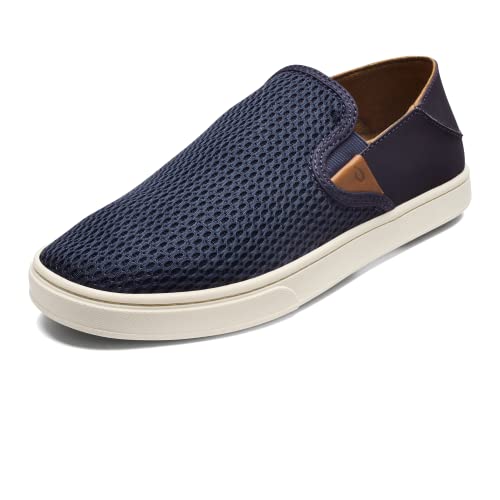


Casual Athletic Shoes 101: The Basics
A casual athletic shoe blends a sporty midsole with an everyday upper, so it cushions like a trainer but looks at home with jeans or casual trousers. The midsole, usually foam, absorbs impact with each step, while the outsole grips pavements and indoor floors. The upper, made from mesh, knit, or leather, holds your foot in place and controls airflow.
Unlike a dedicated running shoe, a casual athletic shoe is built for mixed use rather than for long runs at speed. That makes it a strong choice for walking, standing, light gym sessions, and daily wear, but a weaker choice for serious running or court sports. Knowing that limit helps you avoid expecting one pair to do every job well.
Fit, Sizing, and Toe Box
Fit comes first, and it starts with measuring your feet in the afternoon, when they are slightly larger than in the morning. Stand while measuring, wear the socks you plan to use, and check both feet, since most people have one foot a little larger. A good fit leaves about a thumb width of space beyond your longest toe and holds your heel firmly without slipping.
The toe box deserves special attention, since a cramped toe box causes blisters, numbness, and sore nails over a long day. Look for a roomy, rounded shape that lets your toes spread naturally, and walk around indoors for several minutes before deciding. If the shoe pinches at first try, it rarely breaks in enough to become comfortable, so trust the first fitting.
Cushioning and Support
Cushioning is the softness you feel underfoot, and it comes from foam, gel, or air units in the midsole. Soft cushioning feels pleasant at first, but very soft foam can feel unstable during quick turns or on uneven ground. Firmer cushioning feels less plush yet often supports longer days better, so balance softness with stability when you try a pair.
Arch support and foot type matter just as much. Flat feet often benefit from a stability shoe that resists inward rolling, while high arches often suit a neutral shoe with extra cushioning. If you are unsure about your foot type, a wet footprint test at home gives a rough idea, and a shoe store fitting or a clinician can confirm it. The right match reduces fatigue and keeps your knees and back happier.
Upper Materials and Breathability
Mesh uppers are light and breathable, which suits warm weather and long walks, but they offer less protection in rain and wear faster at stress points. Knit uppers stretch to fit the foot and feel sock like, yet they can lack structure for wider feet. Leather and suede look smarter and last longer, but they breathe less and need more break in time.
Think about your climate and your routine when choosing. A mesh shoe dries quickly after a summer shower, while a leather shoe handles a smart casual office better. Some shoes mix materials, using mesh for airflow and synthetic overlays for support, and that blend often gives the best balance for everyday wear in varied weather.
Durability and Expected Lifespan
Most casual athletic shoes last about 300 to 500 miles of walking, which for daily wear often means 8 to 12 months before the cushioning flattens. Heavier wearers, rough pavements, and frequent washing shorten that life, while rotating two pairs extends it. Check the outsole for wear patterns, since uneven wear hints at a fit or gait issue worth addressing.
Care also extends life. Let shoes air out between wears, avoid machine washing unless the maker allows it, and replace insoles when they compress. A shoe that still looks fine on the outside can hide dead cushioning inside, so judge replacement by comfort and support rather than appearance alone.
Related Guides Worth Reading Next
If you want a wider view of everyday styles beyond athletic designs, best casual shoes covers loafers, slip ons, and casual lace ups for daily wear.
For sportier options built for training and gym work, best athletic shoes compares athletic shoes by cushioning, stability, and intended activity.
Fans of one major brand can narrow the search with best nike athletic shoes, which looks at that brand's athletic range and how its models differ.
Men shopping for everyday pairs should also check best casual shoes for men, which focuses on fits, widths, and styles made for men's feet.
Walkers whose feet roll inward will find targeted help in best athletic shoes for pronation, which explains stability features and how to spot overpronation.
Rookie Mistakes to Avoid
The most common mistake is buying for looks alone and ignoring fit, which leads to blisters and sore feet within days. Another is choosing a size based on another brand, since sizing varies widely between makers and even between models. Always try shoes on, walk in them, and check both feet before committing.
Also avoid buying a pair that is too soft or too stiff for your routine, and do not expect a cheap pair to last as long as a well made one. Spending a little more on fit and cushioning usually pays off in comfort over months of wear. A pair around $60 to $120 covers most casual athletic needs, while premium pairs cost more for advanced foams and lighter builds.
Frequently Asked Questions
What is the difference between casual athletic shoes and running shoes?
Casual athletic shoes are built for mixed daily use, blending trainer cushioning with everyday styling for walking, errands, and light workouts. Running shoes are tuned for forward motion at speed, with lighter builds and specific heel to toe drops for runners. A casual pair handles a short jog, but it is not ideal for regular long runs. Choose running shoes if you run often, and casual athletic shoes if daily comfort matters more.
How should casual athletic shoes fit?
They should leave about a thumb width of space beyond your longest toe, hold your heel firmly without slipping, and give your toes room to spread. Measure your feet standing in the afternoon, wear your usual socks, and fit the larger foot. Walk indoors for several minutes and check for pinching or heel lift. A pair that pinches on first try rarely becomes comfortable, so trust the fitting over the brand or the look.
Do I need arch support in casual athletic shoes?
It depends on your foot type and how long you stand or walk each day. Flat feet often benefit from stability features that limit inward rolling, while high arches often suit neutral cushioning that absorbs impact. Neutral feet usually do well with moderate support. If you have ongoing foot pain, talk with a clinician before choosing, since support needs vary and a wrong match can worsen discomfort.
How long do casual athletic shoes last?
Most pairs last about 300 to 500 miles of walking, which often means 8 to 12 months of daily wear before cushioning flattens. Heavier use, rough surfaces, and frequent washing shorten that span, while rotating two pairs extends it. Judge replacement by comfort and support, not appearance alone, since a shoe can look fine while its midsole is worn out. Uneven outsole wear may signal a fit or gait issue.
Can I wear casual athletic shoes to the gym?
Yes, for light gym work such as walking on a treadmill, machine workouts, and classes with gentle movement, they perform well. They are less suited to heavy lifting, which needs a flat stable sole, or to court sports, which need strong lateral support. If your gym routine includes those activities, keep a dedicated pair for them and use casual athletic shoes for general training and daily wear.
Final Thoughts
Fit, cushioning, and honest expectations matter more than logos when you buy casual athletic shoes. Measure your feet, check the toe box, and match the shoe to your daily routine rather than to a single activity. The product table above can help you compare styles at a glance before you narrow the list.
Take your time, try more than one pair, and walk around before deciding. A comfortable pair you enjoy wearing will serve you far better than a stylish pair that pinches. With this guide, choosing among best casual athletic shoes should feel clear, practical, and free of guesswork.


