
Best Cast Iron Skillet under 100: Types, Size and Weight (2026)
Disclosure: We may earn a commission when you buy through links on this page, at no extra cost to you. As an Amazon Associate I earn from qualifying purchases. Learn more

The best cast iron skillet under 100 guide: which types fit the budget, plus size, weight and care.
Pancakes for two on a weekday morning and a big batch of cornbread on Sunday ask very different things from one pan. If you want the best cast iron skillet under 100 dollars for your home, the right choice depends on your stove space, how many people you feed, and how much upkeep you will actually do. This guide walks through sizes, types, and features so you can match a skillet to your kitchen.
Start with the product table below, which lists current options. Then use the checklist that follows to narrow your pick by household size and routine. For the wider category view, our guide to the best cast iron skillet covers every price point.

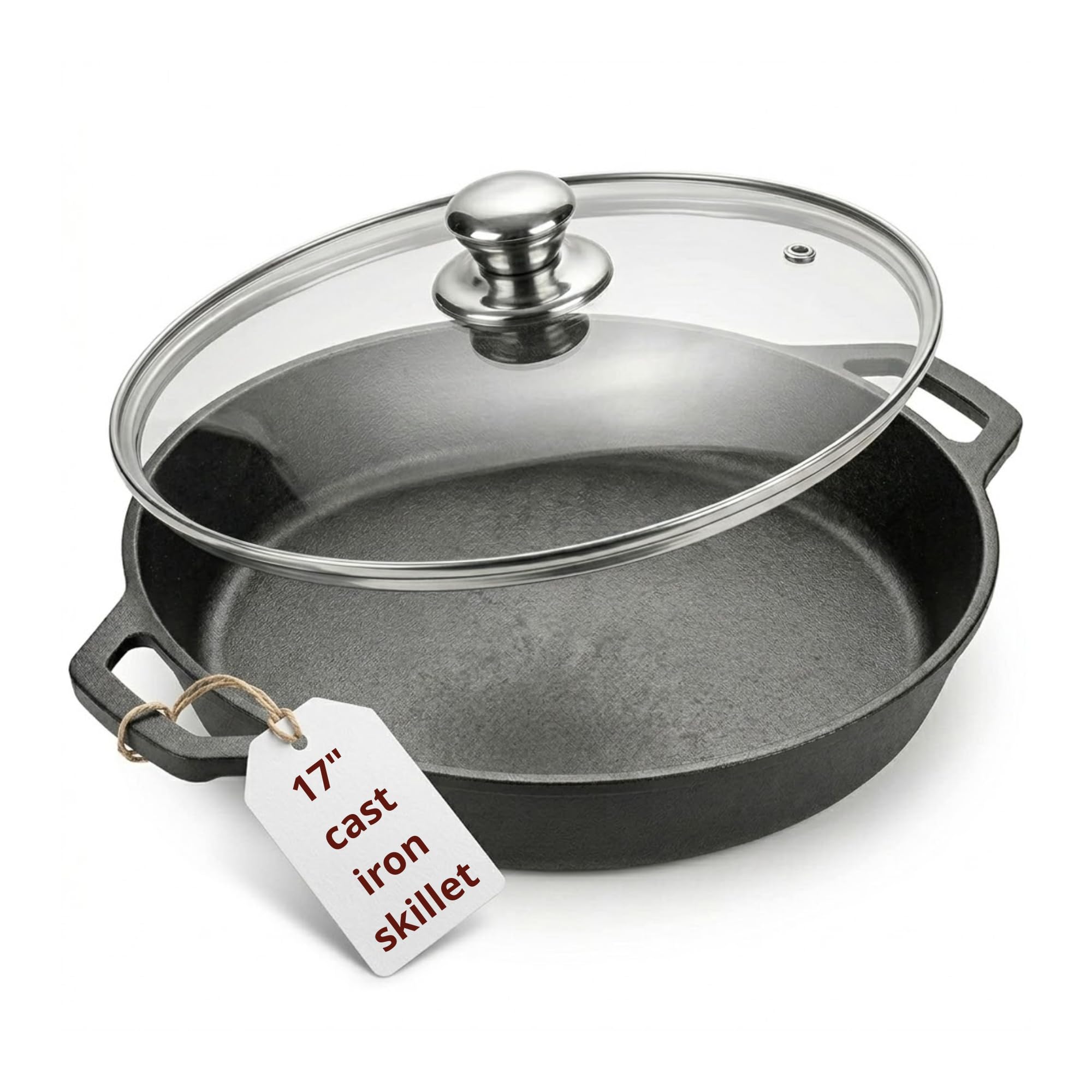


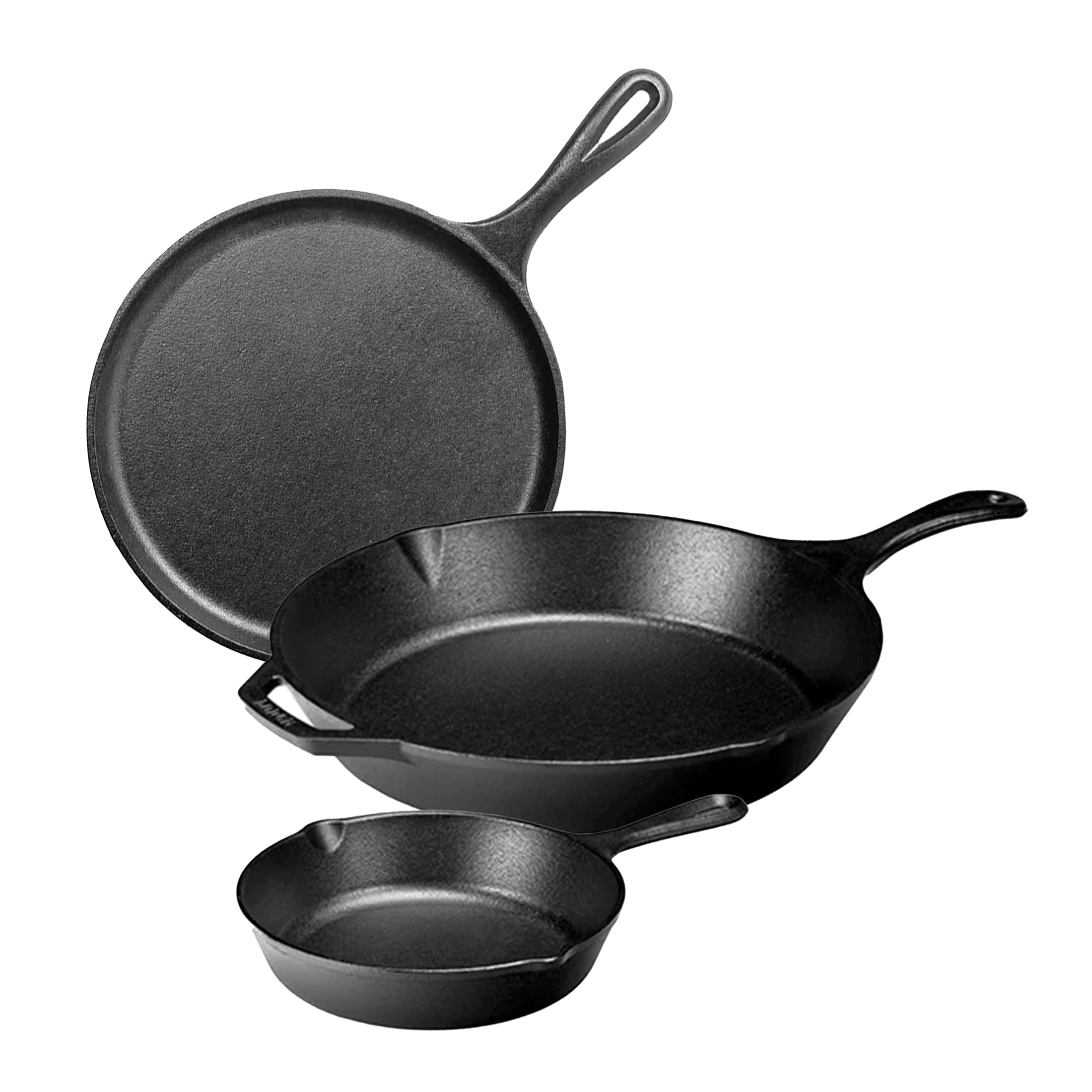
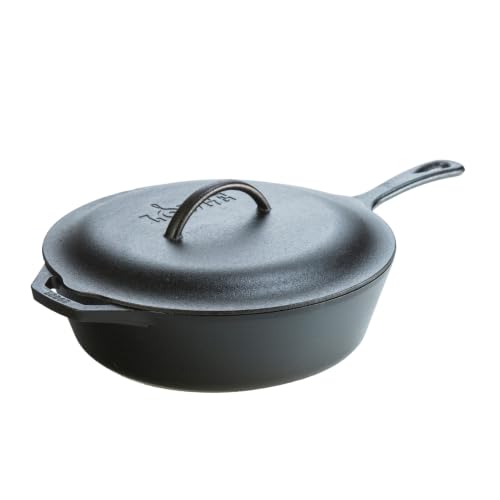
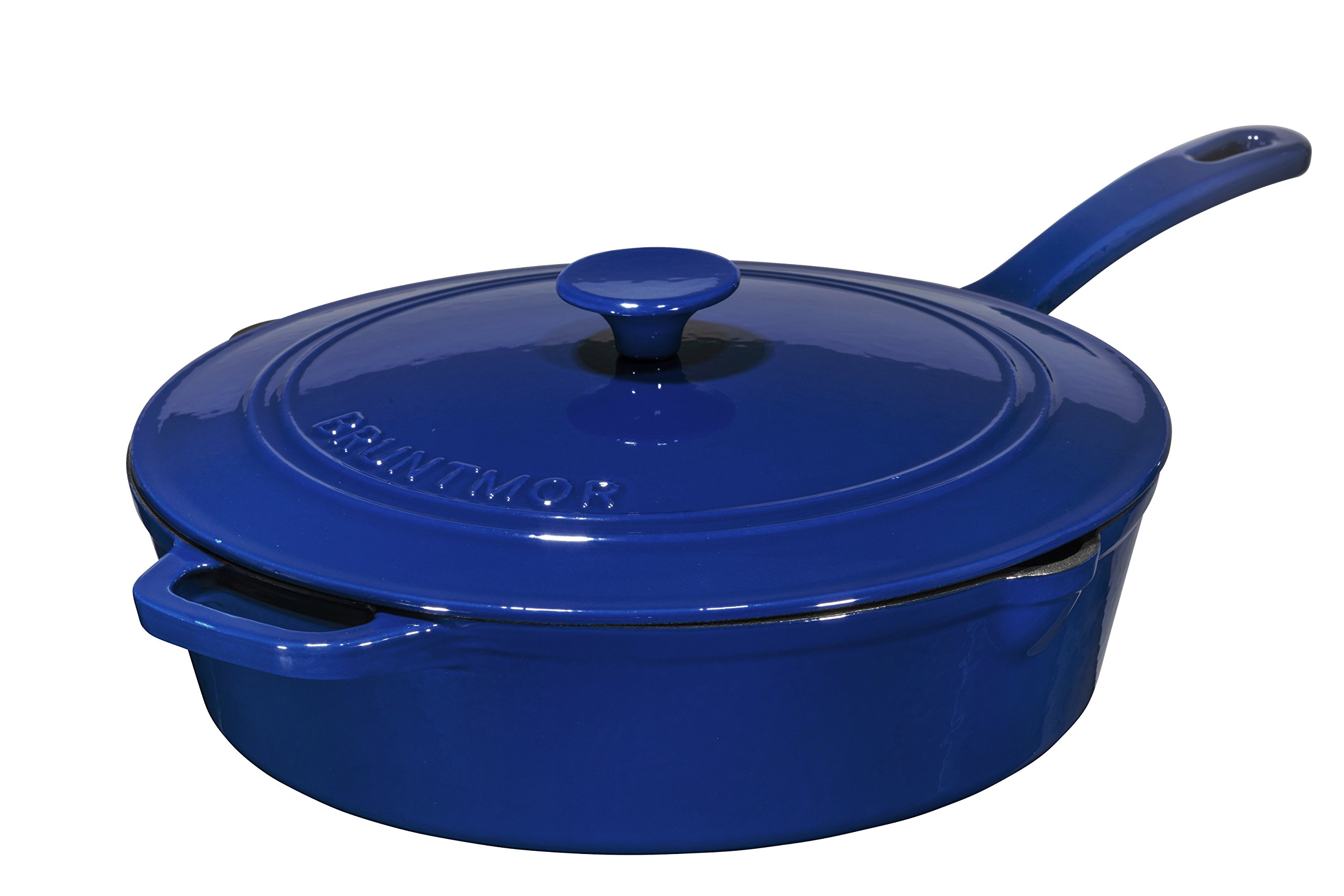


Quick Answer: Three Types Worth Your Money
Under this budget, nearly every strong option falls into one of three groups. A classic pre seasoned skillet is the workhorse choice for most homes. An enameled skillet suits cooks who simmer acidic sauces often and want simpler cleanup. A lightweight machined skillet costs more but is easier to lift and store in a small kitchen. The best cast iron skillet under 100 for you is the type that fits your stove, your storage, and your habits.
Before You Buy: A Quick Checklist for Choosing a Cast Iron Skillet
Cast iron looks simple, yet small details decide whether a skillet becomes your daily pan or sits in a cabinet. Work through the points below first.
Size: Match It to Your Space
Diameter is measured across the top rim, and it should match both your burner and your usual portions. A 6 or 8 inch skillet suits one person and reheating single servings. The 10 to 10.25 inch range is the sweet spot for two to three people and fits standard burners and ovens well. A 12 inch skillet feeds four or more and gives proteins room to brown, but it needs a large burner and more storage. A 15 inch pan is a specialty size for big gatherings, and deep models hold more liquid for braises.
Which Type Fits Your Routine
Most skillets under this budget arrive pre seasoned, meaning the factory has baked on layers of oil so you can cook right away. Smooth machined surfaces feel slick sooner, while rough cast surfaces season more slowly but cost less. Enameled skillets carry a glass coating that resists rust and handles tomato based sauces without stripping seasoning. Square grill pans add ridges but are harder to clean and less versatile. If you prefer the ready to cook route, compare the options in our guide to the best pre seasoned cast iron skillet before deciding.
Features Worth Paying For and Ones to Skip
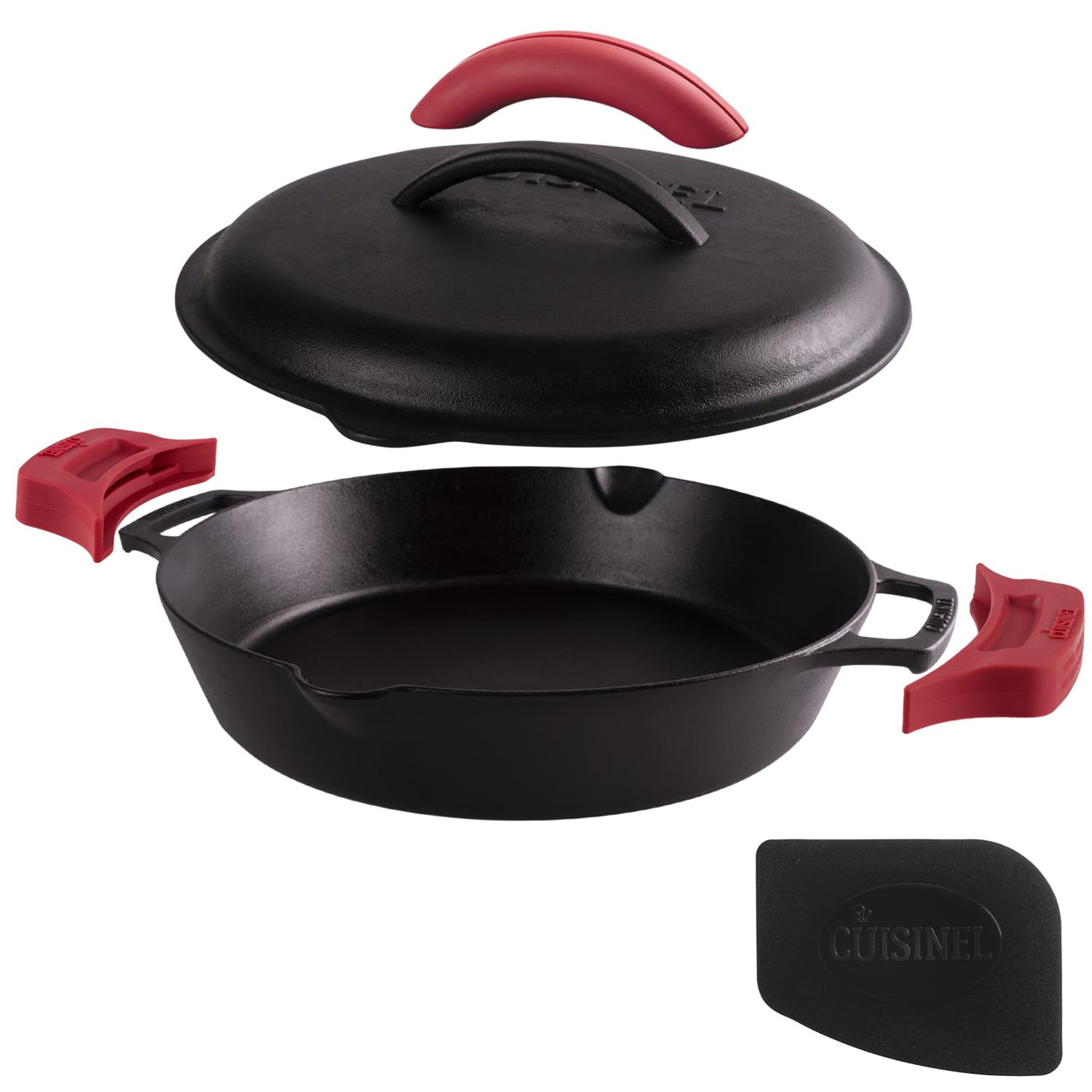
Pour spouts on both sides help you drain fat without spills, and a short helper handle opposite the main handle makes a full pan safer to carry. A fitted lid is worth paying for if you steam vegetables or finish dishes in the oven. Silicone handle covers are cheap and useful, since the handle heats up with the pan. Skip decorative finishes, extra long handles that crowd a small stove, and bundled accessory kits you may never use. One solid skillet beats a box of extras.
Safety: Coatings, PFAS and PTFE
Bare cast iron contains no synthetic nonstick coating, so there is no PFAS or PTFE layer to wear out or overheat. The dark surface is seasoning, oil baked into a hard film that renews itself as you cook. Enameled cast iron uses a glass based coating that is also free of those chemicals. If you are weighing materials for health or upkeep reasons, our comparison of cast iron vs stainless steel skillet explains how the two surfaces differ.
Induction, Gas and Glass Top Compatibility
Cast iron works on every common cooktop because the metal itself responds to induction and handles open flame without trouble. On glass top stoves, the key point is the bottom of the pan. Look for a flat, smooth base that sits flush on the burner, since a raised ring or rough casting can rock and heat unevenly. Gas burners forgive minor unevenness, while induction needs full contact to deliver steady power. Match the skillet diameter roughly to your burner size for even results.
Oven Safe Temperature and Handles
A bare cast iron skillet with an all metal handle can go from stovetop to oven and under the broiler, which is how you finish thick chops and bake skillet breads. Most models in this price range tolerate oven heat of about 500 degrees or more, but confirm the rating if you plan to broil. Enameled skillets sometimes carry lower limits because of their coating or knob material. Long handles give leverage for pouring, while compact handles fit smaller ovens.
Realistic Budget Ranges
Prices in this category fall into clear tiers. Under $30 usually buys a basic traditional skillet that cooks well but may have a rougher surface. At about $30 to $50 you gain smoother casting, better handles, and more consistent seasoning. At about $50 to $100 you are paying for machined surfaces, lighter weight, enamel, or a lid in the box. Paying over $100 mainly buys premium finishing and styling. For most homes, the middle tiers deliver the best balance of performance and cost.
Types Compared: What Each Style Does Best in a Real Home
Here is how the three main styles compare on the factors that matter day to day.
Classic Pre Seasoned Skillets
This is the traditional design, cast thick for strong heat retention and sold at the lowest prices in the category. It sears steaks and burgers with a deep crust, holds heat when you add cold food, and tolerates metal utensils and high heat. The trade offs are weight and patience. A 12 inch model can feel heavy with one hand, and the surface needs weeks of regular cooking before eggs slide easily. For households that cook most nights and want one pan for decades, this style is the default pick.
Enameled Skillets
An enamel coating changes the daily routine more than any other feature. You can simmer chili, shakshuka, and wine based sauces without worrying about the seasoning, and wash the pan with soap without rust creeping in. Enamel also comes in colors that look good on the table. The surface is less forgiving of drops, since the coating can chip on tile or against other pans, and it builds a less slick surface than bare iron. Choose enamel if easy care and acidic dishes top your list.
Lightweight and Machined Skillets
Thinner casting and machined smooth surfaces cut the weight that makes cast iron hard for some cooks to handle. These skillets are easier to tilt for basting, simpler to wash, and kinder to wrists when you move a full pan to the oven. They give up a little heat retention, so the temperature dips more when food goes in, and prices sit near the top of this budget. If standard pans feel like a workout, browse our guide to the best lightweight cast iron skillet for lighter designs.
How This Guide Judges Value
We weigh types and features using the criteria that shape daily cooking: heat distribution, durability, material safety, stovetop and oven compatibility, and cleaning effort. The assessments draw on manufacturer specifications and patterns in verified buyer reviews, such as repeated comments about warping and handle comfort. A skillet scores well when it performs its core job for years without fussy care.
What You Get and Give Up Under $100
Staying under $100 does not mean settling for a weak pan. At this level you get iron that sears as well as far pricier skillets, because the cooking performance comes from the material itself. You also get durability that coated pans cannot match, since a dull surface can be seasoned again at home instead of replaced. What you give up is mostly refinement. Surfaces may start rougher, finishes are plainer, and extras like lids are less common at the low end. For a household watching total cost, the value is strong: one purchase can cover frying, baking, and roasting for years with almost no ongoing spend.
Common Buying Mistakes to Avoid
- Buying too big for your burner: an oversized skillet on a small burner heats in the center and leaves edges cool, so food cooks unevenly.
- Ignoring the weight when full: a large skillet loaded with food can strain your wrist, and a dropped pan can damage a glass cooktop.
- Paying for features you will not use: grill ridges, novelty shapes, and big accessory bundles add cost and cleaning time.
- Forgetting storage space: long handles and 15 inch pans do not fit every cabinet or oven, so measure before you order.
- Expecting instant nonstick performance: a new skillet needs repeated cooking with fats before the surface turns truly slick.
Cost of Ownership and Care
Ongoing costs are minimal. You need a stiff brush or scraper, a small amount of cooking oil, and a lint free cloth. Wash the pan with hot water, dry it on low heat, and wipe on a thin film of oil while it is warm. Our step by step guide on how to clean a cast iron skillet covers stuck on food and light rust. When the surface looks dry or patchy, follow the process in our guide on how to season a cast iron skillet to rebuild it in your oven. Store the skillet dry, with a cloth between pans if you stack them.
FAQ
Can you get a good cast iron skillet for under $100?
Yes. The cooking performance of cast iron comes from the metal, and budget models use the same basic material as premium ones. What changes with price is finishing, weight, and extras. One practical check is the warranty and return window, since makers who stand behind casting quality tend to offer longer coverage. Read recent buyer comments for reports of cracks or wobble before you order.
What is the best cast iron skillet under 100 for a glass top stove?
Look for a flat milled bottom with no raised heat ring, since full contact protects the glass and heats evenly. Weight matters more here than on gas, because dragging a heavy pan can scratch the surface. Build the habit of lifting the skillet to move it, and set it down gently. A 10.25 inch model covers most burners without hanging over the edge.
How long does a cast iron skillet last with daily use?
A cast iron skillet can serve for decades and often outlasts every other pan in the kitchen. The usual end of life events are cracks from a hard drop or warping caused by thermal shock, such as running cold water over a ripping hot pan. Let the skillet cool a little before washing, and heat it gradually. The iron itself does not wear out, and the surface can be renewed whenever it looks tired.
Why does food stick in a new cast iron skillet during the first weeks?
New seasoning is thin, so proteins bond before the surface builds up enough layers. Heat management fixes most of it. Preheat the pan on medium for several minutes, then add your fat and let it shimmer before the food goes in. Give proteins time to release on their own instead of forcing them with a spatula. Fried potatoes, cornbread, and sauteed vegetables build the surface fastest in those early weeks.
Can a cast iron skillet go from the stovetop to the table for serving?
Yes, and it keeps food warm far longer than a ceramic dish. Protect the table with a trivet or thick folded towel, since the bottom stays hot well after serving starts. Warn everyone that the handle is still hot, because it looks like a serving piece once it leaves the stove. Avoid leaving acidic sauces sitting in the pan after the meal, as long contact can dull the seasoning.
Final Thoughts
Match the size to your household, pick the type that fits your routine, and let the budget tiers guide how much finishing you pay for. The product table above lists current options. For most homes, the best cast iron skillet under 100 dollars is a classic pre seasoned model in the 10.25 to 12 inch range, stored where you will reach for it daily.


