
Best Cast Iron Skillet for Cornbread: Diameter, Preheating and Wedge Pans (2026)
Disclosure: We may earn a commission when you buy through links on this page, at no extra cost to you. As an Amazon Associate I earn from qualifying purchases. Learn more

The best cast iron skillet for cornbread guide: diameter, preheating, wedge pans and care.
Sunday cornbread sounds simple until the pan is too small for your household, too heavy to lift from the oven, or too shallow for the batter you love. Choosing the best cast iron skillet for cornbread comes down to your kitchen space, how many people you feed, and how much daily care you want. This guide walks through sizes, types, and costs so you can match a pan to real home life, and the product table below lists current options.
If you are still deciding whether cast iron suits your cooking, our guide to the best cast iron skillet covers the broader category. Here the focus stays narrow, on crisp crusts, even browning, and a pan you will reach for weekly.


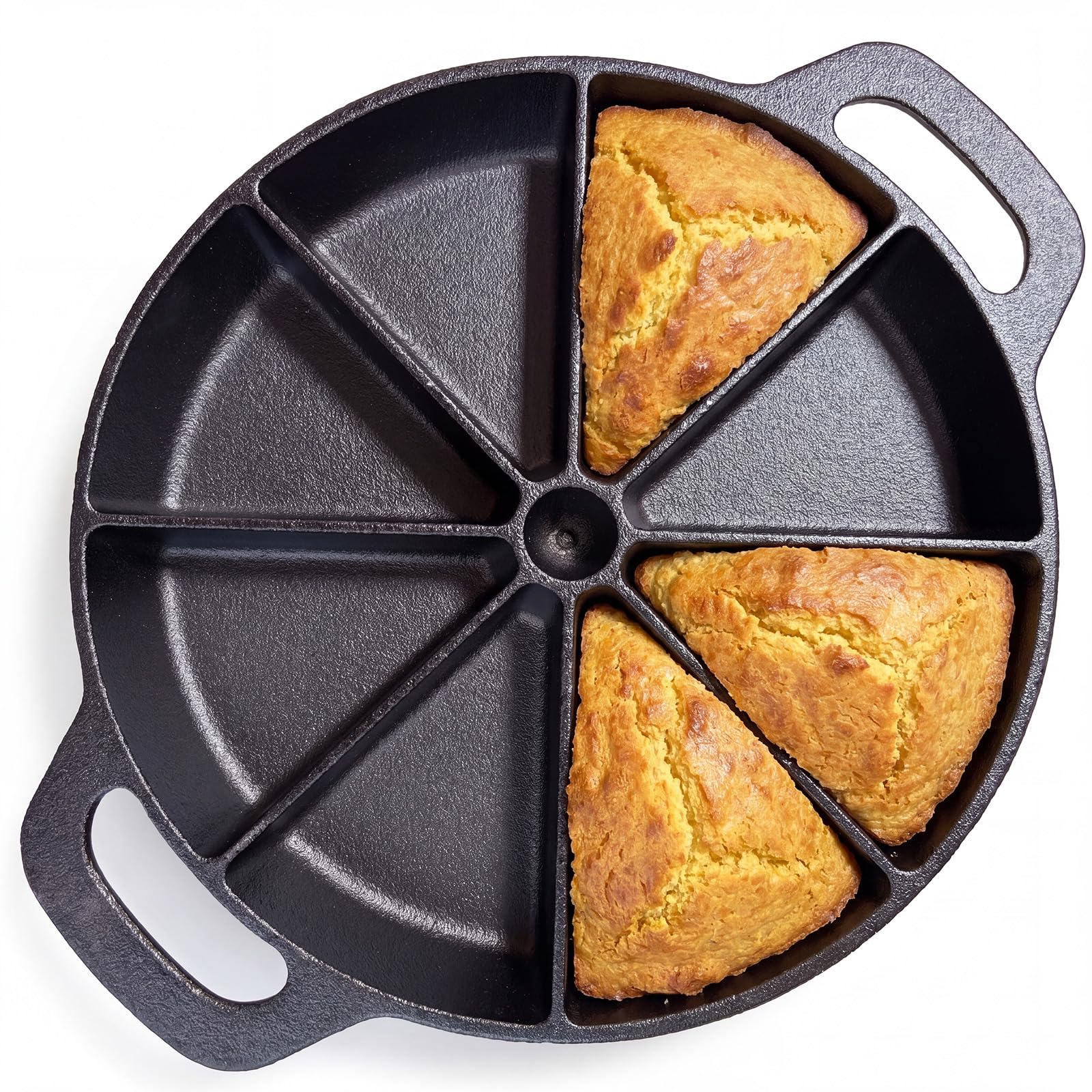

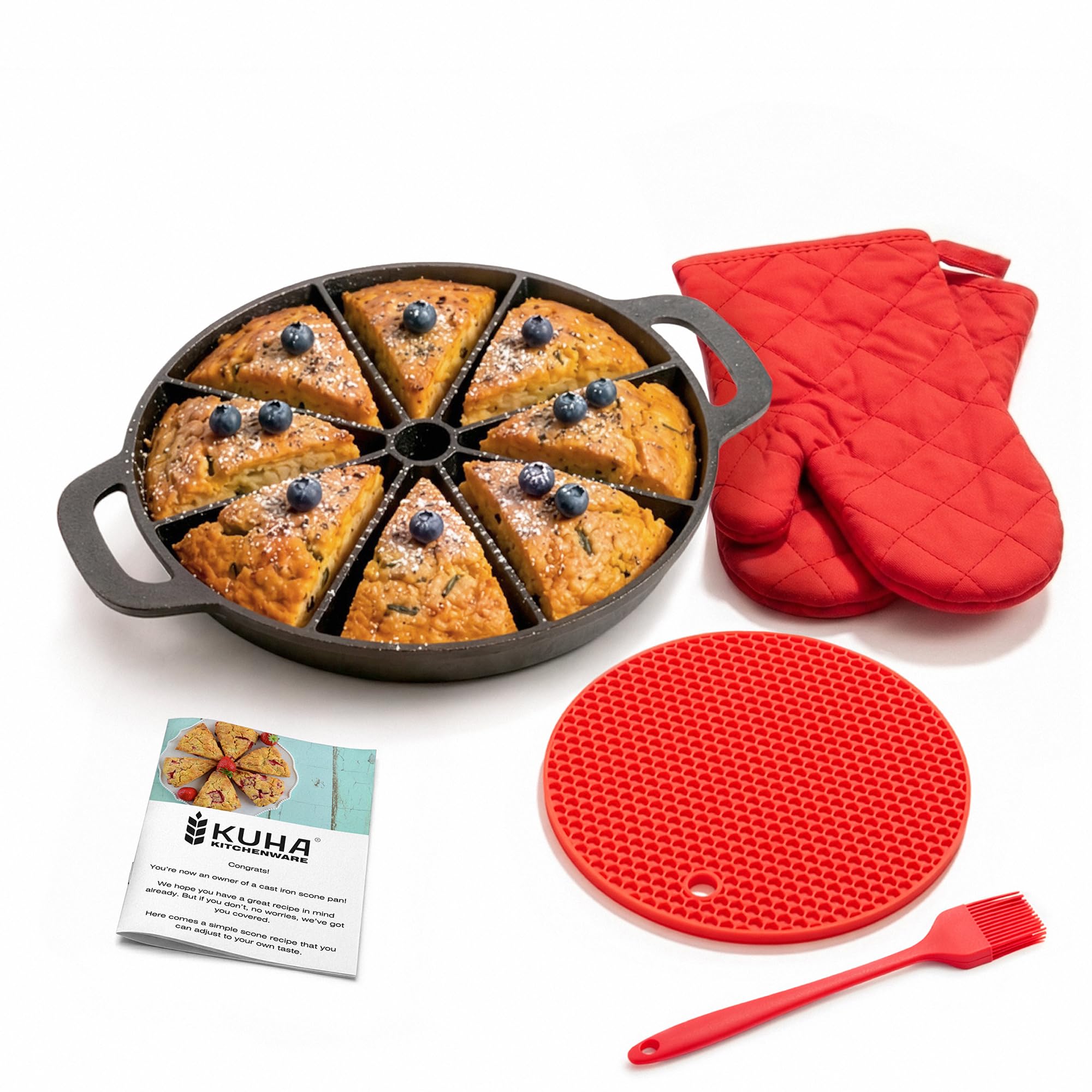
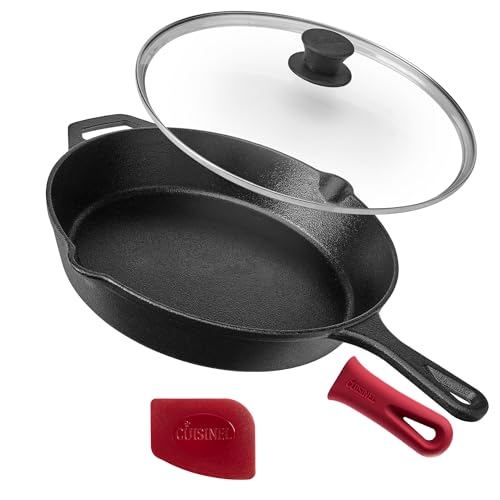
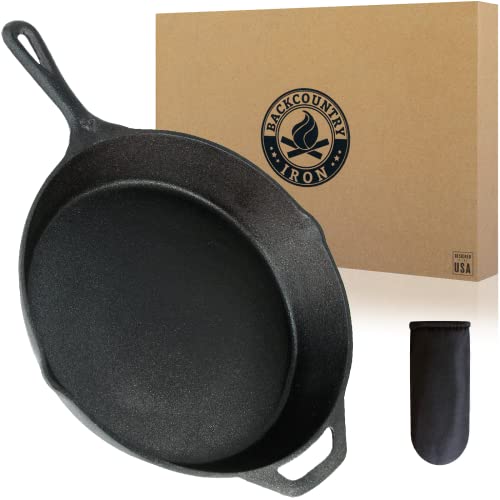


Quick Answer: The Main Types in 30 Seconds
For most homes, a 10 inch or 10.25 inch traditional skillet gives the best balance of crust, serving size, and storage. Smaller households often do better with an 8 inch pan, while larger families may need 12 inches. Choose a pre seasoned surface if you want to bake right away, a smoother finish if you dislike sticking, and an enameled finish if you want simpler washing and no seasoning routine.
Before You Buy: A Quick Checklist for Choosing a Cast Iron Skillet for Cornbread
Cornbread rewards a pan that heats evenly, holds heat when cold batter goes in, and releases the loaf without tearing the crust. The points below help you check each factor before you spend.
Size: Match It to Your Space
An 8 inch skillet suits one or two people and fits small ovens and crowded cabinets. A 10 inch or 10.25 inch pan is the workhorse size for most recipes and feeds about four people. A 12 inch skillet handles double batches and larger households but needs more storage room and more strength to move. A 6 inch pan makes single servings, while a 15 inch pan is bulky for daily use. Measure your oven and cabinet before you choose, and leave room for the handle.
Which Type Fits Your Routine
Traditional pre seasoned pans arrive ready to bake and build a stronger surface with use. Enameled pans skip seasoning and wash more easily, though the coating can chip if struck hard. Lightweight pans reduce strain when you lift a full loaf from the oven. Smooth and machined surfaces often release cornbread more cleanly than rough textures. Deep and square shapes hold thicker batters, while a double handle design feels steadier with heavy loads. Pick the type that matches how often you bake and how you clean.
Features Worth It and Ones to Skip
Pour spouts help you add melted fat or move batter drips without a mess, and they cost nothing extra to use. A handle cover protects your hand when the pan comes out of a hot oven, and many cooks find it worth keeping nearby. A lid is rarely needed for cornbread, since most recipes bake uncovered for a browned top. Extra helper handles matter more than lids at this size. Skip bundled extras you will store but never use, and put that money toward the right diameter instead.
Is Cast Iron Free of Synthetic Coatings?
Bare cast iron has no PFAS or PTFE coating, which is one reason many home bakers prefer it for cornbread. The cooking surface is iron plus layers of baked on oil called seasoning, not a sprayed finish. Enameled cast iron uses a glass based coating that is also free of those chemicals, though you should follow the maker guidance for chips. If you compare materials, stainless steel is another coating free option, but it does not hold heat or build a crust the way iron does.
Induction, Gas and Glass Top Compatibility
Cast iron works on gas, electric, and induction cooktops because the metal responds to magnetic induction and handles direct flame. On a glass top stove, lift the pan instead of sliding it, since the heavy base and any rough spots can scratch the surface. Check that the base sits flat, because a warped bottom will spin on smooth tops and heat unevenly. Preheat gently on the stove before baking, using low to medium heat so the pan warms evenly without harsh hot spots.
Oven Safe Temperature and Handles
Bare cast iron skillets handle the high oven heat cornbread needs, often 400 to 450 degrees, without damage to the pan itself. Enameled versions may have lower limits, so check the stated limit for that finish and for any knob or cover you plan to use. Long handles give leverage but add length inside small ovens. Shorter handles and helper handles make turning the pan easier. Always plan your grip before you open the oven, and use dry mitts, since a damp mitt can conduct heat.
Realistic Budget Ranges
Basic traditional skillets often cost under $30 and cover daily baking well if the size is right. Models priced under $50 may add smoother finishing or a helper handle. Options under $100 often focus on lighter weight, refined surfaces, or enamel. Choices under $200 are usually premium finishes or specialty shapes, and they do not bake better by default. Spend first on correct size and a flat base, then on finish. A modest pan used weekly is a better value than a costly pan that stays stored away.
Types Compared: Three Skillet Styles for Cornbread
Instead of chasing a single winner, compare the three styles below against your household size, your strength, and your cleaning habits. Each style can produce a crisp crust when preheated well.
Traditional Pre Seasoned Skillets for Most Homes
This is the default choice for most kitchens. The surface arrives with seasoning, so you can bake after a quick wash and dry. It tolerates high heat, metal tools, and years of regular use. If you want this route, our guide to the best pre seasoned cast iron skillet explains what good factory seasoning looks like. The trade off is weight and upkeep, since you must dry the pan fully after washing to guard the surface.
Lightweight and Smoother Skillets for Easier Handling
A full skillet plus batter can feel surprisingly heavy at oven height, especially for smaller cooks or anyone with weak wrists. Thinner walls and smoother machining cut some of that load while keeping strong heat retention for the crust. Our guide to the best lightweight cast iron skillet covers how much weight you can save. The trade off is that a lighter pan may cool a touch faster when batter goes in, so a full preheat matters even more.
Enameled and Deep Skillets for Flexible Use
Enameled skillets suit cooks who want to wash with soap, soak briefly, and skip seasoning altogether. The smooth coating also handles acidic toppings served over cornbread without reacting with bare iron. Deep skillets hold tall, cake style loaves and reduce spills when you stir batter in the pan. The trade offs are cost and care, since enamel can chip and deep walls can brown the sides more slowly. Choose this style when easy washing matters more than the lowest price.
Our Selection Process for Cornbread Skillets
We judged types against heat distribution, durability, material safety, stovetop and oven compatibility, and cleaning effort. We relied on maker specifications for size, weight, and heat limits, and on patterns in verified buyer reviews about sticking, rust, and handle comfort. A type only earned a place here if it solved a clear home need, such as small storage, easier lifting, or simpler washing.
Living With It: What Really Matters Day to Day
The best pan for your home is the one that fits your routine on a busy weeknight, not just on a relaxed weekend. Think about where the skillet will live, since a pan stored in a low cabinet with a heavy stack on top will get used less. Think about who lifts it, since a household that shares cooking needs a weight everyone can manage safely.
Preheating is the habit that changes results most. Put the empty skillet in the oven as it heats, add a little fat once hot, then pour in the batter and listen for a gentle sizzle. That step builds the crisp bottom crust people expect from cast iron.
Common Buying Mistakes to Avoid
- Buying a 12 inch pan for a two person recipe, which spreads batter thin and dries the crumb.
- Ignoring total weight with batter, which makes oven removal awkward and raises the risk of spills.
- Paying for a lid and extras you never use for cornbread, which adds cost and storage bulk.
- Choosing enamel for heavy metal tool use, which can chip the coating over time.
- Skipping oven and cabinet measurements, which leaves you with a handle that blocks the door or shelf.
Cost of Ownership and Care
Ownership costs stay low with cast iron. You need dish soap if you choose to use it, a stiff brush, stove heat or oven heat for drying, and a small amount of neutral oil for occasional upkeep. There are no filters or replacement parts to buy. For step by step washing guidance, see how to clean a cast iron skillet before your first bake so the routine feels familiar.
Seasoning needs attention only when food starts to stick more or the surface looks dull and patchy. Thin coats of oil baked onto a clean, dry pan restore the surface over time. Our walkthrough on how to season a cast iron skillet explains the process without special products. Store the pan fully dry, with a cloth or paper layer if you stack other cookware on top of it.
FAQ
How do you clean a cast iron skillet after baking cornbread?
Wash the cooled pan with hot water and a brush, using a small amount of soap if crumbs or fat remain. Dry it on low stove heat until all moisture is gone, then wipe on a very thin layer of oil while warm. A useful extra tip is to clean while the pan is still slightly warm, since baked on batter softens faster then than after it sits overnight.
Is a cast iron skillet worth it for cornbread?
Yes, if you bake cornbread more than a few times a year and want a firm, browned crust that baking pans rarely match. The pan also moves to other jobs, from eggs to cobblers, so the cost spreads across many meals. If you bake once a year and dislike heavy cookware, borrowing a pan or using a sturdy metal baking pan may suit you better than buying and storing iron.
How long does a cast iron skillet last?
A sound cast iron skillet can last for decades, and many stay in families for generations, because there is no coating to wear out. Cracks from a hard drop and deep warping are the main end points, not age. If the cooking surface grows rough, you can usually restore it with cleaning and fresh seasoning rather than replacing the pan, which keeps long term costs very low.
What should I look for in a cast iron skillet for cornbread?
Start with a flat base, the right diameter for your usual recipe, and walls tall enough to hold your batter without spilling. Check the total weight, the heat limit for any enamel finish, and whether the handle length fits your oven. One point often missed is rim shape, since a slight outward flare helps you slide a spatula under slices and lift them out without breaking the crust.
What is the best cast iron skillet for cornbread?
For most homes it is a 10 inch or 10.25 inch pre seasoned skillet with a flat base, a helper handle, and a weight you can lift safely when full. That size matches common recipes and stores easily. If lifting is hard for you, the same size in a lighter build is the smarter answer, even if it costs more, since a pan you can handle confidently gets used far more often.
Final Thoughts
Match the diameter to your household, the weight to the person lifting it, and the finish to the cleaning routine you will actually keep. Do that, and the best cast iron skillet for cornbread for your home becomes an easy, lasting choice. Look back at the product table above to compare current options, then pick the style that fits your space and budget.


