
Best Cast Iron Skillet for Eggs: Size, Smooth Surfaces and Heat (2026)
Disclosure: We may earn a commission when you buy through links on this page, at no extra cost to you. As an Amazon Associate I earn from qualifying purchases. Learn more

The best cast iron skillet for eggs guide: size, smooth surfaces, weight and heat control.
Breakfast for four in a small kitchen usually means eggs cooking while toast waits and someone hunts for counter space. Finding the best cast iron skillet for eggs is less about the heaviest pan you can lift and more about a size that fits your stove, your storage, and the number of people at your table. A pan that suits a solo apartment can crowd a family scramble, and the reverse is just as true.
This guide walks through size, surface type, budget, and the daily cost of cleaning and upkeep, so you can match a skillet to your home instead of adapting your mornings to the wrong pan. The product table below lists current options.

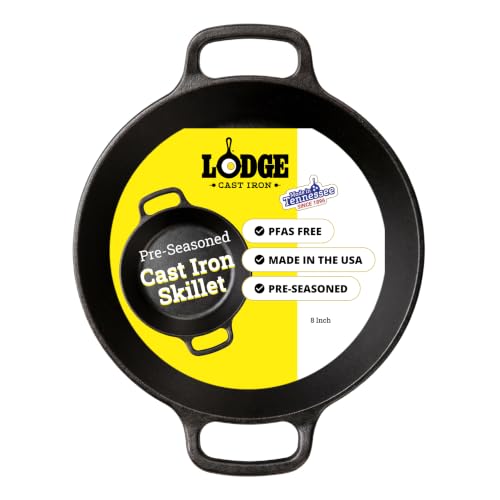
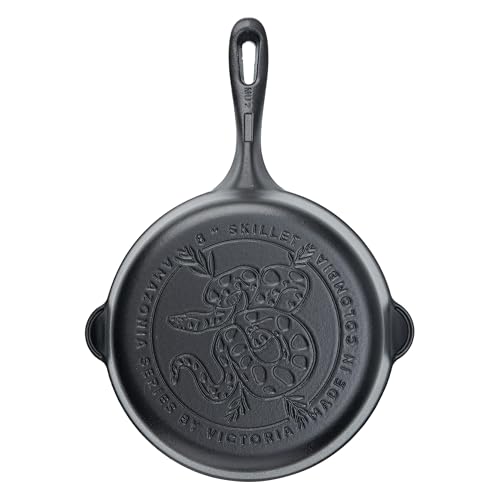


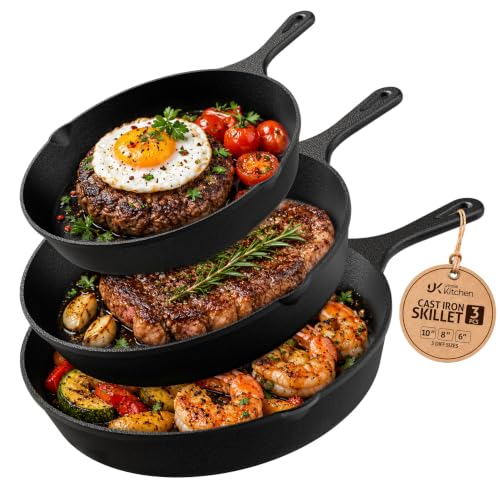


Quick Answer: The Three Styles to Consider First
Three skillet styles cover nearly every home. A classic pre seasoned pan in standard weight is the value choice for most kitchens and improves with use. An enameled pan suits cooks who want gentler cleanup and no seasoning routine. A lightweight or smoothly machined pan suits anyone who tilts the skillet with one hand to slide eggs onto a plate. Pick by your routine and household size first, then check the details below.
Before You Buy: A Quick Checklist for Choosing a Cast Iron Skillet for Eggs
Eggs punish the wrong choice faster than most foods. They show uneven heat, rough surfaces, and excess weight right away, so work through these points before you spend anything.
Size: Match It to Your Space
An 8 inch skillet holds one or two fried eggs and suits one or two people, small burners, and tight cabinets. A 10 or 10.25 inch pan cooks three to four eggs and fits most family breakfasts without wasted space. A 12 inch pan handles four to six eggs and wide scrambles, but it needs a large burner and real storage room. Sizes like 6 inch and 15 inch serve narrow cases, a single egg or a crowd, so skip them unless your routine truly matches.
Which Type Fits Your Routine
Pre seasoned pans arrive ready to cook and build more release with every meal, which suits daily egg cooks. Enameled pans skip seasoning and wash with soap and water, a better fit for busy or shared kitchens. Smooth and machined surfaces let a thin spatula glide under eggs more easily than rough sand cast textures. Lightweight pans help if you plate eggs by tilting. Deep, square, and double handle designs serve roasts and casseroles better, since their shapes make flipping and sliding eggs harder.
If the ready to cook route appeals to you, our guide to the best pre seasoned cast iron skillet options explains how factory seasoning differs between price levels.
Features Worth Paying For, and Ones to Skip
A short helper handle opposite the main handle is worth paying for, because a full skillet is heavy and two grips make moving it safer. A snug lid helps when you want whites to set gently or cheese to melt over eggs. A silicone handle cover adds comfort during serving. Pour spouts matter little for eggs, since eggs slide out rather than pour, and deep rims, grill ridges, and oversized handles mostly add weight and cost without helping breakfast.
Is Cast Iron Free of Coatings You May Want to Avoid
Bare cast iron carries no PFAS or PTFE layer. Its dark surface is oil baked onto the metal through seasoning, and it renews itself as you cook rather than wearing away like a sprayed coating. Enameled cast iron uses fused glass instead, which is also free of those compounds. If you are weighing materials, our cast iron vs stainless steel skillet comparison covers how each surface treats eggs and what upkeep each one asks of you.
Induction, Gas, and Glass Top Compatibility
Cast iron works on gas, electric coil, glass top, and induction cooktops, since the iron itself responds to a magnet. A flat, smooth bottom matters most, because a warped or ringed base rocks on glass and heats unevenly on induction. Heavy pans can scratch a glass surface if you drag them, so lift the skillet to move it, and on induction start at a lower setting than you expect.
Oven Safe Temperature and Handles
All metal cast iron handles go straight into the oven, which helps when you finish eggs under gentle oven heat or keep them warm while the rest of breakfast catches up. Most bare pans tolerate typical broiler heat, but check the maker limit for enameled pieces, since their finish can have a lower ceiling. Any silicone handle cover must come off first, and the handle stays hot, so keep a dry towel or mitt within reach.
Realistic Budget Ranges
Spending under $30 usually buys a basic pre seasoned pan with a rougher finish that still cooks eggs well once the seasoning builds. The range of about $30 to $60 adds smoother surfaces, better shaped handles, and sometimes a lid. Paying about $100 to $200 covers enameled and finely machined pans with easier release from day one. Above that, you mostly pay for looks and heritage rather than better eggs. For a pan used daily for years, the middle ranges give most homes the best value.
Types Compared: Which Skillet Style Suits Your Eggs and Your Home
The classic pre seasoned skillet suits most homes. It costs the least, shrugs off metal spatulas, and its release improves month by month, which rewards households that cook eggs several times a week. Its trade off is weight and a seasoning routine that someone in the home must actually keep up.
The enameled skillet suits homes that value easy cleanup over tradition. You can soak it, use soap, and cook tomato based egg dishes like shakshuka without worrying about the seasoning. In return you pay more and should avoid metal tools on the enamel.
The lightweight or smooth machined skillet suits smaller households, older cooks, and anyone whose wrist complains when tilting a full pan over a plate. Eggs slide out with less effort and a thin spatula slips under fried edges cleanly. If that daily ease matters to you, see our guide to the best lightweight cast iron skillet styles and how much weight they save. The trade off is price, and a lighter pan holds slightly less heat when cold eggs hit the surface.
Our Selection Process for Egg Skillets
We judge egg skillets on heat distribution, durability, material safety, stovetop and oven compatibility, and cleaning effort, weighted toward the realities of home kitchens. Our information comes from maker specifications and from patterns in verified buyer reviews, such as repeated comments about sticking or weight.
Living With It: What Really Matters in a Cast Iron Skillet for Eggs
Daily success with eggs in cast iron comes down to heat control. Warm the pan over medium low heat for a few minutes, add butter or oil, and only then add the eggs. A pan heated too fast develops a hot center that sets whites before the edges, while a patient warm up gives you tender eggs that release once they have set. Let fried eggs sit undisturbed until the edges firm, then nudge them gently.
Weight shapes your mornings more than you expect. A full 12 inch skillet is a two hand lift for many people, so plating eggs for a crowd often means spooning them out instead of sliding them. In a one or two person home, a smaller lighter pan moves from stove to table with far less fuss, and unlike a coated nonstick pan it never needs replacing when a coating wears out.
Common Buying Mistakes to Avoid
- Buying the largest size by default: an oversized pan heats unevenly on a small burner and lives in the oven because no cabinet fits it.
- Ignoring total weight when full: a heavy skillet plus food can strain your wrist, so eggs end up torn instead of slid onto the plate.
- Paying for features eggs never use: grill ridges, deep rims, and novelty shapes raise the price while making flipping harder.
- Skipping the cost of upkeep: bare iron needs oil, storage space, and occasional re seasoning, and a home unwilling to do that will slowly stop using the pan.
- Choosing enamel for heavy metal tool use: metal spatulas can mark or chip enamel, so that purchase ends in frustration for cooks who refuse to switch tools.
Cost of Ownership and Care
Ownership costs stay low. You need cooking oil for seasoning, a stiff brush or sponge, and a dry storage spot. Wash the warm pan with hot water, dry it on the stove over low heat, and wipe in a thin film of oil before putting it away. Our step by step guide to how to clean a cast iron skillet covers stuck egg residue without harsh scrubbing. When the surface looks dull or food starts to cling, follow our guide to how to season a cast iron skillet to restore it. Rust is a repair job, not the end of the pan.
FAQ
What is the best cast iron skillet for eggs?
For most homes it is a pre seasoned 10 or 10.25 inch skillet, since that size covers daily breakfasts without crowding and fits standard burners and cabinets. The best choice shifts with your headcount, though. Cook mainly for one or two and an 8 inch pan serves you better, while a household of five or six will use a 12 inch pan far more and resent a smaller one.
Can you fry eggs in a brand new cast iron skillet?
Yes, but expect the first weeks to be the hardest. Fresh factory seasoning is thin, so start with scrambled eggs and a generous amount of butter or oil rather than a delicate fried egg. After a few weeks of regular cooking, the surface builds enough seasoning that fried eggs release with only a gentle nudge, and cooking eggs often is itself one of the fastest ways to improve it.
Why do eggs stick to cast iron even when the pan feels seasoned?
The usual cause is timing rather than the pan. Eggs added to a skillet that is still heating in patches bond to the cooler spots, and eggs moved too early tear because the proteins have not finished setting. Let the white firm up and the edges turn opaque before you touch the spatula. Cold eggs straight from the fridge also chill the surface, so a few minutes on the counter first can help.
What size cast iron skillet holds four eggs at once?
A 12 inch skillet holds four fried eggs with room for a spatula between them. A 10.25 inch pan can cook four eggs scrambled, where crowding matters less, but four fried eggs in it will merge into one another as the whites spread. If four fried eggs is your everyday breakfast, buy the 12 inch size and accept the extra storage space it needs.
Can a cast iron skillet used for eggs go in the dishwasher?
No. Dishwasher detergent and the long wet cycle strip seasoning and invite rust on bare iron, and the heat is unkind to enamel as well. Hand washing takes about a minute for an egg pan, since residue releases easily from a warm surface. If a little egg does stick, simmer a splash of water in the pan and it will lift away with a brush.
How long does a cast iron skillet last?
A cast iron skillet can serve for decades and often passes between generations, since there is no coating to wear out and the metal tolerates daily use. The realistic end comes from a crack after a hard drop or severe warping from extreme heat shock, not from cooking eggs. Rust and dull seasoning look alarming but can be cleaned and seasoned back to working order.
Final Thoughts
Match the pan to your household first and your cooking style second, and eggs in cast iron quickly become the easy part of breakfast. For the broader category view, the product table above and our guide to the best cast iron skillet options for general cooking are good next stops. Choose the size you will reach for daily, keep the seasoning fed, and the best cast iron skillet for eggs for your home will earn its place on the stove for years.


