
Best Cast Iron Saute Pan: Capacity, Handles and Lids (2026)
Disclosure: We may earn a commission when you buy through links on this page, at no extra cost to you. As an Amazon Associate I earn from qualifying purchases. Learn more

The best cast iron saute pan guide: capacity, helper handles, lids and finish.
Weeknight cooking often asks one pan to sear chicken, soften onions, and simmer a sauce without anything spilling over the side. That is exactly the job the best cast iron saute pan is built for, with straight sides, a wide flat base, and heat that stays steady once the pan is hot. The challenge is that cast iron is heavy, sizes vary a lot, and the right choice for a couple is rarely right for a family of six.
This guide focuses on how a pan fits your home. You will match capacity to your household, storage, and stove, choose between bare and enameled finishes, and set a budget that reflects real ownership costs. Start with the product table below, then use the checklist that follows to narrow your choice.
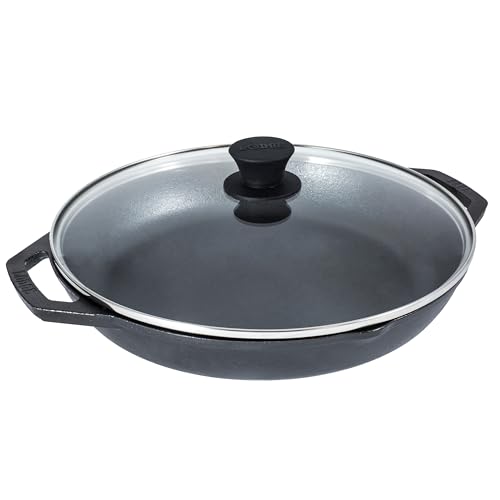
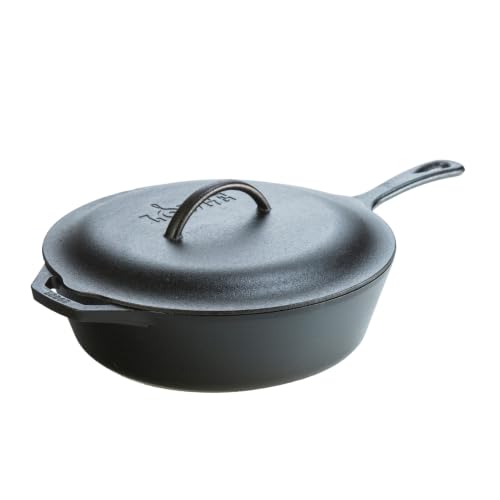

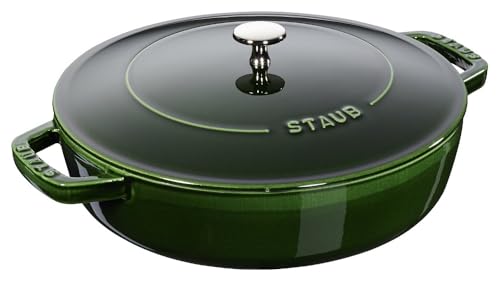

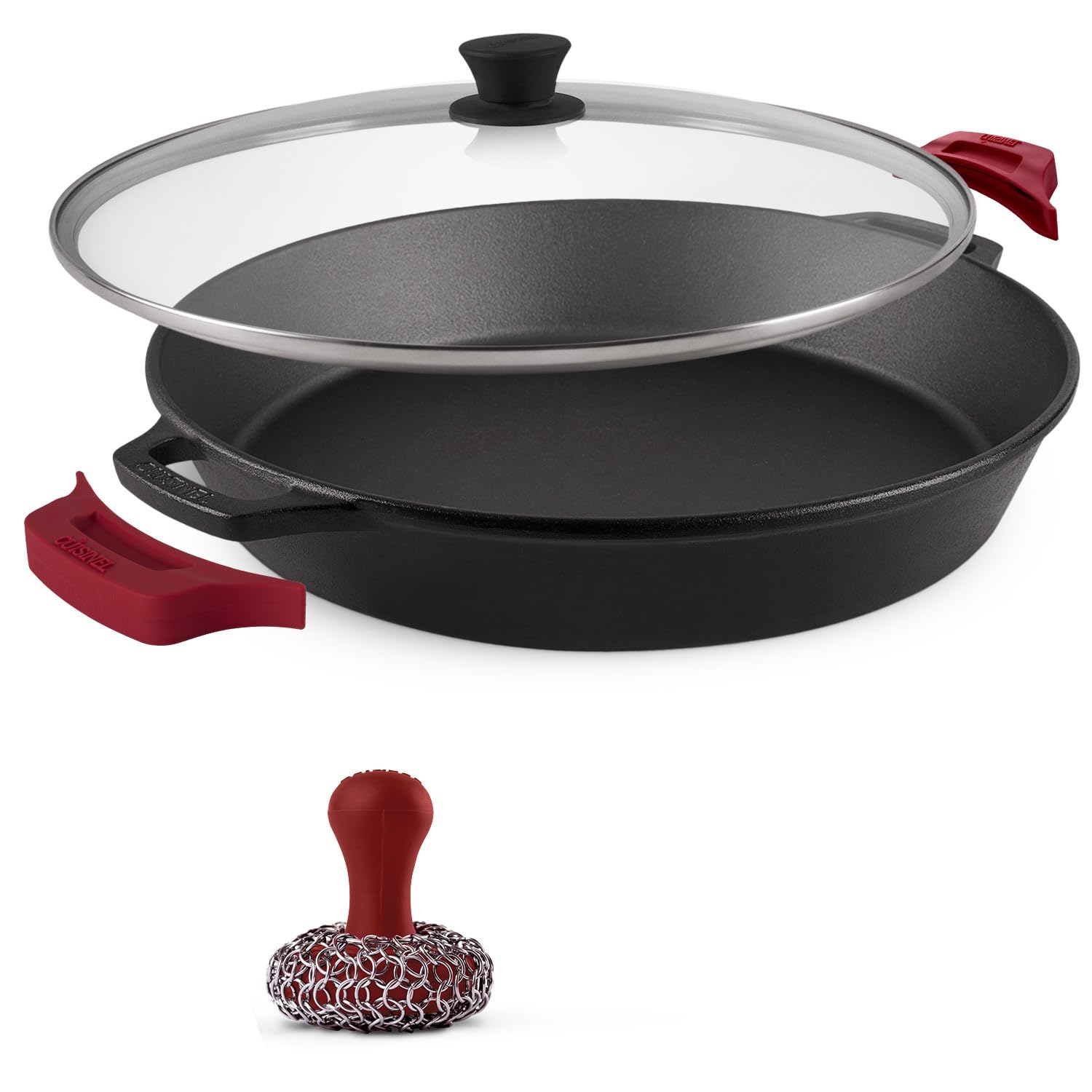


Quick Answer: Three Buying Profiles in 30 Seconds
Most homes fall into one of three profiles. A compact pan of about 3 quarts suits one or two people, side dishes, and small kitchens where storage and lifting weight matter most. A midsize pan of about 3.5 to 5 quarts is the everyday workhorse for three to five people, handling one pot meals, braises, and family sized batches of vegetables or sauce.
The third profile is the large, deep pan, often sold by diameter rather than capacity. If you cook for six or more, or you fry chicken and brown big batches of meat, look at a best 12 inch saute pan format with tall sides and a helper handle. Depth matters as much as width, because tall sides contain splatter and hold braising liquid.
Before You Buy: A Quick Checklist for Choosing a Saute Pan
Size: Match It to Your Space and Household
Capacity decides what you can cook in one batch, and crowding is the enemy of browning. A 3 quart pan works for reheating, eggs, and vegetables for two, while 3.5 to 4 quarts covers most family dinners without feeling cramped. Pans of 5 to 6 quarts suit meal prep and dishes with plenty of sauce, but they need a big burner and generous storage. If you are unsure how diameter and depth translate into portions, our guide to what size saute pan do i need walks through the math.
Which Finish Fits Your Routine
Bare cast iron arrives preseasoned and improves with use, and it tolerates high heat, metal utensils, and decades of service. Its trade off is care: you dry it promptly, avoid long soaks, and refresh the seasoning now and then. Enameled cast iron covers the iron with a glass coating, so it resists rust, handles tomato sauces without reacting, and skips seasoning entirely, though the enamel can chip if struck hard and these pans cost more. If daily cleanup matters more than searing power, compare your options in our guide to the best ceramic saute pan before you commit.
Features Worth Paying For and Ones to Skip
A well fitting lid is the feature most buyers should insist on, because saute pans simmer, braise, and steam as often as they sear. A helper handle opposite the main handle is nearly as important, since a full cast iron pan can weigh 10 pounds or more and needs two hands to move safely. Pour spouts, measurement marks, and accessory bundles add little, so skip paying extra for them. Spend instead on a flat, smooth base and a lid handle that is easy to grip with an oven mitt.
Is Cast Iron a Non Toxic Choice?
Cast iron contains no PFAS or PTFE coating, which is a major reason many shoppers choose it. On a bare pan, the cooking surface is iron covered with seasoning, a hard layer formed when thin coats of oil are heated until they bond to the metal. On an enameled pan, the surface is a glass coating fused to the iron at high temperature. Either way, there is no synthetic nonstick layer to scratch, overheat, or replace every few years.
Induction, Gas, and Glass Top Compatibility
Cast iron works on every common stovetop because the metal itself responds to induction, conducts on gas, and sits flat on electric coils. On a glass top, the real concerns are weight and roughness, so lift the pan instead of sliding it and check that the base is smooth. Match the pan base to your burner size, because a small burner under a wide pan leaves the edges slow to heat. If your household prefers lighter cookware for a glass top, our guide to the best stainless steel saute pan covers a strong alternative.
Oven Safe Temperatures and Handles
One piece cast iron handles go from stovetop to oven without a second thought, and bare cast iron tolerates broiler heat that would damage most coated pans. Enameled pans are also oven safe, but some lids and knobs carry lower limits, so check the stated rating for the whole piece rather than the body alone. Long handles give leverage on the stove yet can crowd a small oven, which is another reason the helper handle earns its keep. Always assume every part of the pan is hot once it leaves the oven.
Realistic Budget Ranges
Simple bare cast iron saute pans often cost under $50, and at that level you get durability and strong searing with basic finishing. Spending about $50 to $100 usually buys a deeper pan, a better fitting lid, smoother casting, or an enameled interior. Above about $100 to $200, you are paying mainly for enamel quality and finishes that clean more easily. No tier changes the basic physics of cast iron, so buy the tier that fits the finish and size you want.
Three Buying Profiles and What to Prioritize
Profile One: The Best Fit for Most Homes
For a household of three to five, prioritize a pan of about 3.5 to 5 quarts with a lid and a helper handle. This size browns a full batch of chicken thighs, simmers a weeknight curry, and still fits inside a standard oven and a normal cabinet. Either finish works, so decide by your menu: choose bare iron if you sear often over high heat, and choose enamel if acidic sauces and easy cleanup dominate your week. Check the listed weight before ordering, since you will lift this pan daily.
Profile Two: Value Focused Homes Shopping Under $50
A tight budget points you toward a simple bare cast iron pan of about 3 to 3.5 quarts, sold without extras. You give up enamel, generous depth, and sometimes a lid, but you keep even searing, oven safety, and a pan that can last for decades. Check that the base sits flat and the handle feels secure in your grip, since those details matter more than cosmetic polish. Add a basic lid later if your cooking leans toward braises.
Profile Three: The Long Term Investment
If you cook daily and plan to keep one pan for many years, an enameled pan in the 5 to 6 quart range is the profile to study. The larger capacity handles entertaining and batch cooking, while the enamel keeps cleanup simple after long, saucy cooks. Look for thick, even casting, a lid that seals well, and a warranty that covers enamel defects. A helper handle matters most at this size, because a full pan is a serious lift.
How to Judge a Cast Iron Saute Pan Before You Buy
Start with the listing details that reveal build quality: total weight, base diameter, side height, and the oven rating for both pan and lid. Heavier casting usually signals thicker walls, which hold heat more steadily but take longer to preheat and more effort to move. Read owner feedback with a filter, looking for repeated comments about flat bases, lid fit, and enamel chipping rather than single complaints. Finally, picture your strongest burner, your oven width, and the shelf where the pan will live, because a pan that fits your space gets used. Shoppers comparing the wider category will also find our overview of the best saute pan helpful.
Cast Iron Compared With Other Saute Pan Materials
Cast iron holds heat longer than any common rival, so food keeps browning when you add a pan full of cold chicken, and the surface recovers fast between batches. Stainless steel heats and cools more quickly, weighs less, and gives finer control for delicate sauces, but it needs more fat and attention to limit sticking. Nonstick and ceramic pans release eggs beautifully and clean in seconds, yet their coatings wear out and cannot match cast iron at broiler temperatures.
- Choose cast iron when searing, frying, and oven finishing are your main jobs.
- Choose stainless steel when you want lighter handling, fast response to heat changes, and easy deglazing.
- Choose a coated pan when gentle foods and quick cleanup matter most.
Common Buying Mistakes to Avoid
- Buying by diameter alone. Two pans with the same width can hold very different volumes, so check quarts and side height before ordering.
- Ignoring the weight when full. A large cast iron pan plus food can exceed what one wrist can lift safely, which leads to spills and a pan you avoid using.
- Forgetting burner size. A wide pan on a small burner heats unevenly, so your sear suffers no matter how good the iron is.
- Skipping the lid to save money. Many saute pan recipes finish with a covered simmer, and an ill fitting borrowed lid leaks steam and slows cooking.
- Choosing enamel for rough use. Enamel chips when banged against other pans, so crowded kitchens may suit bare iron better.
Cost of Ownership and Care
Cast iron is cheap to own because there is no coating to renew and no special cleaner to buy. Wash a bare pan with hot water and a brush, dry it on the stove over low heat, and wipe on a trace of oil before storing. An enameled pan needs only soap, water, and a soft sponge, plus care to avoid sudden cold water on a hot surface. Store pans with a cloth layer between stacked pieces to protect enamel.
Expect the seasoning on a bare pan to look uneven at first, with patches that even out as you cook fatty foods and roast vegetables. That patchiness is cosmetic, not damage, and it is not a reason to strip and restart the seasoning. Reserve a full reseasoning for real rust or flaking, which a scrub, thorough drying, and a few thin baked oil coats will usually fix.
Your Questions, Answered
What makes a cast iron saute pan reliable over time?
Reliability comes from thick, even casting, a base that stays flat, and a handle that is part of the pan rather than bolted on. One piece construction has nothing to loosen, and thick walls resist warping across years of heating and cooling. A trustworthy listing states weight, dimensions, and oven limits clearly. Keep the warranty details, because support for casting and enamel defects is part of what higher prices buy.
How do you clean a cast iron saute pan after everyday cooking?
Clean the pan while it is still warm, using hot water, a stiff brush, and a small amount of soap if you need it. Modern dish soap does not strip sound seasoning, despite the old warning you may have heard. Dry the pan on the stove instead of in a rack, since standing water is what starts rust. For stuck on sauce in an enameled pan, a short soak and a baking soda paste lift residue without scratching the glass surface.
Is a saute pan worth it if you already own a skillet?
Yes, a saute pan is worth it when you cook saucy or high volume dishes that overwhelm a skillet. The straight, tall sides hold liquid for braises and curries, reduce splatter during frying, and give you room to toss pasta with sauce. A skillet still wins for eggs and foods you flip often, thanks to its sloped sides. Many home cooks keep both, using the skillet for breakfast and the saute pan for dinner.
How long does a cast iron saute pan last?
A cast iron saute pan can last for decades, and often for generations, because there is no coating to wear through. Bare iron can be reseasoned whenever the surface dulls, and even light rust is removable with scrubbing and fresh seasoning. Enameled pans also serve for many years, though chips from hard impacts are permanent. The realistic limit is usually handling, not the material: if the weight still suits you, the pan remains usable.
What is the best cast iron saute pan for a home kitchen?
For most home kitchens, the answer is a lidded pan of about 3.5 to 5 quarts with a helper handle and a base that matches your largest burner. Pick bare iron if you value high heat searing and the lowest price, and pick enamel if acidic sauces and simple cleanup matter more. Confirm the total weight feels manageable when full of food. A pan matched to your household and stove will outperform a pricier pan that fights your routine.
Final Thoughts
The right cast iron saute pan is the one sized for your household, suited to your stove, and light enough that you reach for it without thinking twice. Use the profiles and the product table above to set your capacity, finish, and budget, then confirm lid fit, handle design, and oven rating before you order. Chosen that way, the best cast iron saute pan becomes a daily tool rather than a special occasion pan. Prices and availability can change, so check the product page before ordering.


