Best Casserole Slow Cooker: Size, Timer and Counter Fit (2026)
Disclosure: We may earn a commission when you buy through links on this page, at no extra cost to you. As an Amazon Associate I earn from qualifying purchases. Learn more
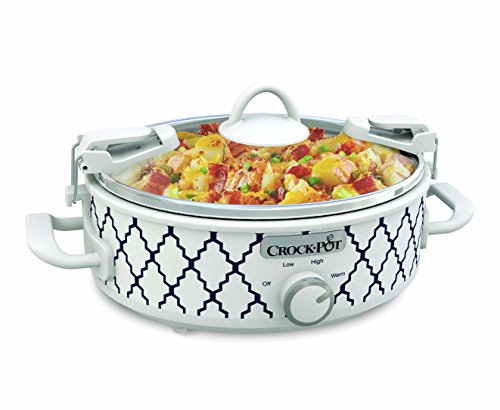
The best casserole slow cooker guide: size, lid and timer features, and which shape fits your counter.
Sunday lunch is in two hours, the lasagna layers are ready, and your round cooker is too deep and too narrow for the dish. That mismatch is why the wide, shallow format exists. Choosing the best casserole slow cooker for your home comes down to counter space, how many people you feed, and how you cook on weekdays. This guide walks through sizes, types, features, and budgets, and the product table shows current options.


Quick Answer: Three Types That Cover Most Homes
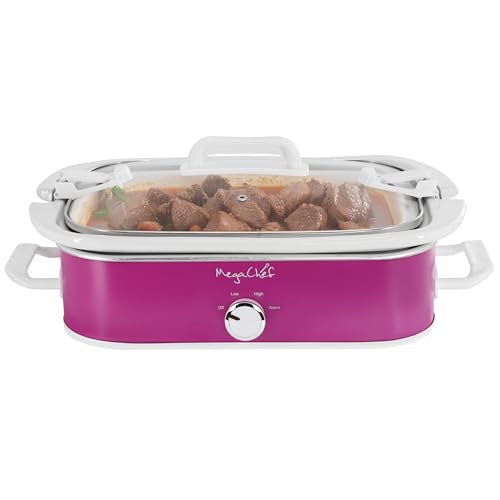
Most shoppers land on one of three types. A standard rectangular cooker of about 3.5 quarts suits layered dishes for three to five people and stores easily. A compact model near 2.5 quarts serves one or two people and fits small counters. A larger programmable model adds a timer and an automatic warm setting for days when your return home is hard to predict.
Before You Buy: A Quick Checklist for Choosing
Size: Match It to Your Space and Your Servings
Capacity in this format is measured by volume, but the shallow depth changes what the number means. A 2.5 quart cooker holds a modest layered dish for one or two people, while a 3.5 quart cooker is the common middle ground for families of three to five. Fill any cooker at least half full and no more than about three quarters full, because a nearly empty insert heats too fast and an overfilled one can bubble over and cook unevenly.
Think about the food itself, not just the head count. Lasagna and gratins spread out in a single layer, so surface area matters more than depth. If you mostly cook stews and roasts, compare this shape with our overview of the best slow cooker options, where deeper oval models get more attention.
Which Type Fits Your Routine
Manual models give you low, high, and warm settings on a simple dial, and they suit cooks who stay nearby. Programmable models let you set a cooking time, after which the cooker shifts to warm on its own, which helps when work runs late. Some inserts are also cleared by their maker for oven use, so a dish can finish under a broiler for a crisp top. Check the stated oven limit before you rely on that step.
Your routine also decides whether this shape beats a deep cooker. Layered bakes, dips, and side dishes favor the shallow insert. Big roasts favor depth, and if that is your main use, see our guide to the best slow cooker for pot roast for the sizing points that matter there.
Features Worth Paying For and Ones to Skip
A clear lid is worth having, because you can check progress without lifting it and letting heat escape. A locking lid helps if you carry dishes to gatherings, since it keeps liquid in during the trip. A digital timer with an automatic warm switch suits long workdays. A built in probe is harder to justify in a shallow cooker, because most casserole dishes cook by time and layer thickness rather than by the internal temperature of one large piece of meat, so you can usually skip it.
Removable inserts matter more than extra preset programs, since low and high settings with a timer cover nearly every recipe in this format. Spend on the insert, the lid, and the controls you will touch daily, and let the decorative extras go.
Wattage, Power and Energy Use
Most casserole slow cookers draw roughly 200 to 300 watts, far less than a full size oven heating the whole cavity for one dish, so running one for hours still tends to cost less than oven cooking the same meal. Exact draw varies by model and setting, so check the rating label if energy use matters to you. The warm setting draws less still, but it is meant for holding cooked food safely, not for cooking raw food.
Safety Features and Certifications
Look for a recognized safety listing such as UL or ETL on the base, which shows the appliance was evaluated against common electrical and fire standards. Sturdy handles that stay cool enough to grip help you move a full, hot insert with control. Place the cooker on a flat, heat safe surface, keep the cord clear of the sink, and never run it empty, because dry heat can crack a stoneware insert.
Counter Space and Dimensions
The wide footprint is the trade off of this format. Check the stated length, width, and height with the lid on before you order. Measure the counter where it will sit and the cabinet height above it, because steam needs room to escape when you lift the lid. A cooker that is awkward to store tends to be used less, however well it cooks.
Realistic Budget Ranges
Simple manual models often sit under $50, and they cover basic layered dishes well if you are home to switch them off. Programmable models with locking lids and digital timers tend to fall at about $50 to $100. Above that range you are usually paying for oven safe inserts or larger capacity, so set your budget by the features above rather than by price alone.
Casserole Slow Cooker Types Compared: Which One Belongs in Your Kitchen
Comparing the three types directly helps, because the right type makes daily use easy, and it is how you find the best casserole slow cooker for your kitchen.
Standard Rectangular Cookers for Most Homes
The standard 3.5 quart rectangular cooker is the balanced choice for most kitchens. It holds a family lasagna or a batch of enchiladas in a single even layer, and its insert often doubles as a serving dish. Choose it if you cook for three to five people, have the counter length to spare, and want one cooker for weeknight sides and weekend mains.
Compact Cookers for One or Two People
A compact cooker near 2.5 quarts fits small households and studio kitchens. It stores in a small cabinet and suits dips, small gratins, and scaled down layered recipes. The limit is headroom for guests, because a dish for four will not fit in one layer. If you often cook soup in larger batches, our guide to the best slow cooker for soup explains why a deeper pot serves that job better.
Programmable Cookers for Unpredictable Days
A programmable cooker adds a countdown timer and an automatic shift to warm, and that pairing is the real upgrade for commuters and parents with shifting schedules. Set a four or six hour cook in the morning and trust the warm hold if a meeting runs long. The cooking results match a manual model at the same size, so you are paying for timing control and peace of mind.
Our Selection Process for Casserole Slow Cookers
We judge this category on capacity that matches stated servings, even cooking across a shallow layer, ease of daily use, cleaning, safety listings, and warranty terms, using maker specifications and patterns in verified buyer feedback. Because this guide focuses on fit for real homes, we weigh counter space, storage, and cost of ownership as heavily as cooking results.
Casserole Cookers Compared With Other Slow Cookers
The shallow rectangular shape cooks layered food more evenly than a deep round or oval cooker, because heat reaches the center of a thin layer sooner and the top surface is wide. Serving is easier too, since portions lift out in squares instead of being scooped from depth. The limits are real. Tall roasts and whole birds do not fit, and the wide base takes more counter length than a round model of similar volume.
Material is the other point of comparison. If ingredient safety in coatings and glazes is a priority for you, read our guide to the best non toxic slow cooker before you decide between stoneware and coated metal. And if you already own a heavy oven pot, the comparison in slow cooker vs dutch oven shows where each one wins, since a Dutch oven browns better while a slow cooker runs unattended for hours.
Common Buying Mistakes to Avoid
- Buying by volume alone: a shallow 3.5 quart cooker and a deep 3.5 quart cooker hold very different meals, so match the shape to your dishes first.
- Ignoring cabinet height: the wide lid needs vertical room for steam to escape, and a tight fit makes every use awkward.
- Paying for presets you will not use: extra dish programs do not improve a layered bake, while a timer and a good lid do.
- Forgetting replacement costs: a cracked insert or a lost lid can cost a large share of the original price, so check spare part availability first.
- Choosing a cooker that is hard to wash: a heavy insert you dread lifting when wet will sit unused, however good the first meal was.
Cost of Ownership and Care
Running costs stay low, because the wattage is modest and the main consumable is an optional liner if you use them. The bigger costs are replacement inserts and lids, so handle stoneware with care. Avoid sudden temperature swings, such as placing a hot insert on a cold wet counter, because that shock is a common cause of cracks. Let the insert cool before washing, and store the lid slightly ajar so odors do not build up inside.
For day to day cleaning, warm soapy water and a soft sponge protect both stoneware glaze and coated surfaces, and baked on edges usually loosen after a soak rather than hard scrubbing. Our walkthrough on how to clean a slow cooker covers stuck on residue in detail. Wipe the outer base with a damp cloth only, and never immerse it.
Your Questions, Answered
What makes a casserole slow cooker different from a regular slow cooker?
The difference is shape and depth rather than the heating method. A casserole model is wide and shallow, usually rectangular, so layered dishes cook in one even layer and serve in neat portions. A regular oval cooker is deeper, which suits stews and roasts. Both use low and high settings and a warm hold. If most of your slow cooking is lasagna and bakes, the shallow shape is the natural fit.
Can a casserole slow cooker insert go in the oven?
Many inserts are rated for oven use up to a stated limit, often around 400 degrees Fahrenheit, but the rating belongs to the specific insert and never to the electric base. Check the manual before you broil a topping. Let a cold insert warm at room temperature briefly before it meets oven heat, which reduces thermal stress and lowers the risk of cracking.
How long does a casserole slow cooker last?
With gentle handling, the base and controls commonly serve for many years, and the insert is usually the part that ends the cooker life if it chips or cracks. Extend that life by avoiding metal utensils inside coated inserts and lifting with both handles. If the controls stop responding, replacement is safer than repair, because the heating parts are sealed inside the base.
Is a casserole slow cooker worth it if I already own an oval one?
It can be, if layered dishes are a regular part of your cooking and you find yourself splitting them between two oven pans or accepting uneven centers. The shallow insert solves that job cleanly and doubles as a serving dish. If you cook a layered dish only a few times a year, the oval cooker plus an oven safe baking dish will cover you, and the saved storage space may matter more.
Can I cook frozen ingredients in a casserole slow cooker?
Food safety guidance advises thawing meat and poultry before slow cooking, because a slow cooker heats gradually and frozen pieces can spend too long in the temperature range where bacteria grow. A frozen layer also thaws unevenly at the edges and center. Thaw ingredients in the refrigerator overnight, and check doneness with a food thermometer in the center before serving.
Final Thoughts
Start with your space and your servings, then pick the type that matches your routine, and the rest of the decision gets simple. A standard rectangular model suits most families, a compact one serves small homes, and a programmable one protects busy schedules. Whichever type you choose, the best casserole slow cooker is the one that fits your counter, your cabinet, and the dishes you actually cook each week. Use the product table above before you order.