Best Breville Stand Mixer (2026): Bakery Chef Explained
Disclosure: We may earn a commission when you buy through links on this page, at no extra cost to you. As an Amazon Associate I earn from qualifying purchases. Learn more
Breville sells one premium stand mixer, the Bakery Chef. See whether the best breville stand mixer fits your baking and your budget.
Breville is known for ovens, espresso machines and juicers, and its stand mixer is far less common on shelves than the big names in baking. Shoppers searching for the best breville stand mixer are usually trying to learn whether the brand makes one worth buying and how it compares with the mixers they already know. This guide explains what Breville sells, what to expect from it, and how to decide if it fits your kitchen.
Breville's best known mixer is the Bakery Chef, a premium countertop model. It is a niche product, so reviews are thin and the price sits high. Understanding what it offers, and what a stand mixer should do for your baking, will help you choose with confidence.
What the Breville Bakery Chef Offers
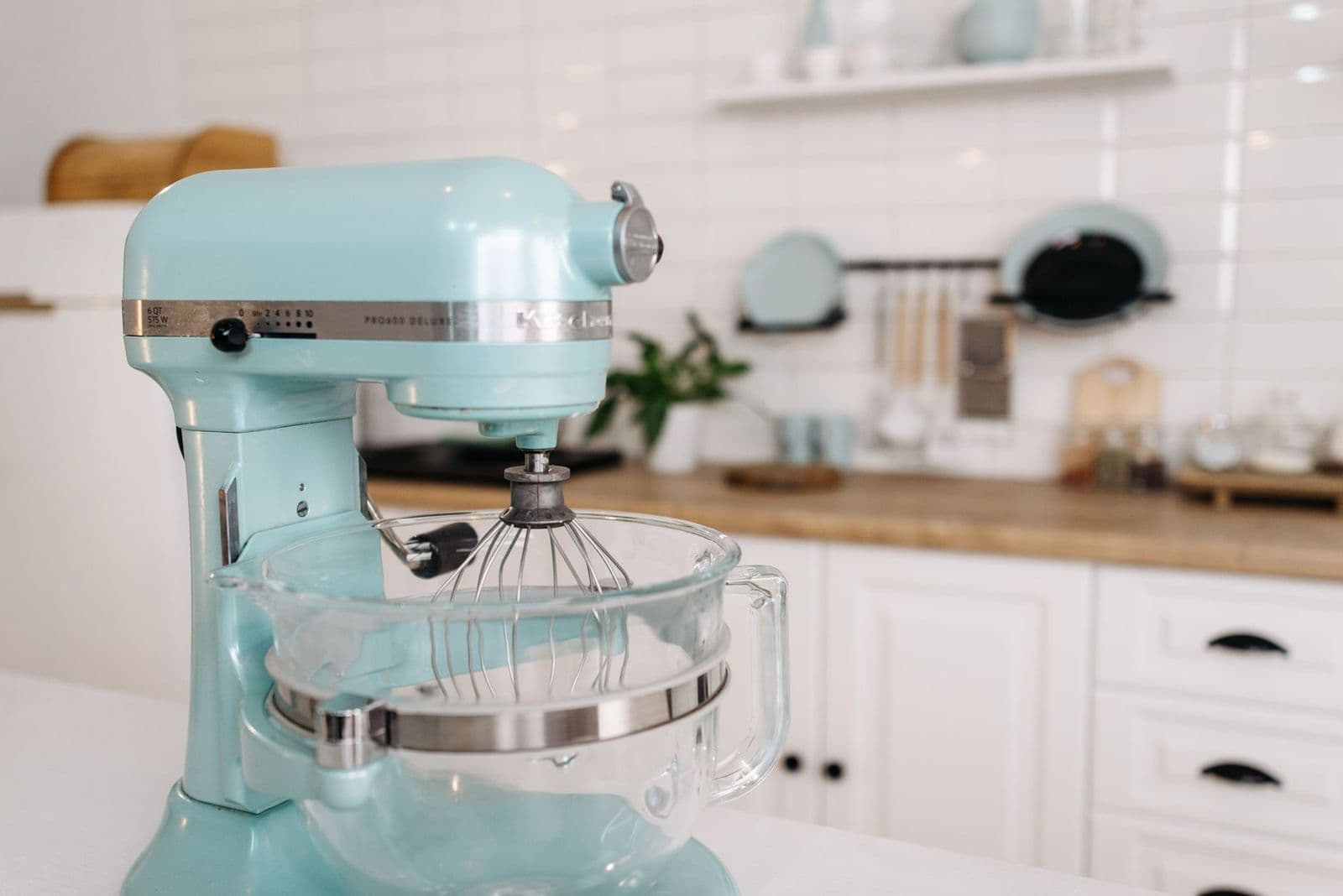
The Bakery Chef has a die cast metal mixer body and 12 speeds from kneading to whipping. It is rated at 550 watts and ships with two bowls: a 5 quart borosilicate glass bowl and a 4 quart stainless steel bowl. Included tools are a scraper beater, a standard flat beater, a dough hook, a wire whisk, a splash guard and a pouring shield, plus a spatula. It measures about 10.4 by 14.6 by 14.2 inches, so it needs real counter space or a dedicated spot. That background helps when you weigh the best breville stand mixer against better known brands.
Those are strong credentials on paper. The scraper beater helps clear the bowl wall without stopping to scrape, and having two bowls lets you mix a batter, then a frosting, without washing in between. The catch is price and track record: the Bakery Chef costs several times what a basic mixer does, and it has far fewer buyer reviews than the long established models.
How It Differs From a Hand Mixer
Breville also sells a Handy Mixer, which is a hand mixer, not a stand model. A hand mixer is light, stores in a drawer and handles cake batter and whipped cream. A stand mixer holds the bowl, frees both hands and has the power to knead bread dough. If you bake bread or large batches, a stand mixer is the right tool. If you bake occasionally, our comparison of stand mixer vs hand mixer explains where each one wins.
Choosing a Stand Mixer by Bowl Size and Head Style
Bowl capacity is the first decision. A 4 to 5 quart bowl suits most households, covering a dozen cookies, a cake or a single loaf of bread. Larger 6 to 7 quart bowls help if you bake for crowds or double recipes. Our guide on what size stand mixer do I need walks through batch sizes in more detail.
Head style matters too. Tilt head mixers are easy to reach into and suit most cakes and cookies. Bowl lift designs hold heavier dough steadier. The comparison of tilt head vs bowl lift stand mixers shows which fits your habits. If bread is your main goal, the guide to the best stand mixer for bread dough lists what to look for in motor strength and hook shape.
Is the Bakery Chef Worth Considering
It makes sense if you want a premium look, a glass bowl and a second stainless bowl in one box, and you accept paying more for a lesser known model. It makes less sense if you want a long record of owner feedback, easy access to replacement bowls and attachments, or a mixer that is simple to resell. Many bakers prefer a well documented model with a large accessory ecosystem, so they can add a pasta roller or a meat grinder later.
Check warranty terms before you decide, and keep your receipt. A premium appliance is only a good value when support is easy to reach.
Common Mistakes to Avoid
- Paying premium prices for a mixer with very few buyer reviews and no long term track record.
- Choosing a large mixer for light baking, then leaving it in a cabinet because it is heavy.
- Ignoring height: a tall mixer may not fit under upper cabinets with the head raised.
- Assuming every mixer kneads bread well, when dough needs a strong motor and a proper hook.
- Forgetting that attachments and spare bowls vary a lot between brands.
Care and Use
Wipe the body with a damp cloth, never submerge it, and wash bowls and tools by hand or as the manual allows. Start on a low speed to avoid splashing flour, and raise it gradually. Learn the basics in our guide on how to use a stand mixer, including how to set beater height so it reaches the bottom of the bowl without scraping it.
Frequently Asked Questions
Does Breville make a stand mixer?
Yes. The Bakery Chef is Breville's stand mixer, with 12 speeds, a 550 watt rating and two bowls. It is a premium, lower volume product, so you will find fewer owner reviews than for the best selling mixers.
Is a Breville mixer better than other brands?
It depends on what you value. Breville offers a die cast body, a scraper beater and two bowls, but other brands offer wider accessory choices and years of owner feedback. Compare size, power and support, not only the badge.
What size bowl do I need?
Most home bakers do well with 4 to 5 quarts. Choose 6 quarts or more if you often make double batches of bread or cookie dough for events.
Can I knead bread dough in it?
The Bakery Chef includes a dough hook and a kneading speed. For heavy, low hydration dough, check the manual's capacity limits and watch for the motor straining. Never exceed the maximum dough amount the maker lists.
How do I look after a glass mixing bowl?
Avoid sudden temperature changes, do not place a hot bowl on a cold or wet surface, and check for chips before each use. Replace any bowl that is cracked or chipped.
Final Thoughts
Breville offers one premium stand mixer, and it will suit a baker who wants a polished design, two bowls and a scraper beater. For most kitchens, the best breville stand mixer decision comes down to price, proven support and the size you actually need, so compare it with well reviewed alternatives before you buy.