Best Carb Compliant Portable Generators: Which One Fits the Way You Use It for 2026?
Disclosure: We may earn a commission when you buy through links on this page, at no extra cost to you. As an Amazon Associate I earn from qualifying purchases. Learn more

Use this guide to the best carb compliant portable generators to match size, fuel, noise, and safety features to camping, home backup, and jobsite use.
There is no single portable generator that suits every household, because a camper, a homeowner in storm country, and a contractor all ask very different things from the same kind of machine. CARB compliance adds one more filter, since it confirms the engine meets strict California emissions rules and can be sold in states that follow them. This guide sorts the best carb compliant portable generators by use case first, so you start from how you will actually run the machine and then compare features that matter for that job.
The comparison table below groups current models by size and fuel type. As you read, keep your own main use in mind, because the right answer for a quiet campsite is usually the wrong answer for a sump pump during a storm.
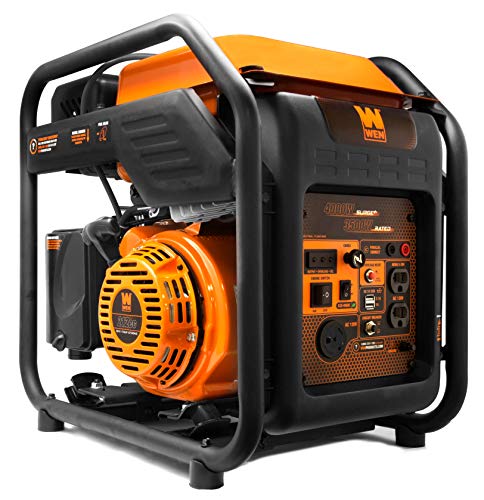


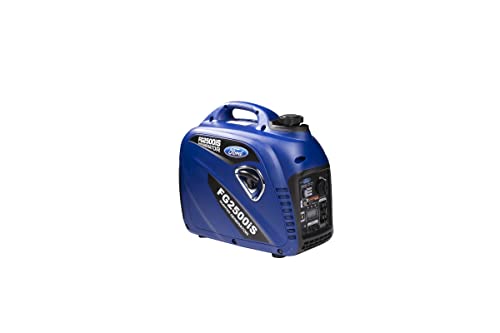


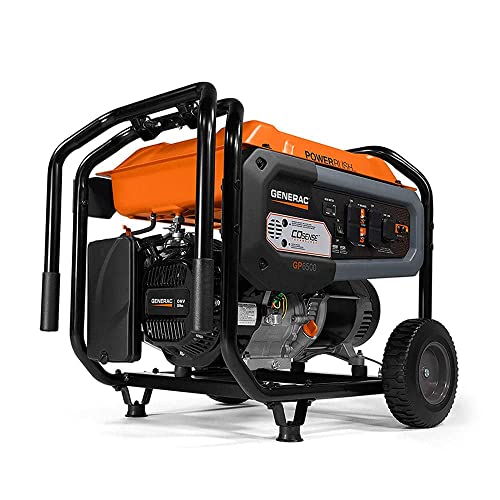


Who Should Buy Which Carb Compliant Portable Generators?
For Small Spaces and Easy Storage
If the generator will live in an apartment closet, a small garage corner, or the trunk of a car, size and weight outrank raw power. Compact inverter models around 2,000 to 2,500 watts often weigh under 50 lb and carry like a suitcase. They run lights, phones, a laptop, and a small fridge in rotation, which covers most short outages. Battery power stations suit this group too, since they store indoors safely with no fuel at all. Just be honest about capacity, because a small unit will not start a well pump or a large air conditioner no matter how good its reviews sound.
For Bad Weather and Tough Conditions
Storm backup is the hardest job a portable generator faces, since it may run for days in rain, heat, or cold. Prioritize a steel frame, covered outlets that resist splashes, a large fuel tank for long runtime, and wheels that roll over wet grass and gravel. Dual fuel capability earns its keep here, because propane cylinders store safely for years and are often easier to find after a storm than fresh gasoline. Plan a sheltered outdoor spot in advance, such as a canopy or purpose built cover that keeps rain off while letting exhaust escape freely.
For Weekend Beginners
If this is your first generator and you will use it a few weekends a year for camping or tailgating, simple controls matter more than maximum output. Look for a clear control panel, electric or easy recoil start, and a noise rating around 60 dBA or lower so the machine does not dominate the campsite. A mid priced inverter around 2,500 to 3,500 watts covers a coffee maker, lights, and device charging without stress. Our guide to the best portable generators for camping goes deeper on quiet models and campground rules if weekends outdoors are your main plan.
For Frequent or Serious Users
Contractors, frequent travelers with RVs, and homeowners with long outage seasons should buy for durability first. That means a proven engine, metal fuel components, a warranty of three years or more with local service, and parallel capability or high surge capacity for motor loads. Electric start with a remote is worth paying for when the machine starts at 2 in the morning during a storm. Expect to spend about $900 or more in this group, and treat the purchase like a tool you will own for a decade rather than a gadget.
Key Features to Compare
Portability and Safety Features
Check the dry weight, then imagine lifting the unit with a full tank, which adds about 6 lb per gallon of gasoline. Folding handles and never flat wheels turn a two person lift into an easy roll. On safety, a carbon monoxide sensor with automatic shutoff is the single most important feature, and it is now common on CARB compliant models. Covered outlets, a low oil shutoff, and a bonded neutral or floating neutral setup matched to your intended connection method round out the safety picture.
Clean Power (THD) for Electronics
Inverter models hold total harmonic distortion under 3 percent, which keeps voltage steady for laptops, phones, game consoles, and modern appliance control boards. Conventional portable models often run higher distortion, which is acceptable for drills, lights, and resistive heaters but less kind to electronics. If your outage plan includes working from home, clean power is not a luxury. It is the feature that protects the equipment you depend on for income, so weight it heavily.
Measuring for Size and Portability
Measure before you buy. Note the storage footprint in inches, the doorway or hatch the unit must pass through, and the lift height into a truck bed or onto a shelf. A generator that is 2 inches too wide for its storage spot becomes a permanent garage obstacle. Also weigh the trade off directly: every step up in wattage adds weight, noise, and fuel use. The most portable generator is the one you can move alone, in the dark, without hurting your back.
Generator Type (Portable, Inverter, Standby, Solar Power Station)
Within portable models, you still choose a family. Conventional open frame units give the most watts per dollar for jobsites. Inverter units give quiet, clean power for homes and campsites. Dual fuel inverters add fuel flexibility for long outages, an approach covered in depth in our guide to the best carb compliant generators. Power stations trade runtime for silence and indoor safety. Standby generators sit outside this category entirely, since they are fixed installations, but they are the comparison point if portable setup during every outage already sounds like a burden.
Common Mistakes to Avoid When Buying Carb Compliant Portable Generators
- Shopping by surge watts alone, then finding the running watts too low for daily loads.
- Ignoring the noise rating, then discovering the unit is too loud for your lot or campground.
- Buying far more wattage than you need and living with extra weight, cost, and fuel use.
- Skipping the carbon monoxide shutoff to save money on an older design.
- Forgetting to budget for the extras: a heavy duty extension cord, fuel stabilizer, oil, and a safe storage plan.
- Never test running the generator until the first real outage, when a dead battery or stale fuel becomes an emergency.
How to Make Your Carb Compliant Portable Generator Last Longer
Start with safe placement every single run. Never run a gas generator indoors or in a garage, and keep it at least 20 feet from doors and windows with the exhaust aimed away, because carbon monoxide can drift inside and kill without any smell or warning. For longevity, run the machine monthly for about 20 minutes under a small load, change the oil after the first few hours and then on the schedule in the manual, and clean or replace the air filter each season. Store it with stabilized fuel or a drained carburetor, keep the battery on a maintainer if it has electric start, and cover it against dust while leaving room for air flow.
Carb Compliant Portable Generators: Your Questions Answered
Do I need a transfer switch?
Only if you want to power hardwired circuits such as a furnace, well pump, or sump pump wired into your panel. A transfer switch, installed by a licensed electrician, connects the generator safely and stops dangerous backfeeding into utility lines. Many portable owners skip it and use outdoor rated extension cords for plug in appliances instead. That approach works well for a fridge, lights, and chargers, and it costs far less, but it cannot run anything that lacks a plug.
Inverter or conventional: which is better?
For most homes and campsites, the inverter is better because it is quieter, cleaner for electronics, and thriftier with fuel at partial load. Conventional models still win on price per watt and simple ruggedness for daytime tool use. The comparison in our guide to the best rated portable inverter generators shows how wide the noise and efficiency gap can be. Choose by your noisiest, most sensitive load rather than by price alone.
How long can a carb compliant portable generator run continuously?
Expect about 8 to 12 hours per tank at half load for most models, longer for efficient inverters at quarter load. The machine can keep going for days with fuel stops, but plan breaks to check the oil, let the engine cool before refueling, and inspect cords and outlets. Small engines consume oil under sustained load, and running one dry of oil destroys it quickly. Treat a long outage like shifts, not a single marathon.
Can a generator run a refrigerator?
Yes. A typical fridge draws about 100 to 200 running watts and surges near 800 watts when the compressor starts, so even a compact 2,000 watt inverter handles it with capacity left for lights and chargers. Plug the fridge in after the generator warms up and stabilizes, keep the door closed as much as possible, and avoid starting other motor loads at the same moment. Food safety matters too, so keep a fridge thermometer handy during long outages.
What size generator do I need to power a house?
For essentials only, about 5,000 to 7,500 running watts covers a fridge, furnace fan, sump pump, lights, and electronics for most homes. Whole house comfort with central air or electric cooking can require 10,000 watts or more, at which point a standby system starts to make sense. Our overview of the best rated portable generators can help you sanity check your load list against common model sizes before you buy.
Final Thoughts
Start with your use case, then let three filters decide: enough running watts with surge headroom, clean and quiet power suited to your setting, and safety features you would trust at 2 in the morning. A generator chosen that way fits your life instead of fighting it. Look back at the product table above with your main use in mind, and you will spot the best carb compliant portable generators for your home, campsite, or jobsite with confidence.