Best Carb Compliant Generators: What Actually Matters Before You Buy for 2026
Disclosure: We may earn a commission when you buy through links on this page, at no extra cost to you. As an Amazon Associate I earn from qualifying purchases. Learn more

Compare the best carb compliant generators with a clear checklist covering wattage, clean power, safety features, fuel choice, noise, and lasting value.
CARB compliance means a generator meets the stricter emissions rules set in California, and models sold as compliant can be shipped and used in states that follow those rules. But a compliance label alone tells you nothing about whether a unit will start your furnace, run quietly, or keep your phone safe. This checklist walks through the best carb compliant generators by the criteria that actually decide ownership satisfaction, so you can judge any model in the comparison table below against the same clear standard.
Work through each criterion in order. Wattage and safety come first, because a generator that cannot run your loads or lacks a carbon monoxide shutoff is the wrong purchase at any price.






A Buyer Checklist for Carb Compliant Generators
Generator Type (Portable, Inverter, Standby, Solar Power Station)
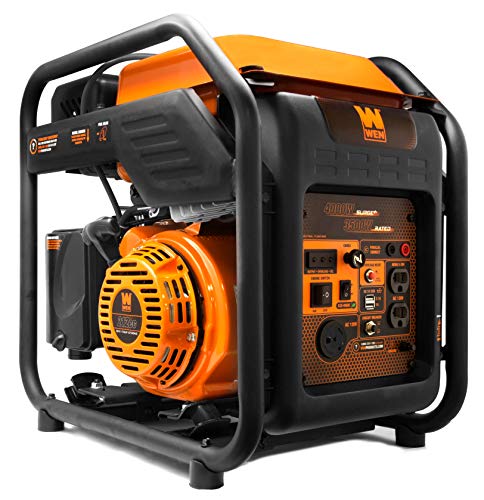
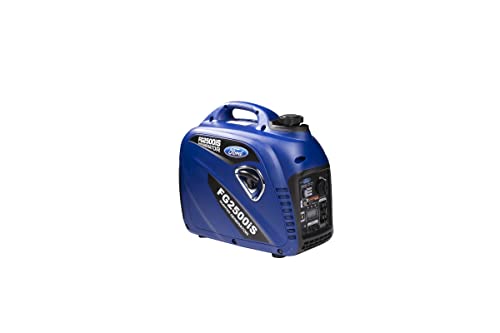
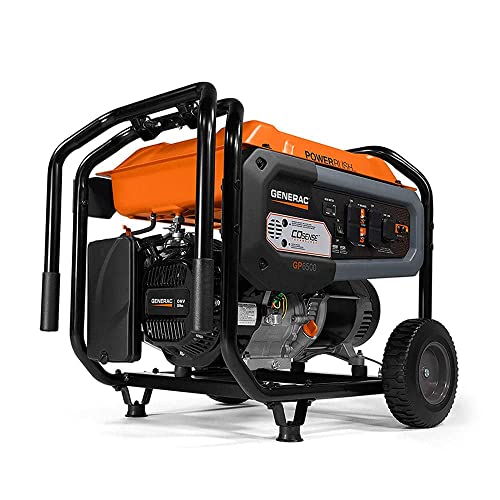
Portable conventional generators deliver the most watts per dollar and suit tools and basic home backup. Inverter models produce cleaner power and run quieter, which suits electronics, camping, and neighborhoods. Standby units install permanently, start on their own during an outage, and cost the most by far. Solar power stations store energy in a battery and emit nothing at the point of use, but they cannot refuel quickly and cost more per watt. Match the type to your main job before comparing anything else.
Clean Power (THD) for Electronics
Total harmonic distortion, or THD, measures how clean the electricity is. Inverter generators typically hold THD under 3 percent, close to utility power, which is what laptops, phones, modern TVs, and furnace control boards expect. Conventional generators often run at 5 percent THD or higher, fine for lights and power tools but riskier for sensitive electronics. If you plan to plug in anything with a circuit board, treat low THD as a requirement, not a bonus feature.
Battery Capacity and Solar Input (for Power Stations)
For power stations, capacity in watt hours decides what you can run and for how long. A station around 500 to 1,000 watt hours handles lights, phones, and a laptop through an evening, while running a fridge takes 1,500 watt hours or more for real comfort. Lithium iron phosphate batteries, called LiFePO4, last far more charge cycles than older lithium types. Check the solar input rating too, because a higher watt input means panels refill the station in hours rather than days.
Portability and Safety Features
Weight decides whether one person can move the unit safely. Models under about 60 lb suit most adults, while anything over 100 lb needs wheels and a sturdy handle. Electric start removes the frustration of pull cords in the dark. The safety feature that matters most is a carbon monoxide sensor with automatic shutoff, which stops the engine if dangerous gas builds up nearby. Also look for covered outlets, a low oil shutoff, and a spark arrestor if you will use the generator near dry grass or forest land.
Wattage: Running vs Starting Watts
Running watts are what a generator supplies continuously, and starting watts are the brief surge it can deliver when a motor kicks on. Add up the running watts of everything you want at once, then add the largest single starting surge. A fridge might run at about 150 watts but surge past 800 watts at startup, a sump pump can need about 1,300 running watts, and a window air conditioner can draw about 1,200 watts with a much higher surge. Buy roughly 20 percent above your total so the engine is not straining at full load all day.
Runtime and Fuel Efficiency
Runtime figures are usually quoted at 25 or 50 percent load, so compare models at the same load level. A good inverter generator runs about 8 to 12 hours on a tank at quarter load, sipping fuel while it powers light loads. Dual fuel models add flexibility, since propane stores for years without going stale and burns cleaner, though it delivers slightly fewer watts than gasoline. An economy mode that lowers engine speed at light loads saves fuel and cuts noise at the same time.
Noise Level (dBA)
Manufacturers usually measure noise at about 23 feet under quarter load. Quiet inverter models land around 52 to 62 dBA, roughly the level of normal conversation, while open frame conventional units often reach 68 to 78 dBA, closer to a vacuum cleaner running nonstop. Many campgrounds set limits near 60 dBA, and close neighbors will hear anything above the mid 60s through walls at night. If the generator will run near bedrooms, yours or someone else, put noise near the top of your checklist.
What Each Price Tier Generally Delivers
Entry Tier: Around $300 to $600
This tier covers small inverter units around 2,000 to 2,500 watts and basic power stations. Expect clean power, a carbon monoxide shutoff on better models, and enough output for lights, phones, a TV, and a fridge in rotation. What you give up is surge capacity and long runtime under heavy load. This tier fits apartment dwellers with limited storage, tent campers, and anyone whose outage plan is about comfort basics rather than whole house coverage.
Mid Tier: Around $600 to $1,200
The mid tier is the sweet spot for most homeowners. Dual fuel inverter models around 4,000 to 5,000 watts appear here, often with electric start, longer runtime, and parallel capability that lets you link two units later. These generators can run a fridge, a sump pump, lights, and a furnace fan together, which covers the core of a home backup plan like the ones described in our guide to the best household generators. Build quality and warranty length also improve noticeably at this level.
Premium Tier: Around $1,200 and Up
Premium models push past 7,000 watts, add remote start, larger fuel tanks, and stronger frames with never flat wheels. At this level you are paying for convenience and durability over many outage seasons rather than a different kind of electricity. Large dual fuel inverters in this tier can carry most of a home when paired with a transfer switch, while big LiFePO4 power stations offer silent indoor use. Buy here if outages are long, loads are heavy, or the generator protects medical equipment and a home business.
Quick Buyer Checklist
- Does the wattage cover your running total plus the biggest motor surge, with room to spare?
- Is the THD low enough for the electronics you plan to plug in?
- Does it have a carbon monoxide sensor with automatic shutoff?
- Can you lift it, wheel it, and store it where it will live?
- Does the fuel choice match what you can store safely at home?
- Is the noise rating acceptable for your lot size and neighbors?
- Does the warranty run at least two to three years with service near you?
- Will it connect the way you plan, by extension cords or a transfer switch?
Red Flags to Watch For
Walk away from listings that hide the running watts and advertise only a big surge number, because that inflates what the machine can actually do. Be wary of any model with no stated THD, no carbon monoxide shutoff, and no clear emissions certification, since a CARB claim should be easy for a seller to document. Extremely short warranties under one year signal low confidence from the maker. A sudden flood of glowing reviews with similar wording, posted within days of each other, is another warning sign. Finally, check parts availability, because a generator you cannot buy an air filter or recoil starter for becomes scrap after one small failure.
How to Make Your Carb Compliant Generator Last Longer
Safety comes before longevity here. Never run a gas generator indoors or in a garage, even with the door open, because carbon monoxide is colorless and odorless and can kill within minutes. Keep the unit at least 20 feet from doors and windows, with the exhaust pointing away from the house, and let it cool before refueling. For care, run it monthly under a small load for about 20 minutes to keep the carburetor clear and the battery charged, change the oil on schedule, and store gasoline with stabilizer or drain the tank for long storage. If you want a unit that starts itself during an outage instead, our guide to the best backup generators explains how standby systems differ.
FAQs
What size generator do I need to power a house?
Most homes run their essentials on about 5,000 to 7,500 running watts. That covers a fridge, furnace fan, sump pump, lights, and device charging when you manage loads sensibly. Running central air conditioning or an electric water heater pushes the need toward 10,000 watts or more. List your must run items first, add their running watts and the largest motor surge, then size up by about 20 percent rather than buying the biggest unit you can afford.
Do I need a transfer switch?
You need one if you want the generator to power hardwired circuits like a furnace or well pump. A transfer switch connects the generator to your panel safely and prevents backfeeding, which can injure utility workers and damage your home wiring. It must be installed by a licensed electrician in most areas. If you only plan to run a few appliances on outdoor rated extension cords, you can skip the switch, but never plug a generator into a wall outlet.
How long can a carb compliant generator run continuously?
Most portable models run about 8 to 12 hours per tank at moderate load before refueling, and many can run for days with breaks for fuel, oil checks, and cooling. Check the oil at least daily during long outages, since small engines consume oil under sustained load. Follow the duty guidance in your manual, and remember that refueling a hot engine is a fire risk, so shut down and let it cool first.
Inverter or conventional: which is better?
Better depends on the load. Inverter models give cleaner power, lower noise, and better fuel economy at partial load, which suits homes, electronics, and camping. Conventional models cost less per watt and tolerate rough jobsite use, which suits tools and short daytime work. For a detailed look at outage planning beyond this choice, see our guide to the best emergency generator options and setups. For most home buyers today, the inverter wins on daily livability.
Can a generator run a refrigerator?
Yes, easily, as long as the surge fits. A typical fridge runs on about 100 to 200 watts but can surge to 800 watts or more when the compressor starts, so even a small 2,000 watt inverter handles one with room for lights and phone chargers. Keep the fridge door closed during outages and let the generator settle before plugging it in, so the compressor is not fighting a startup surge on unstable power.
Final Thoughts
Judge every candidate by the same three tests. Does it cover your real wattage with clean enough power, does it protect your household with a carbon monoxide shutoff and safe setup, and does its noise and fuel plan fit your property? A model that passes all three will serve you for years of outages. Compare the shortlist in the product table above against this checklist, and you will find the best carb compliant generators for your home without paying for watts you will never use.