Best Carburetor Cleaner for Lawn Mowers for 2026: What Actually Matters Before You Buy
Disclosure: We may earn a commission when you buy through links on this page, at no extra cost to you. As an Amazon Associate I earn from qualifying purchases. Learn more

Compare carburetor cleaner types for lawn mowers by solvent strength, spray or fuel additive format, safe use on small engines, and cost per treatment.
A mower that surges, stalls, or refuses to start after sitting all winter usually has one cause: stale fuel has left varnish and gum inside the carburetor. Choosing the best carburetor cleaner for lawn mowers comes down to a short checklist of solvent strength, format, and safe use on small engines, and this guide walks through each point before you spend anything.
The product table lists current cleaners. The sections below explain which format fits a mower that will not start, which one suits routine upkeep, and which label claims should make you put a can back on the shelf.
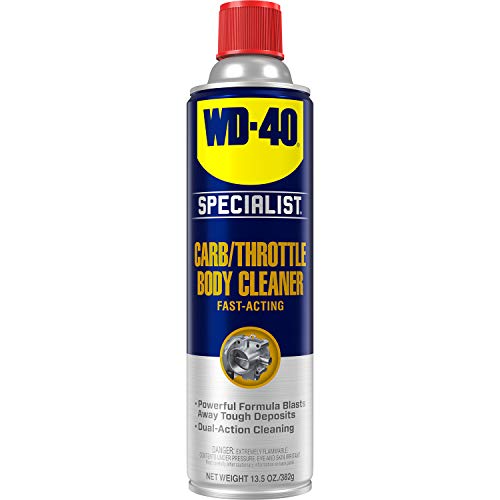
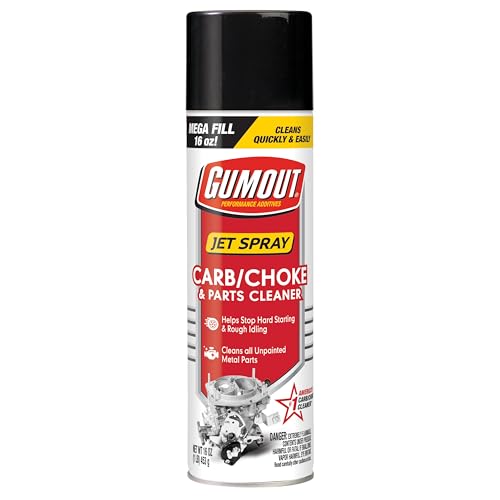
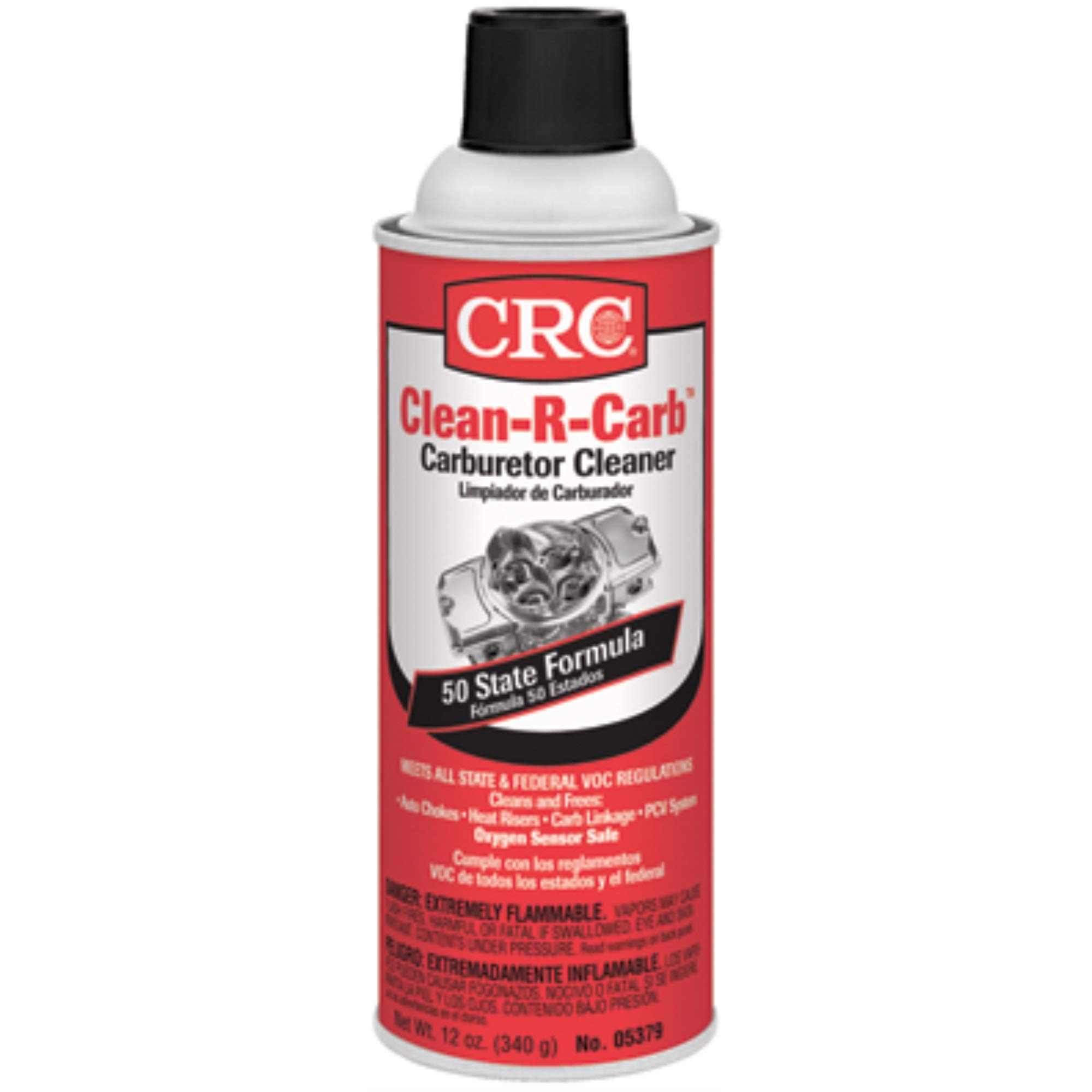
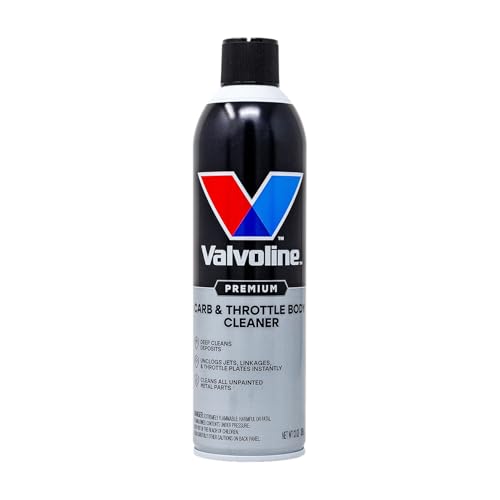


The Checklist: What to Check Before You Buy
Carburetor cleaners look similar on the shelf, but small engines have tiny fuel passages that punish the wrong choice. Run through these six criteria and you will know which cans and bottles are worth your money and which ones belong in a different aisle.
Made for Small Engines, Not Just Big Ones
A lawn mower carburetor meters fuel through jets and passages far narrower than those in a car engine, so a cleaner blended for automotive use can be stronger than the parts around it need. Look for a label that names small engines, lawn mowers, or outdoor power equipment. That wording signals solvents balanced for compact carburetors rather than a general degreaser that happens to sit nearby.
Strength Against Varnish and Gum
The deposit you are fighting is dried fuel residue, a sticky varnish that coats jets and sticks the float needle. A good cleaner lists gum and varnish removal on the label and names stale fuel or ethanol residue as its target. Cleaners that only promise general grime removal work on the outside of the carburetor but leave the internal buildup that actually causes hard starting and rough running.
Safe Around Seals, Gaskets, and Plastic
Aggressive solvents can swell rubber seals, soften gaskets, and cloud plastic parts inside and around the carburetor. Check the label for a note that the formula is safe on rubber and painted surfaces, or a warning that tells you exactly what to shield. If the label says nothing about seals, treat it as a spray for metal parts only and keep it off gaskets, fuel lines, and the air filter housing.
Format: Spray, Fuel Additive, or Soak
Aerosol sprays shoot cleaner through jets and linkages with the carburetor still mounted, which suits a quick rescue. Pour in fuel additives work slowly through the whole fuel system while the mower runs, which suits mild roughness and prevention, and our guide to the best fuel system cleaner for lawn mowers explains how those products differ from a focused carburetor treatment. Liquid soaks and concentrates serve a bench rebuild, where the carburetor comes off and sits in solution. Match the format to the job instead of expecting one can to do all three well.
Cost per Treatment, Not Cost per Can
A spray can at about $5 to $10 may treat one mower two or three times, while a fuel additive at about $6 to $12 can dose a full fuel can across a whole season. Divide the shelf price by the number of treatments the label allows and you get the honest figure. Concentrates at about $10 to $20 cost the most up front but drop to the lowest cost per use for owners with several machines.
Fumes, Residue, and Disposal
Strong solvents carry strong fumes, and some leave an oily film that attracts dust on linkages. Low odor formulas exist for owners who work in an attached garage, though they still need moving air. Check the label for disposal guidance as well, because leftover cleaner and fuel soaked rags count as household hazardous waste in many towns and should never go in the trash or down a drain.
Which Cleaner Fits Your Mower Problem
The right product depends on what the mower is doing today, not on which can is biggest. Find your situation below and buy for that job.
Your Mower Sat All Winter and Will Not Start
Start with an aerosol spray cleaner, because a no start engine cannot circulate a fuel additive. A few short bursts through the carburetor throat and jet openings can free a stuck float and clear the main jet enough to fire. If the mower still refuses after that, the deposits are baked on and a soak or a professional cleaning will do more than a second can of spray.
Your Mower Runs but Surges or Idles Rough
A pour in fuel additive fits this stage best, since the engine runs long enough to pull treated fuel through every passage. Dose a fresh tank, mow as usual, and let the solvents loosen light varnish over one or two tanks. This is also the cheapest route, and it avoids removing any parts while the problem is still mild and recent. If the roughness clearly extends past the carburetor into old fuel and lines, compare the options in our guide to the best fuel cleaner for lawn mowers before buying twice.
You Maintain Several Machines or Rebuild Carburetors
A liquid soak or concentrate earns its shelf space here, because a removed carburetor can sit in solution while you work on something else. The per use cost drops with every additional mower, snow blower, or trimmer you service. Keep a dedicated covered container for soaking so the solution stays clean and the fumes stay contained between jobs.
Quick Buyer Checklist
Answer these questions at the shelf or on the product page. A cleaner that earns a yes on the first five is a sound buy for most mower owners.
- Does the label name small engines or lawn mowers directly?
- Does it promise removal of gum and varnish from stale fuel?
- Is it described as safe around rubber seals and gaskets?
- Does the format match your job: spray, additive, or soak?
- Can you work out the cost per treatment from the label?
- Does the label give ventilation and disposal guidance?
- Is the can or bottle sized so it will not expire on your shelf?
Red Flags to Watch For
- No deposit named: a label that never mentions varnish, gum, or stale fuel is selling a general solvent, not a carburetor treatment.
- Miracle claims: promises to fix any engine problem ignore worn parts, bad spark, and stale fuel that no cleaner can repair.
- No seal warning or seal assurance: silence about rubber and plastic parts leaves you guessing about the parts most easily damaged.
- Missing safety directions: a cleaner without ventilation, flame, or storage warnings is not labeled to the standard this kind of solvent needs.
- Oversized containers at low prices: a bargain gallon you will never finish often dries out or loses strength before the last treatment.
Safe Use and Storage
Work outdoors or in a garage with the door open and air moving, and keep the cleaner away from pilot lights, heaters, and any open flame, because both the spray and its fumes can ignite. Shut the mower off, let the engine cool fully, and disconnect the spark plug lead before spraying anywhere near the carburetor. Store cans upright, capped, and locked away from children and pets.
Never mix a carburetor cleaner with bleach, ammonia, or any other shop chemical, and never pour it into an unlabeled bottle. Wear gloves and eye protection, wash your hands after the job, and keep fuel soaked rags in a sealed metal container until disposal day. If a carburetor is corroded, a jet is physically blocked, or you are unsure at any step, a qualified small engine technician is the safer and often cheaper finish.
Frequently Asked Questions
What features matter most in a carburetor cleaner for a lawn mower?
Small engine compatibility matters most, followed by proven action against varnish and gum from stale fuel. After that, check that the formula is safe around rubber seals and gaskets, and that the format matches the job. One point worth adding: a cleaner with a straw applicator reaches jet openings far better than a wide spray pattern, and that small detail often decides whether a mounted cleaning works.
Are gentler, low toxicity cleaners strong enough for mower carburetors?
Gentler formulas are strong enough for light, recent deposits and for routine upkeep between seasons. They work more slowly than aggressive solvents, so a mower that sat for a year with fuel in the tank usually needs a full strength spray or a soak instead. Think of the gentler options as maintenance products. Used on schedule, they can keep a healthy carburetor from ever needing the harsh treatment.
Is carburetor cleaner safe to use around kids and pets?
No carburetor cleaner should be used where children or pets can reach it, breathe it, or walk through spills. Spray outdoors, keep kids and animals inside or well away until surfaces are dry and parts are back on the mower, and store every can locked up high. If a child or pet swallows any cleaner, call poison control or a veterinarian at once rather than waiting for symptoms.
What should never be mixed with carburetor cleaner?
Carburetor cleaner should never be mixed with bleach, ammonia based cleaners, acids, or other solvents, because the reactions can release toxic fumes and damage parts. It also should never be poured into a fuel tank at strengths above the label dose, even if the engine runs rough. One more mixing trap: do not combine two brands of fuel additive in the same tank, since their solvents can work against each other.
How often should I use carburetor cleaner on a lawn mower?
Most mowers need a treatment once a season, ideally when the mower first wakes up in spring or just before winter storage. A fuel additive dosed into the last tank of the year protects passages while the mower sits. Spray cleaning is an as needed rescue, not a routine, so if you reach for the can every month, the real problem is likely old fuel or a worn part instead.
Final Thoughts
Match the format to the fault, confirm the label names small engines and varnish removal, and respect the safety basics every time. The product table pulls the main options together so you can compare cost per treatment at a glance. For most owners, the best carburetor cleaner for lawn mowers is simply the one whose label answers the checklist without guesswork.