Best Artificial Plants for Window Boxes in 2026: Which Type Is Right for You?
Disclosure: We may earn a commission when you buy through links on this page, at no extra cost to you. As an Amazon Associate I earn from qualifying purchases. Learn more

Compare the best artificial plants for window boxes by material, UV protection, fullness, and cost, with a checklist for lasting curb appeal.
Walk past ten houses with window boxes and you can spot the artificial ones in seconds, but not because they are artificial. Some look full, green, and settled into the box, while others look thin, shiny, and faded by one summer of sun. The difference is rarely luck. It comes down to the type of plant you choose, the material it is made from, and how well its size matches the box.
This guide compares the main types side by side so you can choose the best artificial plants for window boxes for your light, your climate, and your budget. Use the product table below to see how the types differ at a glance, then read on for the details that photos never show.


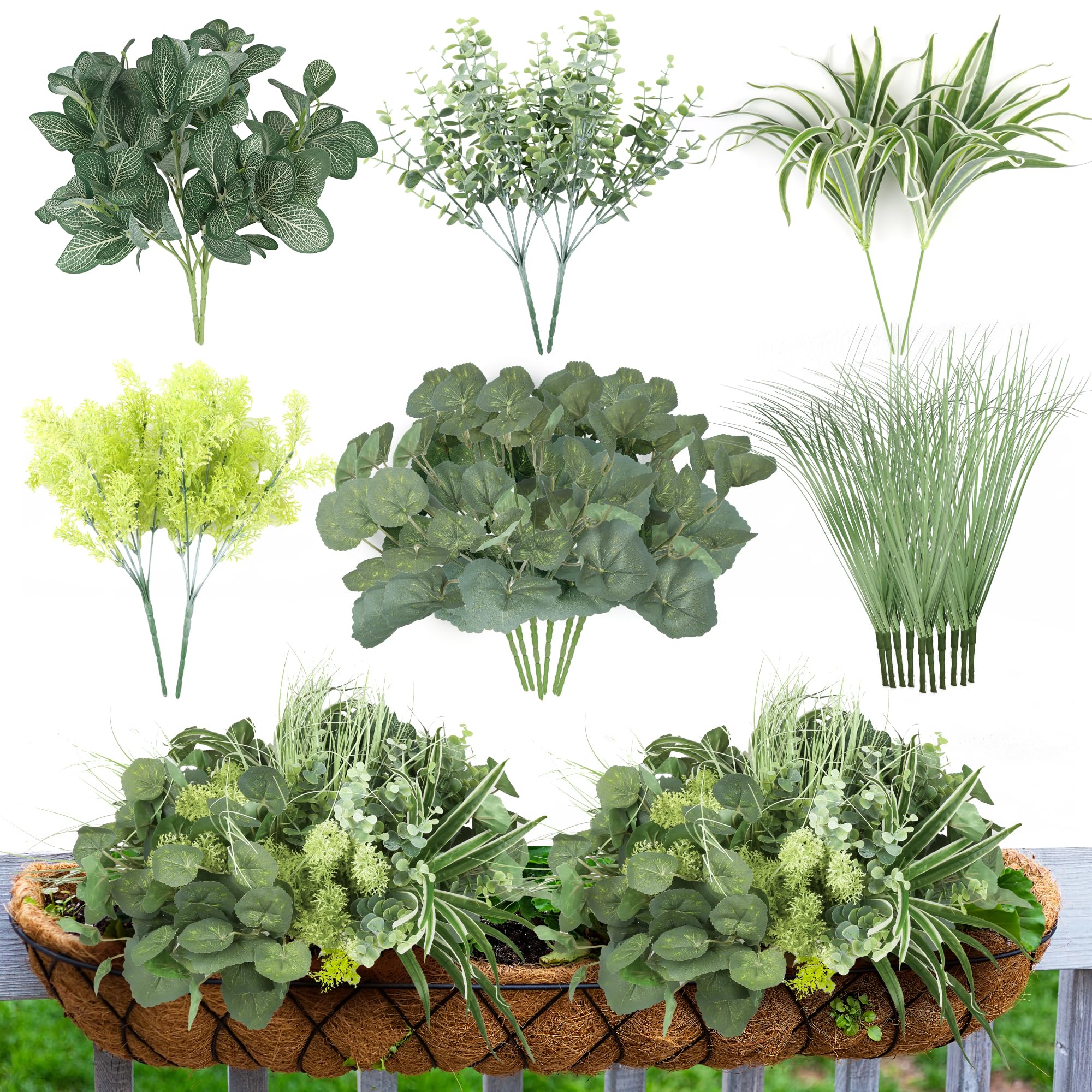
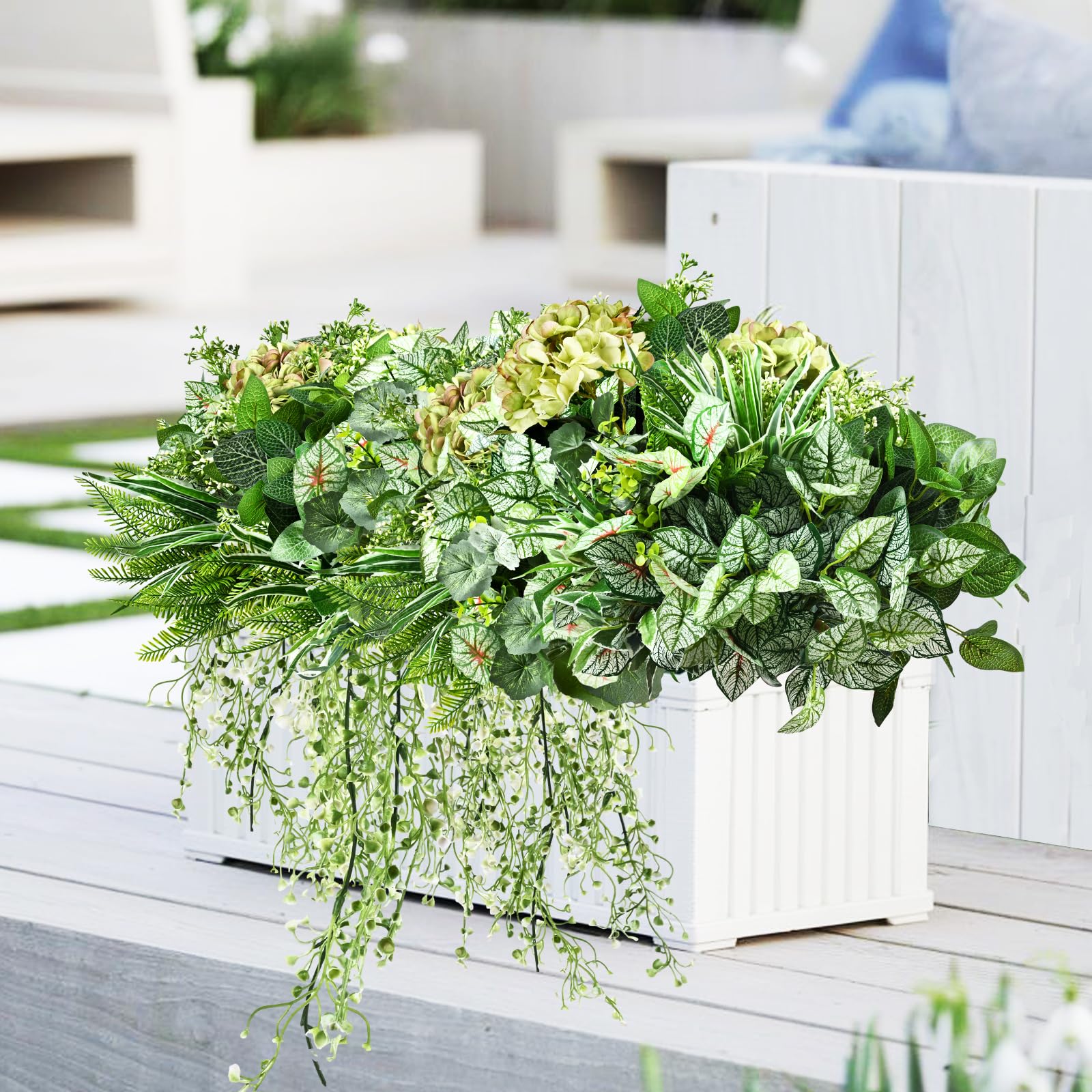

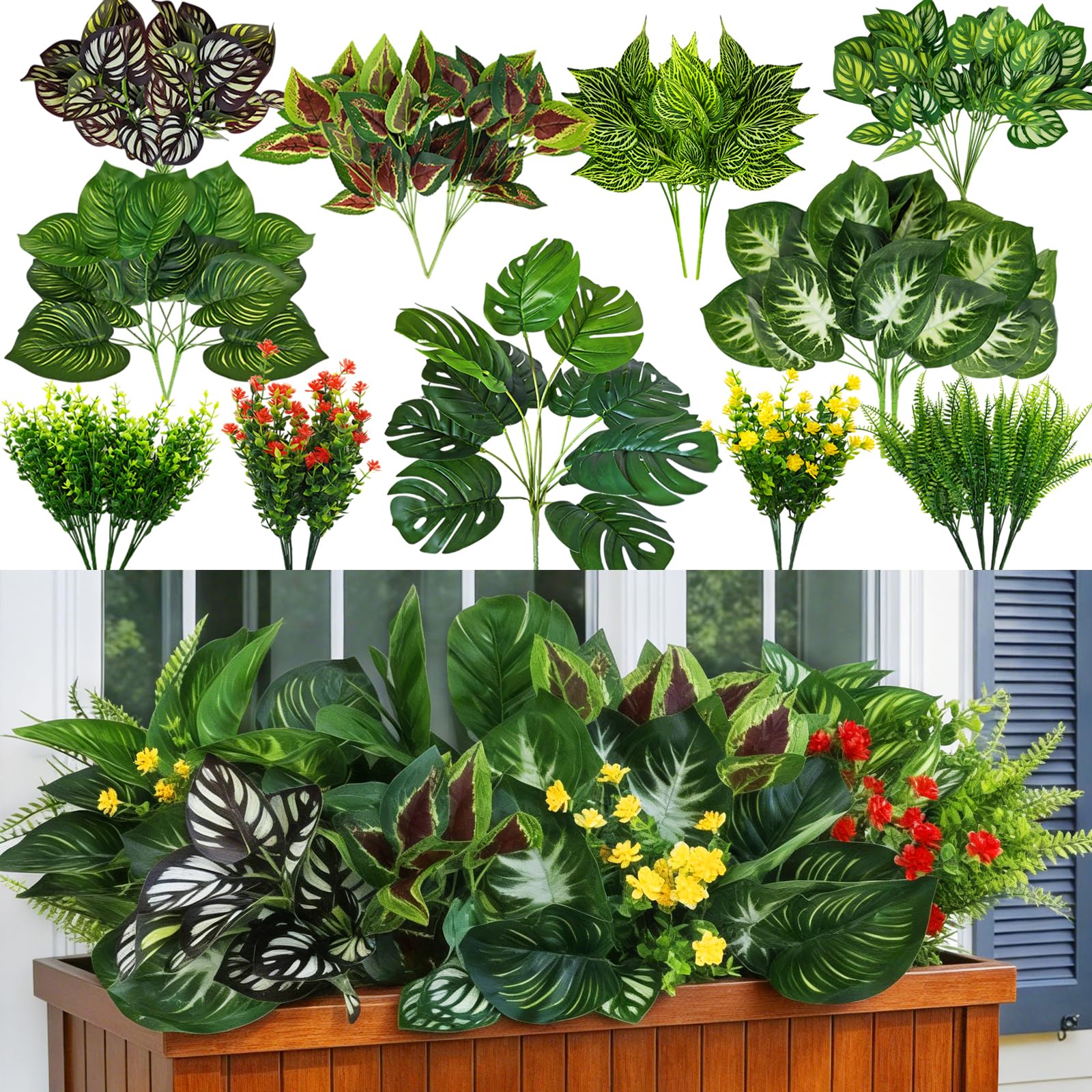


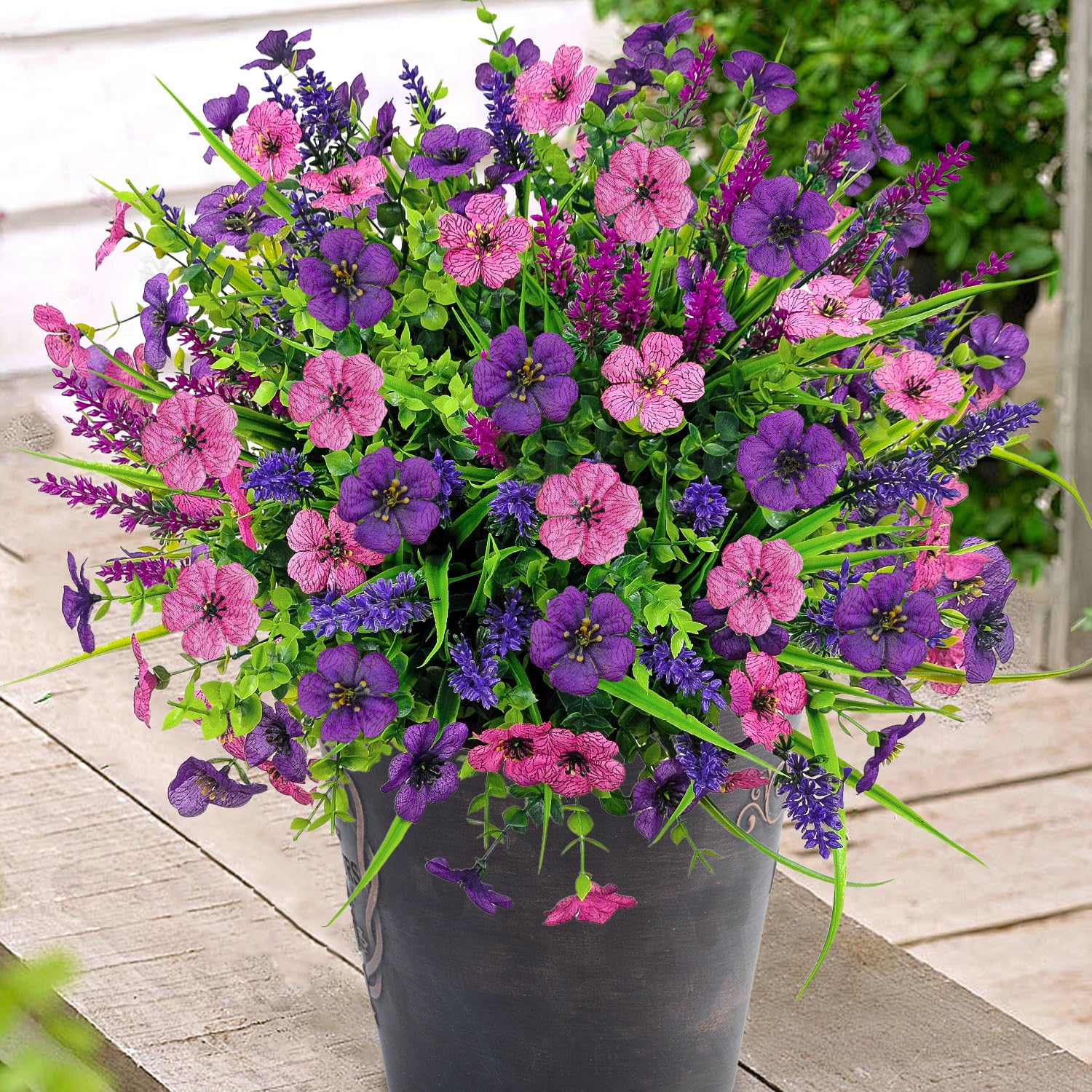
Types of Artificial Plants Compared
Artificial plants for window boxes fall into three broad types. Premium and heavy duty options use thicker foliage, more realistic color variation, and stronger UV protection. Standard options cover most everyday needs at a moderate cost. Lightweight and expandable options, such as garlands and trailing stems sold in bundles, fill space cheaply and flex to fit odd box shapes. Price alone does not tell you which type you need, because a shaded porch and a south facing wall punish foliage in completely different ways.
Premium and Heavy Duty Options
Premium options are usually made from denser plastic blends with molded leaf detail, subtle color variation between leaves, and UV stabilizers mixed through the material rather than sprayed on the surface. Stems are thicker, wired so you can bend them into natural curves, and the foliage count per stem is high enough that you see leaves, not gaps, from the street. Expect to pay around $25 to $45 for enough premium stems to fill a standard 24 inch box well.
Choose this type for boxes in full sun, for front facing windows that set the tone of the whole house, and for anyone who wants to install once and forget the box for several seasons. The trade off is cost and a slightly heavier box once everything is anchored. On a shaded or sheltered wall, much of that extra durability goes unused, so premium is not automatically the smart buy everywhere.
Standard Options
Standard options use thinner leaves, simpler color, and basic UV treatment, and they look convincingly green at normal viewing distance, especially once several stems are grouped together. Most come as individual stems, small bushes, or short trailing pieces that you combine to build fullness. Filling a 24 inch box typically costs around $12 to $25, and replacement stems are easy to find in matching styles.
This is the right type for most homes, for second floor windows seen from far below, and for renters who may change the look each year. The limits show up in harsh sun, where cheaper foliage can fade to a blue or gray tint within a season or two, and in close up views, where flat leaf shapes read as artificial. If your box sits beside a front door where guests stand a few feet away, look closely at leaf detail before committing.
Lightweight and Expandable Options
Lightweight options include garlands, vine strands, and foam or fabric flowers sold in multi packs. They weigh almost nothing, drape naturally over the edge of a box, and can be cut or extended to suit long or curved boxes that standard stems fit poorly. A full box can cost under $12, which makes this type popular for seasonal displays and for large numbers of boxes on fences or railings.
The weakness is longevity. Thin materials fade and fray fastest, fabric petals hold rainwater and mildew in damp climates, and very light pieces lift in wind unless you anchor them well. Treat this type as a flexible filler and a short season accent rather than the backbone of a permanent display. Paired under sturdier stems, though, trailing garlands add the soft edge that makes a box look planted rather than arranged.
Premium and Heavy Duty Options vs Standard Options: Which Should You Choose?
Start with sun exposure. A box in six or more hours of direct sun needs the stronger UV protection of premium foliage, while a shaded or north facing box lets standard options last nearly as long. Next, consider viewing distance. From the street, standard foliage looks fine. From a patio chair two feet away, premium leaf detail earns its price.
Then weigh lifespan against flexibility. Premium types can serve three to five seasons outdoors, standard types one to three, so the cost per season often ends up closer than the shelf prices suggest. Finally, think about how often you enjoy changing the display. If you restyle for spring, summer, and fall, standard and lightweight pieces let you rotate colors cheaply, and if you are comparing the box itself, our guide to the best artificial window boxes explains which box materials pair well with each foliage type.
How to Choose the Right Artificial Plant
Features That Matter for Window Boxes
Window boxes punish weak foliage in specific ways, so shop for specific features. Look for UV protection stated clearly for outdoor use, not just a generic outdoor label. Check stem construction: wired stems hold the arched, settled shape a box needs, while stiff straight stems poke up unnaturally. Count foliage density by looking at a stem from the side, because boxes are viewed from below and the side, rarely from above. Flower heads should be attached firmly enough to survive wind shaking, and any foam filler or moss topping should be sold or sized for outdoor drainage so rain passes through instead of pooling.
Durability and Weather Resistance
Sun does more damage than rain. UV light breaks down cheap plastic until it turns brittle, so in hot sunny regions the UV rating matters more than any other spec. Rain itself is harmless to plastic foliage, but it reveals poor anchoring, so push stems deep into foam, gravel, or soil substitute and add a top layer that locks them in place. In freezing climates, bring fabric flowers and thin lightweight pieces indoors for winter, since ice makes them crack and fray. Premium plastic stems usually overwinter in place without harm, which is one more reason they suit permanent displays.
Match the Product to Your Garden Size and Layout
Measure the inside of the box before you buy anything. A common mistake is filling a 36 inch box with stems sized for a 24 inch one, leaving the ends bare. As a rough guide, plan on five to seven medium stems for every 12 inches of box length, plus one trailing piece at each end. Match plant scale to the house as well. Small leaved greenery suits narrow boxes on small windows, while bold leaves and larger flower heads carry better on wide boxes set on a large facade. If your windows get deep shade, the planting logic in our guide to the best shade plants for window boxes still helps you pick believable plant shapes for low light spots.
Performance Specs: Length, Coverage, and Fullness
Read specs in this order. Stem length first: most boxes look best with foliage standing about 8 to 14 inches above the box rim, with trailers falling 10 to 18 inches below it. Coverage second: sellers often describe a bundle by the area it covers when spread flat, so halve that number mentally for the fuller look a window box needs. Fullness third: pieces per pack and leaves per stem tell you the real story, and two packs of dense stems usually look better than three packs of sparse ones. Color last: choose sets that mix two or three green tones, because a single flat green is the surest sign of artificial planting at a distance.
Care and Maintenance Tips
Artificial foliage needs little care, but a small routine keeps it convincing. Once a month in dusty or pollen heavy weather, rinse stems with a gentle spray of water and let them dry in place. Twice a year, take the arrangement apart, shake out trapped leaves and grit from the box, and check that the anchoring layer still drains freely. Rotate stems front to back every few months so the same leaves do not take all the sun, and replace single faded stems rather than the whole display. Before winter, decide which pieces stay out: sturdy greenery can remain, while the seasonal logic behind the best winter plants for window boxes reminds you that delicate blooms, real or artificial, suffer most in freeze and thaw cycles.
One practical know how point saves many displays: photograph your finished box from the street before you store anything. When you rebuild next season, the photo shows you exactly where each trailer and tall stem sat, so the arrangement takes minutes instead of an afternoon of guesswork. If you love the look of real blooms for part of the year, the planting ideas in our guide to the best flowering plants for window boxes pair well with a permanent artificial greenery base.
FAQs
What features matter most in artificial plants for window boxes?
UV protection matters most, followed by foliage density and wired stems. Outdoor rated UV stabilizers keep color true through sunny seasons, dense leaves hide the box interior from street level views, and wired stems let you shape a natural arch. Also check that flower heads are firmly attached, because wind shaking at height loosens poorly fixed blooms long before the foliage itself wears out.
How many artificial stems do I need for one window box?
Plan on five to seven medium stems for every 12 inches of box length, plus trailing pieces at both ends. A 24 inch box usually needs ten to fourteen stems for a full look. Buy one extra pack beyond your estimate, since a slightly overfull box looks lush while a slightly underfilled one shows gaps and anchoring material from below.
Can artificial plants stay in window boxes all winter?
Sturdy plastic greenery can stay out all winter in most climates, but fabric flowers and thin lightweight pieces should come indoors. Freeze and thaw cycles make cheap materials brittle, and snow load bends weak stems out of shape. If you store pieces, clean and dry them first, then lay them flat in a lidded bin so foliage does not crush into permanent folds.
How do I keep artificial plants from blowing out of the box?
Anchor stems deeply and give the box weight. Push each stem well into floral foam, gravel, or a soil substitute, then cover the surface with moss or bark to lock everything down. In windy spots, choose shorter, denser arrangements and add a discreet wire tie between the main stems below the foliage line, where nobody sees it but gusts cannot work pieces loose one by one.
How long do artificial plants last outdoors?
Expect one to three seasons from standard foliage and three to five from premium UV protected types in sunny spots. Shade extends every lifespan, sometimes doubling it, because UV light does most of the damage. Fading is the usual end point rather than breakage, so plan to refresh the most sun exposed stems first while shaded pieces keep serving in less visible boxes.
The Bottom Line
Choose by sun first, viewing distance second, and budget third. Premium foliage earns its cost on sunny, prominent windows, standard stems serve most homes well, and lightweight trailers add softness anywhere. Compare your shortlist in the product table, measure your box before ordering, and the best artificial plants for window boxes for your home will be the set that still looks green, full, and settled two summers from now.