
Best Carpet Cleaner Under $150 in 2026: Types, Features and Costs
Disclosure: We may earn a commission when you buy through links on this page, at no extra cost to you. As an Amazon Associate I earn from qualifying purchases. Learn more

The best carpet cleaner under $150 depends on your messes: spot cleaner or compact upright, tank design, suction and tools, explained in plain terms.
A carpet can look clean and still hold grit, spills, and odors deep in the pile. Renting a machine for every mess gets costly, and hiring a service for one room rarely makes sense. That is why finding the best carpet cleaner under 150 dollars matters so much for many homes. At this price you cannot buy every feature, but you can buy real extraction power for your most common jobs.
Use the product table to check capacity, cleaning style, and size at a glance, then read on for the details that decide which format fits your rooms and your routine. If you want the wider market view first, see our guide to the best carpet cleaner options beyond this budget.
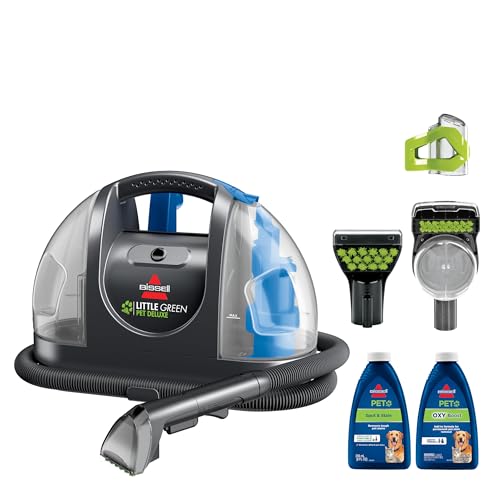


Carpet Cleaner Types at a Glance Under $150
Three formats dominate this price range, and each one solves a different problem. Choosing the right format matters more than chasing a long feature list, because a machine that suits your main job will get used often, while a poor match will sit in a closet.
Portable Spot Cleaners
Portable models are small and built for single messes rather than whole rooms. You carry one to a spill, clean a patch of carpet or a cushion, and put it away within minutes. For apartments, stairs, car interiors, and homes where spills are the main problem, this format is often the most practical use of the budget.
Compact Upright Cleaners
An upright model rolls across a room and cleans a wide path with each pass, so it covers floor area far faster than a portable unit. Compact versions suit one or two carpeted rooms, area rugs, and regular cleaning in high traffic paths. They take more storage space. If your main goal is cleaning an entire living room carpet rather than chasing spots, start here.
Lightweight Machines for Mixed Jobs
Some models sit between those two groups, with a body you push across small rooms plus a hose and hand tool for spots and upholstery. You give up some path width and some portability, but you own one machine that handles most everyday carpet work without renting.
How to Judge the Best Carpet Cleaners Under $150
Judge this price range on six criteria: tank capacity, cleaning performance, ease of use, how well the machine lifts dirty water back out of the pile, noise, and safety and warranty cover. Treat strong extraction as more important than headline motor numbers alone.
How to Choose the Right Carpet Cleaner
Type and Your Cleaning Pattern
Match the format to the pattern of mess in your home. Count how often you clean spots versus whole rooms in a normal month. If nearly every job is a spill or a pet accident, a portable unit wins on speed and storage.
If you refresh full rooms each season, an upright saves hours of work. Shoppers who lean portable should also read our guide to the best portable carpet cleaner models for a closer look at that format.
Think about heat as well. Some machines heat the cleaning water or help keep it warm, which can loosen greasy soil, while others rely on solution and agitation alone. Our explainer on carpet cleaner vs steam cleaner methods lays out where each one works best.
Features Worth Paying For
Start with the tank system. Separate clean and dirty water tanks keep you spraying fresh solution instead of pushing dirty water back into the pile, and tanks that lift out at a sink are far easier to rinse. Next, value brush agitation that matches your carpet.
A powered rotating brush lifts soil from cut pile well, while a gentler tool suits delicate rugs and upholstery. A long hose extends your reach on stairs without moving the whole machine.
Pet tools deserve a closer look if animals live in your home. A dedicated hand tool with stiff bristles and strong suction helps pull solution and loosened soil out of a small area in fewer passes. Paired with an enzyme based cleaner used as directed, it handles most fresh accidents well. For homes fighting repeat marking in the same spots, our guide to the best carpet cleaner for pet stains goes deeper on that single problem.
Power, Suction, and Energy Use
Motor ratings in amps or watts tell you how much power a machine draws, not how much dirty water it removes. Extraction depends on suction at the nozzle, a tight seal against the carpet, and brush action working together. A model that leaves carpet soaking wet has weak recovery, no matter how strong its spray feels. Look for buyer comments about drying time, because damp pile for many hours is the clearest sign of poor pickup.
Energy use is modest, since most home sessions run for well under an hour. Corded models give steady power for a full room, but cord length decides how often you change outlets. Cordless designs at this price trade run time and suction for freedom of movement, so treat them as spot tools rather than whole room machines.
Safety Features and Certifications
Water and electricity meet inside these machines, so basic safety design matters. Look for a listing mark from UL or ETL, which shows the model met an independent safety standard. Use only solutions the maker approves, since the wrong chemistry can damage seals or void the warranty.
Storage Space and Dimensions
Measure the closet or shelf where the machine will live before you order. Uprights need standing height and floor depth, while portable units fit on a shelf but have hoses that add bulk. Check the weight when tanks are full, not just the empty weight in the listing. A narrower head turns more easily in tight spaces.
How Much Should You Spend?
Spending under $100 usually buys a basic portable spot cleaner with small tanks and a short hose, enough for a small apartment but slow for whole room work. A machine priced under $150 is the value zone for most homes, where you can expect an upright or a stronger portable with better extraction and a useful hand tool. Moving to about $200 to $300 adds larger tanks and stronger suction. Pay for that step only if you clean large carpeted areas often.
What You Get (and Give Up) Under $150
At this budget you get genuine hot water extraction for spots, rugs, and moderate sized rooms, with results far beyond what a spray bottle and towels can do. The best carpet cleaner under 150 dollars for your home will also be light enough to use on impulse, which is when spot cleaning works best, and simple to rinse so upkeep rarely feels like a project.
What you give up is scale and refinement. Tanks are smaller, so big jobs mean more trips to the sink. Suction and brush power trail premium models, which means extra passes on ground in soil and longer drying on thick pile.
Cords are shorter and warranties are usually brief. Accept those limits and the value is strong. Expect a budget machine to match a professional service on a neglected carpet and you will be disappointed.
Common Mistakes to Avoid
- Using too much solution: excess cleaner left in the pile leaves a sticky residue that draws new soil, so follow the dilution guide on the bottle.
- Soaking the carpet: repeated wet passes without slow dry passes flood the backing and stretch drying time for hours.
- Skipping the vacuum first: loose grit turns to mud once wet, so a thorough dry vacuum before you start protects both results and the machine.
- Moving too fast: rushing the recovery pass leaves dirty water behind, because suction needs time over each strip to pull moisture out.
- Cleaning a stain before testing: an untested solution on a hidden patch can fade dye, so check color safety in a corner first.
- Storing the machine dirty: dirty water left in the tank breeds odor and can clog spray jets before your next job.
Care and Maintenance for a Longer Service Life
Good habits after each use protect suction and keep smells away. Empty and rinse the dirty water tank as soon as you finish, and let it air dry with the lid open. Pull hair and fibers from the brush roll and nozzle, and wipe the underside so dried soil does not block the suction path. For a full routine, including filter and hose care, follow the steps in our guide on how to clean a carpet cleaner after heavier jobs.
Check the spray pattern now and then by running the machine into a sink. Uneven spray points to a clogged jet, which a soak in warm clean water often clears. Replace worn brushes and filters when the maker advises it, because a tired brush roll skims the surface instead of working solution into the pile.
FAQs
What is the best carpet cleaner under $150 for most homes?
For most homes the answer is the format you will actually use weekly: a compact upright if you clean whole rooms, or a portable unit if spots dominate. One point buyers overlook is hose reach on stairs. A hose that covers your full flight from one landing saves carrying the machine step by step. Check that detail before deciding.
Can you get a good carpet cleaner for under $150?
Yes, as long as your expectations match the price. Machines in this range clean fresh spills and routine soil well and can revive a tired rug. What they rarely match is the deep restoration a professional service delivers on carpet that has gone years without extraction. For many owners, using a budget machine four times a year beats one deep rental clean, because soil never builds up as far.
How long does a carpet cleaner last?
A home machine used a few times a month and rinsed after every job often serves for about three to five years before brushes, seals, or the motor show real wear. Lifespan drops when dirty water sits in the tank. Registering the warranty and keeping the receipt matters at this price, since cover is often short and proof of purchase speeds any claim.
Is a carpet cleaner worth it?
It is worth it when you clean often enough that rentals or service visits would cost more within a year or two, and when quick action on spills matters to you. Fresh accidents cleaned within hours leave far less odor than messes treated days later. It is less worth it if your home has one small rug, because a rental once a year may cost less than owning and storing a machine.
How do you clean a carpet cleaner?
Start by emptying both tanks, rinsing them with warm water, and leaving them open to dry. Clear the brush roll of hair, then run clean water through the sprayer to flush solution from the lines. One extra step many owners skip is wiping the suction gate where the nozzle meets the tank. Packed lint there quietly cuts pickup long before any part fails.
What is the most reliable carpet cleaner brand?
No single brand wins on reliability at every price, and at this budget design and upkeep matter more than the badge. Simple tank layouts, widely available replacement brushes, and clear warranty terms are better signals than brand loyalty. If you are weighing the two names you will see most often in this range, our bissell vs hoover carpet cleaner comparison breaks down how their approaches differ on tanks, tools, and upkeep.
Final Thoughts
Choosing well at this price comes down to format, tank design, and honest expectations. Pick the type that matches your most common job, favor strong dirty water recovery over long feature lists, and keep the machine rinsed and dry between uses. Do that and the best carpet cleaner under 150 dollars for your home will pay for itself in saved rentals and faster spill control. Compare your shortlist against the product table above before you order.


