
Best Carpet Cleaner for Pet Stains for 2026: A Buying Guide
Disclosure: We may earn a commission when you buy through links on this page, at no extra cost to you. As an Amazon Associate I earn from qualifying purchases. Learn more

Compare the best carpet cleaner for pet stains by machine type, suction, tanks, pet tools and formulas that lift odor and soil at home.
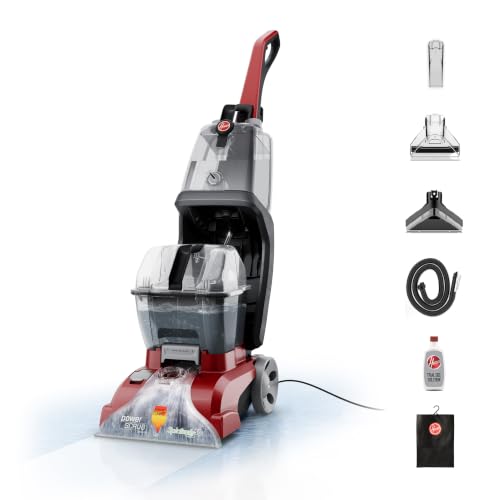
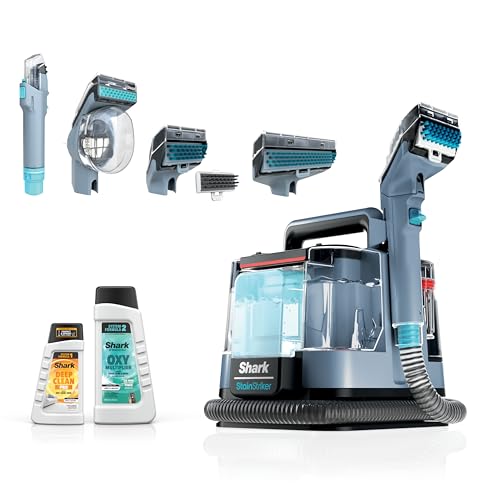
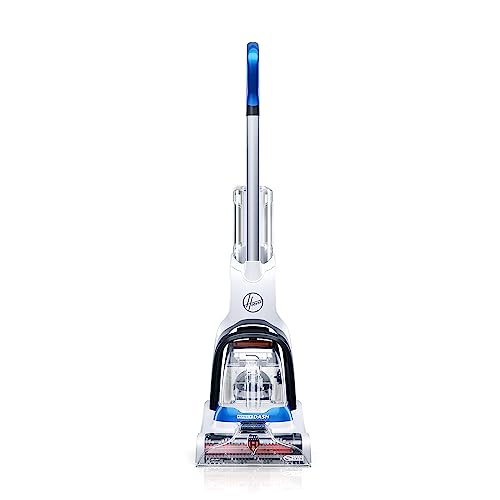
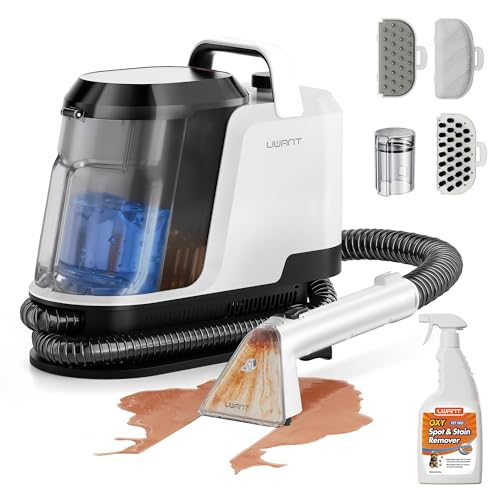
Pet accidents are rarely just a visible spot. Urine, vomit, and muddy paw prints can soak through carpet pile into the padding below, and the odor that stays behind can draw your pet back to the same place. That is why choosing the best carpet cleaner for pet stains is less about raw power claims and more about extraction, formula, and fit for the messes your home actually gets. The product table below lines up machine types and core specs side by side.
This guide walks through the three main buying profiles, the features that matter most for animal messes, and the mistakes that leave stains or smells behind. You will also find guidance on machine size, safety checks, and budget tiers.



Three Buying Profiles and What to Prioritize
Most pet households fall into one of three patterns, and each pattern points to a different machine shape. Start by recognizing your own pattern honestly, because buying for a mess you rarely face usually means a cleaner that sits unused in a closet.
Homes With Frequent Whole Room Accidents
If a young puppy, a senior dog, or a multi pet household leaves accidents across whole rooms, an upright machine suits you best. A wide cleaning path, large dual tanks, and strong suction let you treat a full room in one session without constant refilling. Weight matters less here than extraction strength, since you will roll the machine rather than carry it.
Apartments and Spot Mess Households
If accidents are small and occasional, a compact portable machine is usually the smarter buy. It stores in a closet or under a sink, fills fast, and is ready before a fresh stain sets into the fibers. A long hose and a small targeted tool help on stairs, car seats, and sofa cushions as well as carpet. Our guide to the best portable carpet cleaner explains how tank size and hose length change day to day use.
Large Dogs and Heavy Soil Homes
Bigger animals bring bigger messes, plus hair that clogs brushes and filters if a machine cannot handle it. Prioritize a cleaner with easy access to the brush roll, a lint filter you can rinse, and tanks that empty without splashing dirty water. You will also want a formula plan for enzyme treatment, since large urine spots need dwell time before extraction.
How to Judge a Carpet Cleaner for Pet Stains
Judge every machine against the same short list: extraction strength, tank design, tool set, formula support, size, and care needs. A cleaner that scores well on the first three will remove more soiled water from the padding, which is where odor starts. If you want a broader view beyond pet messes, the guide to the best carpet cleaner covers general home use in more depth.
Be cautious with headline claims. Tank capacity is often listed as a combined figure, so read the specs for dirty water recovery, cord length, and hose reach instead, because those numbers predict real results far better than marketing labels do.
Key Features to Compare
Suction and Dirty Water Extraction
Extraction is the heart of pet stain cleaning, because spraying solution is easy while pulling soiled water back out is hard. Strong suction lifts urine and dissolved soil from deep in the pile before it can migrate into the padding. Better recovery also shortens drying time, which reduces the musty smell that damp backing can develop. When two machines look similar, favor the one with clearer specs on water recovery and a nozzle that seals firmly against the carpet.
Dual Tanks and Tank Capacity
A dual tank design keeps clean solution separate from dirty water, so you never spray diluted grime back onto the carpet. Small tanks around 0.5 gallons suit spot work but force refills during whole room jobs, while upright tanks near or above 1 gallon keep a session moving. Check whether the dirty tank has a clear fill line and a wide opening for rinsing. Tanks that are awkward to empty tend to get left dirty, and that alone can make a machine smell worse than the stains it cleans.
Pet Tools, Hoses, and Brush Rolls
The right tools decide whether a machine handles the places pets actually soil. A hose with a small spray tool reaches stairs, upholstery, and the gap between a litter box and a wall, and a dedicated pet stain tool concentrates spray and suction on one small area. Brush rolls loosen dried soil, but they should lift out easily for hair removal. For whole room work, compare notes with the guide to the best upright carpet cleaner, which covers cleaning path width and brush design.
Enzyme Formulas and Odor Treatment
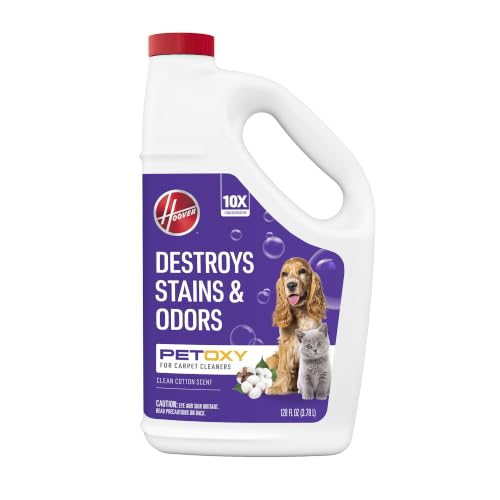
Water alone rarely solves urine odor, because dried urine leaves crystals that release smell again when they get damp. Enzyme formulas break down the organic matter in urine, vomit, and feces, which helps stop repeat marking at the same spot. Plan to pretreat heavy spots, give the formula the dwell time its label states, and then extract. Keep pets off the area until it is fully dry, and always test any formula on a hidden patch first.
Heat, Drying Time, and Ventilation
Some machines help maintain the temperature of warm tap water you add, while very few truly heat cold water, so read that claim carefully before paying extra for it. Warm solution can loosen greasy soil, but extraction and airflow do more for the final result. Expect a cleaned room to feel damp for several hours, and speed drying with a fan or open windows. Keep people and pets off the area until it feels dry to the touch.
Weight, Cord Length, and Storage
A cleaner you dread lifting will not get used for small accidents, and small accidents are the ones that become permanent stains. Portable models often weigh under 15 pounds filled, while full size uprights can pass 20 pounds but roll rather than lift. Measure your storage spot before buying, and note cord length, since a cord of 20 to 25 feet usually covers one room without a swap. Hose reach matters just as much for stairs.
Choosing the Right Machine Type
Upright machines are the workhorses for wall to wall carpet and large rugs. They clean wide paths, hold the most solution, and usually carry the strongest extraction, at the cost of storage space and slower setup for one small spot.
Portable spot cleaners trade capacity for speed and convenience. They shine on single accidents, upholstery, stairs, and car interiors. Their limit is patience: doing a whole room with a small tank and a narrow tool takes many passes and refills.
Power, Safety, and Running Costs
Most corded carpet cleaners draw roughly 6 to 12 amps, and higher draw generally supports stronger suction and brush action rather than guaranteeing a better clean. Cordless spot models trade run time for freedom from outlets, and a battery that fades mid job leaves solution sitting in the carpet. What adds up over time is formula, replacement filters, and belts, so check those prices before you commit to a machine.
Safety checks are simple but worth doing. Look for a recognized electrical certification mark such as UL or ETL on the label, use a grounded outlet, and keep the cord clear of the wet path so it never sits in dirty water. Follow the formula label for ventilation and for keeping children and pets away during cleaning, and check your carpet maker care notes before using hot water or strong solution on wool or other delicate natural fibers.
How Much Should You Spend?
Under $100, expect basic spot cleaners with small tanks and simple spray and suction tools. They handle fresh small accidents well if you use them right away. About $100 to $200 is where portable machines gain larger tanks, longer hoses, and better pet tools, and where entry uprights begin to appear.
About $200 to $300 usually buys a full size upright with stronger extraction, a wider path, and tools for stairs and upholstery included rather than sold separately. Above that range, you pay for larger capacity, quieter operation, and easier tank and brush care. Spending more does not remove the need for enzyme pretreatment, so budget for formula as part of the real cost of owning any tier.
What Matters Most for Pet Stains Specifically
The pet modifier changes the buying logic in three ways. First, odor removal matters as much as visible stain removal, because scent you cannot detect can still signal your pet to reuse a spot. Second, speed matters: a machine that is ready in minutes gets used while a stain is fresh, when results are far better. Third, hair management shapes daily use, since hair wraps brush rolls and clogs screens fast in pet homes.
Technique carries the rest. Blot a fresh accident first and never scrub, since scrubbing frays fibers and pushes soil deeper. Work from the outer edge of a stain toward the center so you do not spread it. Make slow wet passes, then extra dry passes until the nozzle pulls up little moisture. If you are new to these machines, the walkthrough on how to use a carpet cleaner covers pass speed and stroke order.
Common Mistakes to Avoid
- Using too much solution, which leaves residue that attracts new soil and makes the spot look dirty again within weeks.
- Rushing passes at walking speed, so the nozzle never has time to recover the dirty water it just sprayed.
- Skipping enzyme pretreatment on urine, then blaming the machine when the odor returns on a humid day.
- Cleaning only the visible edge of a stain, while the soaked area in the padding is often twice as wide.
- Putting the machine away wet, which grows mildew in the tanks and hoses and spreads a sour smell next time.
Care and Maintenance
Rinse both tanks after every session, leave lids open while they dry, and wipe the nozzle and brush area where hair and grit collect. Pull hair from the brush roll weekly during heavy shedding season, and rinse or replace filters on the schedule in the manual so suction stays strong. Run clean water through the hose tool briefly after treating urine, since residue left in a hose is a common hidden source of odor. The guide on how to clean a carpet cleaner covers a deeper seasonal reset.
Store the machine dry, with the cord loosely coiled. Before a big job, check the belt, brush bristles, and spray tips for clogs.
FAQ
What is the best carpet cleaner for pet stains for a home with several pets?
The best choice for a multi pet home is usually a full size upright with large dual tanks and a hose tool for spot work between deep cleans. One point many buyers miss is filter access: with heavy hair loads, a filter you can rinse in a sink in under a minute keeps suction strong far longer than a sealed design you must replace.
What should I look for in a carpet cleaner for pet stains?
Look for strong water recovery, separate clean and dirty tanks, a hose tool sized for stairs and upholstery, and support for enzyme formulas. These four points decide most real results. Also check the dirty tank emptying design, because a tank that pours from a narrow corner tends to splash and makes owners postpone cleaning it, which quietly ruins odor control over time.
How long does a carpet cleaner last?
A home carpet cleaner often lasts about five to eight years with regular rinsing, filter care, and belt checks. Life shortens fast when machines are stored wet or run with clogged screens, which strains the motor. An easy habit extends life: run a short clean water rinse after the last dirty pass, so residue never dries inside the pump and spray lines.
Is a carpet cleaner worth it for pet owners?
Yes, for most pet owners a machine pays for itself against repeat rental fees or professional visits, especially during puppy training or with a senior pet. The real value is timing, since owning the machine means treating an accident within the hour instead of days later. The same hose tool also refreshes sofa arms and pet bed covers that sprays and wipes cannot deep clean.
How do you clean a carpet cleaner after treating pet stains?
Empty and rinse both tanks, flush the hose tool with clean water, remove hair from the brush roll, and let every part air dry before storage. That routine stops most odor problems inside the machine itself. For a stubborn sour smell, soak the dirty tank with warm water and a small amount of white vinegar for about 30 minutes, then rinse and dry it fully.
What is the most reliable carpet cleaner brand for pet stains?
No single brand is most reliable for every home, because reliability depends more on care habits and on parts support than on the badge. Check that filters, belts, and brush rolls are easy to order and that the warranty covers the motor for at least one year. Brands that publish clear care schedules and part numbers tend to support their machines longer.
Final Thoughts
The right machine is the one that matches your mess pattern, extracts deeply, and gets cleaned itself after every job. Weigh extraction, tank design, and pet tools first, then let size and budget tier settle the final choice. Before you order, look back at the product table above and compare your shortlist against the best carpet cleaner for pet stains criteria in this guide.

