
Best Carpet Cleaner for Stairs in 2026: Types and Buying Guide
Disclosure: We may earn a commission when you buy through links on this page, at no extra cost to you. As an Amazon Associate I earn from qualifying purchases. Learn more
Compare the best carpet cleaner for stairs by machine type, hose reach, tool width and weight, and avoid common mistakes.
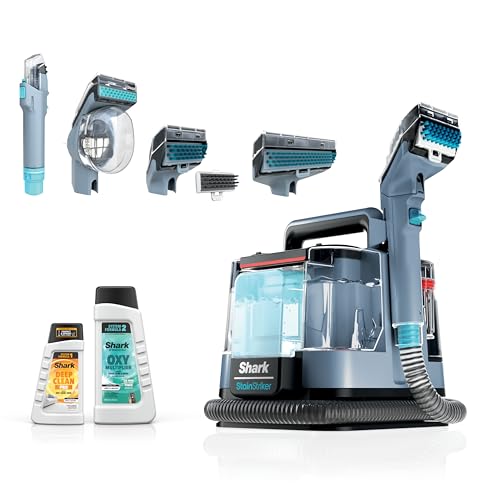
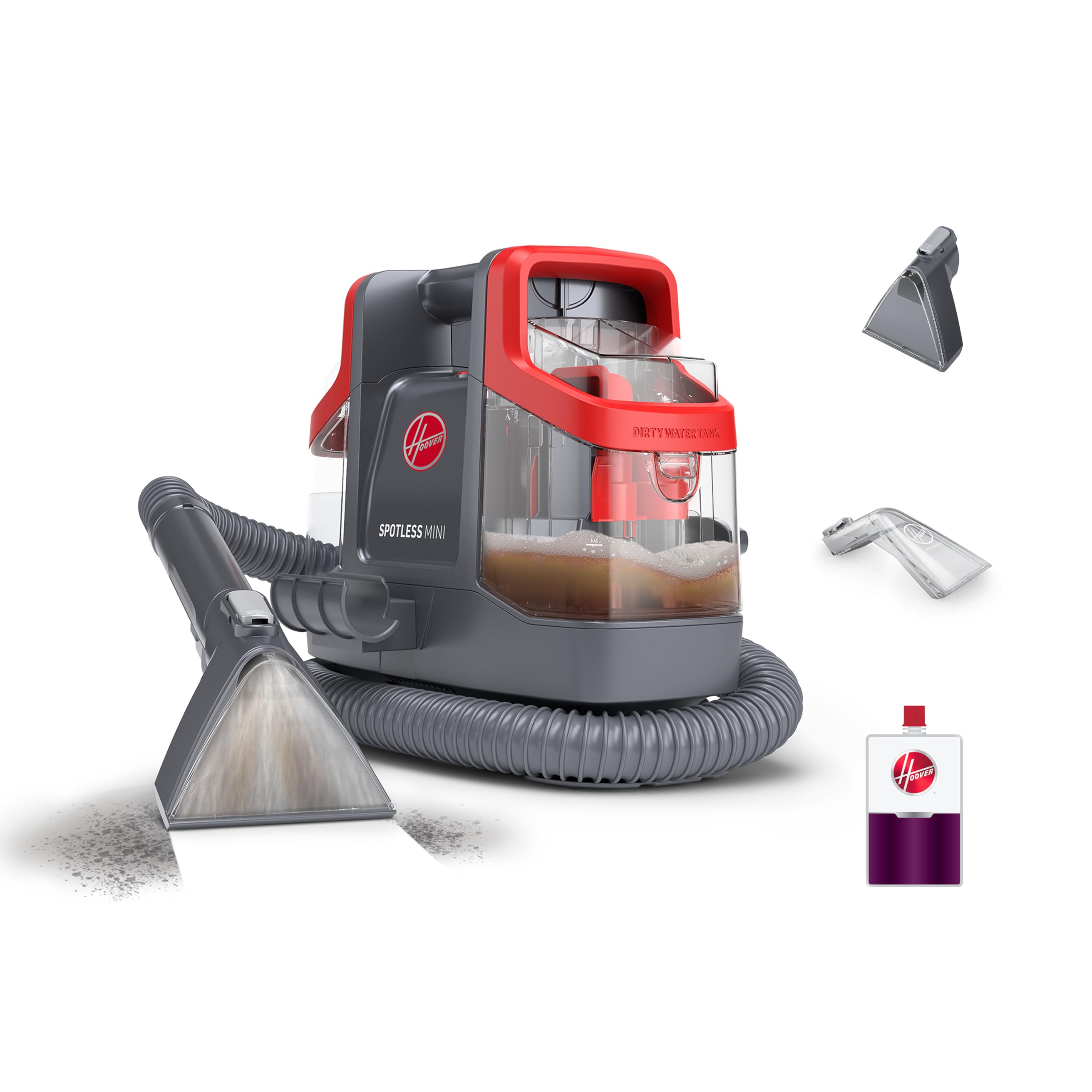
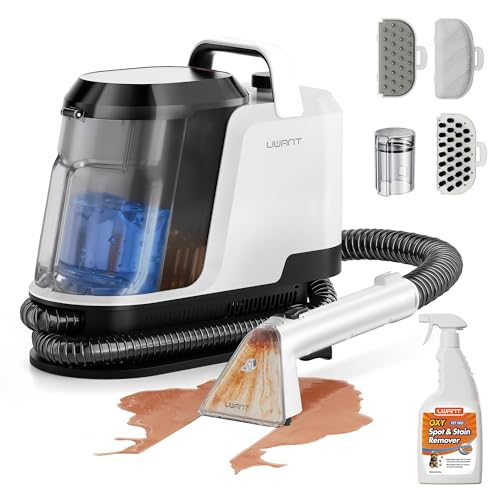
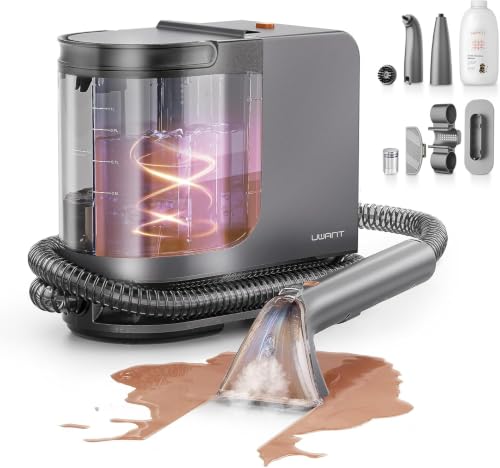
Stairs collect dirt in a way flat rooms do not. Shoes turn on the edge of each tread, pets pause on landings, and spills run toward the riser where a normal upright cannot reach. Choosing the best carpet cleaner for stairs is less about raw size and more about weight, reach, and a tool head that fits a single step. The product table below groups your options by type so you can see those tradeoffs at a glance.
A full size machine may clean a living room fast, yet feel unsafe balanced on a narrow step. A smaller extractor takes longer on open carpet, but it lets you work one step at a time while one hand stays on the rail. This guide explains which type suits your staircase and the messes you clean most.




Who Should Buy Which Carpet Cleaner for Stairs?
Your staircase shape, the traffic it carries, and storage space should decide the type you buy. Start with the group below that sounds most like your home.
Homes With Pets That Sleep and Play on the Steps
You need strong suction for hair worked into the tread edge, a narrow tool that scrubs the corner where tread meets riser, and tanks you can empty easily. A portable extractor with a pet tool usually fits best. If accidents are your main problem, our guide to the best carpet cleaner for pet stains explains solution and odor care. Choose parts you can rinse fully, since pet residue left in hoses or brushes will smell.
Renters and Owners of Small Homes With Little Storage
You likely clean one short flight a few times a year and have no closet to spare for a tall upright. A compact spot cleaner stores on a shelf, fills at a sink, and handles a coffee spill or muddy prints fast. It will feel slow if you later clean several bedrooms, so treat it as a stair and spill tool first. Light weight matters more than large tanks, because you carry the machine for every use.
Homes With Long, Busy, or Split Level Staircases
You cover many steps in one session, so hose reach and cord length decide how often you stop and hunt for a new outlet. A lightweight upright with a long hose can sit on the floor below while you clean the lower half, then move to the landing for the upper half. That plan avoids balancing a heavy body on a middle step. Look for a narrow tool head and a handle you can grip securely when you lift the unit.
Carpet Cleaner Types for Stairs Compared
No single design wins on every staircase. The three types below differ in where the machine sits while you work, how much carpet you can clean before refilling, and how much room they take in storage.
Portable Spot Cleaners and Compact Extractors
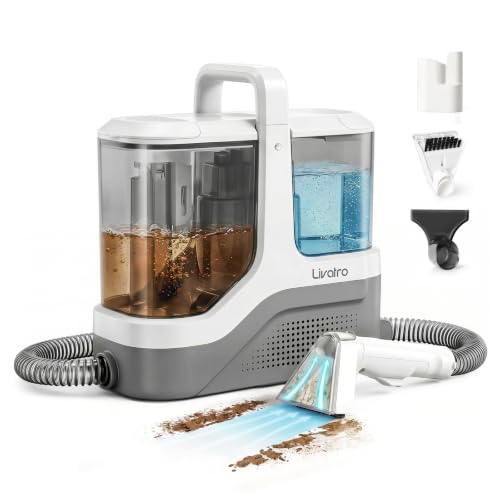
These small machines spray solution, scrub with a handheld tool, and pull dirty water into a separate tank. The body sits on a landing while the hose does the reaching. They suit single stains, pet messes, and short flights, and they store easily. Their tanks are small, so a full staircase may need a refill. If this size sounds right, compare options in our guide to the best portable carpet cleaner before you decide on tank size.
Lightweight Uprights With a Stair Hose
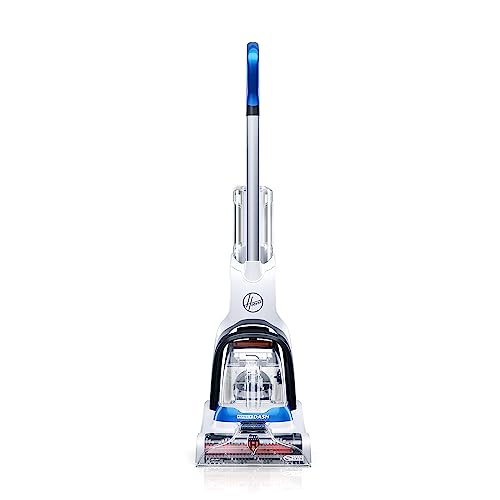
An upright cleans open rooms with its wide floor head, then switches to a hose and stair tool for steps. That dual role saves storage if you want one machine for the whole home. The catch is weight and balance. Keep the body on the floor or landing and work within hose reach, rather than parking it on a narrow tread. Readers comparing whole home options can start with our guide to the best carpet cleaner, then check the stair tool on any model they like.
Cordless and Compact Battery Models
Cordless models remove the trip hazard of a cord across steps and make quick work of a single spill. Runtime is their limit, since a full flight can use a charge quickly and suction often drops as the battery fades. They fit homes where the main need is fast response to small messes, not a deep clean of every step. Check runtime, recharge time, and tool width, because a wide head leaves the edges of each step untouched.
How to Choose the Right Carpet Cleaner for Stairs
Manufacturers list tank size and motor power in large print, but the numbers that decide success on stairs are reach, balance, and tool width. Work through the factors below in order, and measure your steps before you order.
Weight, Size, and How the Machine Sits on a Step
Measure one tread from front edge to riser, then compare it with the footprint of any machine you plan to set on a step. Many treads are about 10 to 11 inches deep, so a wide body will overhang and feel unstable. You lift with one hand while the other holds the rail, and a loaded tank adds several pounds, so judge weight with water in mind, not just the empty figure. A flat base and a secure carrying handle help you move between landings safely.
Hose Length, Cord Length, and Reach
Reach decides your working pattern. With a hose of about 4 to 5 feet, you will move the body every few steps. A longer hose lets the machine stay on a landing while you clean above and below it, which feels safer and saves lifting. Cord length works the same way, since one outlet should ideally serve the whole flight. Count steps from each safe parking spot before you buy. Never stretch a hose so far that it pulls the body toward the edge of a step.
Tank Size, Suction, and Power Use
Two tanks, one for clean solution and one for dirty water, keep you from spraying dirty liquid back onto the carpet. Small tanks of about 30 to 50 ounces suit spot work, while larger tanks cut refills but add weight when full. Suction matters more than wattage alone, because strong pull removes more water and shortens drying time on thick pile. Wattage still hints at energy use, so compare models of similar size rather than chasing the highest number. Good water recovery also matters for safety, since damp steps stay slippery until they dry.
Tools and Features Worth Paying For
The stair tool is the feature to value most. A head about 3 to 5 inches wide fits treads, risers, and corners, and stiff bristles loosen dirt at the tread edge where shoes turn. Heated cleaning helps keep solution warm, which can aid soil removal, but it adds weight and cost. A crevice tool helps at the sides, and a removable hose makes rinsing easier after pet messes. If you wonder how heat and extraction differ, our explainer on carpet cleaner vs steam cleaner sets out what each method does. Skip extra floor attachments you will never use on steps.
How Much Should You Spend?
Compact spot cleaners often cost about $100 to $150 and cover spills and short flights well. Models with longer hoses and heated cleaning tend to run about $150 to $250. Full size uprights with a good stair hose often sit at about $200 to $300. Spend first on reach, tool width, and manageable weight. Extra attachments and oversized tanks add little if the basic fit is wrong for your steps.
What Matters Most in a Carpet Cleaner for Stairs
Safety and control come before speed. Work from the top step down so you never stand on wet carpet, keep one hand free for the rail, and let each step dry before others use the stairs. Open a nearby door or window when you can and run a fan toward the steps after you finish.
Technique matters as much as the machine. Apply solution in a slow pass, scrub the tread edge and the base of the riser, then make extra suction only passes to pull water back out. Our guide on how to use a carpet cleaner covers pass speed and solution amounts, and the same slow pace applies on steps. Test new solution on a hidden corner first. Avoid soaking the padding below, because deep moisture dries slowly under a staircase and can leave a musty smell.
Common Mistakes to Avoid
- Balancing a tall upright on a narrow tread, which risks a fall of both you and the machine if it tips.
- Buying on tank size alone and ending up with a loaded machine too heavy to carry safely with one hand.
- Using a wide floor head on steps and missing the tread edge and corners where most soil collects.
- Soaking each step with extra solution, which lengthens drying time and leaves steps slippery for hours.
- Letting the cord trail across steps you still need to walk on, creating a clear trip hazard.
- Skipping the rinse and suction passes, so solution residue stays in the pile and attracts new dirt quickly.
How to Make Your Carpet Cleaner Last Longer
Rinse both tanks after every session, even a short one, and leave the caps open until the insides dry. Run clean water through the hose and tool to clear grit, then check the brush for hair wrapped around the ends. Wipe the base and let the machine dry on a towel. Our full routine for how to clean a carpet cleaner lists the filters and seals to inspect each season. Store the hose loosely coiled, and replace worn seals when suction drops rather than pressing harder on the tool.
FAQ
What is the best carpet cleaner for stairs?
For most homes it is the lightest extractor that still gives you a long hose, a narrow stair tool, and tanks you can carry when full. Portable models suit short flights and spot messes, while a lightweight upright suits long flights. Match the footprint to your tread depth and plan where the body will sit, since that fit matters more than headline motor power.
Can a full size upright clean stairs safely?
Yes, if you keep the body on the floor or a landing and clean only the steps within hose reach. Move the machine to the next level and work the next group of steps from a stable spot. Problems start when a tall, heavy body is parked on a single narrow tread. If your staircase has no landing and few outlets, a portable model will usually feel safer and simpler to manage.
How long should carpet on stairs take to dry after cleaning?
Most steps feel dry in about 4 to 6 hours when you make several suction only passes and keep air moving. Thick pile and heavy solution use can stretch that time, so plan the job for a morning when the stairs can stay unused. Test with a dry tissue pressed into the pile. If it picks up moisture, give the steps more time.
Do stairs need a special cleaning solution?
Usually not. Use the solution the maker specifies for your machine and carpet fiber, at the dilution on the label, and avoid bleach or dish soap that can leave residue or void coverage. Wool and dyed fibers may need a neutral formula, so check the carpet care tag if you have it. A small hidden test patch is wise on stairs, because wear has often thinned the pile at the tread edge and color can react differently there.
How often should stairs be deep cleaned?
A busy staircase often benefits from a deep clean about every 6 to 12 months, with spot treatment as spills happen. Homes with pets may need the lower steps cleaned more often than the top ones. Vacuuming the tread edges weekly slows soil buildup in the corners, which makes each deep clean faster and lets you use less solution.
Final Thoughts
The right machine for your staircase is the one you can carry, park, and control with confidence on every step. Weigh hose reach, tool width, and loaded weight ahead of tank size and extra attachments, and check the product table above against the depth of your own treads. Chosen that way, the best carpet cleaner for stairs turns an awkward chore into a steady routine of one step at a time, with cleaner edges, faster drying, and no balancing act in the middle of the flight.

