
Best Carpet Cleaner for Rugs in 2026: Types and Buying Guide
Disclosure: We may earn a commission when you buy through links on this page, at no extra cost to you. As an Amazon Associate I earn from qualifying purchases. Learn more

Compare the best carpet cleaner for rugs by machine type, brush control, suction and drying time, and avoid common mistakes.
A rug is not just a small carpet. It sits on top of a finished floor, it often has a backing that water can damage, and its dyes and fibers may react badly to strong brushes or hot solution. That is why choosing the best carpet cleaner for rugs means looking past raw cleaning power and checking how gently and how dry a machine leaves the pile. The product table below sums up the main types so you can match a machine to your rug before reading the detail.
This guide covers the factors that matter most for rugs, including pile height, backing type, tank size, brush action, suction, and drying time.
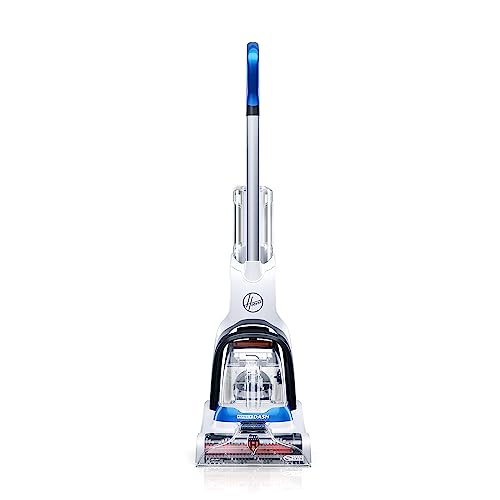


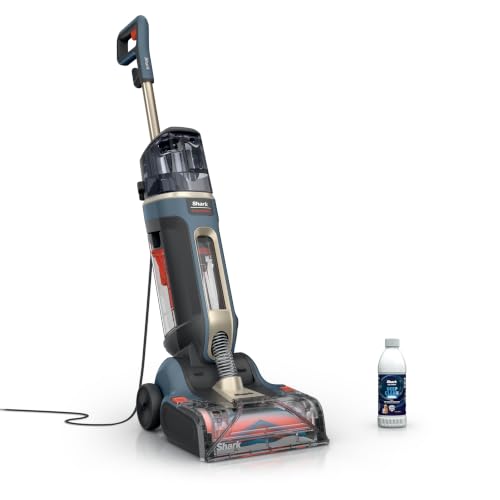
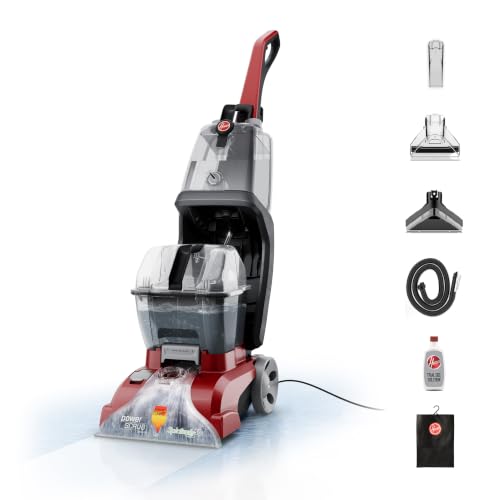
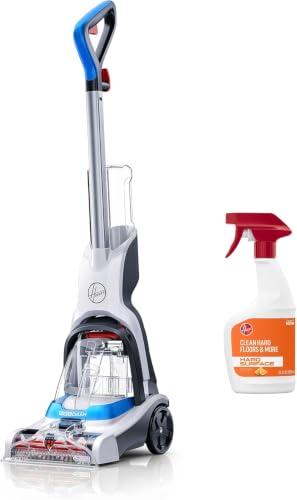
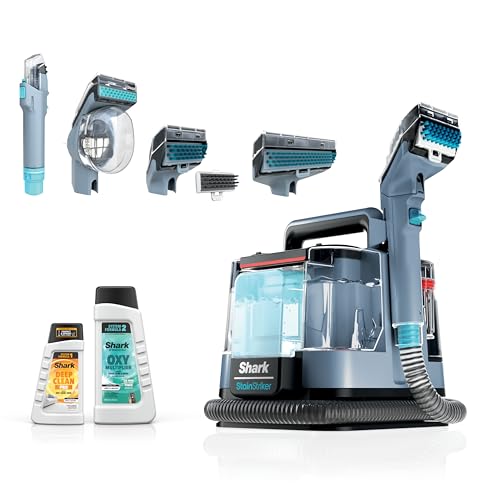

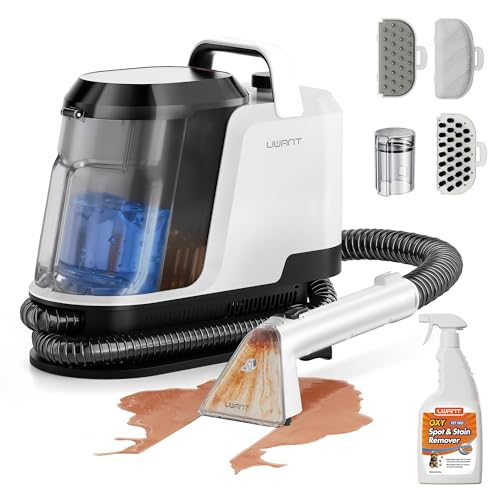
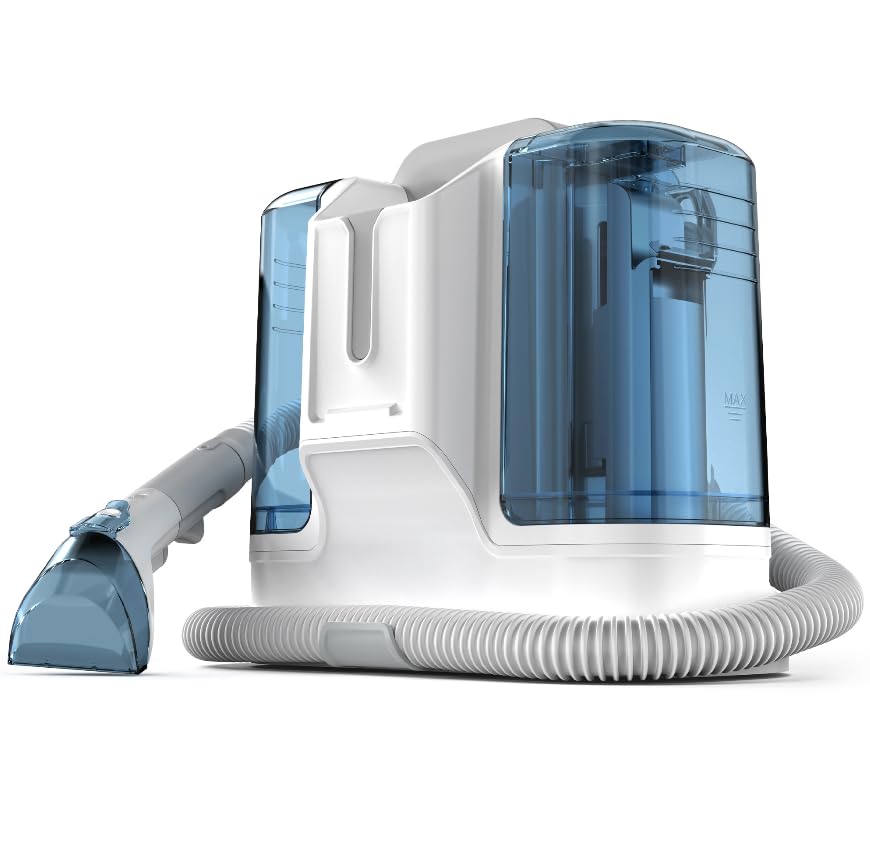
Carpet Cleaner Types Compared for Rugs
Three broad styles cover almost every rug situation. Portable spot cleaners handle spills and small rugs. Upright machines wash large area rugs in place. Compact lightweight models sit between the two, with enough capacity for a room sized rug and a body that is easy to carry and store.
Portable and Spot Cleaners
Portable machines pair a small clean water tank with a hose and a handheld tool. You work one stain at a time, which suits entry rugs, runners, and the traffic lanes of a larger rug. Because you control where the solution goes, very little water reaches the backing or the floor beneath. The trade off is coverage. Washing a whole living room rug this way takes many slow passes, and small tanks need frequent refills.
Upright Cleaners for Large Area Rugs
An upright cleaner rolls across the rug like a vacuum, spraying, scrubbing, and extracting in one pass. This is the fastest way to wash a large area rug that is too heavy to move outdoors. Look for a brush setting you can slow or switch off, since vigorous agitation can fuzz delicate fibers. Strong suction matters even more here, because a big rug holds a lot of water and must dry fully before furniture goes back.
Compact and Lightweight Cleaners
Compact uprights and cordless spot models trade tank size and motor power for easy handling. They suit apartments, stairs, and homes where the rug cleaner shares a closet with everything else. Many renters start here, and our guide to the best portable carpet cleaner explains where these smaller machines shine. Check cord length or run time before you buy, because a rug in the middle of a room may sit far from an outlet.
How We Chose What to Compare
We judged each type against the needs rugs create rather than the needs of fitted carpet. The criteria were cleaning gentleness, suction and drying, tank capacity, ease of use, noise, safety listings such as UL or ETL marks, and warranty length. We drew on manufacturer specifications and patterns in verified buyer feedback about backing damage and slow drying. For a broader view, see our roundup of the best carpet cleaner options for whole rooms.
Who Should Buy Which Carpet Cleaner for Rugs?
Renters With Area Rugs Over Hard Floors
If your rugs sit over hardwood, laminate, or tile in a rented home, your first job is protecting the floor underneath. A portable or compact cleaner limits how much water reaches the backing, and a rug pad with a waterproof layer adds a safety margin. Plan to lift the rug after washing so air can reach both sides while it dries.
Pet Owners With Washable Rugs
Pet accidents soak through pile into the backing, so you need extraction strong enough to pull solution back out of both layers. A model with a dedicated pet tool helps you work an accident spot without spreading it. Readers dealing with repeated accidents may also want our guide to the best carpet cleaner for pet stains, which focuses on odor removal routines.
Owners of Wool, Silk, or Vintage Rugs
Natural fibers and old dyes are the least forgiving combination in rug care. Many wool rugs should be washed with cool water only, mild solution, and no rotating brush at all. For a valuable or antique piece, a gentle spot cleaner for spills, plus professional washing for a full clean, is often the safer plan. Always test solution on a hidden corner first.
How to Choose the Right Carpet Cleaner for Rugs
Brush Action and Pile Height
Brush design decides how a cleaner treats your pile. A spinning brush bar lifts grit from low pile synthetic rugs well, but it can pull loops loose on a woven rug and leave wool looking fuzzy. Machines with adjustable brush speed, a brush off mode, or a suction only tool give you control across different rugs in the same home. Shag and other long pile rugs usually need suction and solution without aggressive scrubbing, while flat woven rugs tolerate gentle agitation.
Suction, Water Use, and Drying Time
Extraction is the feature that protects both rug and floor. A cleaner that sprays generously but recovers weakly leaves the backing damp for many hours, and that dampness can curl edges or mark the floor below. Strong suction lets you make extra dry passes, pulling out more water with each one. Aim to have the rug dry to the touch within about 6 to 12 hours in a ventilated room. A fan aimed across the surface shortens that window.
Tank Capacity and Cleaning Solution
Dual tank designs keep clean solution apart from dirty water, so you never wash with water already loaded with grit. Small tanks around 0.5 gallons suit spot work, while large area rugs go faster with tanks closer to 1 gallon or more. Use only the amount of solution the maker directs. Extra detergent leaves residue in the pile that attracts new dirt, and on a rug that residue sits close to the surface where shoes and paws press it in. Rinse passes with plain water help on rugs cleaned with heavy solution before.
Heat, Steam, and Dye Safety
Some machines heat the cleaning water or add steam, and heat can loosen oily soil quickly. Heat can also set some stains and loosen unstable dyes, so it is not automatically better for rugs. If you are weighing extraction against steam, our comparison of carpet cleaner vs steam cleaner walks through where each method fits. Whatever you choose, check the rug care label first. A rug marked dry clean only should not be washed with any water based machine.
Power, Noise, and Storage Size
Motor ratings and wattage give a rough sense of suction strength, but design matters as much as the number, so treat wattage as a starting point rather than a promise. Expect noise similar to a strong vacuum, which matters in apartments with thin walls. Measure your storage spot before ordering. Upright cleaners for rugs commonly stand about 40 to 45 inches tall. Compact models store more easily but may need a second tank fill to finish a large rug.
How Much Should You Spend?
Basic spot cleaners often cost under $100 and cover spills and small rugs well. Mid priced compact and upright models at about $100 to $250 usually add stronger suction, bigger tanks, and brush control, which is the combination most rug owners need. Spending about $250 to $400 can bring heated cleaning and wider cleaning paths. Pay for extraction strength and brush control first.
What Matters Most in a Carpet Cleaner for Rugs
The single biggest difference between rug cleaning and carpet cleaning is what lies underneath. Fitted carpet sits over padding and subfloor that tolerate moisture. A rug sits over a finished floor you want to keep, and its own backing can crack, curl, or delaminate when it stays wet. That is why controlled water use and strong recovery outrank every other feature here.
It also helps to think about where the rug will dry. If you can carry the rug outside or hang it over a railing, a deeper wash is practical. If the rug must stay in place, plan the job for a day when you can open windows and run a fan. Readers new to the process can follow our step by step guide on how to use a carpet cleaner for pass speed and overlap basics.
Common Mistakes to Avoid
- Skipping the color test, which can let unstable dyes bleed across a whole rug in one wash.
- Using hot water or steam on wool or silk, which can shrink fibers and dull natural dyes.
- Soaking the rug until water reaches the floor, which risks warped boards and a cracked backing.
- Adding extra solution for a stubborn stain, which leaves residue that draws new dirt to the same spot.
- Putting furniture back on a damp rug, which can leave rust marks, dye transfer, and trapped moisture.
- Washing a rug without vacuuming first, which turns loose grit into mud that the brush grinds deeper.
How to Make Your Carpet Cleaner Last Longer
Rinse the machine after every rug session. Dirty water left in the tank grows odor fast, and dried solution can clog spray tips. Empty both tanks, rinse them with clean water, and let them air dry with the caps open before storing. Wipe grit from the brush and suction path, since rug fibers wrap around brush ends and strain the belt and motor. Store the machine indoors in a dry spot.
Descale and deep clean the machine itself on the schedule the manual suggests, especially if your tap water is hard. Our maintenance walkthrough on how to clean a carpet cleaner covers filter rinsing and hose clearing in detail. Replace worn seals and brushes when suction drops, because weak extraction can leave a backing wet enough to cause damage.
FAQ
What is the best carpet cleaner for rugs with delicate backing?
Choose a portable or compact machine with modest spray volume, strong suction, and a suction only or brush off setting. Latex and rubber backings weaken when they stay wet, so short wet passes followed by several dry passes protect them. Lifting the rug to dry with air underneath, rather than leaving it flat on the floor, is the extra step that prevents most backing damage on older rugs.
Can you use a carpet cleaner on a rug over hardwood floors?
Yes, if you control the water and protect the floor first. Slide a waterproof rug pad or a plastic sheet under the rug, use the lowest solution setting that still cleans, and make extra extraction passes. Check under the rug about an hour after washing. Any moisture you find there should be wiped up, and the rug edge lifted, so the boards dry before the rug settles back into place.
How often should you deep clean an area rug?
Most area rugs do well with a full wash once or twice a year, plus prompt spot cleaning when spills happen. Entry and kitchen rugs in busy homes may need attention every few months, since grit collects where shoes first land. Washing more often than the soil level requires wears fibers and fades color, so let visible soil and odor tell you when a rug is due.
Is a carpet cleaner worth it for rugs instead of renting one?
For homes with several rugs or pets, owning usually pays off within a few cleaning rounds, compared with repeated rental fees and trips. Rental machines are powerful, but they are heavy, and their settings are built for fitted carpet rather than delicate rugs. Owning a gentler machine also means you can treat a spill the day it happens, instead of waiting for the next rental.
How long does a carpet cleaner for rugs usually last?
A cared for home machine commonly lasts about 5 to 8 years. Belts, seals, and brush rolls wear first, and replacing them on schedule extends the life of the motor. Machines stored with dirty water inside tend to fail sooner from clogged lines and pump strain. If suction fades after a full cleaning of filters and hoses, the motor itself is usually wearing out.
Final Thoughts
The right machine for your rugs is the one that cleans the pile while leaving the backing and the floor beneath it dry and unmarked. Match brush control and suction to your most delicate rug, and keep water use modest. With those habits, the best carpet cleaner for rugs for your home does not need to be the biggest model in the product table above. It needs to be the one you can use gently and trust on the rug you care about most.

