13 Best Hummingbird Feeders for 2026
Disclosure: We may earn a commission when you buy through links on this page, at no extra cost to you. As an Amazon Associate I earn from qualifying purchases. Learn more
Attracting hummingbirds to your yard comes down to one simple thing: a feeder they'll actually visit and keep coming back to. The right hummingbird feeder combines an easy-to-clean design, leak-proof construction, and features that keep ants and bees out of the nectar, so you get to enjoy the birds without the maintenance headaches.
Here's what actually separates a genuinely great hummingbird feeder from one that leaks or attracts the wrong insects, followed by three standout picks and a full lineup of other strong options to compare.
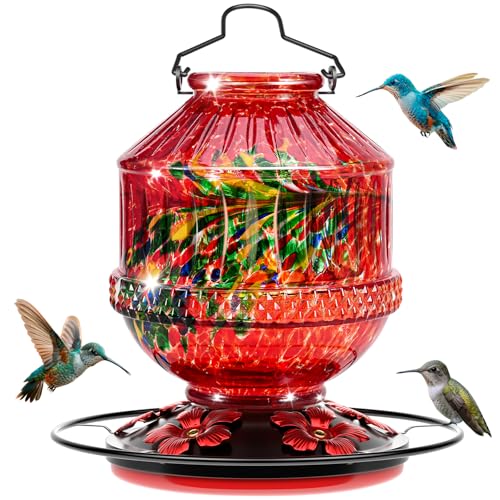
What to Look for in a Hummingbird Feeder
Material affects both durability and how easy the feeder is to keep clean. Glass feeders resist staining and scratching better over years of use, while plastic feeders are lighter and more shatter-resistant, which matters if the feeder hangs somewhere it could get knocked around.
Feeding port design influences which insects can access the nectar alongside the hummingbirds. Bee and ant-proof ports, along with built-in ant moats, keep unwanted insects from draining or contaminating the nectar reservoir.
Capacity should match how often you're willing to refill and how many hummingbirds typically visit your yard. Larger reservoirs mean less frequent refilling, but nectar should still be changed every few days regardless of how much remains, especially in hot weather.
Ease of cleaning is genuinely important, since nectar can grow mold quickly if a feeder isn't cleaned regularly. Wide-mouth openings and simple disassembly make routine cleaning far less of a chore than narrow-necked designs.
Number of feeding ports determines how many hummingbirds can feed at once. More ports reduce competition and territorial squabbling at the feeder, which matters if you're hoping to attract and support a larger local population.
Color and visibility play a real role in attracting hummingbirds initially, since they're drawn to red and bright colors. Many feeders include red accents or flower-shaped ports specifically to catch their attention from a distance.
Mounting and placement options vary between hanging designs, window-mounted suction cup feeders, and pole-mounted styles, so consider where in your yard or on your home you actually want the feeder positioned.
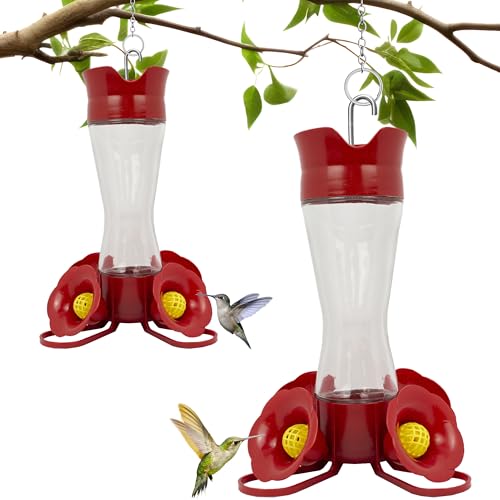
Best Overall: More Birds Ruby Hummingbird Feeder
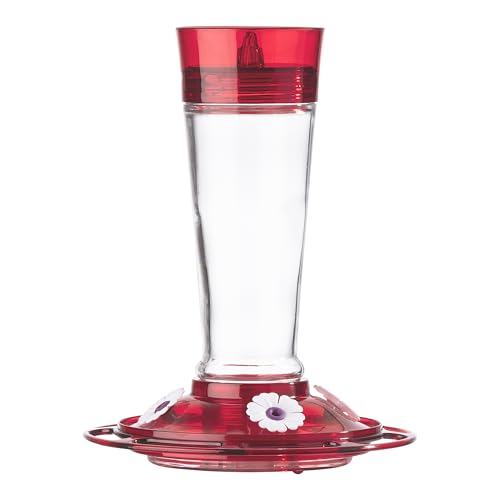
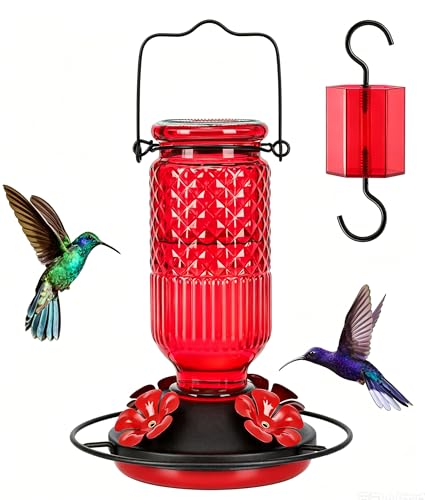
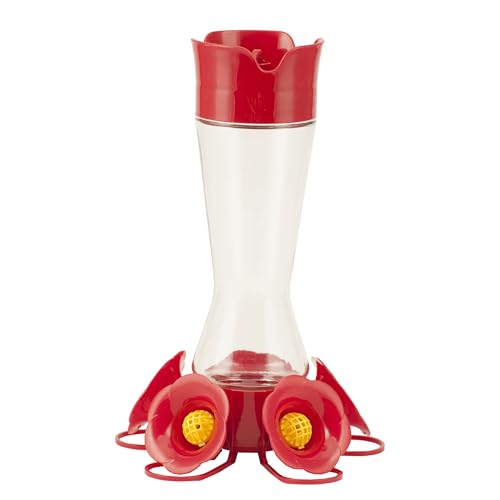
With one of the largest review counts of any hummingbird feeder in this lineup, the More Birds Ruby has become a backyard staple for good reason. Durable glass construction resists staining over years of use, and the red base and flower ports draw hummingbirds in reliably from the very first day.
- Material: Glass reservoir with red plastic base
- Design: Flower-shaped feeding ports
- Best for: Buyers who want a proven, widely trusted everyday pick
Pros:
- Massive review base reflects long-term consumer trust
- Durable glass resists staining better than plastic over time
- Bright red design attracts hummingbirds effectively
Cons:
- Glass reservoir is heavier and more breakable than plastic options
- Narrower opening takes slightly more effort to clean thoroughly
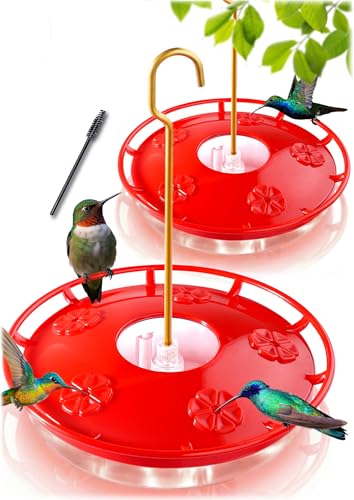
Best Budget: Plastic Hummingbird Feeder 8.3oz

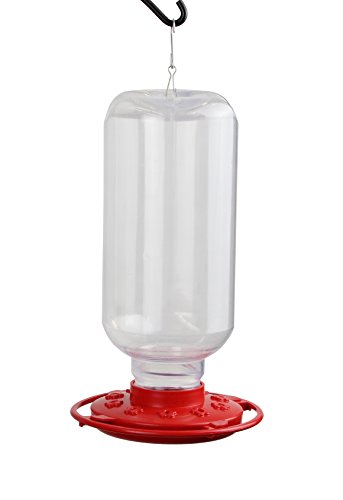
At a genuinely low price backed by thousands of reviews, this compact plastic feeder proves you don't need to spend much to start attracting hummingbirds. Lightweight construction makes it easy to hang almost anywhere, and the built-in feeding ports keep the design simple and beginner-friendly.
- Capacity: 8.3 ounces
- Material: Durable plastic
- Best for: Budget-conscious buyers or first-time hummingbird feeders
Pros:
- Very affordable entry point for attracting hummingbirds
- Lightweight and shatter-resistant compared to glass options
- Simple design is easy for beginners to fill and hang
Cons:
- Smaller capacity means more frequent refilling
- Plastic may show wear or discoloration faster than glass over years
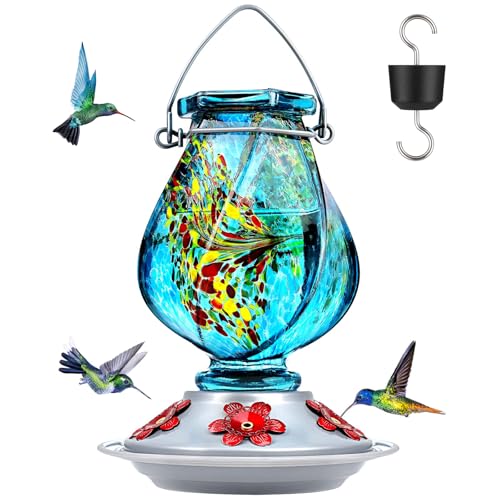
Best Premium: HouseSapp Solar Hummingbird Feeder
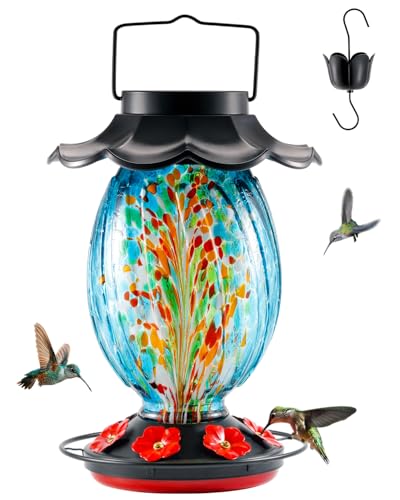
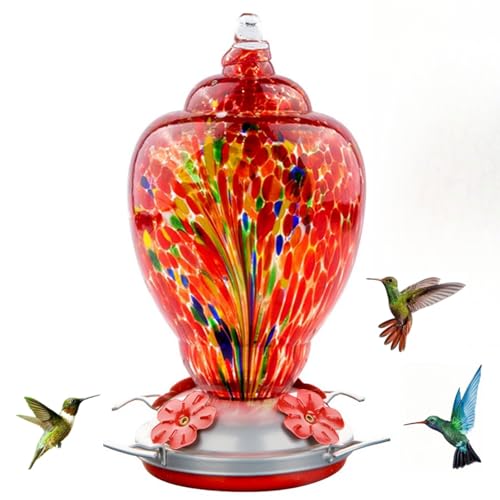
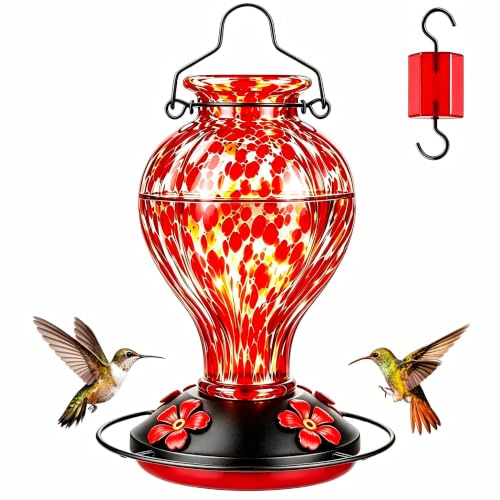
Standing out with a substantial 49-ounce capacity and genuine hand-blown glass construction, this feeder doubles as a color-changing solar light after dark, adding real garden ambiance beyond just feeding function. It's a genuine statement piece for a larger yard or garden space.
- Capacity: 49 fluid ounces
- Extra feature: Solar-powered color-changing light
- Best for: Buyers who want a large-capacity, decorative statement piece
Pros:
- Large capacity means significantly less frequent refilling
- Hand-blown glass adds genuine decorative appeal
- Solar light feature adds function and ambiance after dark
Cons:
- Higher price than standard hummingbird feeders
- Larger size and weight need a sturdy mounting point
Glass vs. Plastic Feeders: Which Fits Your Yard?
Glass feeders generally resist staining, scratching, and UV discoloration better than plastic over years of consistent outdoor use, which matters if you want the feeder to keep looking good long-term.
Plastic feeders are lighter, more shatter-resistant, and typically more affordable, making them a practical choice for feeders placed somewhere they might get knocked around by wind or wildlife.
Both materials perform equally well at actually attracting and feeding hummingbirds, so the choice mostly comes down to durability preferences, budget, and how the feeder fits your yard's overall look.
For anyone just starting out, a plastic feeder is a low-risk way to see if hummingbirds are active in your area before investing in a more premium glass model.
Frequently Asked Questions
How often should hummingbird nectar be changed?
Nectar should generally be changed every 2 to 4 days, and even more frequently in hot weather, since sugar water can ferment or grow mold quickly, especially in direct sunlight. Always clean the feeder thoroughly with each refill, not just top it off.
What ratio of sugar to water should I use for homemade nectar?
A standard ratio of 1 part white granulated sugar to 4 parts water is widely recommended for hummingbird nectar. Avoid using red dye, honey, or artificial sweeteners, since these can be harmful to hummingbirds even though the feeder itself may be red.
How do I keep ants and bees away from a hummingbird feeder?
Look for feeders with built-in ant moats or bee-proof feeding ports, which are specifically designed to block these insects from accessing the nectar while still allowing hummingbirds to feed normally through their long beaks.
Conclusion
The More Birds Ruby feeder is the best overall pick for a proven, widely trusted everyday choice. If you're on a budget or just starting out, the compact plastic feeder delivers genuine value. And for buyers who want a large-capacity statement piece, the HouseSapp solar feeder is worth the investment. Whichever you choose, a good hummingbird feeder brings real life and color to your yard all season long.