
Best Bird Baths Made Simple: A Clear Buying Guide
Disclosure: We may earn a commission when you buy through links on this page, at no extra cost to you. As an Amazon Associate I earn from qualifying purchases. Learn more

The best bird baths explained: pedestal, hanging, solar fountain and heated baths for first time buyers.
A bird bath is one of the easiest ways to bring more birds into your yard. Fresh water for drinking and bathing can attract species that never visit a seed feeder, and the splashing makes a lively garden centerpiece. But bird baths come in many styles, from classic ceramic pedestals to solar fountains, hanging bowls and heated winter baths, and the wrong depth or material can leave birds uninterested. This guide to the best bird baths explains the terms in plain English, compares options and helps first time buyers avoid rookie mistakes.
We cover the basics, the key specs, rookie mistakes, setup and first use and answers to common questions. Every product in the table above is sold new on Amazon US. Change bird bath water every few days to prevent mosquito breeding and the spread of bird diseases, use outdoor rated outlets for heated baths and keep cords away from foot traffic and pets.




Bird Baths 101: The Basics
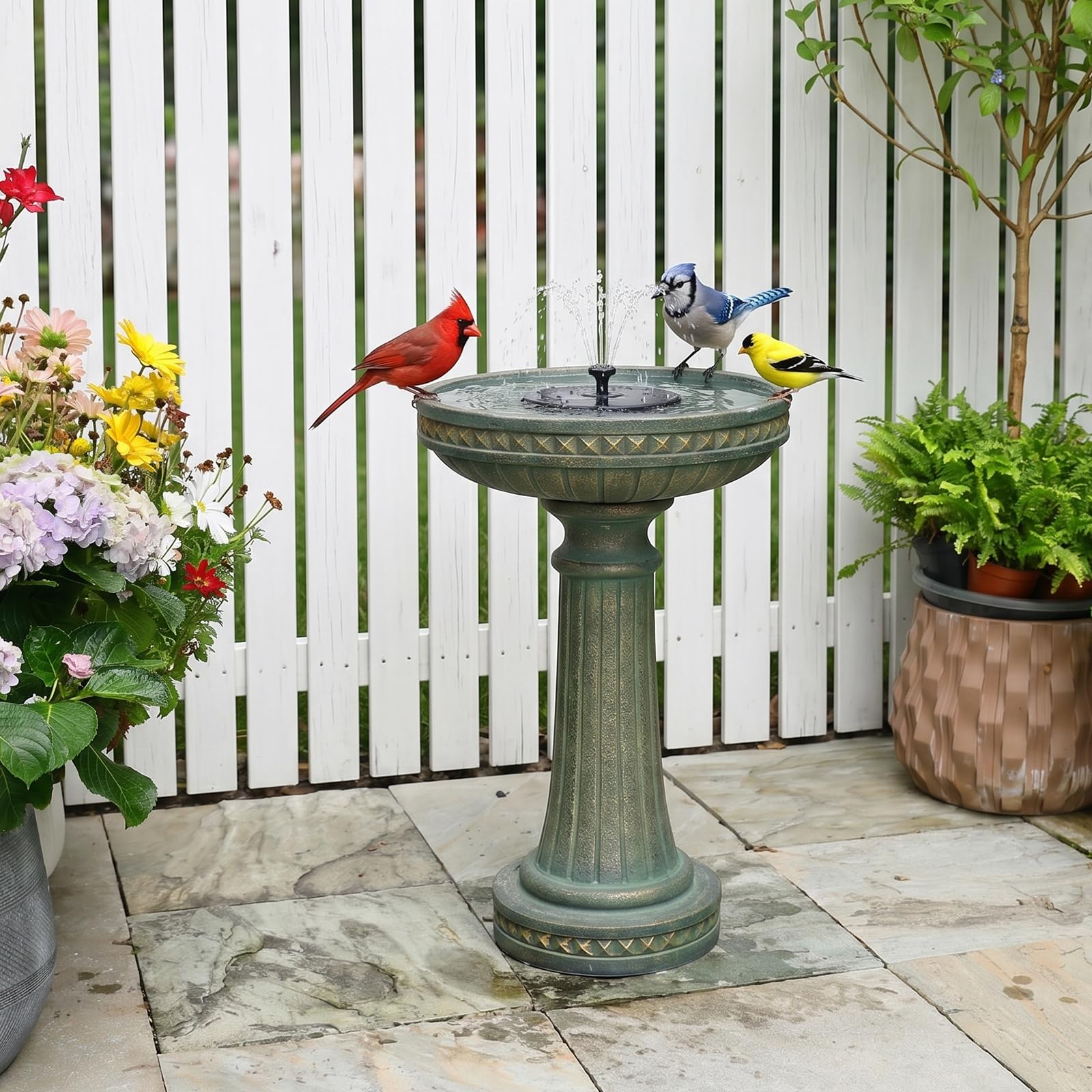
A bird bath is a shallow basin of water that birds use to drink and bathe. Birds prefer shallow water, around 1 to 2 inches deep at the edges, with a rough or textured surface for grip. Moving water, from a solar fountain or dripper, attracts more birds because they can see and hear it from a distance.
Common types include pedestal baths that stand about 2 to 3 feet tall, ground baths that sit low for ground feeding birds, hanging baths that hang from branches or hooks, solar fountain baths with a small pump and heated baths that keep water open in freezing weather.
Prices range from about $8 for a hanging bowl to about $40 to $60 for solar metal baths and pedestal sets and around $210 to $235 for hand glazed ceramic pedestals.
The best bird baths are easy to clean and refill, because a bath only helps birds when the water is fresh. Choose a style you can reach with a hose or watering can and empty without heavy lifting.
Key Specs Explained in Plain English
The key specs are type and placement, materials and durability, depth and size, water movement and winter use. Here is what each means.
Think about your yard, climate and how often you will clean the bath. Those three things narrow the choices quickly.
Type and Who It's For
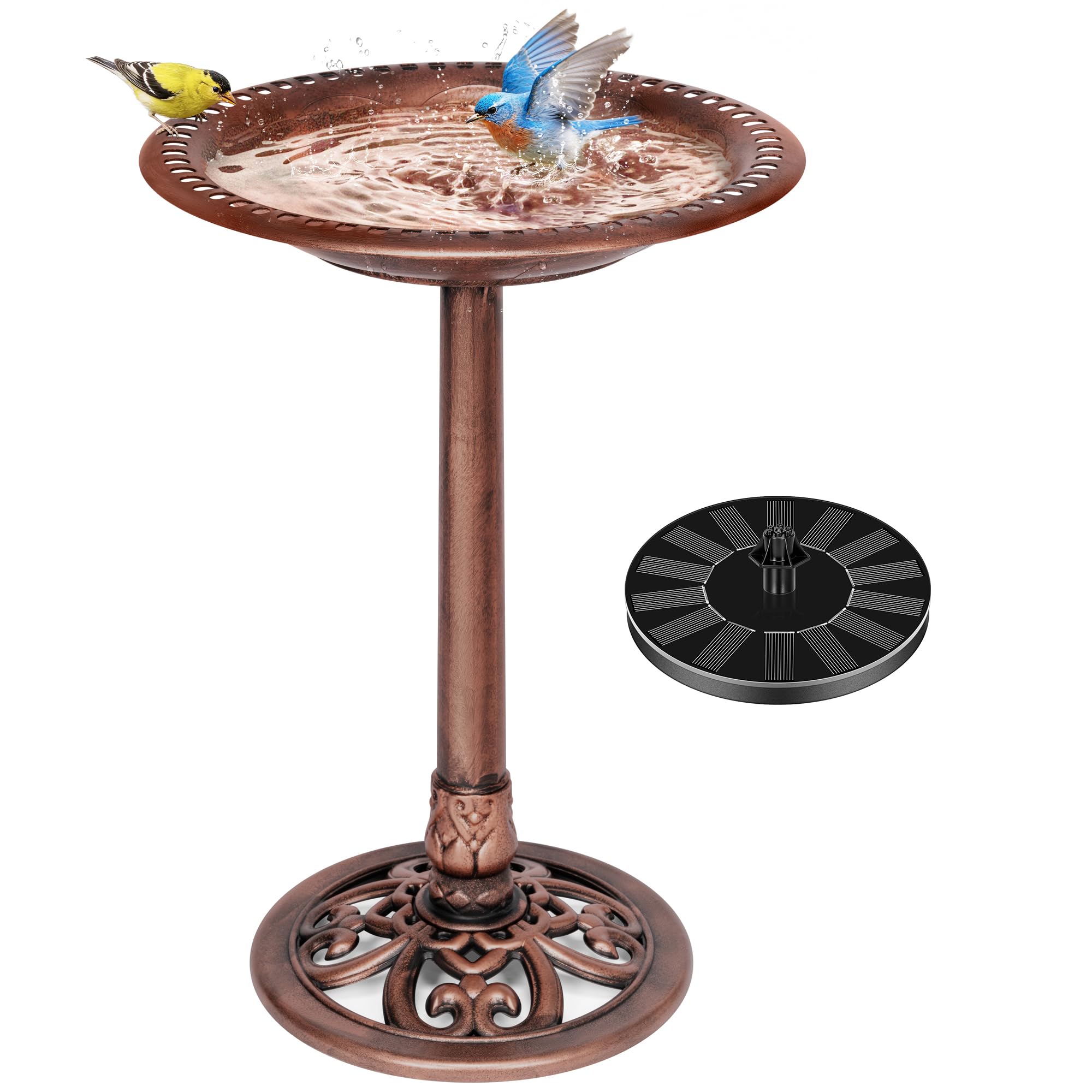
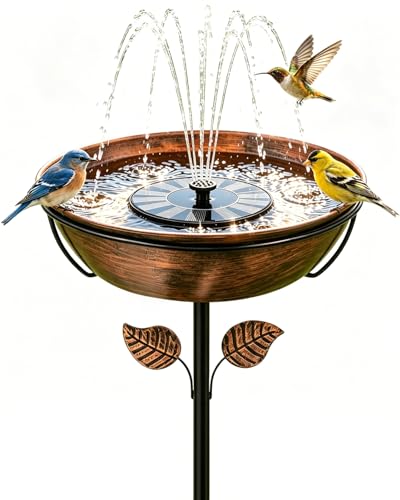
Pedestal baths suit open yards and garden beds where you can watch from a window. Hanging baths, like the Bathth 2 in 1 hanging bath and feeder at around $8, suit small patios and balconies. Solar fountain baths, like the VIVOHOME pedestal bath with solar fountain at around $57 and the RHLISCE metal bath at around $50, suit gardeners who want moving water without wiring. Heated baths, like the URESMAT heated bird bath at around $30, suit cold climates.
Ground level baths attract robins, doves and other birds that feed on the ground, while elevated baths keep birds safer from cats.
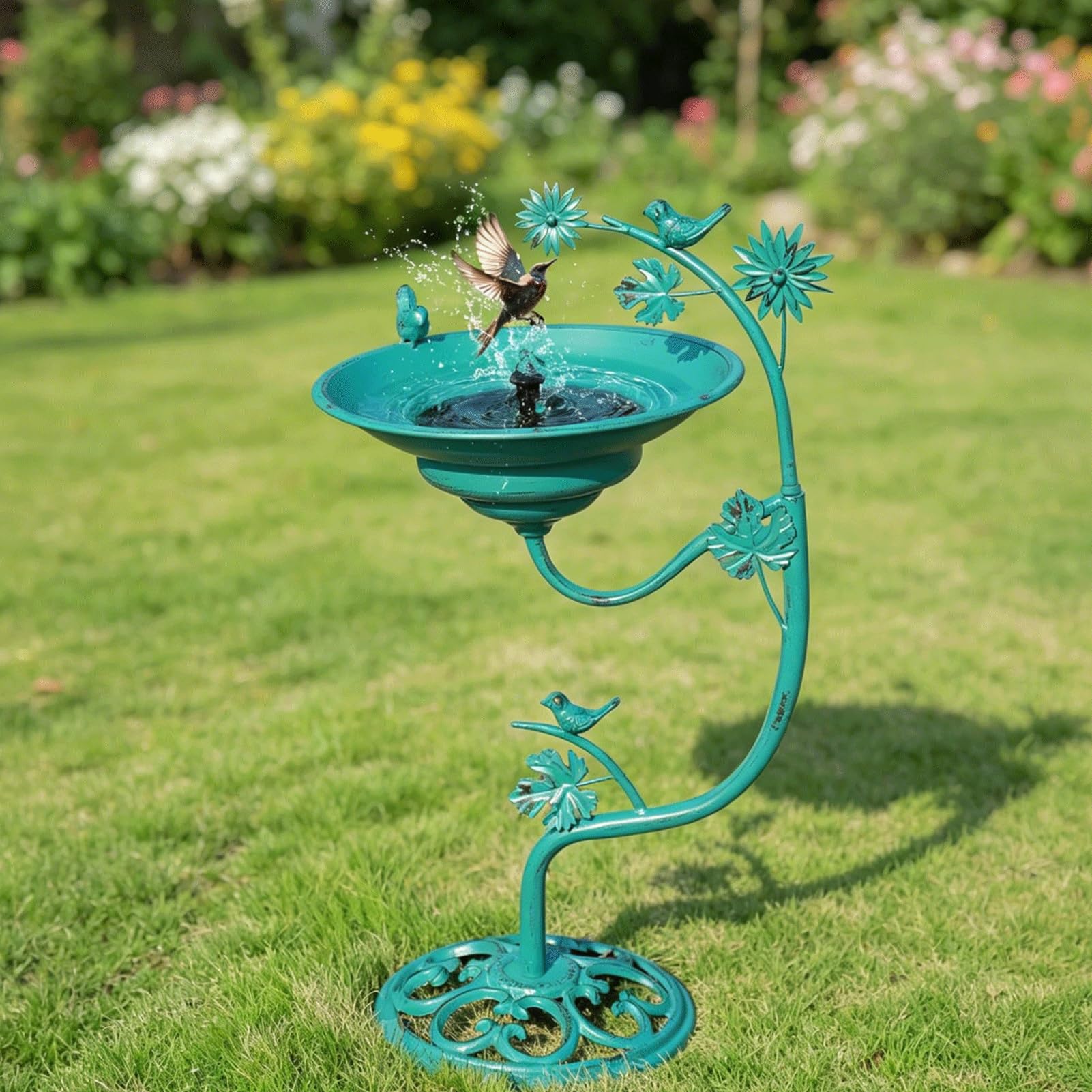
Fountain style baths, like the Sunlinua bird bath fountain with a solar pump at around $160 and ceramic solar fountains with battery backup at around $72, double as garden water features with a soothing sound.
Materials and Durability
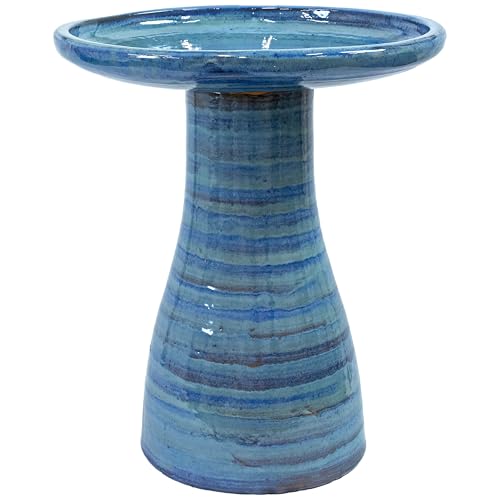
Ceramic baths look beautiful but can crack if water freezes inside; Sunnydaze says its hand glazed ceramic bath has a lead free mineral glaze that is UV, frost and scratch resistant. Metal baths, like RHLISCE's, use rust resistant coatings and are light and sturdy. Resin and plastic baths are light and inexpensive but can fade. Concrete baths are heavy and durable but hard to move.
Glazed surfaces are easy to scrub, but very smooth bowls can be slippery; a few flat stones give birds better footing.
Sunnydaze notes that its glazed surface rinses clean easily compared with unfinished concrete, which can absorb stains and algae.
Pick a material that suits your climate.
Depth and Bowl Size
Shallow bowls are safest and most inviting. Sunnydaze lists a 1.5 inch deep basin holding about 1 gallon in an 18 inch bowl. RHLISCE lists a 13 inch wide, 3 inch deep bowl holding 1.4 gallons. Deeper bowls hold more water but may need stones in the center so small birds can stand.
Wide, shallow bowls let several birds bathe at once and are easier for small songbirds to use safely.
Smaller bowls need refilling more often in summer heat, so a 1 to 1.5 gallon bowl balances depth and capacity well for most yards.
Water Movement and Solar Pumps
Solar pumps make fountains that birds notice from afar. RHLISCE says its pump starts within about 3 seconds of direct sun and includes 6 nozzles and support rods that reduce splash out by 70%. Separate solar pumps, like the POPOSOAP 8W pump with a 3,600mAh battery and dry run protection at around $40, can turn any bath into a fountain and keep running when clouds pass.
Solar pumps without batteries stop when clouds cover the sun, so models with battery backup, like POPOSOAP's, keep water moving longer. Clean pump intakes regularly so leaves and algae do not block them.
Even a slow drip draws birds in.
Size, Height, Stability and Placement
Stable bases prevent tipping when larger birds land. RHLISCE uses a 5 prong reinforced base and an adjustable pole of 28 or 41 inches. Sunnydaze's 21 inch tall pedestal uses a twist lock bowl with no tools needed. Place baths near shrubs or trees so birds can escape predators, but about 10 feet from dense cover where cats hide.
Partial shade helps keep water cooler and slows algae growth in summer.
Set pedestal baths on firm, level ground or pavers so they do not lean over time, especially after heavy rain.
Keep it within hose reach.
Winter Use and Heaters
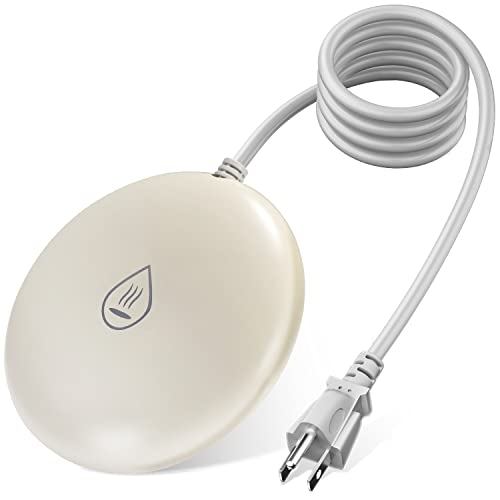
In freezing weather, birds still need water. Heated baths and de icers, like the zukakii 70W bird bath heater at around $20 with thermostatic control, keep water open. Empty and store ceramic baths in winter if you do not use a heater.
Use an outdoor rated extension cord and a GFCI protected outlet for heaters, and choose models with thermostats that switch off when water is above freezing.
Never add antifreeze or salt to bird bath water; both can harm birds.
Rookie Mistakes to Avoid
The most common mistake is choosing a bath that is too deep or slippery, which keeps birds away. Another is placing it in full, hot sun where water heats and evaporates quickly, or right next to bushes where cats can ambush birds.
Many people let water sit for a week, which breeds mosquitoes and algae. Using chemicals or soap to clean the bath can harm birds. Finally, leaving ceramic baths full in freezing weather can crack them.
Another mistake is placing the bath under a feeder, where seed shells and droppings foul the water quickly. Keep baths a few feet away from feeders.
Some buyers also skip a stable base, and a tipped bath can crack or injure pets.
Getting Started: Setup and First Use
Choose a level spot visible from a window, with nearby perches but open space around the bath. Assemble the base and bowl, add a few flat stones if the bowl is deep and fill with fresh water.
For solar fountains, place the panel or bath where it gets direct sun. Be patient; it can take days or weeks for birds to discover a new bath. Rinse and refill every two to three days.
A small dripper or the sound of a fountain can speed up discovery, and placing the bath near an existing feeder area helps birds find it.
Frequently Asked Questions
What features matter most when buying bird baths?
Shallow depth, a textured or grippy surface, a stable base, durable materials and easy cleaning matter most. Moving water and winter heating add appeal.
For busy households, easy cleaning matters most, since fresh water is what keeps birds coming back.
How do I clean a bird bath?
Empty the bath, scrub it with a stiff brush and water, rinse well and refill. For stubborn algae, use a solution of 1 part white vinegar to 9 parts water, then rinse thoroughly before refilling.
Clean more often in hot weather and during heavy use.
Wear gloves when scrubbing, and wash hands afterward.
Are expensive bird baths worth it?
Expensive ceramic or stone baths are worth it if you want a long lasting garden centerpiece. Affordable metal and solar baths work well for attracting birds on a budget.
Heavier baths also resist tipping from wind and wildlife.
A sturdy base matters more than price.
How much should I spend on a bird bath?
Most people spend around $40 to $60 on a solid pedestal or solar bath, while hanging baths cost under $10 and premium ceramic baths cost around $200 or more.
Add the cost of a heater if you live where water freezes.
How long does a bird bath last?
Metal and resin baths often last several years, while ceramic and concrete baths can last decades with winter care. Solar pumps may need replacing every few seasons.
Bringing pumps indoors in winter extends their life.
Store hanging baths indoors during storms.
Final Thoughts
The best bird baths offer shallow, clean water in a safe spot. Sunnydaze's ceramic bath makes a beautiful centerpiece, VIVOHOME and RHLISCE solar baths add moving water, hanging baths suit small spaces and heated baths keep water open in winter. Keep water fresh and place the bath wisely.
Start simple, watch which birds visit and add a fountain or heater later if you want to attract even more.
For more garden guides, see the best bird feeders, the best hummingbird feeders, the best solar garden lights and the best compost bin. Then compare current prices in the product table above.


