
Best Carbon Steel Cookware Sets (2026): How to Choose for Your Kitchen
Disclosure: We may earn a commission when you buy through links on this page, at no extra cost to you. As an Amazon Associate I earn from qualifying purchases. Learn more

Choose the best carbon steel cookware set by pan sizes, stove type, storage and care, with plain advice on seasoning and rust for everyday cooking.
Picture a weekday evening in a real kitchen. Cabinet space is tight, and the pan you reach for has to fry eggs at breakfast and sear chicken at dinner. That daily reality is where a best carbon steel cookware set earns its place. Carbon steel heats fast, handles high heat, and grows more slick with use, yet every set bundles different pieces and sizes.
This guide helps you choose by storage space, household size, stove type, and budget. Use the product table to scan the options, then work through the checklist before you spend anything.
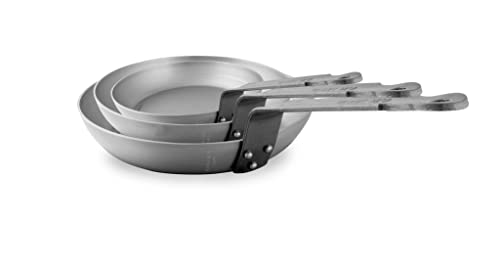


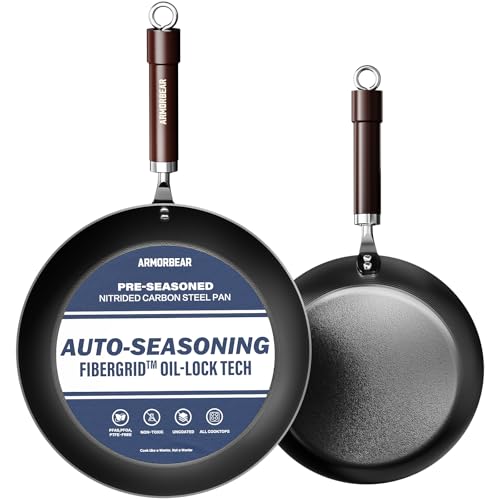

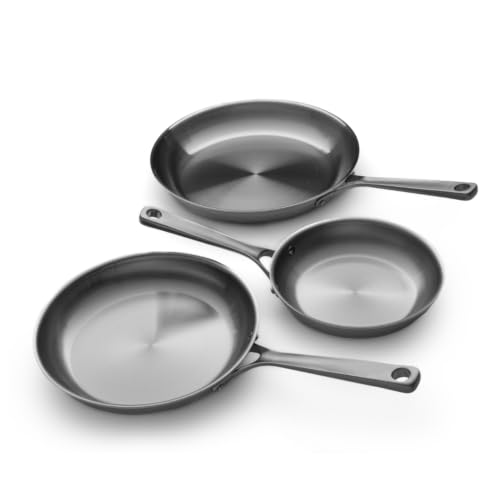
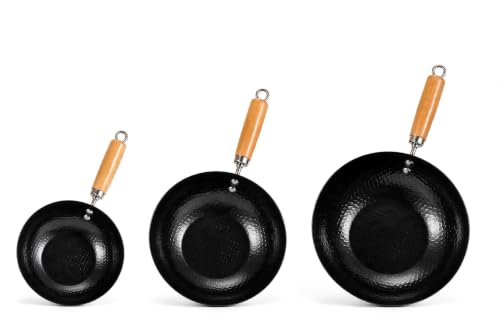


Quick Answer: How Carbon Steel Sets Differ at a Glance
Starter sets hold two or three skillets and suit couples and small kitchens. Core sets add a larger skillet or a roasting pan, which helps families cooking several portions at once. Expanded sets add specialty pieces such as a wok or a griddle, and they make sense only when you already cook those foods often.
The steel behaves much the same across all three groups. The real differences are piece count, pan diameter, weight, handle comfort, and whether the pans arrive preseasoned or bare.
Before You Buy: A Quick Checklist for Choosing a Cookware Set
A carbon steel cookware set is a long term purchase, so a few minutes of measuring now will save you money and cabinet space.
Size: Match It to Your Space
Measure your largest burner, then check that the biggest pan sits flat on it without crowding the burner beside it. A skillet around 10 to 12 inches across covers most family cooking, while an 8 inch pan handles eggs and single portions. Next, open the cabinet where the set will live. These pans stack well, but long handles can defeat a shallow drawer, so a smaller set you can store easily beats a large set stacked in the oven.
Which Pieces Fit Your Routine
List the meals you cook in a normal week, then match pieces to that list. If you fry, sear, and saute most days, skillets in two sizes may be all you need. Homes that simmer sauces and boil pasta will still need lidded pots, which carbon steel sets rarely include, so many cooks pair the pans with pots they already own. If that sounds like extra work, compare first. A best stainless steel cookware set covers pots and pans in one box, a best nonstick cookware set suits gentle cooking, and a best ceramic cookware set appeals if you prefer a coated surface.
Features Worth Paying For and Ones to Skip
Thicker steel is worth paying for, since it holds heat evenly and resists warping on strong burners. A helper handle on the largest skillet is worth it too, because a full pan is heavy and two hands make moving it safer. Smooth rivets or welded handles matter, since food wipes off them easily. Skip extras you will not touch, such as tiny pans with no clear job and piece counts padded out with utensils. Lids add cost and storage bulk, since most carbon steel cooking is done open.
Coatings, Safety, and What Carbon Steel Is Made Of
Carbon steel is simply iron with a small amount of carbon added, and the surface carries no synthetic coating at all. There is no PFAS or PTFE layer to wear out, chip, or overheat, which is a key reason many cooks choose it. The slick surface comes from seasoning, a layer of oil baked onto the steel through normal cooking. Preseasoned sets arrive with that layer started, while bare sets need a few seasoning rounds before eggs slide freely.
Induction, Gas, and Glass Top Compatibility
Carbon steel contains iron, so it works on induction as well as on gas and electric burners. The catch is flatness. A pan with a bowed base can spin or buzz on a glass top and heat unevenly on induction, so look for flat, machined bases. On a glass top, lift the pan rather than sliding it, since the steel base can mark the surface over time.
Oven Safe Temperature and Handles
Most carbon steel pans go from stove to oven, and many tolerate the broiler, which helps when finishing steaks or frittatas. The limit usually sits with the handle. Plain steel handles take oven heat fine, while silicone grips or wooden parts often carry a lower stated limit, so read that number before buying. A handle that curves up slightly keeps your knuckles clear of the pan edge, and a hanging hole helps if your cabinets are full.
Realistic Budget Ranges
Small starter sets often cost under $100, a sensible way to learn seasoning before committing more money. Core sets for family cooking usually land at about $100 to $250, with thicker steel and better finished handles as you move up. Expanded sets can run about $250 to $500. Spending more mainly buys thicker steel and smoother finishing, not a longer lasting coating, because there is no coating to replace.
Types of Carbon Steel Cookware Sets Compared
Since the steel is similar across price points, choosing a type is really about fit. These three types cover nearly every home.
Starter Sets for One or Two People
A starter set usually pairs a small skillet with a medium one, covering eggs, grilled sandwiches, leftovers, and a chicken breast or two. For a single cook or a couple, that pairing handles most weeknight meals without filling a cabinet. These sets also carry the lowest cost of entry, which matters if you are new to seasoning and want to learn on two pans rather than six.
Core Sets for Family Cooking
Core sets add a large skillet, often 12 inches or more, and sometimes a roasting pan or a second medium pan. That extra width lets you brown meat in a single layer instead of crowding it, and crowding is what steams food instead of searing it. For a household of three to five people, this is usually the most useful type. The trade off is weight. A large skillet full of food takes two hands, so check the listed weight before you buy.
Expanded Sets for Cooks Who Sear and Roast Often
Expanded sets add pieces beyond skillets, such as a wok, a flat crepe pan, a griddle that spans two burners, or a deep roasting pan. Buy this type only when those dishes already appear in your weekly cooking, because each added piece needs storage and its own seasoning upkeep. The upside is real for the right cook. A carbon steel wok holds up to the tossing and high heat stir frying demands.
How to Judge a Set Before You Order
Judge every set on the same five points. Check heat response through steel thickness, since thicker pans heat slower but hold a steadier temperature. Judge durability by the handle attachment and the stated gauge. Confirm stove and oven compatibility against your own kitchen, not a generic claim. Weigh the cleaning routine honestly, because carbon steel asks for hand washing and quick drying. Finally, scan buyer comments for repeated notes about warping, and treat a pattern of complaints as more useful than one glowing review.
Pros and Cons Compared With Other Materials
Carbon steel sears as hard as heavier pans while staying light enough to toss vegetables with one hand. It survives metal utensils and decades of daily use, and a worn surface can be seasoned again rather than thrown away. Compared with the pans covered in our guide to carbon steel vs cast iron, carbon steel heats and cools faster and weighs less, which suits cooks who adjust burner heat often.
The trade offs are upkeep and appearance. Carbon steel needs seasoning, it dislikes long soaks, and acidic sauces simmered for hours will strip the seasoning layer. The surface also changes color with use, developing dark patches that are normal but not the uniform look some buyers expect. If you want pans that go in the dishwasher and look unchanged in five years, a different finish will suit you better.
Common Mistakes to Avoid
- Buying the largest set on sale, then storing half the pieces untouched while the pans you use fight for burner space.
- Choosing pan sizes that exceed your burners, which leaves edges undercooked and handles too hot to grab safely.
- Skipping the first seasoning rounds on a bare set, then blaming the steel when eggs stick during the first week.
- Soaking the pans after dinner or running them through the dishwasher, both of which strip seasoning and invite rust.
- Judging a set by piece count alone, when utensils and tiny pans pad the number without adding cooking value.
Cost of Ownership and Care
Ongoing costs are refreshingly small. There is no coating to replace and no special cleaner to buy, just a neutral cooking oil for seasoning, a stiff brush, and a few minutes after each wash. Wash the pan with hot water, dry it on a warm burner, and wipe on the thinnest film of oil if the surface looks dry. Store pans with a cloth sheet between them if you stack them, which keeps the seasoning from getting scuffed. A light rust spot is not the end of the pan. Scrub it off, dry well, and season the spot again.
FAQ
What pieces should a carbon steel cookware set include for a family of four?
Look for two skillets in different sizes plus one larger pan for batch cooking. The medium skillet covers eggs and reheating, the large one browns a full round of chicken, and the third piece handles overflow on busy nights. One detail buyers miss is handle length. Longer handles balance a loaded pan better but need deeper storage, so measure your drawer depth against the full pan length, handle included, before ordering.
Does cooking tomato sauce harm a carbon steel pan?
A quick tomato based sauce will not harm the steel itself, and the pan cooks it perfectly well. What acid does is soften and slowly remove seasoning, so a long simmer can leave the surface dull and more prone to sticking afterward. The fix is simple. Cook a few fatty meals next, or do one quick round of stovetop seasoning, and the slick layer rebuilds. If you simmer acidic sauces weekly, keep one stainless pot for that job.
Why does food stick to a new carbon steel pan?
Sticking in the first weeks usually comes from heat timing, not the pan. Carbon steel needs a short preheat until the surface feels evenly hot, then oil, then the food. Food dropped into a cold pan bonds to the metal before the surface can release it. Protein also grips at first and lets go once a crust forms, so give it a minute instead of forcing it loose. As seasoning builds, sticking fades fast.
Can you wash carbon steel pans with soap?
Yes, a small amount of mild soap with a soft brush is fine for everyday washing and will not strip a healthy layer of seasoning. The old warning against soap dates from harsher cleaners no longer typical in home kitchens. What matters more is what happens after washing. Dry the pan right away, ideally on a warm burner, and never leave it sitting wet in the sink. Long soaking, not soap, is the real enemy.
How do you season a carbon steel pan the first time?
Wash and dry the new pan fully, then warm it on the stove. Rub in a drop of oil with a cloth until the surface looks almost dry, since a thick layer turns sticky instead of hardening. Heat the pan until the oil just begins to smoke, let it cool, and repeat two or three times. Turning the pan upside down in a warm oven keeps oil from pooling in the middle.
Final Thoughts
The right set matches your burners, your storage, and the meals you actually cook, in the fewest pieces that cover those meals well. Start with the checklist above, compare the three types against the product table, and pick the size group that fits your household instead of the biggest box on offer. Choosing the best carbon steel cookware set gives you pans that sear hard, last for decades, and ask only a few minutes of care in return. If you are still weighing materials, our guide to the best cookware set options lays out the wider field.


