
Best Carbon Mountain Bike under 3000: Budget, Midrange, and Premium Tiers for 2026
Disclosure: We may earn a commission when you buy through links on this page, at no extra cost to you. As an Amazon Associate I earn from qualifying purchases. Learn more

Learn what the best carbon mountain bike under 3000 should include at each price level, which features matter, and where to save without regret.
Prices for carbon mountain bikes spread widely, and two bikes at the same figure can spend that money in very different places. This guide shows where each price level puts the money, so you can judge any best carbon mountain bike under 3000 candidate by frame, suspension and brakes rather than by headline weight.
Decide your ceiling first, then use the tier guide and the product table to see which level gives you the parts you will still value in year three.
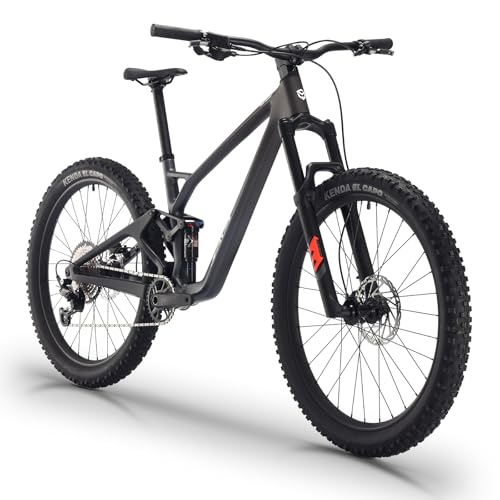
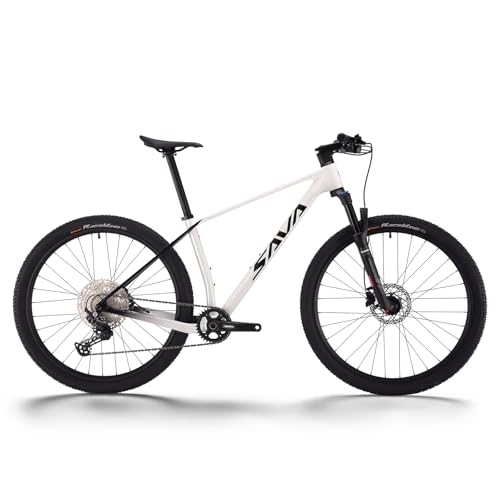
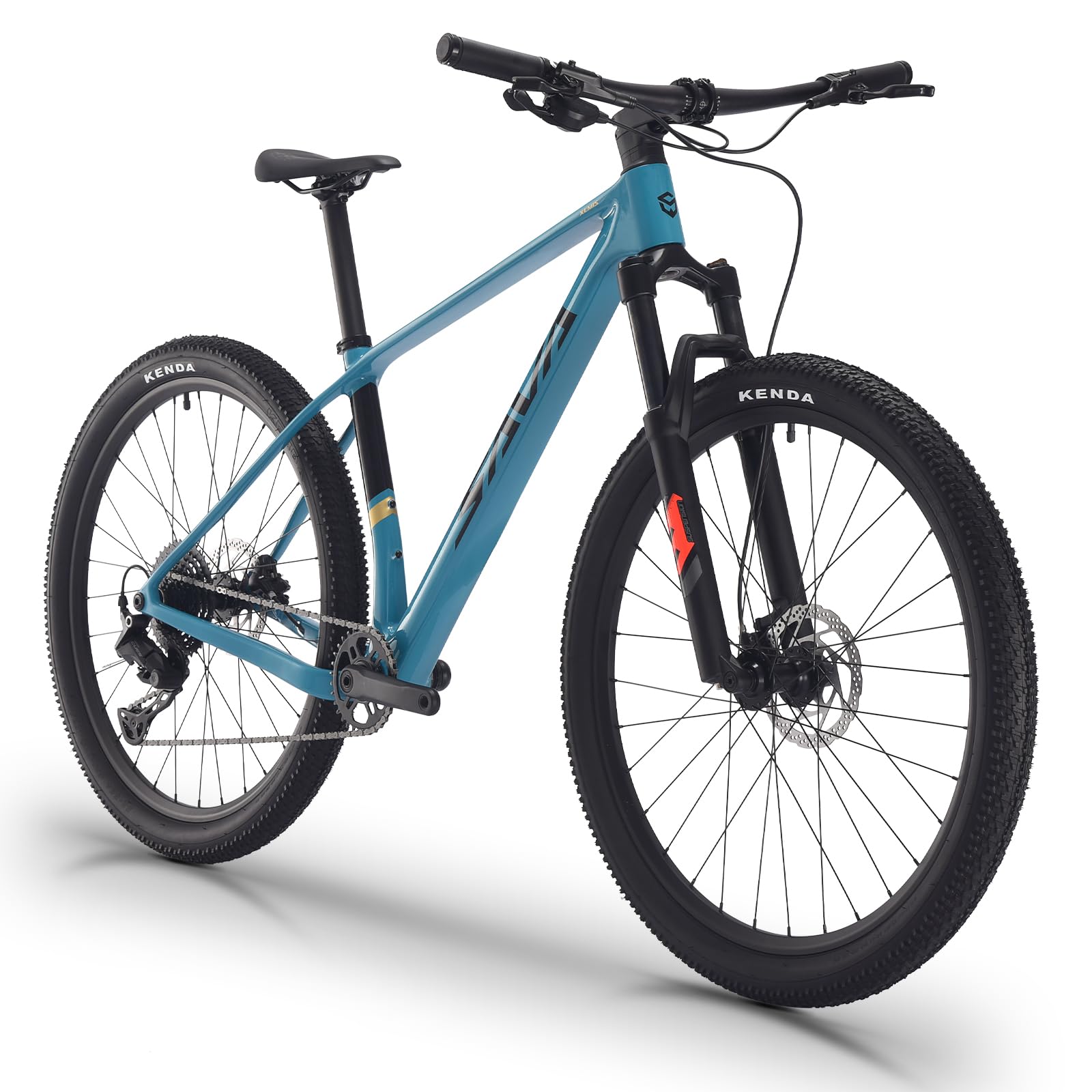

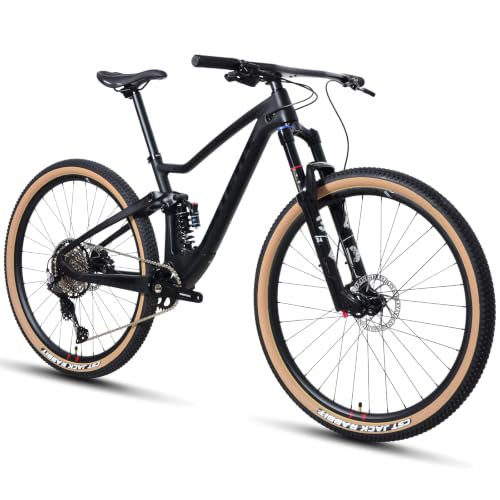
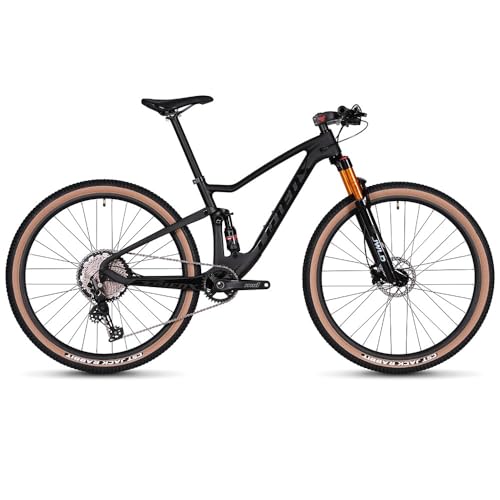
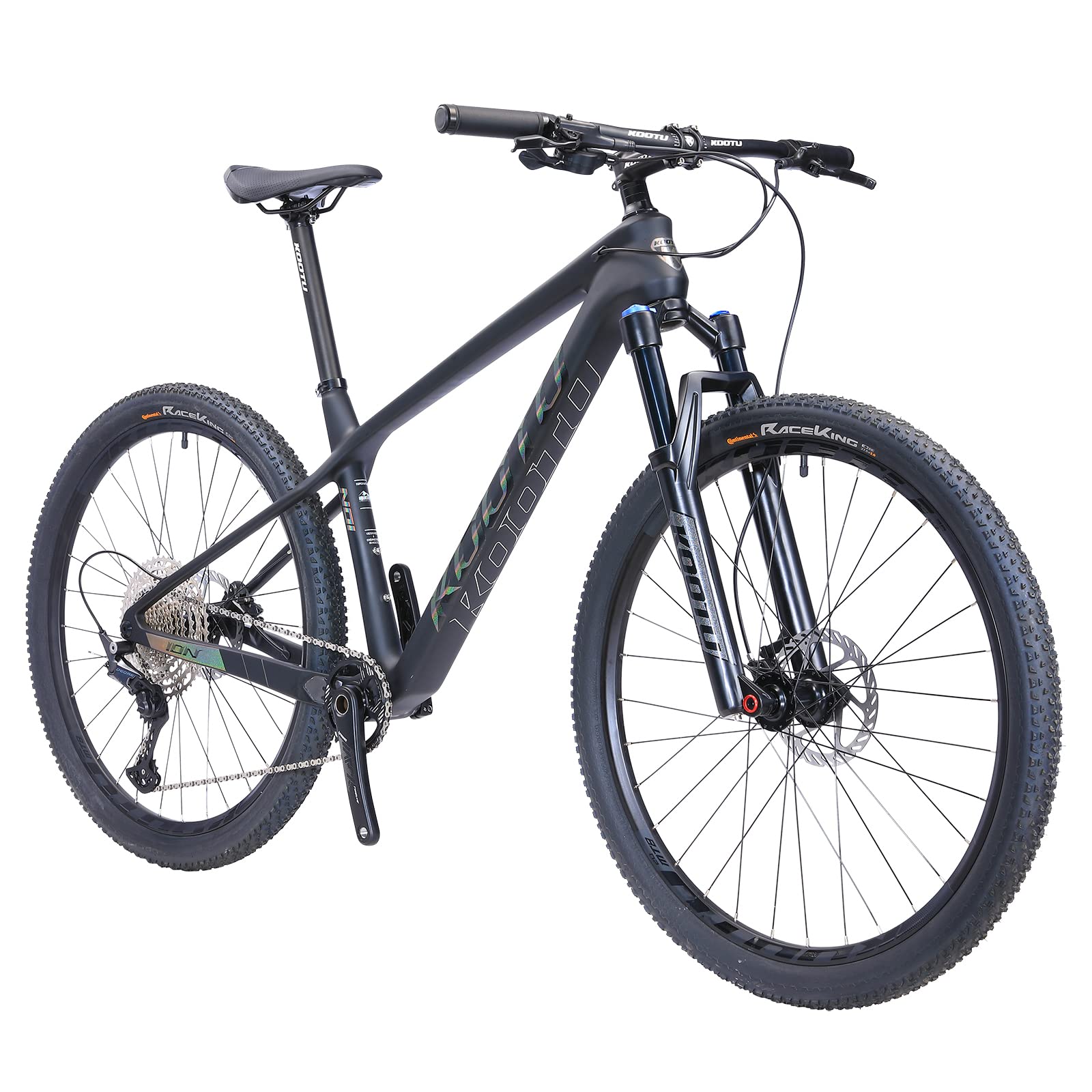


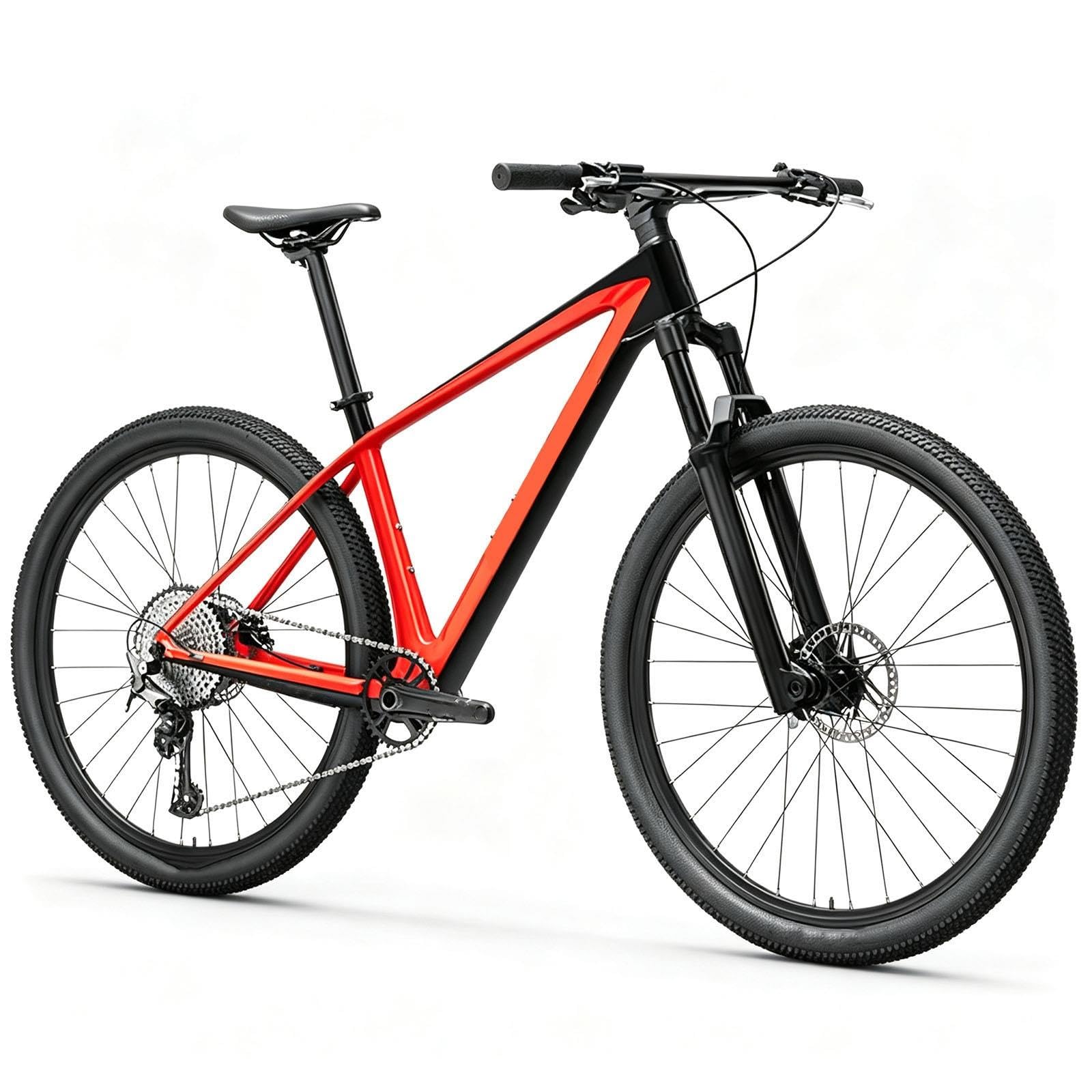
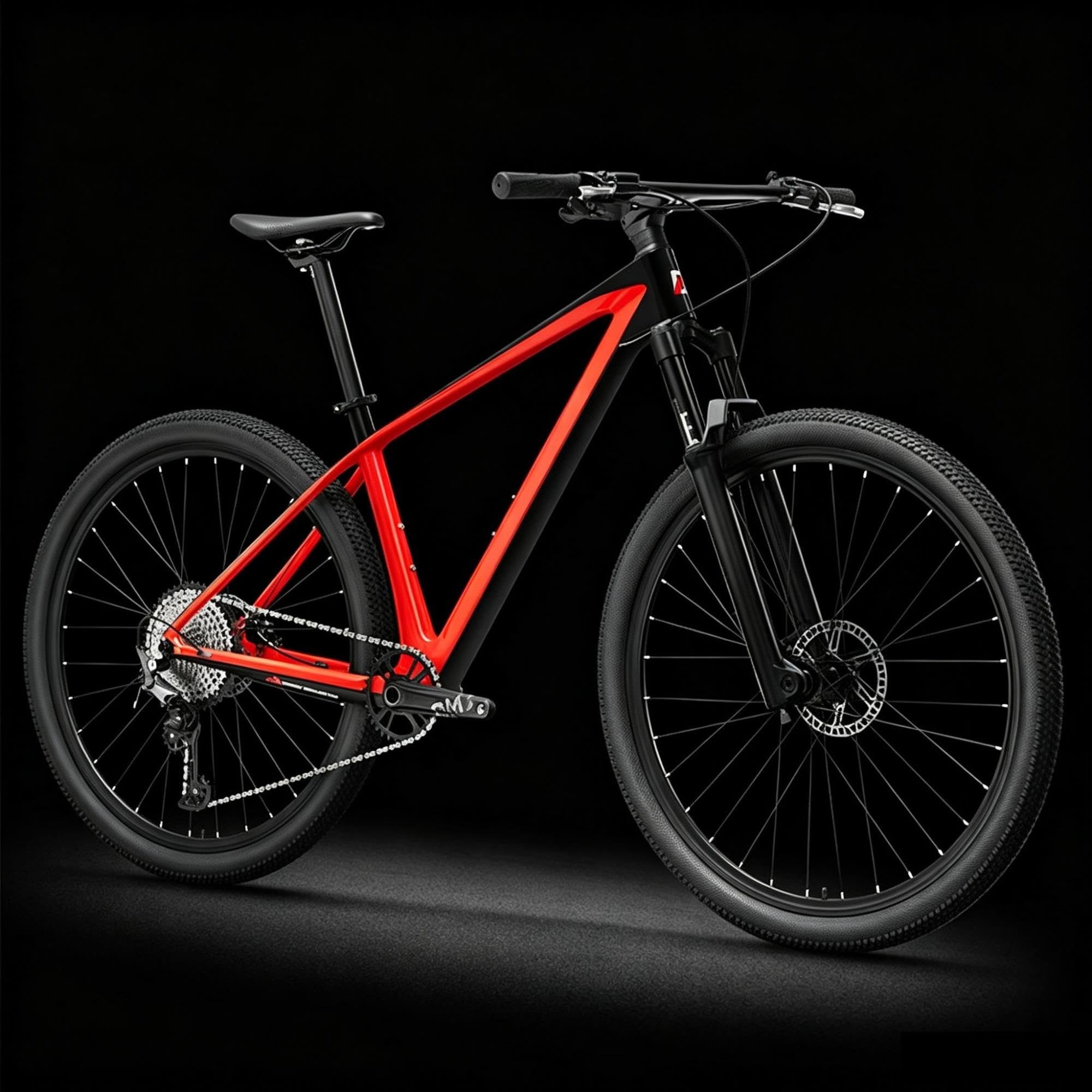
Three Budget Profiles Worth Looking For
These profiles describe what a sound bike looks like at each level. Use them as templates when you scan the product table, and reject any bike that misses the safety parts of its own tier.
Budget Profile
The budget profile suits a first carbon buyer who rides local trails one or two days a week. Around $1500 to $2000, look for a carbon hardtail frame or an entry full suspension frame with an alloy rear end, an air fork, hydraulic brakes and a single chainring drivetrain with a clutch. The accepted tradeoff is heavier wheels and a basic dropper post or none at all. What you should not accept is a coil fork with no rebound control or cable brakes, because those parts limit every ride and cost real money to replace within the first season.
Midrange Profile
The midrange profile suits riders who ride twice a week and want a bike that needs no urgent upgrades. Around $2000 to $2600, expect a full carbon or mostly carbon frame, air suspension at both ends on full suspension models, four piston or large rotor braking, tubeless ready wheels and a dropper post fitted as standard. Gearing should span a wide range with a low climbing gear. This is the level where fit options also improve, with more frame sizes and reach choices. The tradeoff is finishing kit weight, which matters far less than the strong core parts you get here.
Premium Profile
The premium profile suits experienced riders who keep a bike for many seasons and ride demanding trails. Around $2600 to $3000, the gains are lighter wheels, better suspension dampers with wider tune range, stronger tires and a frame warranty with clear crash support. Electronic shifting may appear on hardtails at this level, but it is not the reason to buy. Pay this much only if the frame geometry truly fits you, because premium parts on a poor fit still ride badly. One limit remains. The lightest race wheels and the top tier dampers still sit above this budget.
What Your Money Gets You at Each Price Tier
Tiers overlap between brands and sale seasons, so treat the figures as guides. The pattern is steady even when exact prices move.
Budget Tier: What to Expect
Budget carbon money buys the frame material and one or two strong parts, not a strong bike throughout. Makers often fit a good frame with wheels and tires chosen for price, so plan on a tire upgrade early if your trails are loose or wet. Hardtails dominate this tier because suspension linkage and a rear shock cost money that a hardtail spends on the fork and brakes instead. For many riders on smooth trails, that trade is smart. Compare the wider field in our guide to the best mountain bike for under 3000 if carbon is not essential to you.
Midrange Tier: The Sweet Spot for Most Buyers
Midrange is where carbon value peaks for most riders. The frame, suspension and brakes are all trail worthy at once, so the bike rides well with no part holding the rest back. You also gain tubeless wheels, which let you run lower pressure for grip and fewer pinch flats. Resale value holds up better here too, because second owners want the same balanced spec. If your budget can stretch from budget to midrange, that stretch usually buys more ride quality than any later single upgrade of the same cost.
Premium Tier: When Spending More Pays Off
Premium money pays off when you ride often enough to feel damper quality, wheel stiffness and tire compound on every outing. It also buys time, because stronger parts and better bearings last longer between services. It does not buy a different category of bike. A premium hardtail is still a hardtail on rough descents, and a premium cross country bike still has short travel. Riders whose trails are steep and rough may do better with a midrange enduro build, and our guide to the best enduro mountain bike under 3000 explains that geometry choice.
Features Worth Paying For (and Ones to Skip)
Some features repay their cost on every ride. Others add price and weight while solving problems you do not have.
What You Can Realistically Get Under $3000
You can realistically get a quality carbon frame, air suspension with rebound control, hydraulic brakes, a clutch drivetrain and tubeless ready wheels under $3000. You cannot expect the lightest carbon wheels, the highest tier dampers and electronic shifting all at once on a full suspension bike. Do not save money on the fork, brakes or frame fit to fund cosmetic extras. A carbon bar or a pricey saddle cannot fix a fork that dives or brakes that fade on your home descent.
Bike Type and Riding Style
Cross country bikes favor low weight and fast climbing on smoother trails. Trail bikes balance climbing and descending for most riders. Enduro bikes add travel and slack angles for steep ground at the cost of slow flat riding. Choose the category before the tier, because a premium bike in the wrong category is a worse buy than a budget bike in the right one. If most of your riding is on the road and gravel bikes in your group set the pace, a light hardtail will feel at home, while a long travel bike will feel like hard work.
Weight and Components Upgrade Path
Weight matters most in wheels and tires, where it affects pace changes and climbing feel. Frame weight gaps at this budget are small and rarely worth a weaker parts list. Check the upgrade path before you buy. Standard tapered steerers, common bottom bracket types and replaceable derailleur hangers keep future choices open. A bike that accepts wider tires and a longer dropper post can grow with your skill. Avoid rare standards even at a discount, because one scarce part can sideline the bike for weeks during peak season.
Suspension (Hardtail vs Full Suspension) and Travel
A hardtail gives you a better fork and lighter build for the same money, and it suits smooth trails, winter training and riders who value simple care. Full suspension adds grip and comfort on roots and rocks, with about 120 to 150 mm of travel covering most trail riding. Under $3000 the choice is real, because budget full suspension parts can feel vague. Our guide to the best carbon full suspension mountain bike under 3000 sets out the checklist for judging those builds. Pick rear suspension only if your trails truly reward it.
Brakes (Hydraulic vs Mechanical Disc)
Hydraulic disc brakes are worth paying for at every tier. They stop hard with one finger, work in rain and need less hand force on long descents, which delays arm fatigue. Mechanical disc brakes appear only on the cheapest builds and should be a reason to move up a tier or choose a hardtail instead. Rotor size matters too. Heavier riders and steep terrain call for a 200 mm front rotor or four piston calipers. Try a slow speed hold on a slope during a test ride to feel lever control before you commit.
Long Term Costs to Factor In
The purchase price is only the start. Budget for pedals if the bike ships without them, plus a helmet, a floor pump, a spare tube, tire sealant and a basic tool set. Full suspension bikes add shock and linkage service, usually once a year, and hardtails still need chain, cassette and brake pad replacement as miles build. Tires are a yearly cost for frequent riders. A frame warranty with fair crash pricing lowers risk, so read its terms as part of the price. Total cost over three years often favors the midrange bike that needs fewer early upgrades.
Carbon Mountain Bikes: Your Questions Answered
Can you get a good carbon mountain bike under $3000?
Yes, a good carbon mountain bike under $3000 is realistic, especially in the midrange tier and in hardtail form. The frame and core parts can be fully trail worthy at this price. What you give up is the lightest wheels and top tier dampers. An extra route is a prior season color of the same frame, which often sells for less with identical parts. Check that the size you need is in stock before you wait, because sale sizes sell out first.
Hardtail or full suspension for beginners?
A hardtail is the better first buy for most beginners on smooth to moderate trails, because more of the budget reaches the fork, brakes and fit. Full suspension helps sooner if your local trails are rocky and root filled, since it keeps the rear tire in contact with the ground. Beginners also learn line choice faster on a hardtail. Whichever you choose, a dropper post helps new riders descend with confidence and is worth funding before cosmetic upgrades.
What size bike do I need?
Use your height to start with the maker chart, then confirm reach and standover in person. You want clear space over the top tube, softly bent elbows at the bars and full use of the dropper post without the saddle hitting the tire at full drop. Riders between sizes usually prefer the smaller frame for tight trails and the larger for open fast ground. Bring your normal riding shoes to a test ride, because sole height changes both standover feel and saddle height.
Is carbon worth the extra cost over alloy under $3000?
Carbon is worth it if you value a lighter and stiffer frame with a calmer feel over small trail buzz, and if the parts list stays strong. It is not worth it when the carbon frame forces cable brakes, a coil fork or wheels you must replace at once. Alloy bikes at this price often carry better parts throughout. A practical test is to compare total weight and brake and fork spec side by side. If the alloy bike wins on all three, buy the alloy bike.
Should I consider an electric mountain bike at this budget instead?
Only if motor help is the main reason you ride, because at under $3000 an electric model spends much of the budget on the motor and battery and usually gives up carbon and suspension quality. Pedal bikes at this price ride lighter and need simpler care. If you do cross shop, our guide to the best electric mountain bike under 3000 explains motor classes and range. Also confirm that your trails allow electric bikes before you spend, because access rules vary by land manager.
Our Verdict
For most riders the midrange tier is the wise spend, with budget hardtails close behind on smooth trails and premium builds justified only by heavy use. Judge any best carbon mountain bike under 3000 option by fit, fork and brakes first, then compare the survivors in the product table.


