
Best All Mountain Bike under 3000 Made Simple: A Clear Buying Guide for 2026
Disclosure: We may earn a commission when you buy through links on this page, at no extra cost to you. As an Amazon Associate I earn from qualifying purchases. Learn more

Shopping for the best all mountain bike under 3000 for the first time? Learn the terms, compare options, and avoid rookie mistakes with this easy guide.
Buying your first trail bike can feel like reading a foreign language, with travel numbers, wheel sizes, and gear ranges all competing for your attention. This guide slows all of that down and walks you from the basic terms to a confident decision, one step at a time. By the end you will know what the best all mountain bike under 3000 should include, what you can safely skip, and how to match a bike to the trails you actually plan to ride.
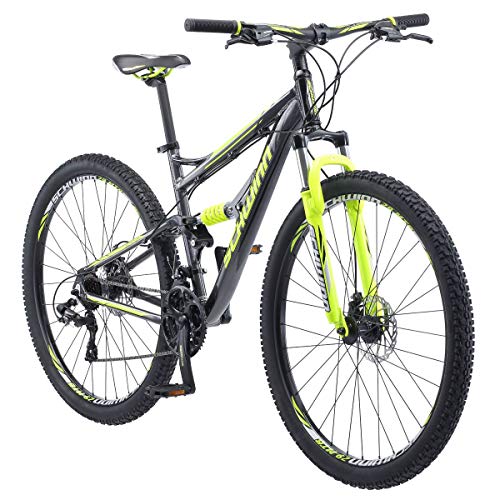
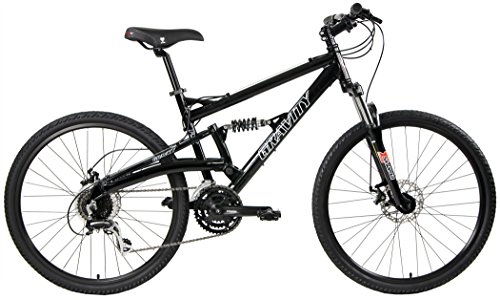
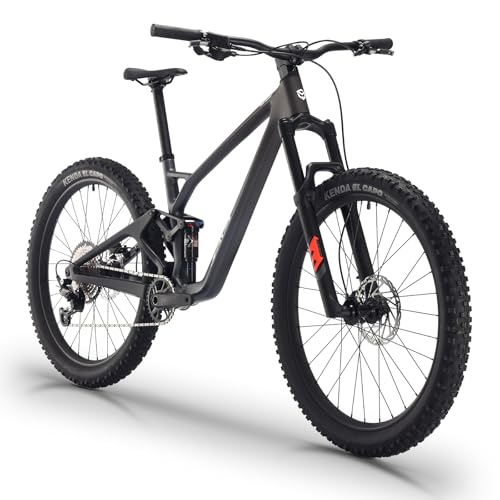
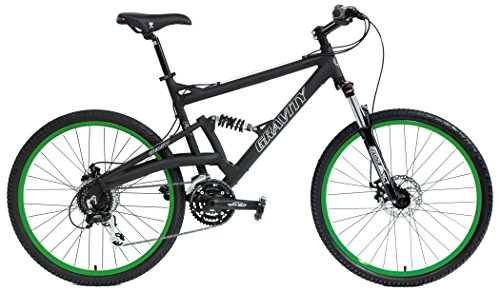
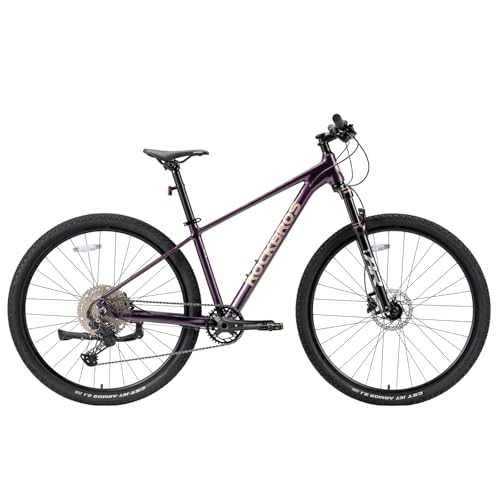
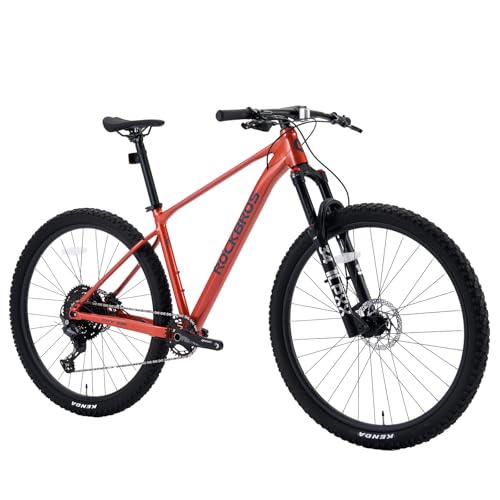
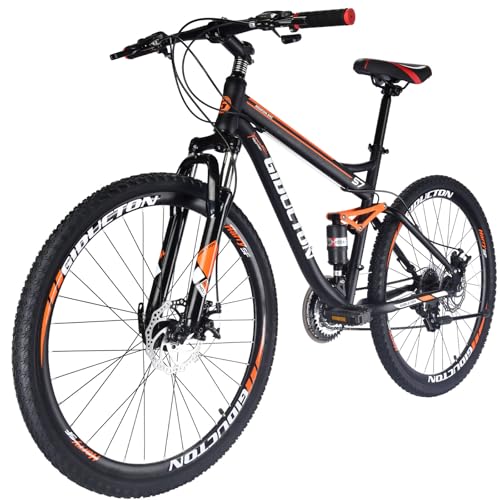
All mountain is the middle ground of mountain biking, built for climbing to the top and descending with control on the way back down. The comparison table below gathers current options in this price range so you can scan frame sizes, travel, and brakes side by side once the terms make sense. Read the sections first, then use the table with fresh eyes.



Mountain Bikes 101: The Basics
A mountain bike is built for dirt, roots, rocks, and loose surfaces rather than smooth pavement. It has wide knobby tires for grip, a strong frame that can take impacts, and suspension that absorbs bumps so your hands and body stay calmer on rough ground. Gears are low and wide ranging, which helps you climb steep trails at a slow and steady pace.
An all mountain bike sits between light cross country bikes and heavy downhill bikes. Suspension travel, the distance the wheels can move up and down, usually lands around 130 to 150 mm. That is enough to handle rock gardens and small drops, yet the bike still pedals uphill without feeling like a couch. Most models at this price use full suspension, meaning a fork up front and a shock at the rear, though some simpler hardtail models with only a front fork also appear.
A few terms will follow you through every listing. The drivetrain is the chain, gears, and shifters that move you forward. Hydraulic disc brakes use fluid to squeeze pads against a rotor on each wheel. Tubeless tires run without an inner tube, sealed with liquid sealant, so small thorns often plug themselves. Keep these basics in mind and the spec sheets get much friendlier.
Key Specs Explained in Plain English
What You Can Realistically Get Under $3000
At around $2000 to $3000 you can expect an aluminum frame, a quality air fork, a rear shock with basic rebound adjustment, and hydraulic disc brakes. A wide range 1x drivetrain, meaning a single front chainring, is standard and keeps shifting simple. Wheels are usually tubeless ready, and many bikes include a dropper post that lowers the saddle with a lever so you can move freely on descents. What gets trimmed at this price is weight and fine tuning. Carbon frames are rare, electronic shifting is absent, and house brand wheels and tires may be heavier than premium ones. Do not save money on brakes or the fork, because those two parts shape your safety and comfort on every single ride.
Bike Type and Riding Style
Cross country bikes are light and fast, built for smooth trails and long climbs, but they feel nervous on steep descents. Trail and all mountain bikes add travel, slacker angles, and stronger brakes, trading a little climbing speed for a lot of confidence. Enduro bikes go further toward descending, with around 160 mm of travel, and they pedal uphill more slowly. If you think you will race gravity days often, read our guide to the best enduro mountain bike under 3000 before you decide. Road and gravel bikes belong on pavement and dirt roads, not rocky trails, and a commuter e bike suits city trips rather than mountain terrain. For most first time trail riders, the all mountain category is the honest middle.
Wheel Size and Tires
Most bikes here roll on 29 inch wheels, which carry speed over rocks and roots because the larger circle meets obstacles at a gentler angle. Smaller 27.5 inch wheels turn more quickly and suit shorter riders or very tight, twisty trails. Some models mix sizes, with a 29 inch wheel in front and a 27.5 inch wheel in back, for a blend of roll over ability and agility. Tire width around 2.4 to 2.6 inches gives a good balance of grip and rolling speed. Look for tubeless ready rims and tires, since running lower pressure without tubes improves traction and reduces flats. Tread matters too. Tall, spaced knobs bite in mud and loose dirt, while shorter, tighter knobs roll faster on hard packed trails.
Brakes (Hydraulic vs Mechanical Disc)
Hydraulic disc brakes are the clear choice at this price. A small squeeze of the lever creates strong, even stopping power, and the system adjusts itself as pads wear. Mechanical disc brakes pull a cable instead, which stretches over time and needs more hand force, so they belong on much cheaper bikes. Rotor size matters as well. Look for a 200 mm rotor in front and 180 mm in back on all mountain models, because bigger rotors shed heat on long descents and resist fading. Four piston calipers, common at this budget, grip harder than two piston designs and suit heavier riders. One habit helps: bed in new pads by riding to moderate speed and braking firmly about ten times per wheel, never coming to a full stop, so the pads coat the rotor evenly.
Frame Material and Geometry
Aluminum is the standard frame material under $3000, and it is a good one: stiff, durable, and far cheaper to repair or replace than carbon. Carbon saves weight and can smooth vibration, but it usually pushes the price past this budget or forces weaker parts elsewhere. Steel is tough and comfortable yet heavy, and it shows up mostly on niche hardtail mountain bikes. Geometry is the set of angles and lengths that decide how a bike feels. A head angle around 64 to 66 degrees feels stable and calm on steep descents, while a steeper angle feels twitchy. Reach, the horizontal distance from the bottom bracket to the top of the head tube, grows with frame size and should match your torso and arm length. Use the brand size chart with your height and inseam, and favor the size that gives you comfortable reach over a size picked by height alone.
Picking the Right Mountain Bikes for Different Uses
Best All Mountain Bike for under 3000: Tips for First Time Buyers
When you search for the best all mountain bike for under 3000, the word for is doing real work: the bike must fit your trails, not a magazine fantasy. Prioritize three things. First, suspension travel near 140 mm suits the widest mix of climbing and descending. Second, a dropper post and hydraulic brakes should be included, not future upgrades. Third, buy from a brand or shop that will help with frame size and first adjustments. If most of your riding is smoother and faster, compare the options in our guide to the best trail mountain bike under 3000, which lean lighter and climb with less effort.
Best Do It All Mountain Bike under 3000: Tips for First Time Buyers
A best do it all mountain bike under 3000 has to climb fire roads on Saturday, handle a rocky descent on Sunday, and maybe roll to the trailhead on pavement. That breadth argues for the middle of every range: mid travel suspension, 29 inch wheels, and tires around 2.4 inches wide that grip dirt without dragging on hard surfaces. Avoid extremes at both ends. A feather light cross country build will feel harsh on rough descents, while a long travel enduro build will drain your legs on climbs. Riders who mostly chase lap times on smooth courses can look at our guide to the best xc mountain bike under 3000 instead, and accept the narrower focus that comes with it.
Rookie Mistakes to Avoid
- Buying the wrong frame size. A great bike in the wrong size hurts your knees, back, and control. Always check the size chart and your inseam before ordering.
- Chasing travel numbers. More suspension is not automatically better. Extra travel adds weight and dulls climbing, so match travel to your steepest regular trail.
- Ignoring the dropper post. Lowering your saddle for descents changes your control more than most upgrades. Treat it as required equipment, not a luxury.
- Forgetting the extras budget. A helmet, gloves, a pump, and a spare tube or plug kit add real cost. Set aside about $150 to $300 beyond the bike itself.
- Skipping the electric question. Some riders later wish they had considered motor help for steep climbs. If that sounds like you, read our guide to the best electric mountain bike under 3000 and its sibling guide to the best e mountain bike under 3000 before spending.
Getting Started: Setup and First Use
When the bike arrives, check that the wheels sit straight in the frame, the handlebar is tight, and the gears shift across the full range while the bike is on a stand or flipped carefully. Set suspension sag, the amount the suspension sinks under your weight, to about 25 to 30 percent of travel by adding or releasing air with a shock pump.
Two habits will protect your investment from day one. Check tire pressure before every ride, since tubeless tires lose air slowly and soft tires pinch or roll in corners. Clean and lube the chain every 100 to 200 miles, more often after muddy rides, using a rag and a bike specific lubricant. Start with short, familiar trails while you learn the brakes and the dropper lever, and increase distance gradually. Wear a helmet on every ride, carry water, and tell someone your route when you ride alone.
Frequently Asked Questions
Can you get a good mountain bike under $3000?
Yes, this budget buys a genuinely capable trail bike. You get full suspension, hydraulic brakes, a wide range drivetrain, and usually a dropper post, which covers everything most riders need. What you give up versus pricier bikes is mostly weight, fancier wheel materials, and small refinements in suspension feel. For local trails and weekend trips, the difference is modest, and smart setup matters more than the last few hundred dollars of parts.
Hardtail or full suspension for beginners?
Full suspension suits most beginners who ride rocky or rooty trails, because the rear shock keeps the tire on the ground and forgives poor line choices. A hardtail costs less, weighs less, and teaches smooth riding, and it is a fine pick for smooth trails and tight budgets. If your local trails are rough, choose full suspension. If they are gentle and your budget is firm, a hardtail leaves money for a helmet, shoes, and a quality pump.
How much should I spend on my first bike?
Spend enough to get hydraulic brakes, an air fork, and a 1x drivetrain, which usually means about $1500 to $3000 for a full suspension trail bike. Below that range you trade away safety and comfort parts that are costly to upgrade later. Above it, gains shrink for a new rider. Also reserve money for a helmet, a floor pump with a gauge, and basic tools. A slightly cheaper bike plus good gear beats a premium bike ridden without a helmet every time.
What size bike do I need?
Start with your height and inseam on the brand size chart, then confirm standover clearance, meaning you can stand over the top tube with a small gap. Reach is the second check: on the bike, your arms should hold a slight bend with relaxed shoulders. Between sizes, shorter riders often prefer the smaller frame for control, while taller riders may size up for stability. A short parking lot ride or a shop fit session settles doubts better than any chart, so use one when you can.
Our Verdict
The smartest first purchase focuses on three things: a frame size that truly fits, hydraulic brakes with large rotors, and suspension set up with correct sag. Wheel size, tire tread, and drivetrain range then fine tune the bike to your trails. Use the product table above to compare current models against that short list, and let your steepest regular trail, not the most extreme one you can imagine, guide the travel you choose. Chosen with those priorities, the best all mountain bike under 3000 will serve you for years of learning, climbing, and descending with confidence.


