
Best Carbon Full Suspension Mountain Bike under 3000: What Actually Matters Before You Buy for 2026
Disclosure: We may earn a commission when you buy through links on this page, at no extra cost to you. As an Amazon Associate I earn from qualifying purchases. Learn more

Learn how to choose the best carbon full suspension mountain bike under 3000 with clear criteria for travel, fit, brakes, gears and lasting value.
A carbon frame at this budget is only a win if the parts around it hold up on real trails. This guide uses a simple scoring checklist so you can judge any best carbon full suspension mountain bike under 3000 candidate on travel, fit, braking, gearing and support, rather than on paint or marketing claims.
Work through the criteria in order, note where a bike passes or falls short, and use the product table to compare the short list that survives your own checks.
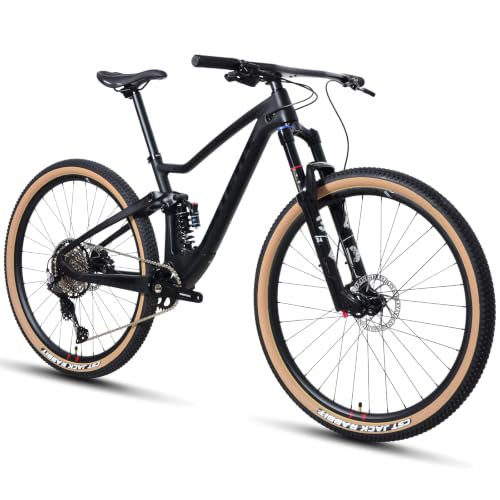
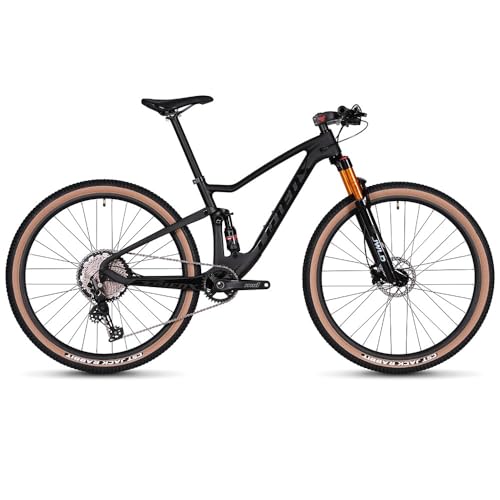


How to Evaluate a Carbon Full Suspension Mountain Bike
Score each bike on the six areas below. A strong frame with weak brakes or a poor fit should not pass, because those flaws show up on the first steep descent and are costly to fix later.
What You Can Realistically Get Under $3000
At around $2000 to $3000 you can expect a genuine carbon front triangle or full carbon frame, an air fork and rear shock with lockout or firm settings, and hydraulic brakes. You will usually give up the lightest wheels, electronic shifting and the highest tier suspension dampers. Do not accept a carbon badge paired with a coil shock that lacks rebound control or with cable brakes, because the frame saving means little if control parts are entry level. Spend first on suspension tune range and brakes, then on weight.
Bike Type and Riding Style
Match travel to your trails before anything else. Cross country bikes use about 100 to 120 mm of travel and climb fast on smooth climbs and race courses. Trail bikes use about 130 to 150 mm and suit most riders who climb and descend in equal measure. Enduro bikes use about 150 to 170 mm for steep and rough descents, but they feel slow on flat ground. If you also ride road and gravel bikes, a short travel trail bike will feel closest at home. Riders comparing formats can also see our guide to the best full suspension mountain bike under 3000 for non carbon options at the same budget.
Drivetrain and Gearing
A single chainring drivetrain with a wide range cassette is the standard to look for, because it shifts cleanly under load and drops fewer chains on rough ground. Check the easiest gear for your steepest climb and the hardest gear for fast fire roads. A clutch rear derailleur is essential, not optional. Cable routing should allow a full housing run or clean internal guides, so replacement is simple. Worn chainrings and cassettes add real cost, so ask about spare part prices and local availability before you buy, especially for less common groupsets.
Brakes (Hydraulic vs Mechanical Disc)
Hydraulic disc brakes are the pass mark here. They give strong stopping with light lever effort and they adjust pad contact automatically as pads wear. Mechanical disc brakes rely on one moving pad and feel wooden on long descents. Look for rotors of at least 180 mm at the front, metal pads for wet or steep terrain, and lever reach adjustment that suits your hand size. A practical test is to hold a slow speed on a steep slope using one finger only. If you need a full hand grip, the brake setup is not good enough.
Sizing and Fit
Use reach and standover height, not just frame size labels. Your height gives a starting size, but torso and leg length decide the final call. You should be able to stand over the top tube with clear space, drop the saddle fully without it hitting the rear tire, and reach the bars without locked elbows. A dropper post with at least 125 mm of travel helps most riders, and longer is better for steep ground. If you sit between sizes, the smaller frame usually feels more agile on tight trails.
Three Build Profiles for a Carbon Full Suspension Mountain Bike Under 3000
Instead of chasing names, look for one of these three profiles in the product table. Each profile describes who it suits, what must be present, and what tradeoff to accept.
Balanced Trail Build
The balanced build suits riders who climb, descend and ride all week on mixed trails. It pairs a trail geometry frame with about 140 mm of travel, four piston front braking or large rotors, a wide range single chainring drivetrain and tubeless ready wheels. The tradeoff is weight, since solid parts add grams over race builds. This profile should also include a frame warranty of at least five years and common bearing sizes, so a local shop can service the linkage without special orders. If a bike matches this shape, it rarely needs upgrades in the first season.
Budget Carbon Build
The budget build suits riders who want carbon stiffness without paying for the lightest finishing kit. It keeps the same frame quality, hydraulic brakes and air suspension as the balanced build, but uses heavier wheels, an alloy bar and a simpler dropper post. Those parts are easy to change later as they wear. The limit to accept is slower steering from heavier tires, not weaker safety parts. Cross country riders working to a strict budget may also read our guide to the best full suspension xc mountain bike under 3000 for shorter travel builds.
Descent Focused Build
The descent focused build suits riders whose local descents are steep, rocky or full of roots. It adds a slacker head angle, a longer reach, sticky tire compounds and a shock with extra volume spacers you can tune for big hits. Climbing will feel slower and the front wheel may wander on very steep pitches unless you weight it with intent. The strength is calm control at speed. Accept that tradeoff only if most of your riding rewards it, because a calm descender that you dread climbing will stay in the garage.
Quick Buyer Checklist
Answer yes or no before you pay. Any no on fit, brakes or warranty should stop the purchase until you resolve it.
- Does the travel range match the trails you ride most weeks?
- Can you stand over the frame and use the full dropper post travel?
- Are the brakes hydraulic with rotors sized for your weight and terrain?
- Does the easiest gear let you climb your steepest local hill without walking?
- Are the wheels tubeless ready and are spare spokes and hangers easy to get?
- Is the frame warranty clear, and does it cover the rear triangle as well?
- Have you added the cost of pedals, a helmet, a pump and basic tools?
Shoppers who phrase the same budget another way can also check the best full suspension mountain bike under 3000 dollars guide for extra budget notes.
Red Flags to Watch For
Vague suspension names with no published travel, tune range or service interval are a warning sign. So is a carbon frame sold with no torque values for linkage bolts, because over tightening can crack the material. Be cautious if reviews cluster on one date, if the warranty is under two years, or if the seller cannot name the shock and fork models fitted. Another flag is a weight claim with no frame size stated. Finally, avoid bikes that use rare bearing or axle standards unless a local shop confirms parts in stock. Riders who want the wider carbon picture can read the best full suspension carbon mountain bike guide next.
Setup and Care Tips
Set sag before your first trail ride. Aim for about 25 to 30 percent at the rear and 20 to 25 percent at the fork, then adjust one click at a time. Check tire pressure before every ride, since carbon rims and tubeless tires lose air slowly. Clean and lube the chain every 100 to 200 miles, wipe carbon parts with mild soap only, and use a torque wrench on all frame bolts. Book a professional tune up yearly, and ask the shop to check linkage bearings at the same visit.
Frequently Asked Questions
Can you get a good carbon full suspension mountain bike under $3000?
Yes, you can, if you accept solid mid tier parts instead of the lightest kit. The frame, air suspension and hydraulic brakes can all be genuinely good at this price. What you give up is mostly wheel weight, electronic shifting and small comfort extras. One extra point is timing. End of season stock and prior year colors often bring a stronger frame into budget, so check sizing availability before you settle for a weaker current color.
What size bike do I need?
Start with the maker size chart for your height, then confirm with reach and standover in person if you can. If your torso is long for your height, you may need the larger size with a shorter stem. If your legs are long, check that the seat tube allows full leg extension without the post passing its minimum insert line. Saddle height alone is not a fit check, so also confirm that bar height feels neutral for your wrists on a short test roll.
How much should I spend on my first bike?
Spend enough to get hydraulic brakes, air suspension and a frame that fits, even if that means waiting for a sale. Below that level you pay again in upgrades within a year. Keep about 10 percent of your budget aside for pedals, shoes, a floor pump and a basic repair kit. First time buyers often forget a car rack or storage hooks, so include transport and home storage in the total before you stretch for a higher trim.
Wrapping Up
Fit, braking and travel matched to your trails matter more than a small weight saving. Use the checklist, reject any bike that fails those three, and compare the survivors in the product table. When a best carbon full suspension mountain bike under 3000 choice passes on all three, it will still feel right after the new bike shine fades.


