
Best Ceramic Planters (2026): Buying Guide
Disclosure: We may earn a commission when you buy through links on this page, at no extra cost to you. As an Amazon Associate I earn from qualifying purchases. Learn more

Choose the best ceramic planters by drainage, size, glaze and build, with care tips so your plants thrive indoors and out.
A ceramic planter does two jobs at once: it holds soil and roots in a stable home, and it sets the look of your room, porch or garden corner. Choose badly and you get cracked pots after one winter, water stains on wood, or roots sitting in soggy soil. This guide walks through the best ceramic planters by drainage, size, glaze and build, so the pot you bring home suits the plant, the place and your watering habits.
Ceramic covers stoneware, porcelain and earthenware bodies, glazed or unglazed. Glaze seals the surface and slows water loss, while unglazed clay breathes and dries soil faster. Neither is better in general; each fits different plants. Use the product table to check sizes and prices once you know which style your plants need.
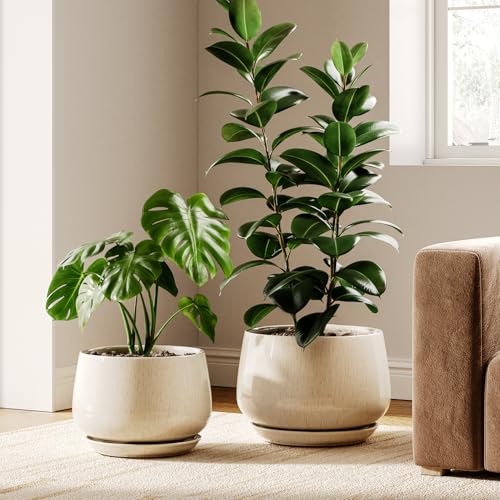


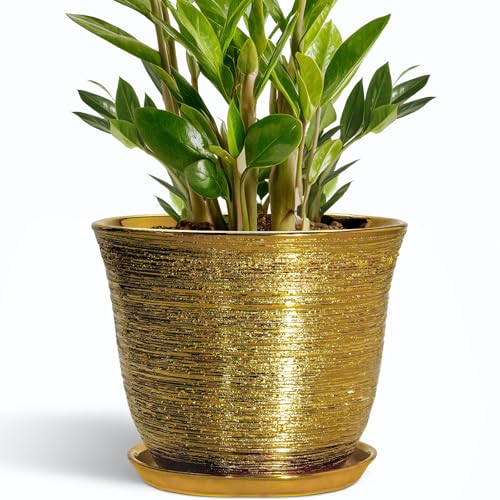

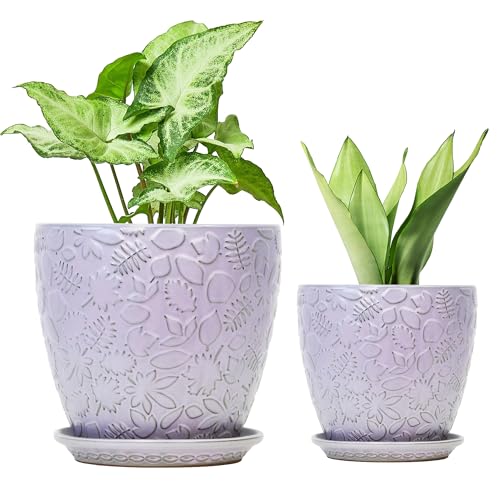

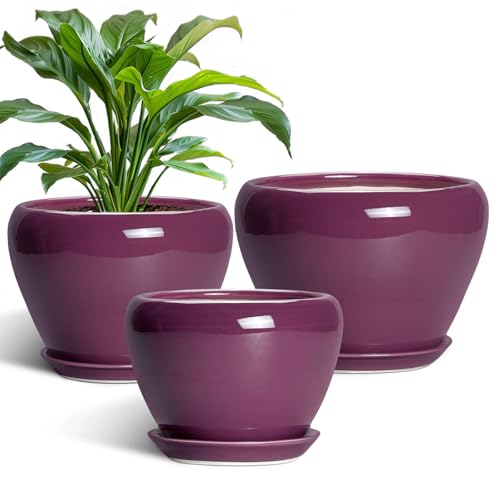
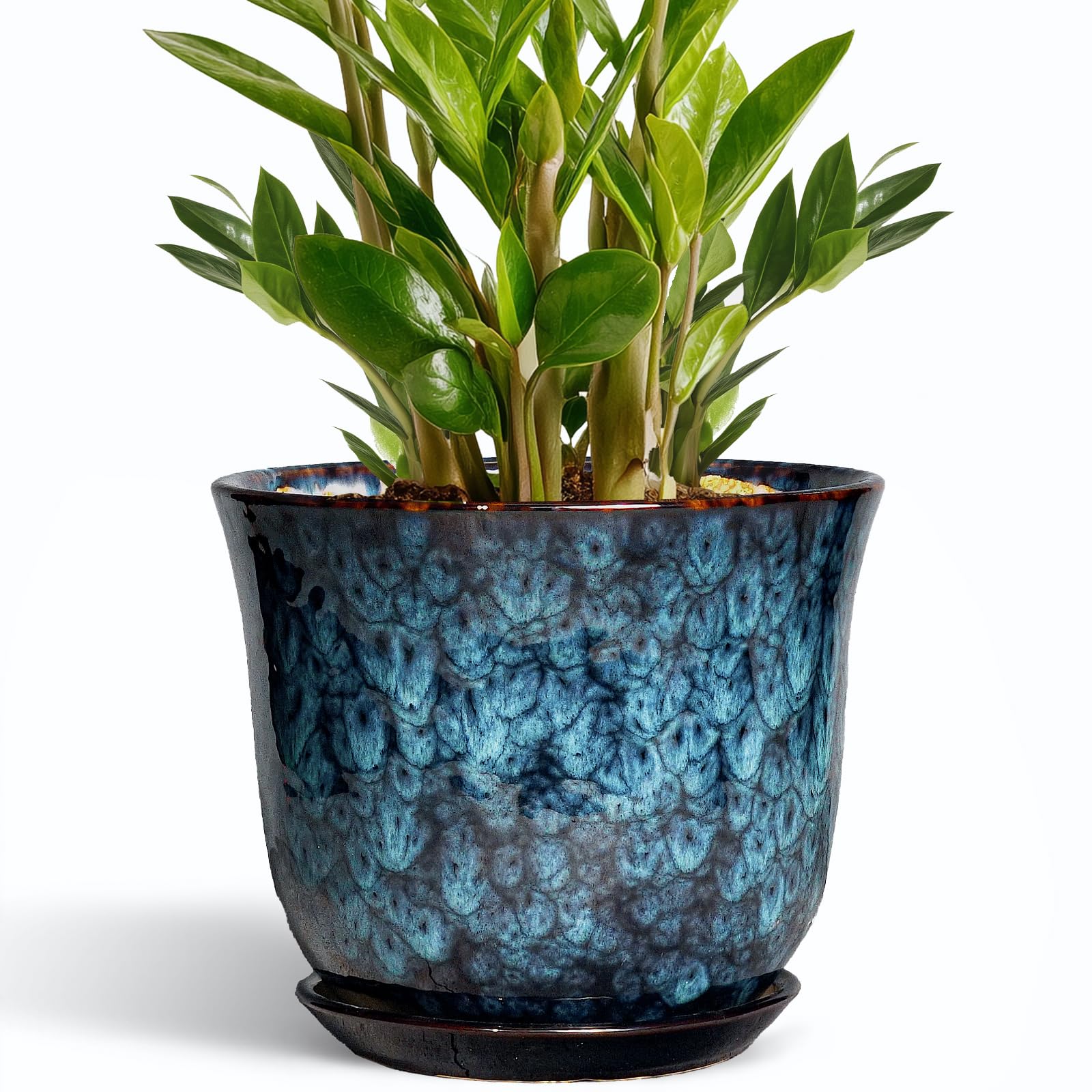
What Strong Options Look Like at a Glance
Rather than chasing named models, judge any planter in the product table against these three profiles. They describe the build, drainage and finish you should expect at each level.
The Strong All Round Profile
A dependable all round planter has a drainage hole, a matching saucer, even wall thickness and a clean, fully glazed interior or a well fired unglazed body. Sizes from about 15 to 30 cm across cover most houseplants. Expect to pay around $20 to $45 for a solid mid sized pot of this kind. It should feel reassuringly heavy without being awkward, sit flat with no wobble, and show no hairline cracks around the rim or base when you tap and listen for a clear ring.
The Value Profile
Value planters, often around $10 to $25, suit herbs, starter plants and shelves where looks matter more than decades of service. Glaze may be thinner and saucers sometimes sell separately, so check the full cost before comparing. Drainage holes matter even here, because a cheap pot without drainage quietly kills more plants than any other flaw. For purely decorative use, a value pot works well as an outer cache pot with a plain nursery pot hidden inside, which also makes watering and swapping plants simple.
The Upgrade Profile
Upgrade planters, often around $50 to $150 or more for large sizes, buy you thicker walls, frost resistant firing, refined glazes and proportions that anchor a room or entryway. They suit statement plants such as olive trees, large snake plants and mature monsteras. The weight is part of the point outdoors, since a heavy pot resists wind. Check that the glaze finish is consistent inside the rim and that the maker states frost limits honestly, because premium pricing should include premium candor about winter care.
How to Choose the Best Ceramic Planters: Buying Guide
Match the Planter to Your Plant and Space
Start with the plant, not the pot. Roots need a planter about 3 to 5 cm wider than the current root ball for most houseplants, giving room to grow without drowning roots in excess wet soil. Floor plants need wide, stable bases, while shelf plants need modest weight and a saucer that protects wood. Map your light and space first: a large pot in a dim corner invites overwatering, and a top heavy plant in a narrow pot will tip. Grouping several mid sized pots often looks better and waters easier than one oversized piece.
Ease of Use and Storage
Think about moving day, cleaning day and winter. A planter you cannot lift when full of wet soil will stay wherever it first lands, so weigh the pot empty and imagine it doubled. Smooth glazed interiors rinse clean between plants, while rough unglazed walls hold mineral crust. Nesting sizes store neatly in a shed. If you rotate plants seasonally, choose shapes that group well on a tray. Small details help daily: a rim you can grip, a saucer deep enough to catch a full watering, and feet or pads that protect floors.
Durability and Weather Resistance
Outdoors, water is the enemy in two seasons: summer heat bakes exposed walls, and winter ice expands inside damp clay and splits it. Frost resistant stoneware fired at high temperature shrugs off far more cold than low fired earthenware. In freezing regions, empty outdoor pots before hard frosts, raise them on pot feet so bases drain and dry, and store delicate pieces under cover. Indoors, durability mostly means resisting knocks during cleaning and repotting, so thicker rims earn their keep near sinks and busy hallways.
Performance Specs (Size, Drainage, Soil Volume)
The specs that matter are internal diameter, depth, drainage and soil volume. Measure the inside, not the decorative outer lip, because planting space is what roots get. Deep pots suit plants with long roots and outdoor shrubs, while shallow wide pots suit succulents and bulbs. One drainage hole is the minimum; large pots do better with several. As a rough guide, a 20 cm pot holds about 4 to 5 liters of mix, and a 30 cm pot holds roughly 12 to 15 liters, which tells you how much potting mix to buy.
Material and Build Quality
Stoneware is the workhorse: dense, strong and often frost tolerant. Porcelain is finer and lighter for its size, with a refined finish suited to indoor display. Earthenware and terracotta style bodies breathe well but chip and crack more easily. Judge build by even walls, a flat base, clean glaze without bubbles or bare patches, and a drainage hole that is fully open rather than partly blocked by glaze. Display focused shoppers can compare shapes and finishes in our guide to the best looking planters once the practical boxes are ticked.
Value and Coverage per Dollar
Compare cost against soil volume and expected seasons of use, not against sticker price alone. A sturdy 30 cm stoneware pot at around $40 that serves ten years costs less per season than a thin pot at around $15 replaced twice. Add the saucer, pot feet and extra potting mix a larger size demands, since those extras can double the real cost of a big planter. Buying a matched set on sale often beats mixing singles, and spares matter because a discontinued glaze is hard to match later.
Safety (Glaze, Home and Garden Use)
Most decorative planters are safe as sold, but sensible checks help. If you plan to grow edible herbs, ask whether the glaze is food safe and lead free, since some decorative glazes are not made for food contact. Keep glazed pots for ornamentals when the maker gives no food safety statement. Rinse new pots before first planting to clear dust. Place heavy pots where toddlers and pets cannot pull them down, and never use a cracked pot for a plant on a high shelf above a walkway.
Types of Ceramic Planters
Unglazed and Breathable Options
Unglazed clay pots let soil dry from all sides, which suits cacti, succulents and herbs that hate wet feet. They develop a natural patina and white mineral marks over time. The trade off is faster watering and weaker frost resistance. Growers of thirsty plants in humid rooms often find these dry out too fast, so match them to plants that enjoy a lean, airy root zone.
Lightweight Glazed Options
Thin walled glazed porcelain and lightweight stoneware suit shelves, hanging displays near windows and renters who move often. Glaze slows moisture loss, so watering stays less frequent. These pots dislike hard knocks and outdoor winters. Orchid growers should note that most orchids want airflow at the roots, so compare the slotted designs in our guide to the best planters for orchids before using a standard glazed pot.
Premium Heavy Options
Thick walled, high fired planters anchor patios, entries and large indoor plants. Their mass resists wind and casual knocks, and their glazes tend to be deeper and more even. They cost more, need two hands or a trolley to move, and deserve a permanent spot. For shallow rooted, dry loving displays, the shapes covered in our guide to the best planters for succulents show how wide, low premium pots serve those plants better than deep ones.
Standard Glazed Options
The classic mid weight glazed stoneware pot is the default for a reason: balanced moisture control, wide color choice and fair prices. It suits most foliage houseplants and porch flowers. Quality varies, so the build checks above matter more than the label. This is the category to buy in sets, because a consistent glaze across sizes makes a mixed planting look planned rather than collected by accident.
Ceramic Planters for Specific Needs
Best Large Ceramic Planters
When you shop for the best large ceramic planters, three criteria separate them from small pots: wall thickness that can carry a big soil load, drainage that can clear a full watering without pooling, and a base wide enough to keep a tall plant steady outdoors. Sizes of 35 cm and above suit small trees and statement plants. Plan the final position before filling, use a quality potting mix rather than garden soil, and consider the perennial pairings in our guide to the best perennials for planters for outdoor displays that return each year.
Care and Maintenance Tips
- Water early in the morning so leaves dry during the day and pots lose less to midday heat.
- Empty saucers after watering, because roots sitting in standing water invite rot even in a breathable pot.
- Scrub mineral crust with a stiff brush and water at repotting time, and refresh the top layer of mix each spring.
- Bring frost tender pots indoors or into a sheltered garage before the first hard freeze, raised off cold floors.
- Rotate indoor pots a quarter turn each week so growth stays even toward the light.
- Repot when roots circle the drainage hole, moving up only one size so soil moisture stays balanced.
Ceramic Planters: Your Questions Answered
How long should a ceramic planter last?
A quality stoneware planter kept indoors can last for decades, since glaze and body suffer little wear away from frost and knocks. Outdoor life depends on firing quality and winter care, and a frost resistant pot that is emptied and raised on feet each winter should serve many seasons. Cracks usually come from ice or impact, not age.
How much potting mix do I need for a planter?
Estimate by pot size: about 4 to 5 liters for a 20 cm pot, 12 to 15 liters for a 30 cm pot, and 30 liters or more for a 40 cm pot. Buy a little extra, because mix settles after the first watering and the surface will need topping up. Never fill to the rim; leave about 2 cm of space so water pools briefly and soaks in.
Are unglazed ceramic planters worth it?
They are worth it for plants that rot easily, such as succulents, cacti and Mediterranean herbs, because the porous wall pulls moisture from the soil and adds airflow. They are a poor match for ferns and other moisture lovers, which dry out too quickly. If you love the look but grow thirsty plants, use an unglazed pot as an outer cover with a glazed or plastic inner pot.
What is the difference between glazed and unglazed ceramic planters?
Glaze is a glass like coating that seals the clay, locks in soil moisture longer and wipes clean, while unglazed clay stays porous and lets water and air pass through the wall. Glazed pots suit most houseplants and styled interiors. Unglazed pots suit dry loving plants and gardeners who tend to overwater, because the pot itself forgives a heavy hand with the watering can.
The Bottom Line
Match drainage and size to the plant, choose glaze for your watering habits, and buy walls thick enough for where the pot will live. With those three calls made, the best ceramic planters are easy to spot in the product table above, and your plants get a home that helps rather than hinders them.


