
Best 6x9 Speakers for Mids and Highs of 2026: Complete Buying Guide
Disclosure: We may earn a commission when you buy through links on this page, at no extra cost to you. As an Amazon Associate I earn from qualifying purchases. Learn more

Learn how to choose the best 6x9 speakers for mids and highs with guidance on tweeters, crossovers, power, vehicle fit, and value for your car.
Most factory car speakers blur the two ranges you hear most, the midrange where voices live and the treble that gives music its sparkle. If podcasts sound muffled and guitars lack bite, you are shopping for the best 6x9 speakers for mids and highs rather than for more bass. This guide explains which specs actually shape those ranges and how three common buying approaches differ.
The comparison table below lists the current options in one view. Read the buying profiles first, because the right choice depends less on any single rating and more on your power source, your door space, and how much installation work you accept.
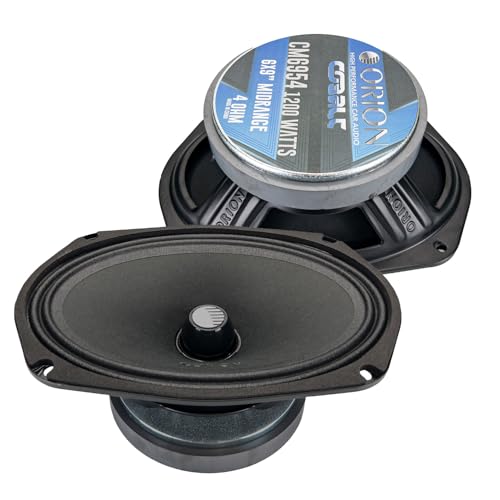

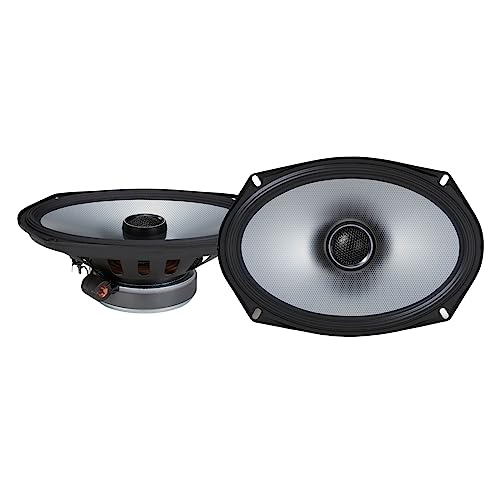


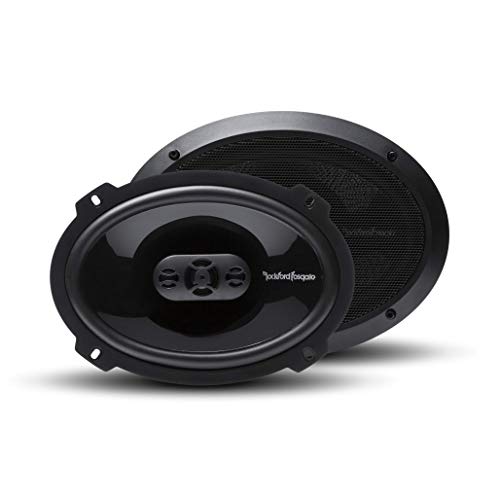
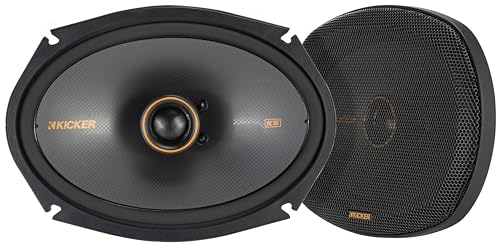
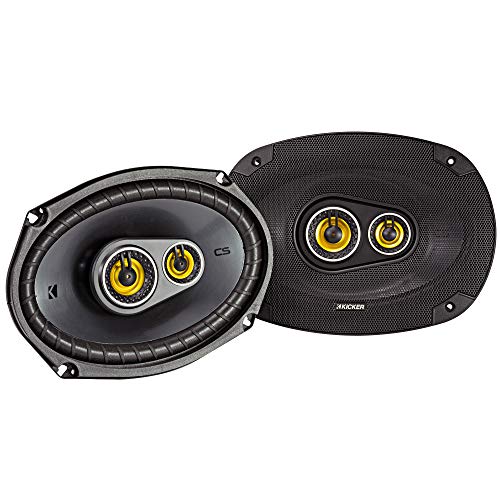
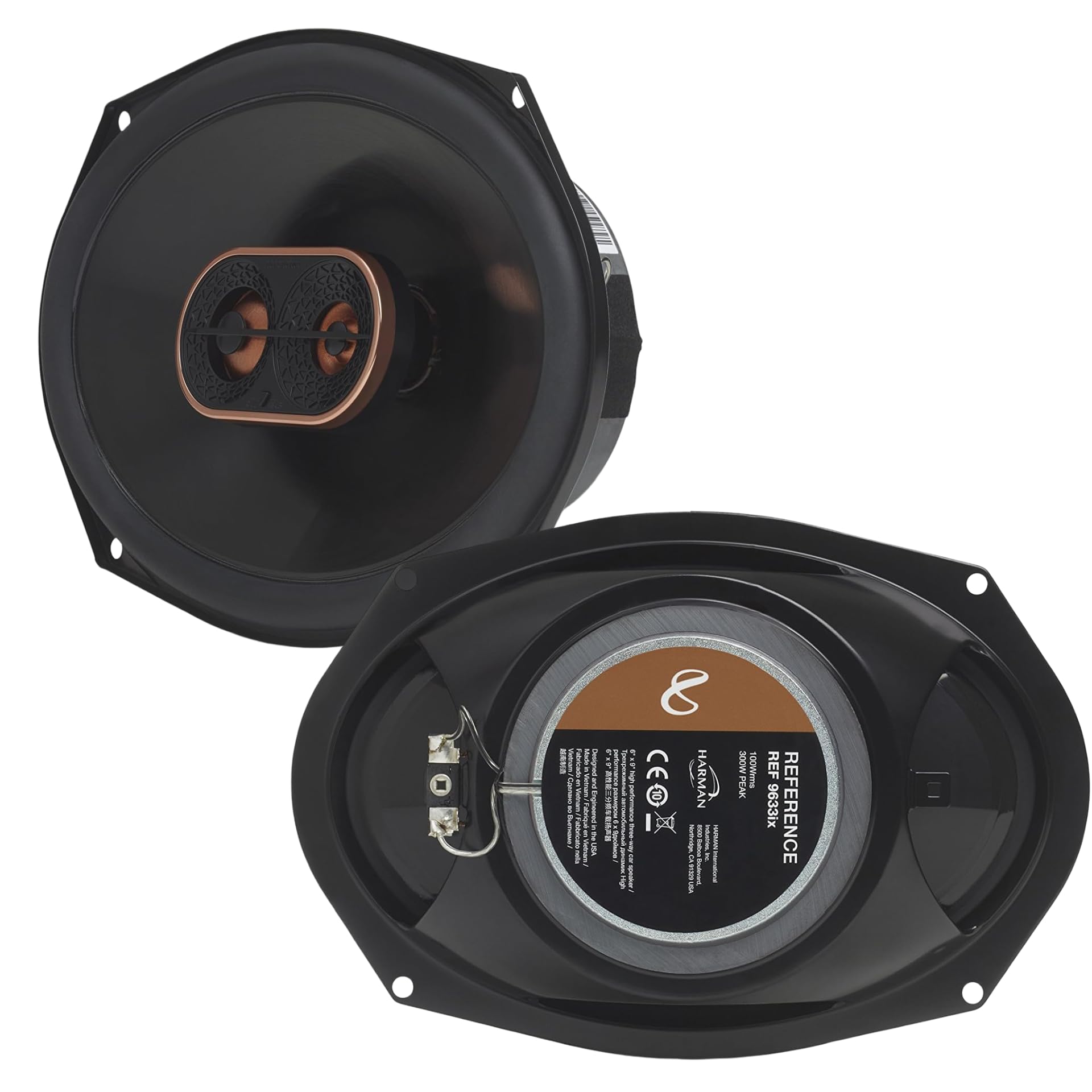

Three Buying Approaches at a Glance
Instead of chasing one universal winner, it helps to sort 6 by 9 inch speakers into three approaches. Each approach below describes what to prioritize, what it typically costs, and what you give up. Prices are approximate, with simple coaxial sets starting around $50 and refined component sets reaching about $300 or more.
Best Overall Approach
The balanced approach pairs a capable woofer cone with a quality dome tweeter and a real crossover, usually in a component set or a premium coaxial design. Expect to budget about $150 to $300 and to get smoother vocals, cleaner separation between instruments, and tweeter level adjustment. This route suits listeners who hear the flaws in their factory system every day and plan to add a modest amplifier.
The limitation is effort, because crossovers need mounting and tweeters need a sensible home. If you are willing to spend one careful afternoon on the install, this approach delivers the most complete midrange and treble improvement per dollar over the life of the car.
Best Value Approach
The value approach favors a well built coaxial set with a silk or textile dome tweeter, a sensitivity rating around 92 dB or higher, and honest RMS power figures. Sets in the range of about $75 to $150 often capture most of the clarity gain of pricier designs, especially on factory power. You give up some tweeter placement freedom and crossover refinement.
This approach fits commuters and family cars where the goal is clear speech and enjoyable music without a full system rebuild. Spend the money you save on a small amount of door damping material. Reducing door panel buzz often improves perceived midrange clarity as much as a speaker upgrade tier would.
Best Approach for Beginners
The beginner approach puts fit and simplicity first, with a coaxial set that matches factory mounting depth, uses the original wiring, and needs no separate amplifier. Look for shallow baskets, included adapter friendly frames, and clear instructions. Budget roughly $50 to $100 and expect a clear step up in vocal intelligibility rather than a dramatic transformation.
The limitation is headroom, since simple sets distort sooner at high volume and offer little tuning control. That trade is fair for a first project, and the skills you learn, panel removal, polarity checks, and secure mounting, carry over to any later upgrade. Our overview of the best mids and highs speakers can help you compare this size against other formats.
How to Choose the Best 6x9 Speakers: Buying Guide
Features That Matter for Mids and Highs
Midrange clarity starts with a cone that stays rigid without adding harsh resonances, which is why polypropylene, treated paper, and woven fiber cones each have loyal fans. The crossover point matters just as much, because a hand off around 3 kHz to 5 kHz keeps vocals on the woofer while the tweeter handles detail. Ask where that hand off sits before you compare headline power numbers.
A tweeter of about 0.75 inch to 1 inch with a smooth dome material rounds out the recipe. Together these choices decide whether voices sound natural at conversation volume, which is the real test for the best 6x9 speakers for mids and highs in daily driving.
Sound Quality and Tuning
Frequency response claims describe range, not balance, so read them as a starting point only. A set that reaches 20 kHz can still sound dull if the response dips through the presence region, and a set with modest extension can sound lively if the midrange is even. When reviews or measurements mention a smooth rise through the vocal band, that is a good sign.
Your tuning tools are the head unit equalizer, balance and fader controls, and any tweeter level switch on the crossover. Make one change at a time and live with it for a full drive. Small cuts to a harsh band usually beat large boosts, and boosting the midrange hard can push a small amplifier into distortion. Guidance on treble focused sets in our article on the best 6x9 speakers for highs adds useful context here.
Wiring and Source Connections
Car speakers are wired designs, so connection quality means secure terminals, correct polarity, and intact factory harnesses. Spring terminals and spade connectors both work when they grip firmly, and a wiring adapter avoids cutting factory leads. Reversed polarity on one speaker thins the midrange noticeably, because the two sides cancel each other at shared frequencies.
Your source matters as well. A factory radio with modest output pairs best with sensitive speakers, while an aftermarket head unit or amplifier gives you cleaner power and better equalizer control. Bluetooth and streaming quality settings on your phone also shape the result, since a low quality stream limits detail before the signal ever reaches the speaker.
Power Needs and Efficiency
Power planning for a car speaker is about matching, not maximizing. Check the RMS rating per speaker and compare it with the continuous output of your radio or amplifier, then favor sensitivity when power is scarce. A speaker rated at 93 dB will sound clearly louder on factory power than one rated at 88 dB, even if the second handles more watts.
Efficiency also protects clarity, because a system that reaches your listening level easily stays below the distortion zone. If you regularly drive with windows down, budget for a small amplifier rather than a thirstier speaker. Drivers planning a full front stage can compare layouts in our guide to the best car speakers for mids and highs.
Placement and Vehicle Fit
Most 6 by 9 inch speakers live in front doors or rear decks, and each location colors the sound differently. Door mounting places the midrange low and off axis, while a rear deck fires upward into glass that reflects treble. Confirm mounting depth, cutout size, and grille clearance for your exact vehicle before ordering, because 6 by 9 frames vary between brands.
Simple foam rings that seal the speaker to the door panel are a cheap, practical upgrade. They push more midrange into the cabin instead of losing it inside the door, and they reduce rattles. If your doors are shallow, a slim design protects the window mechanism from contact with the magnet.
Mounting Depth and Build Quality
Basket construction and surround material predict how a speaker ages in a hot, vibrating door. Stamped steel baskets are fine at modest prices, while cast baskets add rigidity for higher power use. Butyl rubber surrounds resist heat and sunlight better than foam, which can crumble after years in a rear deck.
Weight is a useful clue rather than a goal in itself, since a heavier magnet often means stronger motor control but also deeper mounting. Balance the spec sheet against your door space. Shoppers fitting doors specifically may find the fit notes in our guide to the best door speakers for mids and highs worth a look.
Types of 6x9 Speakers
Coaxial Models
Coaxial models combine woofer and tweeter in one unit and install in the factory opening with minimal fuss. They suit most buyers, deliver clear gains on factory power, and keep costs predictable. Their weakness is fixed tweeter position, which limits soundstage height. For a single afternoon project with immediate results, this is the sensible default type.
Component Models
Component models separate the tweeter and add an external crossover, letting you raise the treble source toward ear level. They offer the smoothest blend between mids and highs when installed well, and they handle amplifier power gracefully. Their weakness is complexity, since placement mistakes can make treble too prominent. Choose them when you value imaging and plan to tune patiently.
High Sensitivity Models
High sensitivity models trade maximum power handling for easy volume on weak factory radios. They are the right call for older vehicles and leased cars where you cannot change the electronics. Their weakness appears when paired with a strong amplifier, where headroom runs out sooner. Match this type to the system you have today, and it will reward you every drive.
How to Make Your 6x9 Speaker Last Longer
- Keep volume below the point where vocals turn gritty, because distortion overheats small tweeter coils faster than clean power does.
- Seal and secure every mounting screw evenly so the frame cannot flex or buzz against the door metal.
- Check door wiring and connectors once a year for corrosion and chafing, and repair damaged insulation promptly.
- Keep the head unit firmware updated when updates are offered, so crossover and equalizer features keep working correctly.
- Use a sunshade on hot days to slow the aging of surrounds and adhesives in rear deck installs.
- Store removed factory speakers dry and indoors if you may need to refit them when selling the car.
FAQs
What features matter most in 6x9 speakers for mids and highs?
A smooth dome tweeter, a sensible crossover point, and a cone that stays controlled through the vocal range matter most. Sensitivity decides how clearly those qualities show on factory power. Fit matters too, because a speaker that seals well against the door panel delivers noticeably stronger and cleaner midrange than the same speaker mounted loosely.
Coaxial or component: which sounds better for mids and highs?
Component sets usually sound better because the tweeter sits higher and the crossover is more precise, which improves vocal placement and separation. Coaxial sets can sound very close in a quiet cabin, especially at moderate volume. The honest deciding factor is installation quality, since a careful coaxial install beats a rushed component install.
How much power do 6x9 speakers for mids and highs need?
Most listeners are well served by about 20 to 75 watts RMS per channel, and sensitive sets need far less. Judge by clean volume rather than numbers, and stop turning up when speech starts to harden. If your daily drive is loud, a small amplifier adds more clarity than swapping to a higher wattage speaker would.
Do I need to treat my doors for better mids and highs?
Door treatment is optional, but a small amount of damping and a foam seal ring give outsized returns for the money. Panels that stop buzzing reveal midrange detail that was already there, and sealing the speaker to the panel restores lost output. Start with the front doors only, listen for a week, and expand only if you still hear rattles.
What size speakers work if 6 by 9 does not fit my car?
Many cars accept adapter brackets for round 6.5 inch speakers, which broadens your choices and can improve midrange focus. Some trims use a 6 by 8 inch opening instead, so measure before assuming. Whatever size you land on, keep the same priorities, tweeter quality, crossover design, and sensitivity, and the result will be consistent.
Our Verdict
Decide by tweeter quality and crossover design first, then confirm fit, depth, and sensitivity against your vehicle and power source. Beginners should start with a forgiving coaxial set, value hunters with a sensitive mid priced one, and detail seekers with components. On any path, the best 6x9 speakers for mids and highs are the set whose vocal clarity you verified against your own music, so shortlist your matches in the product table above.


