
Best Car Speakers for Factory Stereo 2026: A Clear Beginner Buying Guide
Disclosure: We may earn a commission when you buy through links on this page, at no extra cost to you. As an Amazon Associate I earn from qualifying purchases. Learn more

Factory radios send modest power. This beginner guide shows how to pick the best car speakers for factory stereo that sound clear on it, with easy fit checks.
If your factory speakers sound thin, crackly, or dull, you do not need a whole new stereo to fix it. In many cars the head unit is fine and the speakers are the weak part, built cheaply from paper and foam that age badly. Choosing the best car speakers for factory stereo use means finding efficient speakers that sound clear on the small amount of power a factory system provides.
This guide is written for first time buyers. We start with the basics, translate the key specs into plain English, and end with the mistakes to avoid and the first steps after your speakers arrive. Keep the comparison table below open while you read.


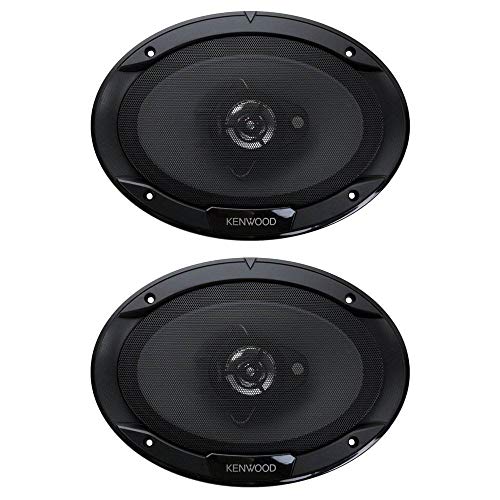
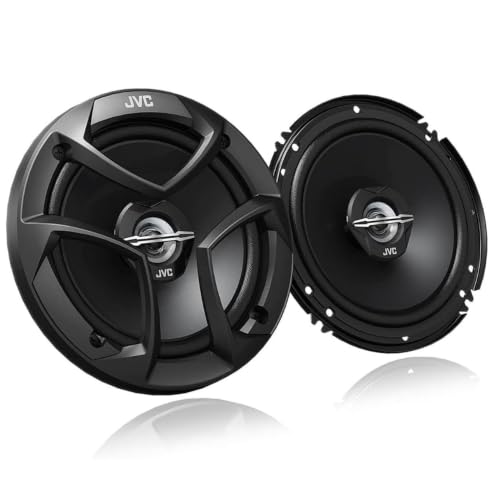
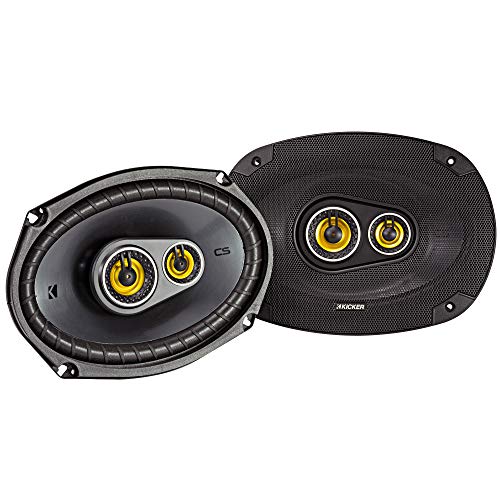
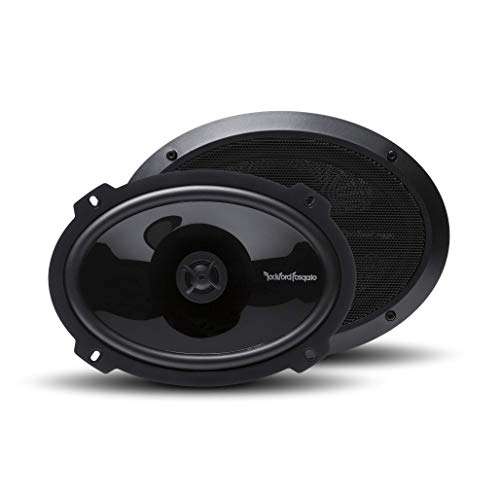


Car Speakers 101: The Basics
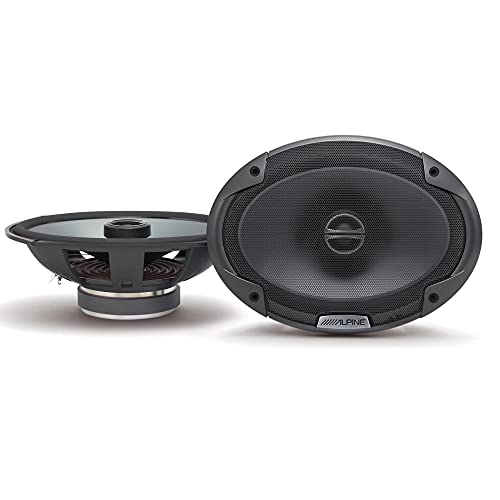
A car speaker turns an electrical signal into sound by moving a cone back and forth. A magnet and voice coil drive that movement, and the cone pushes air so you hear music. Most factory locations use coaxial speakers, where a small tweeter for high notes sits in the center of a larger woofer for voices and bass. Component speakers split those jobs into separate parts for better placement, but they take more work to install.
Your factory stereo, also called the head unit, sends only modest power, often far less than an aftermarket amplifier. That single fact shapes every choice in this guide. Speakers for this job must be efficient, correctly sized, and matched to the factory wiring and impedance. Get those three basics right and the improvement is obvious on the first song, with clearer voices, cleaner highs, and bass that sounds tidy instead of boomy or missing.
Key Specs Explained in Plain English
Features That Matter for Factory Stereo
Sensitivity is the star spec here. It tells you how loud a speaker plays with one watt of power, and factory power is limited, so higher sensitivity means more volume and clarity without strain. Look for ratings around 90 decibels or higher when you can. You also want modest RMS requirements, because a power hungry speaker on factory power sounds quiet and flat. Light but rigid cones help too, since a small signal moves them easily. In short, efficient and easy to drive beats big and demanding for this exact job.
Vehicle Compatibility
Compatibility means the speaker fits your holes, your depth, and your wiring. Check the size for each location, because front doors, rear doors, and dash corners often use different sizes in the same car. Confirm the year and trim, since factory amplified premium systems may use unusual impedance or send only limited frequencies to some speakers. If you want a broader view of direct swap options, see our guide to the best factory replacement car speakers. Measure depth if your doors are shallow, and keep adapter rings in your budget.
Build Quality and Weather Resistance
Factory speakers fail mostly because materials age. Foam surrounds crumble, paper cones soften with moisture, and the sound turns fuzzy. Better replacements use rubber surrounds and polypropylene or treated cones that shrug off door humidity and heat. Doors do get wet inside by design, with water draining through holes at the bottom, so that resistance matters every rainy season. Feel the surround material in product photos and descriptions, favor rubber over foam, and check that the basket and terminals look sturdy rather than thin and sharp.
Ease of Installation
Plug and play matters for a first project. Some speakers include harnesses that connect to factory plugs with no cutting, and adapter rings that match factory screw patterns. That kind of kit turns the job into careful panel removal and a few screws. Other sets need wire cutting, new holes, or separate crossover mounting, which adds time and risk. Be honest about your tools and patience. A simple coaxial swap on a Saturday morning is a great first project. A complex component install in a car with door airbags is a job to hand to a professional.
Warranty and Brand Support
A clear warranty protects a first time buyer from early defects. Look for at least a year of coverage, simple claim steps, and manuals you can download before you buy. Good support also means the maker publishes real specifications, fit notes, and wiring diagrams instead of only marketing claims. Keep your receipt and take photos during installation. If a speaker arrives damaged or fails early, that record makes the claim painless. Support quality is also a quiet signal of overall quality, since brands that document well tend to build consistently.
Safety Features
Speaker work is low risk when you follow basics. Disconnect the battery before wiring audio so a slipped tool cannot short a circuit. Never work around door airbags with power connected, and route wire away from window mechanisms and sharp edges. Correct polarity keeps bass strong, because a reversed speaker moves inward while its partner moves outward and they cancel each other. Use proper connectors instead of twisted bare wire, and refit every panel clip so trim stays secure and silent while you drive.
Choosing Car Speakers for Your Situation
Best Aftermarket Car Speakers for Factory Stereo: Tips for First Time Buyers
Aftermarket speakers differ from factory ones in materials, efficiency, and honesty of specifications. Focus on three criteria. First, choose high sensitivity so factory power is enough. Second, choose standard sizes with shallow depth so the install stays simple. Third, choose durable surrounds and cones so you do not repeat this job in two years. Coaxial sets suit most first time buyers because the tweeter is built in and wiring stays simple. If you plan a wider refresh later, our guide to the best car stereo speakers shows how front and rear choices work together over time.
Rookie Mistakes to Avoid
- Buying by peak watts. Peak numbers are marketing. For factory power, sensitivity and RMS range decide how a speaker actually sounds in your car.
- Ignoring impedance. Some factory systems use low impedance speakers. Fitting a mismatched set can make the system quiet or strain the factory amplifier section.
- Forgetting depth. A speaker can match the diameter and still hit the window glass. Always check mounting depth before ordering.
- Skipping the harness. Cutting factory plugs makes future repairs harder. Adapter harnesses cost little and keep the job reversible.
- Changing everything at once. Replace the front speakers first, listen for a week, then decide about the rear. You may find the front change is enough.
Another common error is judging new speakers in the first minute. Give the surrounds a few hours of normal listening to settle, keep the factory tone settings flat while you judge, and use a familiar song at a moderate volume so your comparison with the old sound is fair and repeatable.
Getting Started: Setup and First Use
Start by reading the manual for your car and your speakers, and check your manual for the factory speaker sizes and any airbag warnings for the doors. Lay out tools, harnesses, and screws before the first panel comes off, and keep a small tray for clips so none vanish into the driveway. Work on one door at a time so the other side stays as a reference for wiring and clip positions. Test the new speaker at low volume before the panel goes back on, confirming clear sound and correct polarity.
Once both sides are done, set tone controls to flat and listen to a familiar track from the driver seat. Small equalizer changes come after, one at a time. If you want context on how efficient speakers compare for clarity, see our guide to the best sounding car speakers. And if deep bass still feels missing, remember door speakers have limits. Our guide to the best sub speakers for car explains the separate subwoofer step many owners take later, while our guide to the best stereo speakers covers home listening basics for comparison.
Car Speakers: Your Questions Answered
What features matter most in car speakers for factory stereo?
High sensitivity matters most, followed by correct size and durable materials. Factory power is small, so an efficient speaker gives you volume and clarity without an amplifier. Also favor simple coaxial designs for a first install. A useful extra check is the RMS range. If its minimum sits well above what a factory unit delivers, that speaker belongs in an amplified system instead, no matter how attractive its price looks today.
What specs matter most for factory stereo speakers?
Sensitivity, impedance, mounting depth, and RMS range matter most. Sensitivity tells you loudness on limited power, impedance must suit the factory system, and depth decides physical fit. Frequency response is helpful but secondary, since door speakers in a factory system rarely play the deepest bass. When two sets look similar, pick the one with clearer documentation and included adapters, because installation ease protects your result more than a small paper advantage.
Do I need professional installation for factory stereo speakers?
Most coaxial swaps do not need professional installation if you are patient with door panels and clips. Watch a vehicle specific panel removal guide first, and use proper trim tools instead of a screwdriver that scars plastic. Choose professional help if your car has door airbags you are unsure about, a factory amplified system with unusual wiring, or component speakers that need new tweeter locations and crossover mounting inside the door or dash.
Will factory stereo speakers fit my vehicle?
They fit when the size, depth, and screw pattern match your locations, ideally with adapter rings for your model. Online fit guides help, but treat them as a starting point and verify depth yourself if your car is a less common trim. Also check the rear deck or dash locations separately, since a car rarely uses one size everywhere. Ordering one location at a time limits return hassle if a fit note turns out to be wrong.
How long do replacement car speakers last?
Quality replacements commonly last six to ten years in daily use. Rubber surrounds and moisture resistant cones age far better than the foam and paper used in many factory units. Life shortens if you play a distorting factory unit at maximum volume often, because distortion heats the voice coil. Keep volume just below the point where sound turns harsh and your speakers will reward you with a long, trouble free service life.
The Bottom Line on Car Speakers for Factory Stereo
For a factory system, buy efficiency first, fit second, and durability third. High sensitivity coaxial speakers in the correct size give the clearest gain for the least risk and money. Work carefully, test before panels go back, and compare your finalists in the product table above. Do that, and the best car speakers for factory stereo for your car will make every drive sound newly clear without changing the stereo you already know. Compare the best car speakers for factory stereo in the table above one last time before you order.


