
Best Bluetooth Speakers for Classical Music: Which One Fits the Way You Use It? for 2026
Disclosure: We may earn a commission when you buy through links on this page, at no extra cost to you. As an Amazon Associate I earn from qualifying purchases. Learn more

Classical listeners can compare dynamic range, clarity, stereo imaging and placement to find the best bluetooth speakers for classical music.
There is no single speaker that serves every classical listener well. A string quartet at low volume in a study asks for something very different from a Mahler symphony filling a living room, and both differ from chamber music on a train. This guide matches the best bluetooth speakers for classical music to the way you actually listen, so the strengths you pay for are the ones your recordings will reveal.
The comparison table below gives you a quick scan of driver setups, stereo options, and inputs. Read it with your main listening situation in mind, then use the sections below to confirm that the tuning, placement, and connection choices fit that situation.


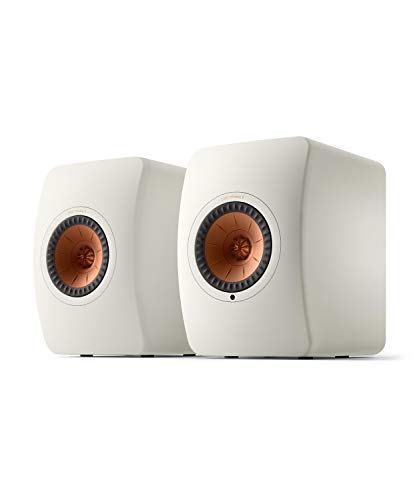

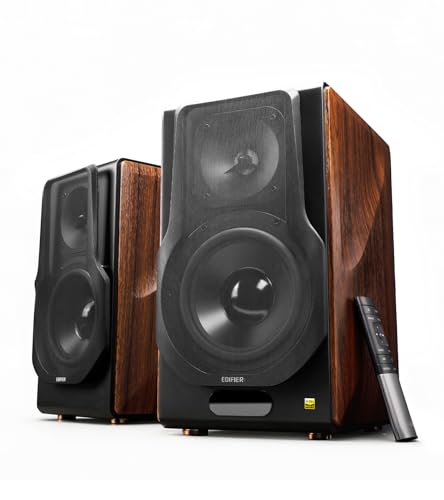

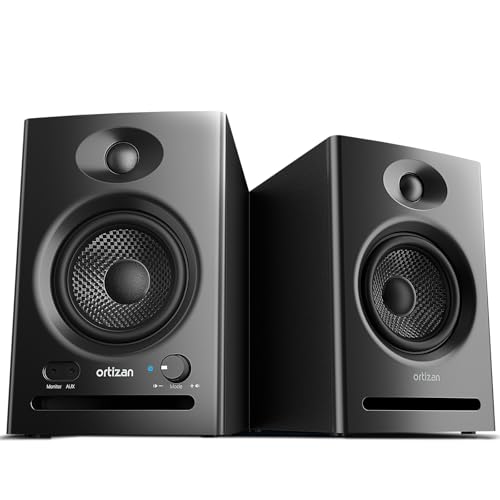

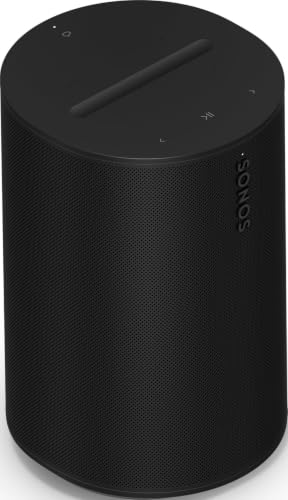


Who Should Buy Which Bluetooth Speakers?
For Students and Everyday Users
Students and everyday listeners need stable pairing, long battery life, and honest sound at a fair price. A compact speaker with clear midrange will flatter solo piano, string quartets, and choral works, which make up much of daily classical listening. Prioritize a model that sounds good at low volume, because dorms, shared flats, and family homes rarely allow symphonic levels. An aux input is worth having for a laptop or a small streaming player. Skip paying for huge bass output you cannot use, and put the savings toward recordings you will enjoy for years.
For Gamers and Power Users
Listeners who share a desk setup with gaming or video work need low delay and flexible inputs as much as tonal quality. A speaker that accepts USB or optical from a computer, plus Bluetooth for a phone, lets one system serve every source. For classical listening, the power user should still demand neutral tuning and a stereo pair option, because soundstage width transforms orchestral recordings. Watch for aggressive sound processing modes that boost bass for games. A good model lets you turn processing off and return to a flat, honest presentation for music.
For Travelers and Commuters
Travelers need light weight, a tough cabinet, and battery life that survives a long day away from an outlet. A small rugged speaker will not reproduce the full weight of an orchestra, but it can present chamber music, solo instruments, and opera highlights with surprising clarity in a hotel room. Place it near a wall or in a corner and the room itself adds warmth. Protect your hearing on trains and planes by keeping volume moderate, and favor models with a clear, forward midrange that stays intelligible at low levels over models that only impress when loud.
For Remote Workers and Creators
Remote workers and creators listen for hours, so comfort and reliability matter as much as peak quality. A speaker with a good microphone path helps if the same unit handles calls, though a dedicated desk setup often splits those jobs. For music during focused work, baroque and classical era works at low volume suit many people, and a neutral speaker keeps them present without fatigue. Look for simple controls, a remote or app you trust, and stable multipoint pairing so the speaker moves between your laptop and phone without a daily pairing ritual. Our guide to the best bluetooth speakers for music in general shows how these daily use priorities compare across genres.
Key Features to Compare
Sound Quality and Tuning
Classical music exposes tuning flaws that pop and rock can hide. Look for a flat, neutral balance where no range shouts over the others, because a boosted bass clouds cellos and double basses while a sharp treble makes violins sound glassy. Dynamic range is the quiet spec that matters most. A speaker that stays clean from a whispered pianissimo to a full orchestral climax, without compressing the loud parts or losing the quiet ones, will make your recordings feel alive. Driver quality and cabinet solidity drive that ability more than any processing feature.
Placement and Room Size (for Speakers)
A stereo pair placed at ear height, angled toward your seat, and pulled a little away from the wall will image far better than a single speaker in a corner. Small rooms favor compact speakers, because oversized models excite boomy reflections that blur fast string passages. Large rooms need either bigger drivers or a pair working together to fill the space at sane volume. If you listen mostly in one chair, optimize for that seat without guilt. Readers building a dedicated setup should also see our guide to the best speakers for classical music, which covers placement for wired systems in depth.
Features That Matter for Classical Music
Three features separate classical friendly speakers from general party speakers. First, low distortion at both volume extremes, since classical recordings swing wider than most genres. Second, a genuine stereo option, because orchestral seating, from first violins on the left to brass at the back, is part of the music itself. Third, tone controls or a gentle equalizer, which let you soften a bright room without dulling the music. Frequency response that extends smoothly, rather than a headline grabbing bass figure, is the pattern to trust. A speaker that lists honest specs with tolerances usually sounds as careful as it reads.
Connectivity (Bluetooth Version, Codecs, Wired)
Bluetooth 5.3 or newer keeps the link stable when your phone is across the room, and multipoint helps if you switch between a tablet and a phone. Codec support matters more for classical than for many genres, because quiet passages reveal compression artifacts as a faint watery shimmer behind strings. If your source supports a higher quality codec and the speaker matches it, take the pairing. Keep a wired input for your best recordings, though. A cable from a good source still delivers the cleanest signal, and many listeners use Bluetooth daily and wire up for favorite albums.
Common Mistakes to Avoid When Buying Bluetooth Speakers
- Judging by price or size alone, when tuning and distortion decide classical quality far more than either.
- Ignoring sound quality at low volume, even though most home classical listening happens below conversation plus levels.
- Buying a single mono speaker for orchestral music and losing the stereo image the recording was mixed to present.
- Choosing bass heavy tuning that flatters film effects but clouds bass lines and blurs fast passages.
- Skipping the warranty and return terms, which matter when a speaker must prove itself against your own recordings at home.
Care and Maintenance Tips
Keep firmware updated, because makers often refine pairing stability and standby behavior after launch. Store a portable speaker in a case to protect the drivers from knocks and dust, and keep bookshelf models away from direct sun, which fades finishes and dries cabinet materials over time. Dust grilles gently with a soft brush rather than a damp cloth, and never push dust into the driver with compressed air at close range. If your speaker has removable pads or a carrying strap, clean them on the same schedule as the cabinet so sweat and oils do not degrade the materials.
FAQs
What features matter most in bluetooth speakers for classical music?
Neutral tuning, wide dynamic range, and true stereo capability matter most. Neutral tuning keeps every instrument in its natural proportion, while dynamic range preserves the swing from quiet solos to full orchestra climaxes. A stereo pair restores the placement of sections across the stage. Add low distortion and a wired input for critical listening, and you have the full checklist that separates a classical friendly speaker from a general purpose one.
Do I need a special codec?
A higher quality codec helps classical listeners more than most, because quiet string passages expose compression artifacts. If your phone or player supports one and the speaker matches, use it. That said, good tuning on a standard codec beats poor tuning on a premium codec every time. For your most loved recordings, a wired connection remains the safest route to full detail, so treat codec support as a strong preference rather than a strict requirement.
Wired or wireless: which sounds better?
Wired sounds better at the top end of listening, because the signal avoids compression and stays free of pairing variables. Wireless sounds very good for daily listening and frees you to place the turntable, streamer, or phone where it suits the room. Many classical listeners do both, streaming casually over Bluetooth and connecting a cable for a full album in the evening. Let your habits decide, and make sure any speaker you buy offers both paths.
How long does the battery last?
Portable speakers suited to classical listening run about ten to twenty hours at moderate volume, and classical playback at gentle levels often lands at the lower end of that range. Loud symphonic peaks draw more power, so a day of Mahler at full tilt will drain a battery faster than an evening of chamber music. Mains powered bookshelf models skip the question entirely and deliver consistent output, which is why dedicated listening rooms favor them.
What IP rating do I need for outdoor use?
Most classical listening happens indoors, where no IP rating is needed at all. If your speaker will also serve a patio, IPX4 covers splashes and light rain for occasional outdoor sessions, while IP67 suits regular outdoor life. Sealed outdoor designs usually trade some tonal refinement for toughness, so a speaker bought mainly for the garden will rarely match a dedicated indoor model on a string quartet. Buy for your main room first.
The Bottom Line
Decide by listening situation first, then by tuning, stereo imaging, and dynamic range. The product table above can narrow the field once you know which listener you are. Chosen with those priorities, the best bluetooth speakers for classical music disappear into the performance, leaving you with the hall, the players, and the music itself. If portability leads your list, compare the options in our guide to the best portable bluetooth speakers for music before you decide.


